

Crackers, wheat, regular
Whole food · Baked Products
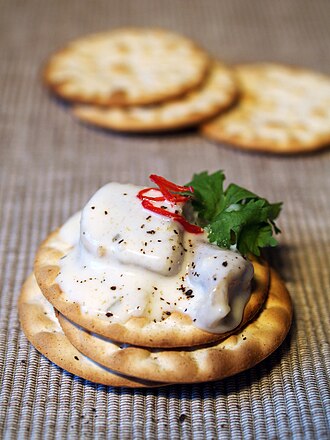
Photo: Wikipedia
A crisp, dry, and savory flatbread made from wheat flour, offering a satisfying snap with each bite. Its neutral, slightly toasty flavor makes it a perfect canvas for toppings, while its dense, crunchy texture provides a substantial mouthfeel. Nutritionally, it's a concentrated source of carbohydrates for quick energy, with a modest protein content.
Calorie split: 6% protein · 62% carbs · 32% fat
↓ Full nutrition💚 Why it's loved
People love them for their incredible versatility and satisfying crunch, acting as a blank slate that can be dressed up with cheese, dips, or spreads. Their long shelf life and portability make them a reliable pantry staple and a go-to for quick, no-prep snacks.
⚠️ Watch-outs & how to enjoy it better
As a refined carbohydrate with a high glycemic load, they can cause rapid blood sugar spikes, making them a less ideal choice for those managing diabetes. They are also often high in sodium and contain gluten, a common allergen. To counteract, pair them with protein (like cheese or nut butter) and healthy fats (like avocado) to slow digestion and stabilize blood sugar, and always check labels for low-sodium options.
Key benefits
- Provides quick, accessible energy from complex carbohydrates.
- Offers a convenient, shelf-stable, and portable snack option.
- Contains dietary fiber, which aids in digestive health.
- Serves as a versatile base for both sweet and savory toppings.
🍽️ Popular dishes

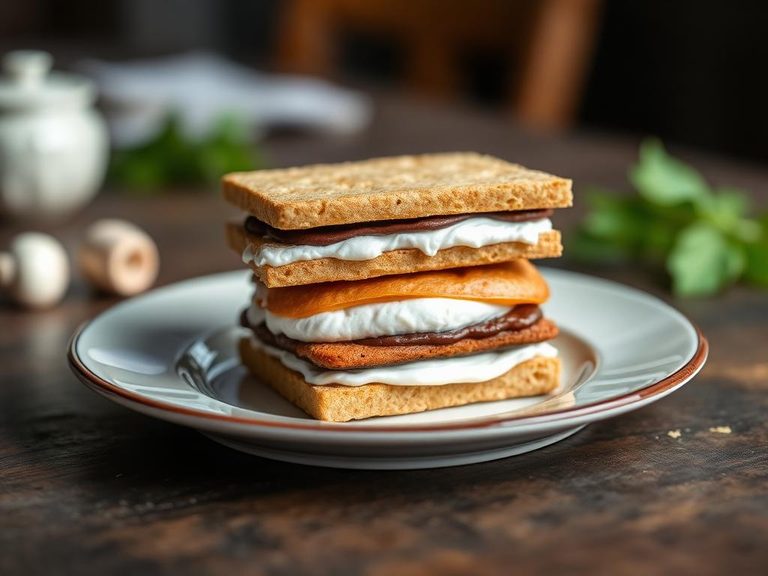

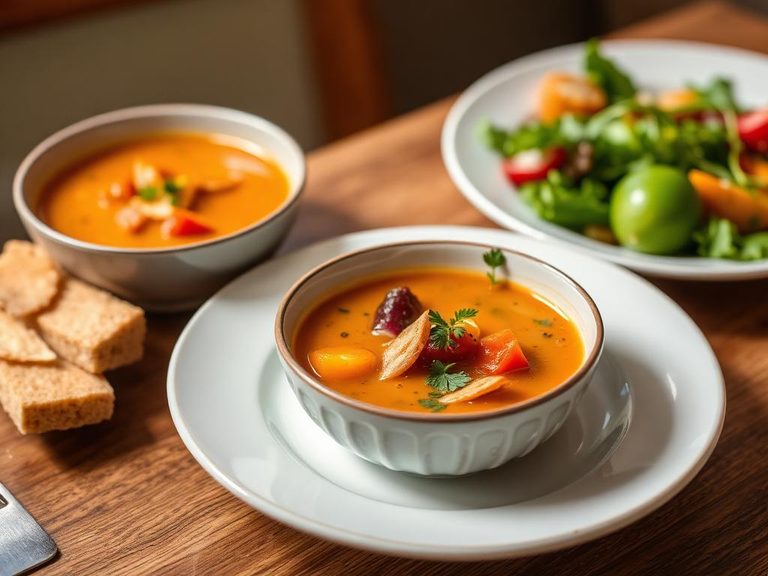
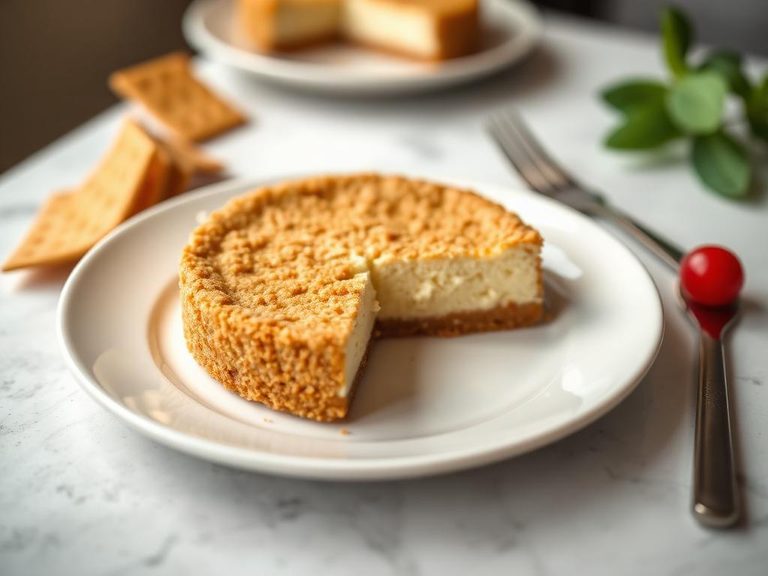

🌍 Where it's eaten
💡 Did you know?
The word 'cracker' may have originated in the 14th century from the sound they make when bitten, or possibly from the 'cracked' appearance on their surface during baking.
Full nutrition (USDA data · scales with serving)
| Water | 2.8 g |
| Energy | 455 kcal |
| Energy | 1903 kj |
| Protein | 7.3 g |
| Total lipid (fat) | 16.4 g |
| Ash | 2.8 g |
| Carbohydrate, by difference | 70.7 g |
| Fiber, total dietary | 6.9 g |
| Total Sugars | 15.5 g |
| Sucrose | 11.8 g |
| Glucose | 0.79 g |
| Fructose | 0.42 g |
| Lactose | 0.00 g |
| Maltose | 2.4 g |
| Galactose | 0.00 g |
| Starch | 47.4 g |
| Calcium, Ca | 92.0 mg |
| Iron, Fe | 2.6 mg |
| Magnesium, Mg | 72.0 mg |
| Phosphorus, P | 302 mg |
| Potassium, K | 283 mg |
| Sodium, Na | 699 mg |
| Zinc, Zn | 1.6 mg |
| Copper, Cu | 0.27 mg |
| Manganese, Mn | 1.5 mg |
| Selenium, Se | 9.9 ug |
| Vitamin C, total ascorbic acid | 0.00 mg |
| Thiamin | 0.28 mg |
| Riboflavin | 0.15 mg |
| Niacin | 4.0 mg |
| Pantothenic acid | 0.58 mg |
| Vitamin B-6 | 0.24 mg |
| Folate, total | 38.0 ug |
| Folic acid | 2.0 ug |
| Folate, food | 36.0 ug |
| Folate, DFE | 40.0 ug |
| Choline, total | 27.2 mg |
| Vitamin B-12 | 0.00 ug |
| Vitamin B-12, added | 0.00 ug |
| Vitamin A, RAE | 0.00 ug |
| Retinol | 0.00 ug |
| Carotene, beta | 4.0 ug |
| Carotene, alpha | 0.00 ug |
| Cryptoxanthin, beta | 0.00 ug |
| Vitamin A, IU | 7.0 iu |
| Lycopene | 0.00 ug |
| Lutein + zeaxanthin | 180 ug |
| Vitamin E (alpha-tocopherol) | 1.6 mg |
| Vitamin E, added | 0.00 mg |
| Tocopherol, beta | 0.46 mg |
| Tocopherol, gamma | 9.2 mg |
| Tocopherol, delta | 3.3 mg |
| Tocotrienol, alpha | 0.29 mg |
| Tocotrienol, beta | 1.6 mg |
| Tocotrienol, gamma | 0.05 mg |
| Tocotrienol, delta | 0.00 mg |
| Vitamin D (D2 + D3), International Units | 0.00 iu |
| Vitamin D (D2 + D3) | 0.00 ug |
| Vitamin K (phylloquinone) | 14.2 ug |
| Alcohol, ethyl | 0.00 g |
| Caffeine | 0.00 mg |
| Theobromine | 0.00 mg |
Fat & fatty acid profile (per 100g)
| Fatty acids, total saturated | 3.2 g |
| SFA 4:0 | 0.00 g |
| SFA 6:0 | 0.01 g |
| SFA 8:0 | 0.06 g |
| SFA 10:0 | 0.05 g |
| SFA 12:0 | 0.35 g |
| SFA 14:0 | 0.15 g |
| SFA 15:0 | 0.01 g |
| SFA 16:0 | 1.8 g |
| SFA 17:0 | 0.01 g |
| SFA 18:0 | 0.66 g |
| SFA 20:0 | 0.05 g |
| SFA 22:0 | 0.05 g |
| SFA 24:0 | 0.02 g |
| Fatty acids, total monounsaturated | 3.5 g |
| MUFA 14:1 | 0.00 g |
| MUFA 15:1 | 0.00 g |
| MUFA 16:1 | 0.01 g |
| MUFA 16:1 c | 0.01 g |
| MUFA 17:1 | 0.01 g |
| MUFA 18:1 | 3.4 g |
| MUFA 18:1 c | 3.4 g |
| MUFA 20:1 | 0.04 g |
| MUFA 22:1 | 0.00 g |
| MUFA 22:1 c | 0.00 g |
| MUFA 24:1 c | 0.00 g |
| Fatty acids, total polyunsaturated | 8.5 g |
| PUFA 18:2 | 7.5 g |
| PUFA 18:2 n-6 c,c | 7.4 g |
| PUFA 18:2 CLAs | 0.01 g |
| PUFA 18:3 | 0.99 g |
| PUFA 18:3 n-3 c,c,c (ALA) | 0.96 g |
| PUFA 18:3 n-6 c,c,c | 0.03 g |
| PUFA 18:3i | 0.00 g |
| PUFA 18:4 | 0.00 g |
| PUFA 20:2 n-6 c,c | 0.01 g |
| PUFA 20:3 | 0.00 g |
| PUFA 20:3 n-3 | 0.00 g |
| PUFA 20:3 n-6 | 0.00 g |
| PUFA 20:4 | 0.01 g |
| PUFA 20:5 n-3 (EPA) | 0.00 g |
| PUFA 22:4 | 0.00 g |
| PUFA 22:5 n-3 (DPA) | 0.00 g |
| PUFA 22:6 n-3 (DHA) | 0.00 g |
| Fatty acids, total trans | 0.03 g |
| Fatty acids, total trans-monoenoic | 0.01 g |
| TFA 16:1 t | 0.00 g |
| TFA 18:1 t | 0.01 g |
| TFA 22:1 t | 0.00 g |
| TFA 18:2 t not further defined | 0.02 g |
| Fatty acids, total trans-polyenoic | 0.02 g |
| Cholesterol | 0.00 mg |
Amino acid profile (per 100g)
| Tryptophan | 0.10 g |
| Threonine | 0.27 g |
| Isoleucine | 0.31 g |
| Leucine | 0.59 g |
| Lysine | 0.19 g |
| Methionine | 0.14 g |
| Cystine | 0.18 g |
| Phenylalanine | 0.40 g |
| Tyrosine | 0.17 g |
| Valine | 0.39 g |
| Arginine | 0.41 g |
| Histidine | 0.19 g |
| Alanine | 0.35 g |
| Aspartic acid | 0.49 g |
| Glutamic acid | 2.5 g |
| Glycine | 0.36 g |
| Proline | 0.83 g |
| Serine | 0.39 g |
FAQ
What is the difference between a cracker and a biscuit?
In the U.S., a 'cracker' is typically thin, dry, and savory, while a 'biscuit' is a soft, leavened quick bread. In the UK, a 'biscuit' is what Americans call a cookie, and a savory 'cracker' is often just called a 'crispbread'.
Why do some crackers have small holes on top?
Those holes, called 'docking holes,' are pierced in the dough before baking. They allow steam to escape, preventing large air bubbles from forming and ensuring the cracker bakes into a flat, even, and crisp shape.
Are wheat crackers a good source of fiber?
They can be, but it varies greatly. Regular wheat crackers may have about 2-3g of fiber per serving. For a significant fiber boost, look for crackers specifically labeled as 'whole grain' or 'high fiber,' which can provide 5g or more per serving.
Nutrient density (calculated · NRF9.3)
Nutrient Rich Foods index: beneficial nutrients (protein, fiber, vitamins, minerals) minus saturated fat, added sugar & sodium, per 100 kcal.
NRF9.3 index — Fulgoni, Keast & Drewnowski, 2009. Computed from USDA nutrients.
Weight-loss friendliness (composite index)
Energy density 4.55 kcal/g · 6% calories from protein · 6.9 g fiber · 15.5 g sugar per 100 g.
Composite of energy density (Rolls et al., 1999), protein & fiber satiety, minus sugar. A calculated heuristic — ranks satiety-per-calorie, not a clinical measure.
Dietary load (calculated from USDA values)
Potential renal acid load. Positive = acid-forming, negative = alkaline-forming.
Sodium-to-potassium ratio: 2.47 (lower is better — aim for ≤ 1)
Sodium:potassium per WHO potassium guidance. Computed from USDA nutrients.