

Turkey, ground, fat free, raw
Whole food · Poultry Products

Photo: Wikipedia
Fat-free ground turkey is a lean, finely textured protein derived from turkey meat with the skin and fat removed. It cooks quickly into a mild, slightly savory crumble that readily absorbs seasonings and sauces. Nutritionally, it's a powerhouse, delivering over 23 grams of protein per 100 grams with virtually no fat or carbohydrates.
Calorie split: 84% protein · 0% carbs · 16% fat
↓ Full nutrition💚 Why it's loved
People love it for its incredible adaptability—it acts as a flavor sponge, perfect for everything from spicy tacos to savory Bolognese, while providing a significant protein boost without added fat. It's a staple for health-conscious cooks and athletes seeking a clean, efficient protein source.
⚠️ Watch-outs & how to enjoy it better
Its very leanness can lead to a dry, crumbly texture if overcooked, as it lacks the fat that keeps meat moist. To counteract this, cook it quickly over medium heat, don't press it while browning, and incorporate it into sauces or mix with moisture-rich vegetables like onions and tomatoes. Those monitoring sodium should be mindful of pre-seasoned mixes and opt for plain ground turkey.
Key benefits
- Extremely high in lean protein for muscle maintenance and satiety.
- Very low in fat and calories, supporting weight management goals.
- A versatile, blank canvas for a wide range of global flavors.
- Naturally free of carbohydrates and sugars, suitable for low-carb diets.
- A good source of selenium and B vitamins like niacin and B6.
🍽️ Popular dishes
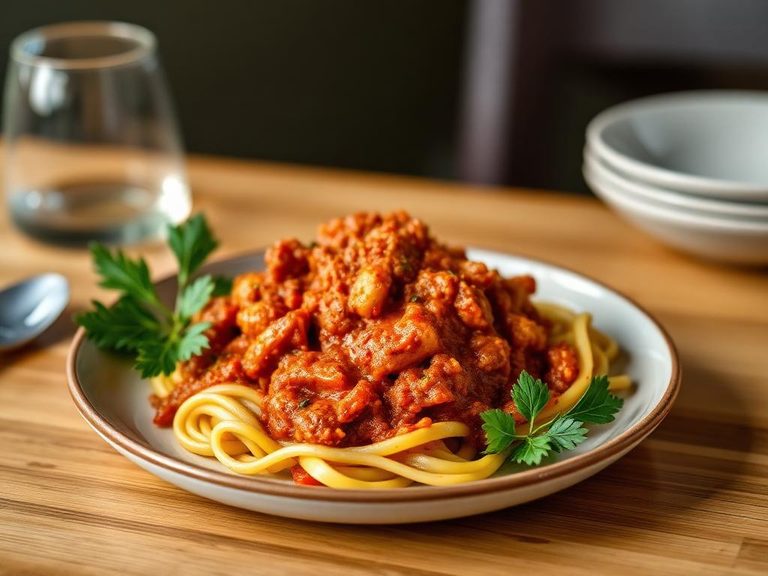
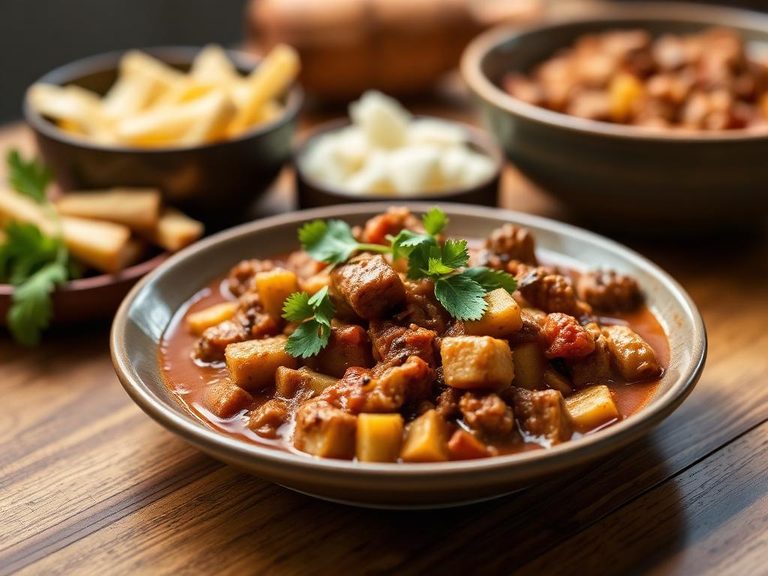
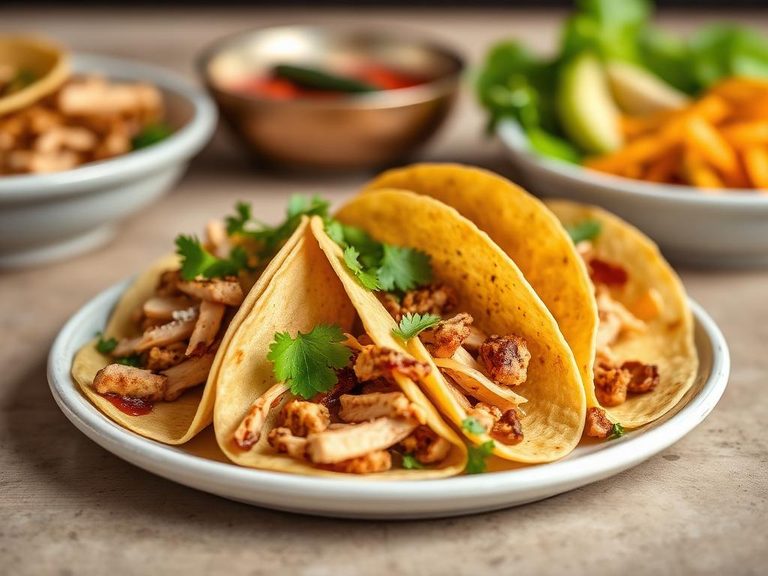

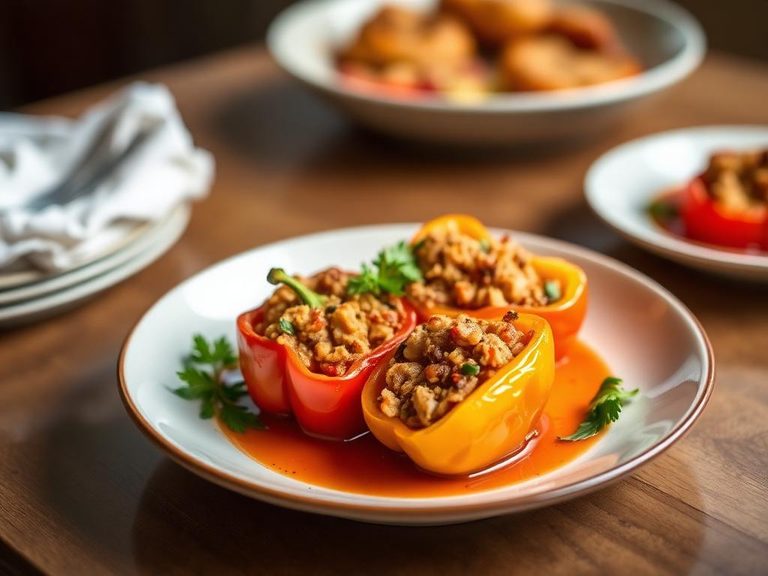
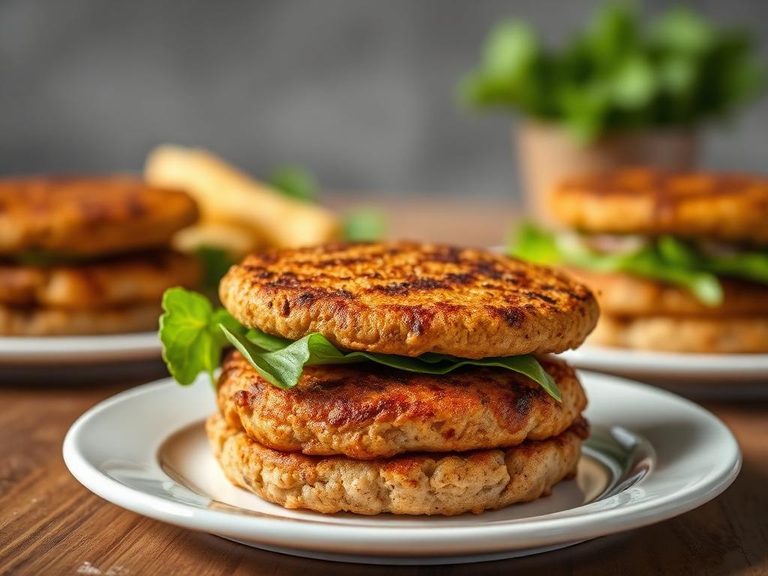
🌍 Where it's eaten
💡 Did you know?
The USDA defines 'fat-free' meat as containing less than 0.5 grams of fat per serving, meaning this ground turkey is technically not *zero* fat, but effectively so.
Full nutrition (USDA data · scales with serving)
| Water | 74.7 g |
| Energy | 112 kcal |
| Energy | 468 kj |
| Protein | 23.6 g |
| Total lipid (fat) | 1.9 g |
| Ash | 1.1 g |
| Carbohydrate, by difference | 0.00 g |
| Fiber, total dietary | 0.00 g |
| Total Sugars | 0.00 g |
| Calcium, Ca | 3.0 mg |
| Iron, Fe | 0.77 mg |
| Magnesium, Mg | 29.0 mg |
| Phosphorus, P | 227 mg |
| Potassium, K | 295 mg |
| Sodium, Na | 51.0 mg |
| Zinc, Zn | 1.8 mg |
| Copper, Cu | 0.06 mg |
| Manganese, Mn | 0.01 mg |
| Selenium, Se | 22.1 ug |
| Vitamin C, total ascorbic acid | 0.00 mg |
| Thiamin | 0.06 mg |
| Riboflavin | 0.10 mg |
| Niacin | 9.7 mg |
| Pantothenic acid | 0.88 mg |
| Vitamin B-6 | 0.86 mg |
| Folate, total | 8.0 ug |
| Folic acid | 0.00 ug |
| Folate, food | 8.0 ug |
| Folate, DFE | 8.0 ug |
| Choline, total | 47.9 mg |
| Betaine | 5.4 mg |
| Vitamin B-12 | 0.51 ug |
| Vitamin B-12, added | 0.00 ug |
| Vitamin A, RAE | 7.0 ug |
| Retinol | 7.0 ug |
| Carotene, beta | 0.00 ug |
| Carotene, alpha | 0.00 ug |
| Cryptoxanthin, beta | 0.00 ug |
| Vitamin A, IU | 25.0 iu |
| Lycopene | 0.00 ug |
| Lutein + zeaxanthin | 0.00 ug |
| Vitamin E (alpha-tocopherol) | 0.07 mg |
| Vitamin E, added | 0.00 mg |
| Tocopherol, beta | 0.01 mg |
| Tocopherol, gamma | 0.09 mg |
| Tocopherol, delta | 0.02 mg |
| Tocotrienol, alpha | 0.01 mg |
| Tocotrienol, beta | 0.00 mg |
| Tocotrienol, gamma | 0.01 mg |
| Tocotrienol, delta | 0.00 mg |
| Vitamin D (D2 + D3), International Units | 14.0 iu |
| Vitamin D (D2 + D3) | 0.40 ug |
| Vitamin K (phylloquinone) | 0.00 ug |
| Alcohol, ethyl | 0.00 g |
| Caffeine | 0.00 mg |
| Theobromine | 0.00 mg |
Fat & fatty acid profile (per 100g)
| Fatty acids, total saturated | 0.49 g |
| SFA 4:0 | 0.00 g |
| SFA 6:0 | 0.00 g |
| SFA 8:0 | 0.00 g |
| SFA 10:0 | 0.00 g |
| SFA 12:0 | 0.00 g |
| SFA 14:0 | 0.01 g |
| SFA 15:0 | 0.00 g |
| SFA 16:0 | 0.30 g |
| SFA 17:0 | 0.00 g |
| SFA 18:0 | 0.16 g |
| SFA 20:0 | 0.00 g |
| SFA 22:0 | 0.00 g |
| SFA 24:0 | 0.00 g |
| Fatty acids, total monounsaturated | 0.51 g |
| MUFA 14:1 | 0.00 g |
| MUFA 15:1 | 0.00 g |
| MUFA 16:1 | 0.04 g |
| MUFA 16:1 c | 0.04 g |
| MUFA 17:1 | 0.01 g |
| MUFA 18:1 | 0.46 g |
| MUFA 18:1 c | 0.45 g |
| MUFA 20:1 | 0.01 g |
| MUFA 22:1 | 0.00 g |
| MUFA 22:1 c | 0.00 g |
| MUFA 24:1 c | 0.00 g |
| Fatty acids, total polyunsaturated | 0.59 g |
| PUFA 18:2 | 0.46 g |
| PUFA 18:2 n-6 c,c | 0.45 g |
| PUFA 18:2 CLAs | 0.00 g |
| PUFA 18:3 | 0.02 g |
| PUFA 18:3 n-3 c,c,c (ALA) | 0.02 g |
| PUFA 18:3 n-6 c,c,c | 0.00 g |
| PUFA 18:3i | 0.00 g |
| PUFA 18:4 | 0.00 g |
| PUFA 20:2 n-6 c,c | 0.00 g |
| PUFA 20:3 | 0.00 g |
| PUFA 20:3 n-3 | 0.00 g |
| PUFA 20:3 n-6 | 0.00 g |
| PUFA 20:4 | 0.07 g |
| PUFA 20:5 n-3 (EPA) | 0.00 g |
| PUFA 22:4 | 0.01 g |
| PUFA 22:5 n-3 (DPA) | 0.01 g |
| PUFA 22:6 n-3 (DHA) | 0.01 g |
| Fatty acids, total trans | 0.02 g |
| Fatty acids, total trans-monoenoic | 0.01 g |
| TFA 16:1 t | 0.00 g |
| TFA 18:1 t | 0.01 g |
| TFA 22:1 t | 0.00 g |
| TFA 18:2 t not further defined | 0.00 g |
| Fatty acids, total trans-polyenoic | 0.00 g |
| Cholesterol | 55.0 mg |
Amino acid profile (per 100g)
| Tryptophan | 0.27 g |
| Threonine | 1.1 g |
| Isoleucine | 1.1 g |
| Leucine | 1.9 g |
| Lysine | 2.1 g |
| Methionine | 0.69 g |
| Cystine | 0.25 g |
| Phenylalanine | 0.92 g |
| Tyrosine | 0.83 g |
| Valine | 1.1 g |
| Arginine | 1.7 g |
| Histidine | 0.69 g |
| Alanine | 1.5 g |
| Aspartic acid | 2.3 g |
| Glutamic acid | 3.8 g |
| Glycine | 1.3 g |
| Proline | 1.0 g |
| Serine | 1.00 g |
| Hydroxyproline | 0.09 g |
FAQ
How do I prevent fat-free ground turkey from drying out?
Cook it over medium heat just until no longer pink, and avoid over-stirring or pressing down on it. Incorporating it directly into sauces, stews, or mixing with diced vegetables helps retain moisture.
Is it safe to eat raw in dishes like tartare?
No. Ground poultry, including turkey, must be cooked to a safe internal temperature of 165°F (74°C) to eliminate potential bacteria like Salmonella.
How does its nutrition compare to ground beef?
Fat-free ground turkey is significantly lower in fat and calories than most ground beef, while providing a comparable or higher amount of protein per serving.
Nutrient density (calculated · NRF9.3)
Nutrient Rich Foods index: beneficial nutrients (protein, fiber, vitamins, minerals) minus saturated fat, added sugar & sodium, per 100 kcal.
NRF9.3 index — Fulgoni, Keast & Drewnowski, 2009. Computed from USDA nutrients.
Weight-loss friendliness (composite index)
Energy density 1.12 kcal/g · 84% calories from protein · 0.0 g fiber · 0.0 g sugar per 100 g.
Composite of energy density (Rolls et al., 1999), protein & fiber satiety, minus sugar. A calculated heuristic — ranks satiety-per-calorie, not a clinical measure.
Dietary load (calculated from USDA values)
Potential renal acid load. Positive = acid-forming, negative = alkaline-forming.
Sodium-to-potassium ratio: 0.17 (lower is better — aim for ≤ 1)
Sodium:potassium per WHO potassium guidance. Computed from USDA nutrients.