

Turkey, ground, 85% lean, 15% fat, raw
Whole food · Poultry Products

Photo: Wikipedia
Ground turkey (85% lean) is a finely minced, pale pink meat with a mild, slightly sweet flavor and a tender, crumbly texture when cooked. It's a lean protein powerhouse, offering nearly 17 grams of protein per 100g with zero carbs, making it a staple for health-conscious cooking. Its neutral taste acts as a blank canvas, readily absorbing herbs, spices, and sauces from any cuisine.
Calorie split: 37% protein · 0% carbs · 63% fat
↓ Full nutrition💚 Why it's loved
People love it for its incredible versatility and mild flavor, which makes it an easy substitute in recipes from tacos to meatballs. It's also prized as a leaner, lighter protein option that doesn't sacrifice the satisfying texture of ground meat in comfort food classics.
⚠️ Watch-outs & how to enjoy it better
The lower fat content can lead to dryness if overcooked, and some find its flavor less robust than ground beef. To counteract dryness, mix in moisture-rich ingredients like grated onion, mushrooms, or a splash of broth, and avoid pressing the patties or cooking them past 165°F (74°C).
Key benefits
- Excellent source of high-quality, complete protein
- Very low in carbohydrates and sugars
- Versatile base for countless global dishes
- Generally lower in saturated fat than many ground red meats
- Provides key nutrients like selenium and B vitamins
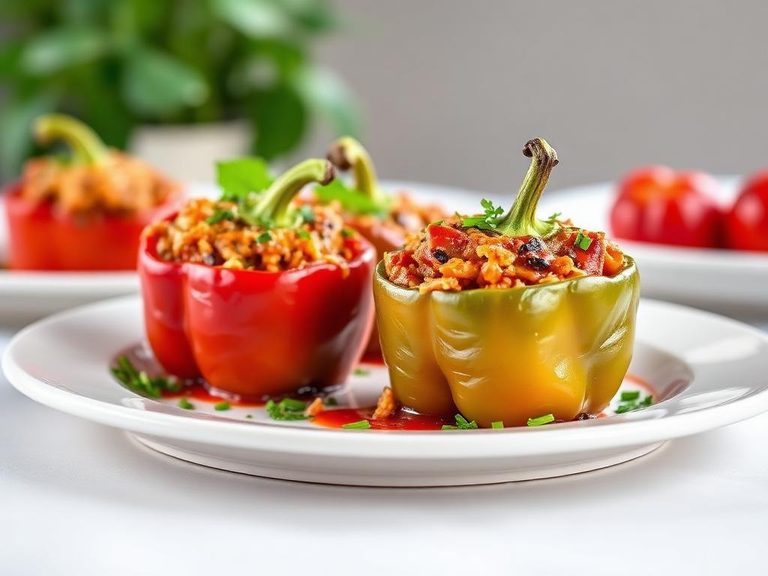
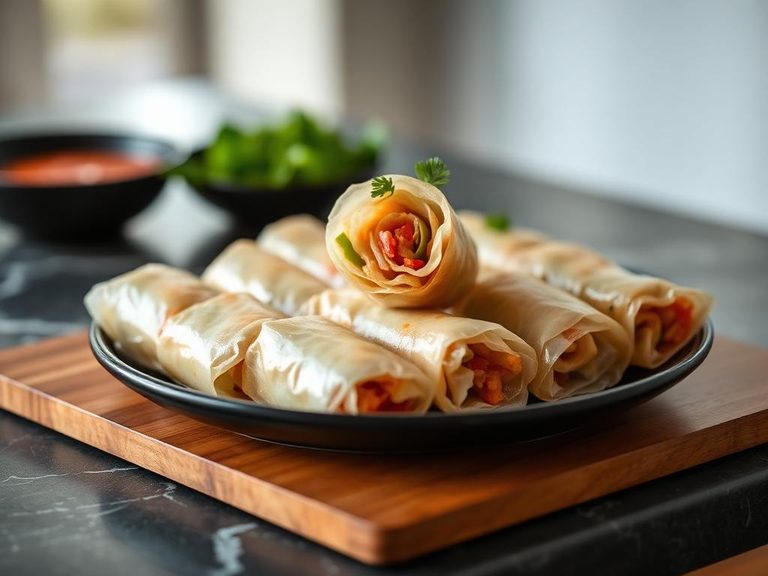
🍽️ Popular dishes
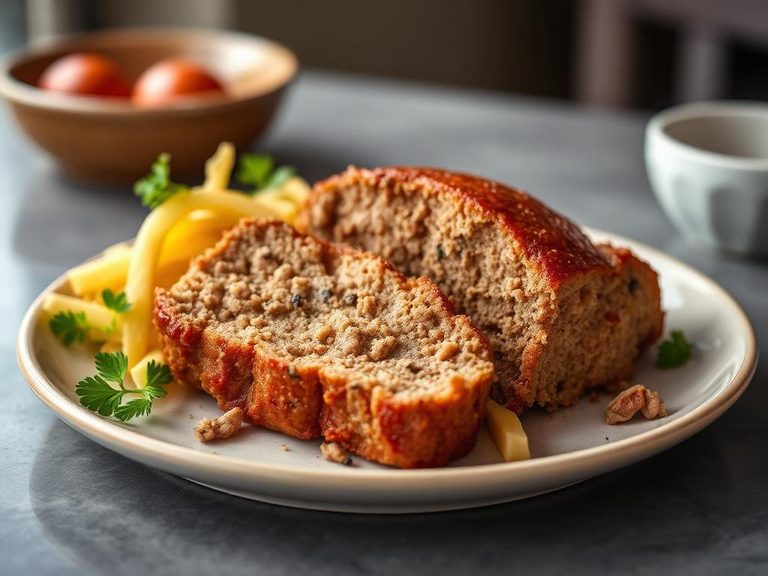
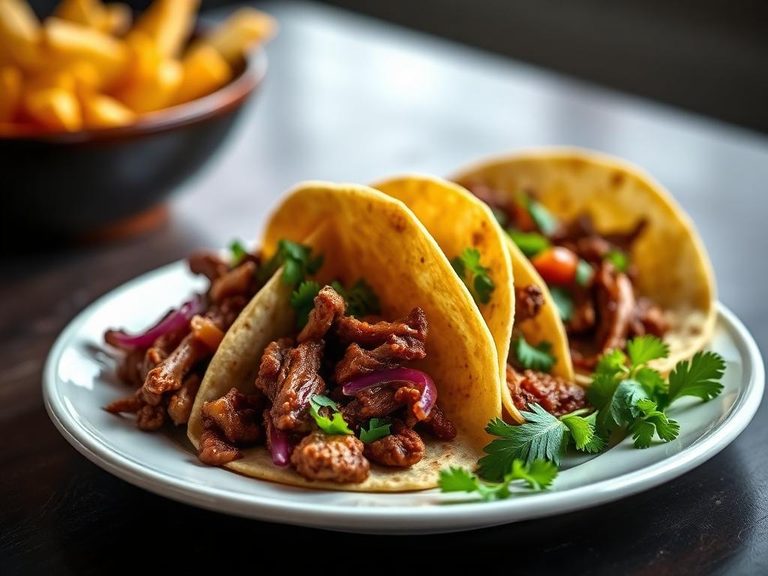
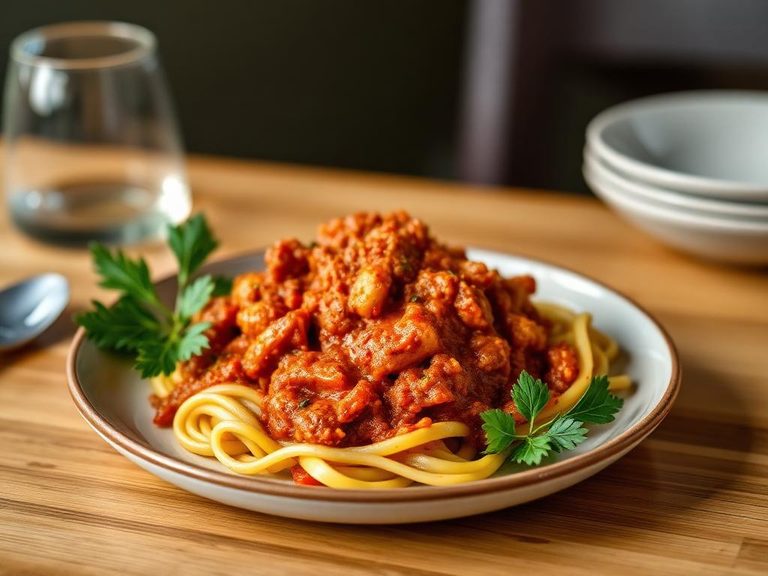
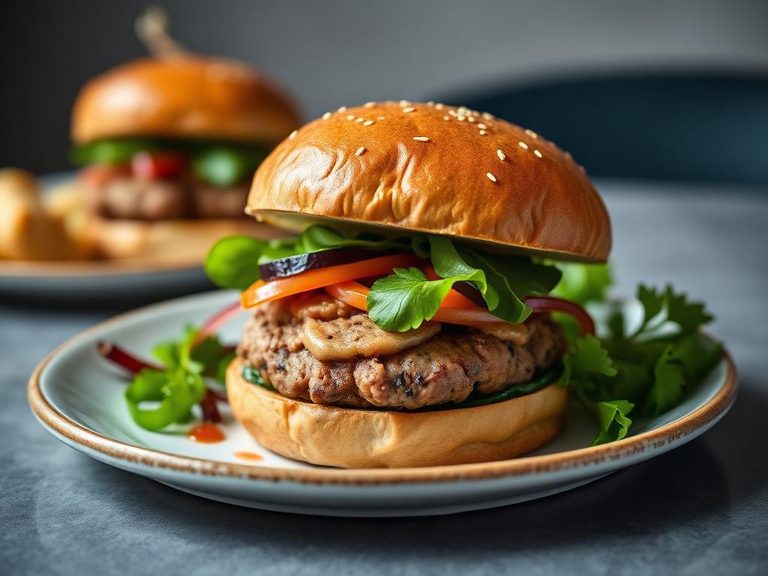
🌍 Where it's eaten
💡 Did you know?
The USDA defines 'ground turkey' as a mix of light and dark meat from the whole bird, while 'ground turkey breast' must be made from just the breast, affecting both color and fat content.
Full nutrition (USDA data · scales with serving)
| Water | 69.7 g |
| Energy | 180 kcal |
| Energy | 755 kj |
| Protein | 16.9 g |
| Total lipid (fat) | 12.5 g |
| Ash | 0.96 g |
| Carbohydrate, by difference | 0.00 g |
| Fiber, total dietary | 0.00 g |
| Total Sugars | 0.00 g |
| Calcium, Ca | 33.0 mg |
| Iron, Fe | 1.3 mg |
| Magnesium, Mg | 19.0 mg |
| Phosphorus, P | 179 mg |
| Potassium, K | 202 mg |
| Sodium, Na | 54.0 mg |
| Zinc, Zn | 2.8 mg |
| Copper, Cu | 0.12 mg |
| Manganese, Mn | 0.01 mg |
| Selenium, Se | 24.6 ug |
| Vitamin C, total ascorbic acid | 0.00 mg |
| Thiamin | 0.07 mg |
| Riboflavin | 0.18 mg |
| Niacin | 5.1 mg |
| Pantothenic acid | 1.1 mg |
| Vitamin B-6 | 0.48 mg |
| Folate, total | 6.0 ug |
| Folic acid | 0.00 ug |
| Folate, food | 6.0 ug |
| Folate, DFE | 6.0 ug |
| Choline, total | 51.6 mg |
| Betaine | 6.4 mg |
| Vitamin B-12 | 1.3 ug |
| Vitamin B-12, added | 0.00 ug |
| Vitamin A, RAE | 30.0 ug |
| Retinol | 30.0 ug |
| Carotene, beta | 0.00 ug |
| Carotene, alpha | 0.00 ug |
| Cryptoxanthin, beta | 0.00 ug |
| Vitamin A, IU | 101 iu |
| Lycopene | 0.00 ug |
| Lutein + zeaxanthin | 0.00 ug |
| Vitamin E (alpha-tocopherol) | 0.08 mg |
| Vitamin E, added | 0.00 mg |
| Tocopherol, beta | 0.00 mg |
| Tocopherol, gamma | 0.08 mg |
| Tocopherol, delta | 0.01 mg |
| Tocotrienol, alpha | 0.03 mg |
| Tocotrienol, beta | 0.00 mg |
| Tocotrienol, gamma | 0.02 mg |
| Tocotrienol, delta | 0.00 mg |
| Vitamin D (D2 + D3), International Units | 14.0 iu |
| Vitamin D (D2 + D3) | 0.40 ug |
| Vitamin K (phylloquinone) | 0.00 ug |
| Alcohol, ethyl | 0.00 g |
| Caffeine | 0.00 mg |
| Theobromine | 0.00 mg |
Fat & fatty acid profile (per 100g)
| Fatty acids, total saturated | 3.4 g |
| SFA 4:0 | 0.00 g |
| SFA 6:0 | 0.00 g |
| SFA 8:0 | 0.00 g |
| SFA 10:0 | 0.01 g |
| SFA 12:0 | 0.02 g |
| SFA 14:0 | 0.12 g |
| SFA 15:0 | 0.02 g |
| SFA 16:0 | 2.3 g |
| SFA 17:0 | 0.04 g |
| SFA 18:0 | 0.91 g |
| SFA 20:0 | 0.01 g |
| SFA 22:0 | 0.00 g |
| SFA 24:0 | 0.00 g |
| Fatty acids, total monounsaturated | 4.6 g |
| MUFA 14:1 | 0.02 g |
| MUFA 15:1 | 0.00 g |
| MUFA 16:1 | 0.38 g |
| MUFA 16:1 c | 0.37 g |
| MUFA 17:1 | 0.02 g |
| MUFA 18:1 | 4.1 g |
| MUFA 18:1 c | 3.9 g |
| MUFA 20:1 | 0.05 g |
| MUFA 22:1 | 0.00 g |
| MUFA 22:1 c | 0.00 g |
| MUFA 24:1 c | 0.01 g |
| Fatty acids, total polyunsaturated | 3.5 g |
| PUFA 18:2 | 3.1 g |
| PUFA 18:2 n-6 c,c | 3.0 g |
| PUFA 18:2 CLAs | 0.02 g |
| PUFA 18:3 | 0.17 g |
| PUFA 18:3 n-3 c,c,c (ALA) | 0.17 g |
| PUFA 18:3 n-6 c,c,c | 0.01 g |
| PUFA 18:3i | 0.00 g |
| PUFA 18:4 | 0.00 g |
| PUFA 20:2 n-6 c,c | 0.02 g |
| PUFA 20:3 | 0.01 g |
| PUFA 20:3 n-3 | 0.00 g |
| PUFA 20:3 n-6 | 0.01 g |
| PUFA 20:4 | 0.11 g |
| PUFA 20:5 n-3 (EPA) | 0.01 g |
| PUFA 22:4 | 0.02 g |
| PUFA 22:5 n-3 (DPA) | 0.01 g |
| PUFA 22:6 n-3 (DHA) | 0.01 g |
| Fatty acids, total trans | 0.18 g |
| Fatty acids, total trans-monoenoic | 0.14 g |
| TFA 16:1 t | 0.01 g |
| TFA 18:1 t | 0.13 g |
| TFA 22:1 t | 0.00 g |
| TFA 18:2 t not further defined | 0.04 g |
| Fatty acids, total trans-polyenoic | 0.04 g |
| Cholesterol | 78.0 mg |
Amino acid profile (per 100g)
| Tryptophan | 0.19 g |
| Threonine | 0.78 g |
| Isoleucine | 0.76 g |
| Leucine | 1.4 g |
| Lysine | 1.5 g |
| Methionine | 0.50 g |
| Cystine | 0.18 g |
| Phenylalanine | 0.66 g |
| Tyrosine | 0.60 g |
| Valine | 0.78 g |
| Arginine | 1.2 g |
| Histidine | 0.50 g |
| Alanine | 1.1 g |
| Aspartic acid | 1.6 g |
| Glutamic acid | 2.7 g |
| Glycine | 0.93 g |
| Proline | 0.75 g |
| Serine | 0.72 g |
| Hydroxyproline | 0.20 g |
FAQ
How do I keep ground turkey from being dry and bland?
Don't overmix the meat, as this makes it tough. For moisture and flavor, mix in finely grated onion, garlic, or mushrooms. Use a panade (milk and breadcrumb paste) in meatballs or meatloaf. Cook just until no longer pink inside (165°F/74°C) and let it rest briefly before serving.
Is ground turkey healthier than ground beef?
Generally, yes. A 85% lean turkey patty typically has less saturated fat and fewer calories than an 85% lean beef patty. However, the nutritional difference depends on the exact leanness of both. Turkey is an excellent lean protein choice for a heart-healthy diet.
What does 85% lean / 15% fat mean?
It means the raw product is composed of 85% lean meat tissue and 15% fat by weight. This ratio is a good balance for flavor and juiciness while still being a lean protein source. Lower fat percentages (e.g., 93/7) will be drier, while higher fat (e.g., 70/30) will be richer.
Nutrient density (calculated · NRF9.3)
Nutrient Rich Foods index: beneficial nutrients (protein, fiber, vitamins, minerals) minus saturated fat, added sugar & sodium, per 100 kcal.
NRF9.3 index — Fulgoni, Keast & Drewnowski, 2009. Computed from USDA nutrients.
Weight-loss friendliness (composite index)
Energy density 1.80 kcal/g · 38% calories from protein · 0.0 g fiber · 0.0 g sugar per 100 g.
Composite of energy density (Rolls et al., 1999), protein & fiber satiety, minus sugar. A calculated heuristic — ranks satiety-per-calorie, not a clinical measure.
Dietary load (calculated from USDA values)
Potential renal acid load. Positive = acid-forming, negative = alkaline-forming.
Sodium-to-potassium ratio: 0.27 (lower is better — aim for ≤ 1)
Sodium:potassium per WHO potassium guidance. Computed from USDA nutrients.