

Restaurant, family style, coleslaw
Whole food · Restaurant Foods

Photo: Wikipedia
A crisp, creamy salad of shredded cabbage and carrots bound in a tangy, sweet dressing, often with a mayonnaise base. Its texture is a satisfying crunch against a smooth, rich coating, delivering a balance of savory, sweet, and acidic notes. Nutritionally, it's a high-fat, moderate-carb side, with the fat primarily from the dressing.
Calorie split: 2% protein · 31% carbs · 67% fat
↓ Full nutrition💚 Why it's loved
People love it for its refreshing crunch and the way its creamy, tangy dressing cuts through richer, heavier foods like barbecue or fried chicken. It's a versatile, nostalgic staple at potlucks and family gatherings, representing comfort and simplicity.
⚠️ Watch-outs & how to enjoy it better
The high fat and sugar content from the dressing can make it calorie-dense, and store-bought versions are often high in sodium, which may concern those monitoring blood pressure or blood sugar. To counteract this, opt for homemade versions with less sugar and mayo, or pair it with a lean protein like grilled chicken to balance the meal. Choosing a vinegar-based dressing can also reduce fat and sugar intake.
Key benefits
- Provides dietary fiber from cabbage and carrots
- Contains vitamin K and vitamin C from cruciferous vegetables
- Offers a quick source of energy from carbohydrates
- Can be a source of healthy fats if made with quality oils
- Adds volume and crunch to meals without excessive calories
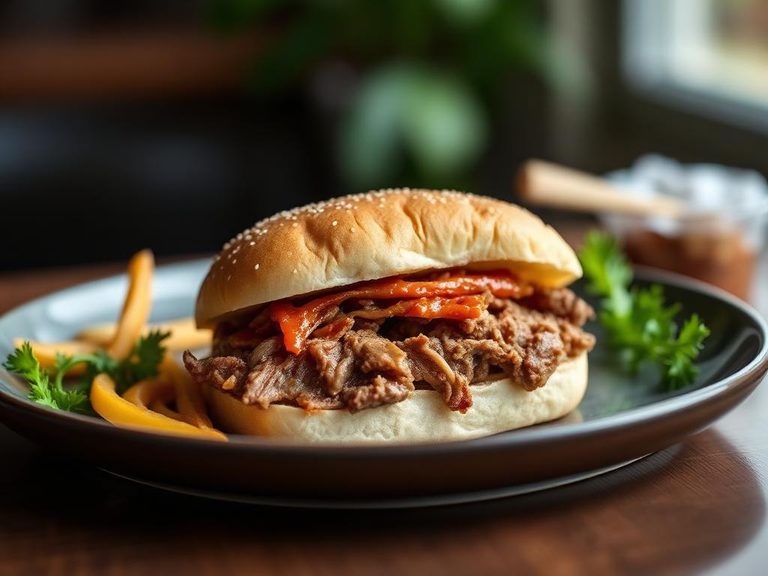
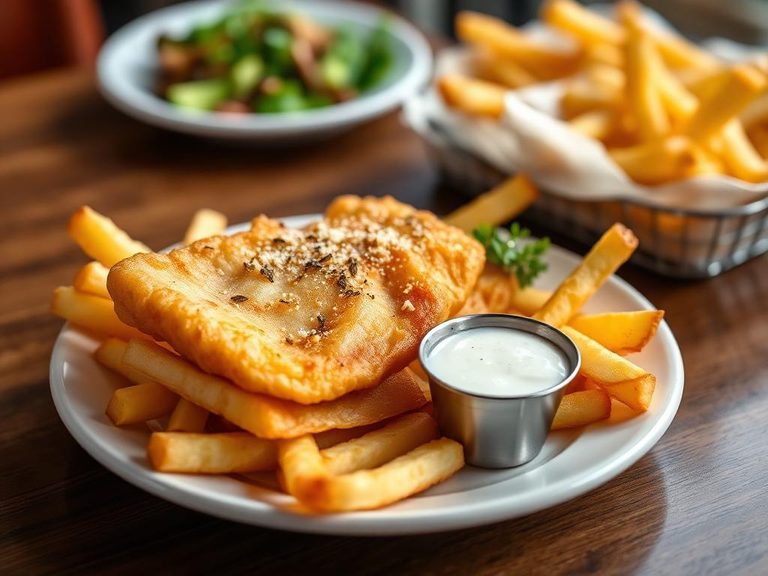
🍽️ Popular dishes

🌍 Where it's eaten
💡 Did you know?
The word 'coleslaw' derives from the Dutch term 'koolsla,' meaning 'cabbage salad,' reflecting its 18th-century origins among Dutch settlers in America.
Full nutrition (USDA data · scales with serving)
| Water | 74.0 g |
| Energy | 159 kcal |
| Energy | 665 kj |
| Protein | 0.88 g |
| Total lipid (fat) | 11.8 g |
| Ash | 0.95 g |
| Carbohydrate, by difference | 12.3 g |
| Fiber, total dietary | 1.9 g |
| Total Sugars | 9.5 g |
| Sucrose | 2.9 g |
| Glucose | 3.5 g |
| Fructose | 2.9 g |
| Lactose | 0.00 g |
| Maltose | 0.00 g |
| Galactose | 0.00 g |
| Starch | 0.07 g |
| Calcium, Ca | 34.0 mg |
| Iron, Fe | 0.30 mg |
| Magnesium, Mg | 10.0 mg |
| Phosphorus, P | 25.0 mg |
| Potassium, K | 153 mg |
| Sodium, Na | 221 mg |
| Zinc, Zn | 0.18 mg |
| Copper, Cu | 0.02 mg |
| Manganese, Mn | 0.15 mg |
| Selenium, Se | 1.9 ug |
| Vitamin C, total ascorbic acid | 13.7 mg |
| Thiamin | 0.03 mg |
| Riboflavin | 0.06 mg |
| Niacin | 0.28 mg |
| Pantothenic acid | 0.26 mg |
| Vitamin B-6 | 0.12 mg |
| Folate, total | 25.0 ug |
| Folic acid | 0.00 ug |
| Folate, food | 25.0 ug |
| Folate, DFE | 25.0 ug |
| Choline, total | 8.2 mg |
| Betaine | 0.30 mg |
| Vitamin B-12 | 0.00 ug |
| Vitamin B-12, added | 0.00 ug |
| Vitamin A, RAE | 54.0 ug |
| Retinol | 5.0 ug |
| Carotene, beta | 456 ug |
| Carotene, alpha | 262 ug |
| Cryptoxanthin, beta | 2.0 ug |
| Vitamin A, IU | 996 iu |
| Lycopene | 4.0 ug |
| Lutein + zeaxanthin | 67.0 ug |
| Vitamin E (alpha-tocopherol) | 0.80 mg |
| Vitamin E, added | 0.00 mg |
| Tocopherol, beta | 0.10 mg |
| Tocopherol, gamma | 6.9 mg |
| Tocopherol, delta | 2.4 mg |
| Tocotrienol, alpha | 0.00 mg |
| Tocotrienol, beta | 0.00 mg |
| Tocotrienol, gamma | 0.02 mg |
| Tocotrienol, delta | 0.00 mg |
| Vitamin D (D2 + D3), International Units | 0.00 iu |
| Vitamin D (D2 + D3) | 0.00 ug |
| Vitamin K (phylloquinone) | 79.0 ug |
| Vitamin K (Dihydrophylloquinone) | 0.00 ug |
| Vitamin K (Menaquinone-4) | 0.00 ug |
| Alcohol, ethyl | 0.00 g |
| Caffeine | 0.00 mg |
| Theobromine | 0.00 mg |
Fat & fatty acid profile (per 100g)
| Fatty acids, total saturated | 1.9 g |
| SFA 4:0 | 0.00 g |
| SFA 6:0 | 0.00 g |
| SFA 8:0 | 0.00 g |
| SFA 10:0 | 0.00 g |
| SFA 12:0 | 0.00 g |
| SFA 14:0 | 0.01 g |
| SFA 15:0 | 0.00 g |
| SFA 16:0 | 1.3 g |
| SFA 17:0 | 0.01 g |
| SFA 18:0 | 0.52 g |
| SFA 20:0 | 0.04 g |
| SFA 22:0 | 0.04 g |
| SFA 24:0 | 0.01 g |
| Fatty acids, total monounsaturated | 2.6 g |
| MUFA 14:1 | 0.00 g |
| MUFA 15:1 | 0.00 g |
| MUFA 16:1 | 0.02 g |
| MUFA 16:1 c | 0.02 g |
| MUFA 17:1 | 0.01 g |
| MUFA 18:1 | 2.5 g |
| MUFA 18:1 c | 2.5 g |
| MUFA 20:1 | 0.05 g |
| MUFA 22:1 | 0.01 g |
| MUFA 22:1 c | 0.01 g |
| MUFA 24:1 c | 0.00 g |
| Fatty acids, total polyunsaturated | 6.9 g |
| PUFA 18:2 | 6.0 g |
| PUFA 18:2 n-6 c,c | 6.0 g |
| PUFA 18:2 CLAs | 0.01 g |
| PUFA 18:3 | 0.88 g |
| PUFA 18:3 n-3 c,c,c (ALA) | 0.84 g |
| PUFA 18:3 n-6 c,c,c | 0.04 g |
| PUFA 18:3i | 0.00 g |
| PUFA 18:4 | 0.00 g |
| PUFA 20:2 n-6 c,c | 0.01 g |
| PUFA 20:3 | 0.00 g |
| PUFA 20:3 n-3 | 0.00 g |
| PUFA 20:3 n-6 | 0.00 g |
| PUFA 20:4 | 0.01 g |
| PUFA 20:5 n-3 (EPA) | 0.00 g |
| PUFA 22:4 | 0.00 g |
| PUFA 22:5 n-3 (DPA) | 0.00 g |
| PUFA 22:6 n-3 (DHA) | 0.00 g |
| Fatty acids, total trans | 0.06 g |
| Fatty acids, total trans-monoenoic | 0.01 g |
| TFA 16:1 t | 0.00 g |
| TFA 18:1 t | 0.01 g |
| TFA 22:1 t | 0.00 g |
| TFA 18:2 t not further defined | 0.05 g |
| Fatty acids, total trans-polyenoic | 0.05 g |
| Cholesterol | 8.0 mg |
Amino acid profile (per 100g)
Estimated from Restaurant, Mexican, soft taco with ground beef, cheese and lettuce — USDA does not publish this profile for Restaurant.
| Tryptophan | 0.13 g |
| Threonine | 0.47 g |
| Isoleucine | 0.50 g |
| Leucine | 1.0 g |
| Lysine | 0.94 g |
| Methionine | 0.28 g |
| Cystine | 0.15 g |
| Phenylalanine | 0.60 g |
| Tyrosine | 0.37 g |
| Valine | 0.59 g |
| Arginine | 0.70 g |
| Histidine | 0.32 g |
| Alanine | 0.64 g |
| Aspartic acid | 0.95 g |
| Glutamic acid | 2.3 g |
| Glycine | 0.67 g |
| Proline | 1.9 g |
| Serine | 0.54 g |
| Hydroxyproline | 0.27 g |
FAQ
Is coleslaw healthy?
It can be part of a balanced diet. It provides fiber and vitamins from cabbage, but its healthiness depends heavily on the dressing. Creamy, mayo-based versions are high in fat and calories, while vinegar-based slaws are lighter.
Why is my homemade coleslaw watery?
Cabbage naturally releases water when salted or mixed with dressing. To prevent sogginess, you can salt the shredded cabbage and let it sit for an hour to draw out moisture, then rinse and pat dry before adding the dressing.
How long does coleslaw last in the fridge?
Homemade coleslaw is best eaten within 3-4 days for optimal freshness and texture. Store-bought, unopened slaw can last until its use-by date, but once opened, it should be consumed within a few days.
Nutrient density (calculated · NRF9.3)
Nutrient Rich Foods index: beneficial nutrients (protein, fiber, vitamins, minerals) minus saturated fat, added sugar & sodium, per 100 kcal.
NRF9.3 index — Fulgoni, Keast & Drewnowski, 2009. Computed from USDA nutrients.
Weight-loss friendliness (composite index)
Energy density 1.59 kcal/g · 2% calories from protein · 1.9 g fiber · 9.5 g sugar per 100 g.
Composite of energy density (Rolls et al., 1999), protein & fiber satiety, minus sugar. A calculated heuristic — ranks satiety-per-calorie, not a clinical measure.
Dietary load (calculated from USDA values)
Potential renal acid load. Positive = acid-forming, negative = alkaline-forming.
Sodium-to-potassium ratio: 1.44 (lower is better — aim for ≤ 1)
Sodium:potassium per WHO potassium guidance. Computed from USDA nutrients.