

Refried beans, canned, traditional, reduced sodium
Whole food · Legumes and Legume Products
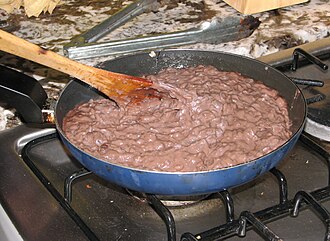
Photo: Wikipedia
Refried beans are cooked, mashed pinto beans traditionally fried in lard, creating a creamy, savory paste with a rich, earthy flavor and a smooth, slightly chunky texture. This canned, reduced-sodium version offers a convenient, lower-salt take on the classic, delivering a solid 5 grams of protein and nearly 4 grams of fiber per 100-gram serving. It's a staple for quick, hearty meals, balancing a comforting taste with practical nutrition.
Calorie split: 22% protein · 59% carbs · 20% fat
↓ Full nutrition💚 Why it's loved
People love refried beans for their deep, savory umami flavor and incredibly versatile, creamy texture that acts as both a dip and a filling. They are a cornerstone of Mexican and Tex-Mex cuisine, evoking comfort and tradition in dishes from breakfast to dinner.
⚠️ Watch-outs & how to enjoy it better
Despite being reduced-sodium, canned versions can still contain significant salt, which may be a concern for those monitoring blood pressure. The mashed texture and carb content can also lead to quicker blood sugar spikes for some individuals. To counteract this, pair them with a source of protein (like eggs or cheese) and healthy fat (like avocado), and stick to a controlled portion of about half a cup.
Key benefits
- Excellent plant-based protein source for muscle maintenance.
- High in dietary fiber to support digestion and promote fullness.
- Low in fat, especially saturated fat, compared to traditional lard-fried versions.
- Provides essential minerals like iron, magnesium, and potassium.
- Reduced sodium content helps manage daily salt intake.
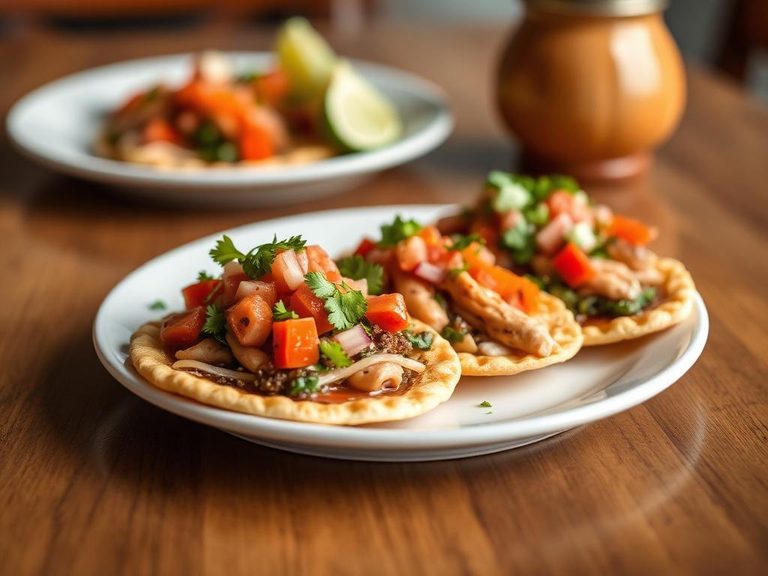
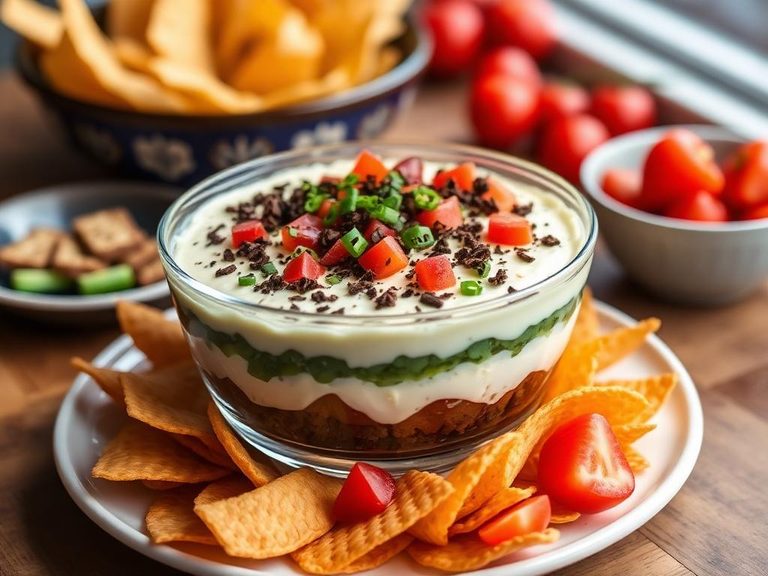
🍽️ Popular dishes
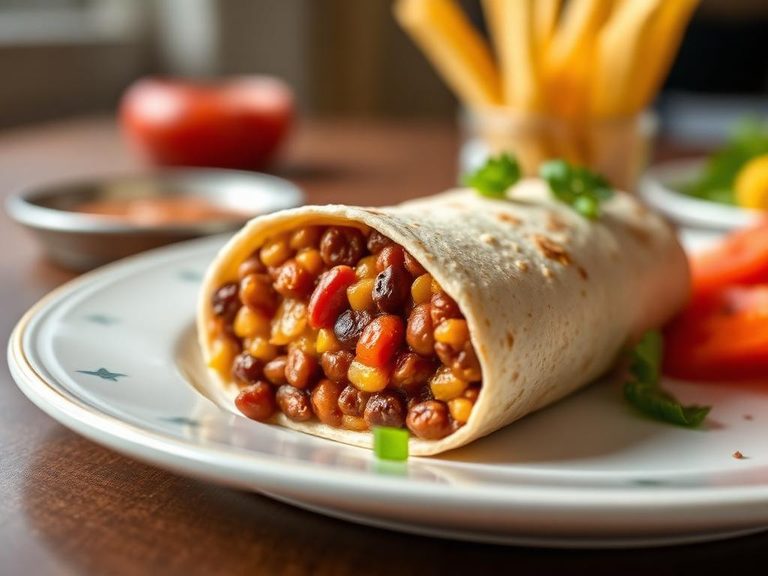
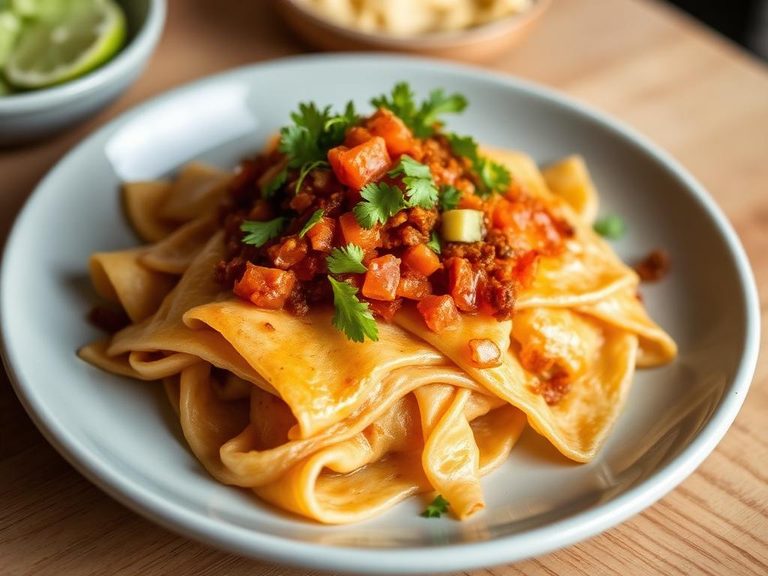

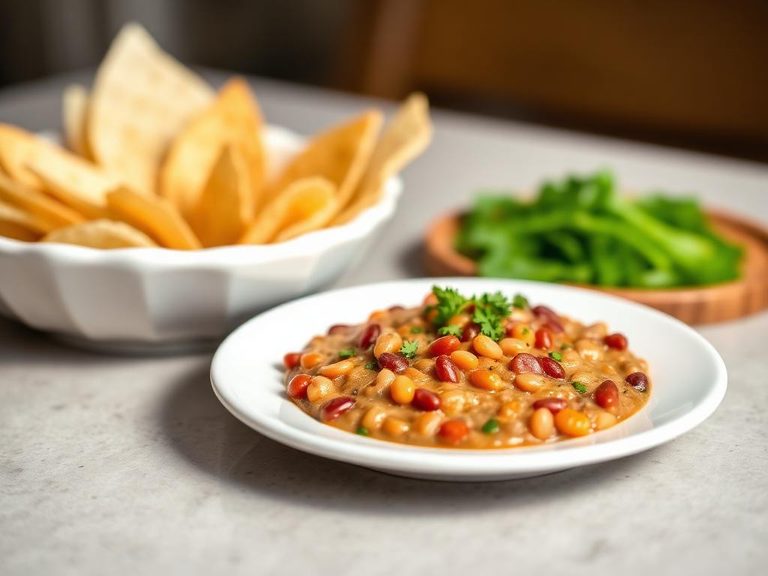
🌍 Where it's eaten
💡 Did you know?
The name 'refried' is a misleading English translation of the Spanish 'frijoles refritos,' which actually means 'well-fried beans'—the 're-' prefix in Spanish can imply thoroughness, not repetition.
Full nutrition (USDA data · scales with serving)
| Water | 77.8 g |
| Energy | 89.0 kcal |
| Energy | 373 kj |
| Protein | 5.0 g |
| Total lipid (fat) | 2.0 g |
| Ash | 1.7 g |
| Carbohydrate, by difference | 13.6 g |
| Fiber, total dietary | 3.7 g |
| Total Sugars | 0.54 g |
| Sucrose | 0.54 g |
| Glucose | 0.00 g |
| Fructose | 0.00 g |
| Lactose | 0.00 g |
| Maltose | 0.00 g |
| Galactose | 0.00 g |
| Starch | 7.4 g |
| Calcium, Ca | 29.0 mg |
| Iron, Fe | 1.4 mg |
| Magnesium, Mg | 35.0 mg |
| Phosphorus, P | 92.0 mg |
| Potassium, K | 319 mg |
| Sodium, Na | 138 mg |
| Zinc, Zn | 0.58 mg |
| Copper, Cu | 0.13 mg |
| Manganese, Mn | 0.29 mg |
| Selenium, Se | 5.8 ug |
| Vitamin C, total ascorbic acid | 0.80 mg |
| Thiamin | 0.08 mg |
| Riboflavin | 0.08 mg |
| Niacin | 0.37 mg |
| Pantothenic acid | 0.19 mg |
| Vitamin B-6 | 0.10 mg |
| Folate, total | 26.0 ug |
| Folic acid | 0.00 ug |
| Folate, food | 26.0 ug |
| Folate, DFE | 26.0 ug |
| Choline, total | 22.7 mg |
| Vitamin B-12 | 0.00 ug |
| Vitamin B-12, added | 0.00 ug |
| Vitamin A, RAE | 0.00 ug |
| Retinol | 0.00 ug |
| Carotene, beta | 0.00 ug |
| Carotene, alpha | 0.00 ug |
| Cryptoxanthin, beta | 0.00 ug |
| Vitamin A, IU | 0.00 iu |
| Lycopene | 0.00 ug |
| Lutein + zeaxanthin | 0.00 ug |
| Vitamin E (alpha-tocopherol) | 0.09 mg |
| Vitamin E, added | 0.00 mg |
| Tocopherol, beta | 0.00 mg |
| Tocopherol, gamma | 0.81 mg |
| Tocopherol, delta | 0.00 mg |
| Tocotrienol, alpha | 0.00 mg |
| Tocotrienol, beta | 0.00 mg |
| Tocotrienol, gamma | 0.08 mg |
| Tocotrienol, delta | 0.00 mg |
| Vitamin D (D2 + D3), International Units | 0.00 iu |
| Vitamin D (D2 + D3) | 0.00 ug |
| Vitamin K (phylloquinone) | 2.3 ug |
| Alcohol, ethyl | 0.00 g |
| Caffeine | 0.00 mg |
| Theobromine | 0.00 mg |
Fat & fatty acid profile (per 100g)
| Fatty acids, total saturated | 0.63 g |
| SFA 4:0 | 0.00 g |
| SFA 6:0 | 0.00 g |
| SFA 8:0 | 0.00 g |
| SFA 10:0 | 0.00 g |
| SFA 12:0 | 0.00 g |
| SFA 14:0 | 0.02 g |
| SFA 15:0 | 0.00 g |
| SFA 16:0 | 0.39 g |
| SFA 17:0 | 0.01 g |
| SFA 18:0 | 0.19 g |
| SFA 20:0 | 0.00 g |
| SFA 22:0 | 0.00 g |
| SFA 24:0 | 0.00 g |
| Fatty acids, total monounsaturated | 0.60 g |
| MUFA 14:1 | 0.00 g |
| MUFA 15:1 | 0.00 g |
| MUFA 16:1 | 0.02 g |
| MUFA 16:1 c | 0.02 g |
| MUFA 17:1 | 0.00 g |
| MUFA 18:1 | 0.56 g |
| MUFA 18:1 c | 0.55 g |
| MUFA 20:1 | 0.01 g |
| MUFA 22:1 | 0.00 g |
| MUFA 22:1 c | 0.00 g |
| MUFA 24:1 c | 0.00 g |
| Fatty acids, total polyunsaturated | 0.54 g |
| PUFA 18:2 | 0.36 g |
| PUFA 18:2 n-6 c,c | 0.36 g |
| PUFA 18:2 CLAs | 0.00 g |
| PUFA 18:3 | 0.17 g |
| PUFA 18:3 n-3 c,c,c (ALA) | 0.17 g |
| PUFA 18:3 n-6 c,c,c | 0.00 g |
| PUFA 18:4 | 0.00 g |
| PUFA 20:2 n-6 c,c | 0.01 g |
| PUFA 20:3 | 0.00 g |
| PUFA 20:3 n-3 | 0.00 g |
| PUFA 20:3 n-6 | 0.00 g |
| PUFA 20:4 | 0.00 g |
| PUFA 20:5 n-3 (EPA) | 0.00 g |
| PUFA 22:4 | 0.00 g |
| PUFA 22:5 n-3 (DPA) | 0.00 g |
| PUFA 22:6 n-3 (DHA) | 0.00 g |
| Fatty acids, total trans | 0.02 g |
| Fatty acids, total trans-monoenoic | 0.01 g |
| TFA 16:1 t | 0.00 g |
| TFA 18:1 t | 0.01 g |
| TFA 22:1 t | 0.00 g |
| TFA 18:2 t not further defined | 0.00 g |
| Fatty acids, total trans-polyenoic | 0.00 g |
| Cholesterol | 0.00 mg |
Amino acid profile (per 100g)
| Tryptophan | 0.06 g |
| Threonine | 0.18 g |
| Isoleucine | 0.23 g |
| Leucine | 0.42 g |
| Lysine | 0.35 g |
| Methionine | 0.07 g |
| Cystine | 0.05 g |
| Phenylalanine | 0.29 g |
| Tyrosine | 0.12 g |
| Valine | 0.29 g |
| Arginine | 0.27 g |
| Histidine | 0.14 g |
| Alanine | 0.23 g |
| Aspartic acid | 0.62 g |
| Glutamic acid | 0.80 g |
| Glycine | 0.20 g |
| Proline | 0.28 g |
| Serine | 0.31 g |
FAQ
Are refried beans vegan?
Traditional recipes use lard (animal fat), but many canned and restaurant versions now use vegetable oil. Always check the ingredient list for 'lard' or 'manteca' to be sure.
How do I reduce the sodium even further?
Rinse the beans thoroughly under cold water in a colander before heating. This can wash away a portion of the surface sodium. You can also dilute them with a splash of water or unsalted broth.
Can I eat them straight from the can?
Yes, they are fully cooked. However, they are best heated gently in a saucepan with a small amount of water or oil to improve texture and flavor. Stir frequently to prevent scorching.
Nutrient density (calculated · NRF9.3)
Nutrient Rich Foods index: beneficial nutrients (protein, fiber, vitamins, minerals) minus saturated fat, added sugar & sodium, per 100 kcal.
NRF9.3 index — Fulgoni, Keast & Drewnowski, 2009. Computed from USDA nutrients.
Weight-loss friendliness (composite index)
Energy density 0.89 kcal/g · 22% calories from protein · 3.7 g fiber · 0.5 g sugar per 100 g.
Composite of energy density (Rolls et al., 1999), protein & fiber satiety, minus sugar. A calculated heuristic — ranks satiety-per-calorie, not a clinical measure.
Dietary load (calculated from USDA values)
Potential renal acid load. Positive = acid-forming, negative = alkaline-forming.
Sodium-to-potassium ratio: 0.43 (lower is better — aim for ≤ 1)
Sodium:potassium per WHO potassium guidance. Computed from USDA nutrients.