

Peanut butter, smooth style, with salt
Whole food · Legumes and Legume Products
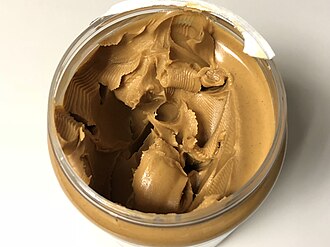
Photo: Wikipedia
Smooth peanut butter with salt is a rich, creamy paste made from roasted, ground peanuts, offering a deep, nutty flavor with a savory edge. Its velvety texture makes it a versatile staple, from spreading on toast to blending into sauces. Nutritionally, it's a calorie-dense powerhouse, delivering substantial protein and healthy fats per serving.
Calorie split: 14% protein · 14% carbs · 72% fat
↓ Full nutrition💚 Why it's loved
People adore its classic, comforting taste—a perfect balance of salty and nutty that feels both indulgent and wholesome. Its incredible versatility allows it to be a simple snack, a key ingredient in global cuisines, or a nostalgic childhood favorite.
⚠️ Watch-outs & how to enjoy it better
The high calorie and fat content can be a concern for weight management if portions aren't controlled. Its sodium content may affect those monitoring salt intake, and it's a common allergen. To counteract, pair it with fiber-rich foods like apple slices to slow digestion, measure servings (e.g., 2 tablespoons), and choose low-sodium versions if needed.
Key benefits
- High in plant-based protein (22.5g per 100g) for muscle maintenance.
- Rich in monounsaturated fats, supporting heart health.
- Provides dietary fiber (4.8g per 100g) for digestive health.
- Good source of essential minerals like magnesium and potassium.
- Quick, energy-dense snack for sustained satiety.
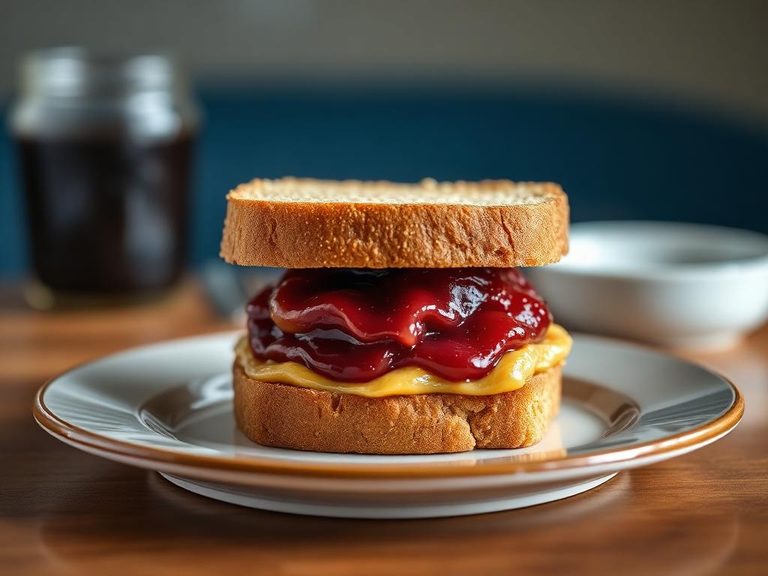
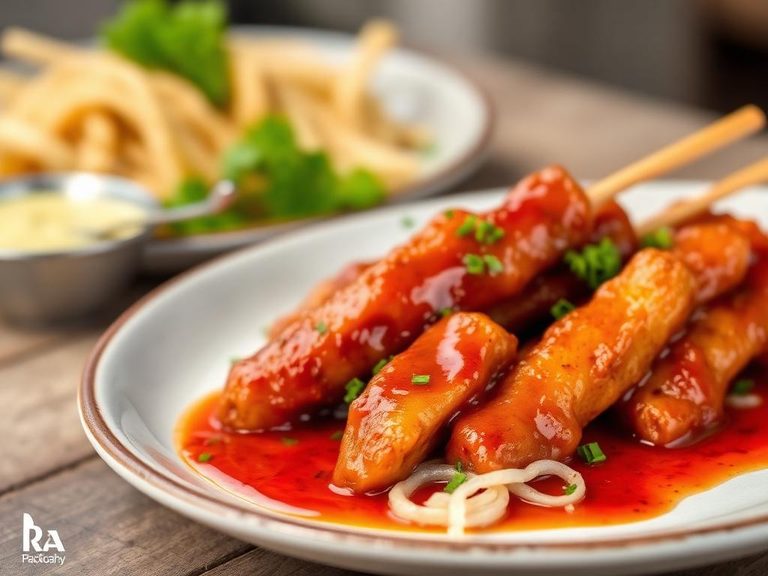
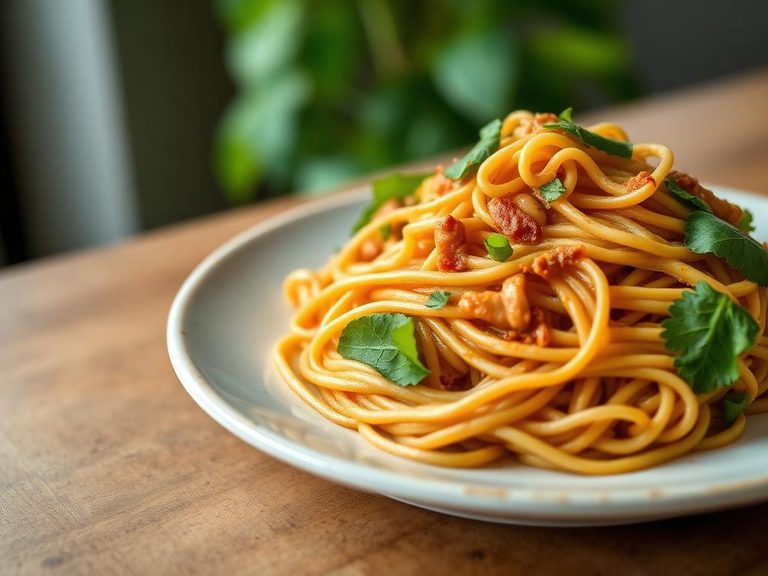
🍽️ Popular dishes
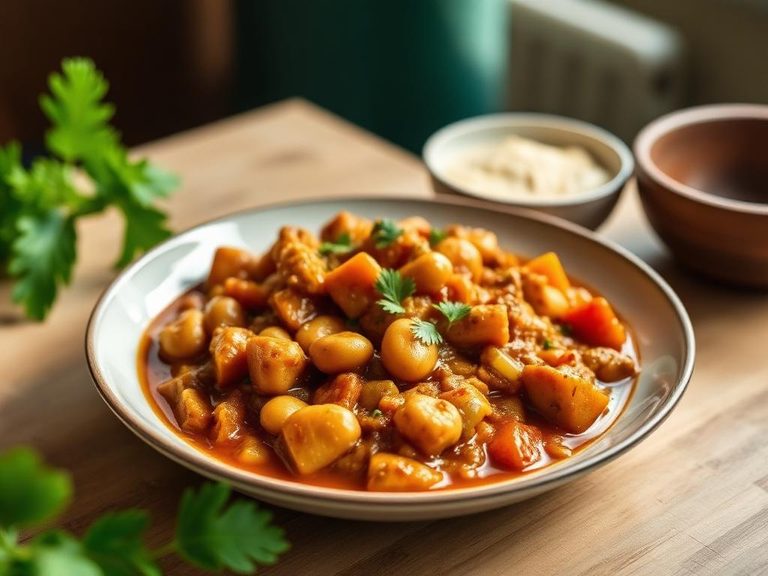
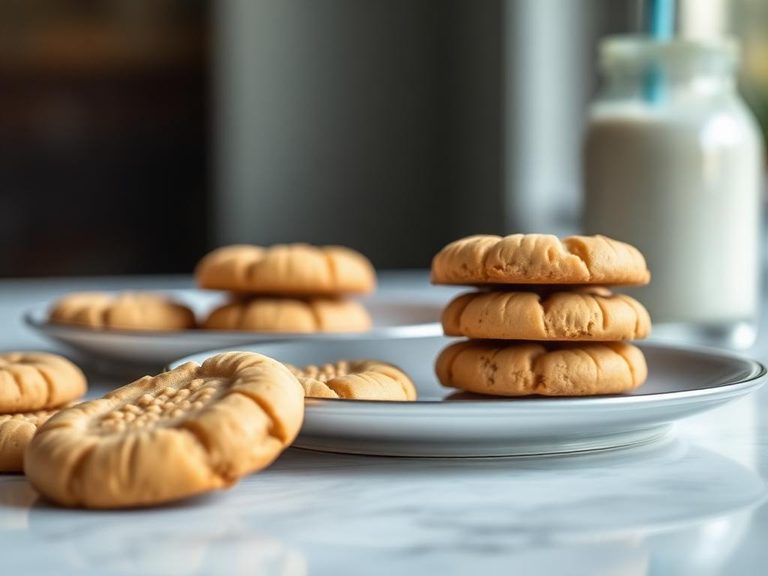
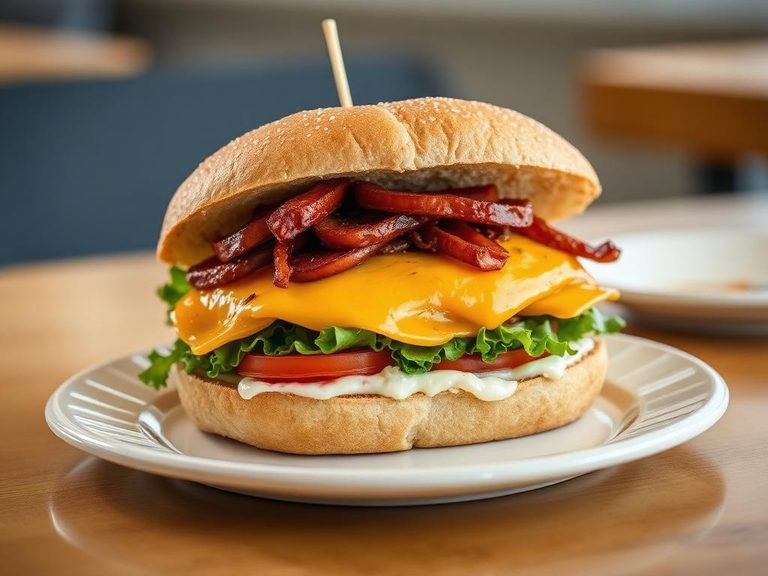
🌍 Where it's eaten
💡 Did you know?
It takes about 540 peanuts to make one 12-ounce jar of peanut butter.
Full nutrition (USDA data · scales with serving)
| Water | 1.2 g |
| Energy (Atwater General Factors) | 639 kcal |
| Energy (Atwater Specific Factors) | 597 kcal |
| Energy | 597 kcal |
| Energy | 2500 kj |
| Nitrogen | 4.1 g |
| Protein | 22.5 g |
| Total lipid (fat) | 51.1 g |
| Total fat (NLEA) | 47.9 g |
| Ash | 2.9 g |
| Carbohydrate, by difference | 22.3 g |
| Carbohydrate, by summation | 19.0 g |
| Fiber, total dietary | 4.8 g |
| Sugars, Total | 10.5 g |
| Sucrose | 10.2 g |
| Glucose | 0.14 g |
| Fructose | 0.13 g |
| Lactose | 0.00 g |
| Maltose | 0.00 g |
| Galactose | 0.00 g |
| Starch | 3.6 g |
| Calcium, Ca | 49.0 mg |
| Iron, Fe | 1.7 mg |
| Magnesium, Mg | 169 mg |
| Phosphorus, P | 339 mg |
| Potassium, K | 564 mg |
| Sodium, Na | 429 mg |
| Zinc, Zn | 2.5 mg |
| Copper, Cu | 0.42 mg |
| Manganese, Mn | 1.7 mg |
| Selenium, Se | 4.1 ug |
| Thiamin | 0.14 mg |
| Riboflavin | 0.19 mg |
| Niacin | 13.3 mg |
| Pantothenic acid | 1.1 mg |
| Vitamin B-6 | 0.44 mg |
| Folate, total | 86.0 ug |
| Vitamin E (alpha-tocopherol) | 9.1 mg |
| Tocopherol, beta | 0.52 mg |
| Tocopherol, gamma | 7.5 mg |
| Tocopherol, delta | 0.69 mg |
| Tocotrienol, alpha | 0.00 mg |
| Tocotrienol, beta | 0.00 mg |
| Tocotrienol, gamma | 0.00 mg |
| Tocotrienol, delta | 0.00 mg |
Fat & fatty acid profile (per 100g)
| Fatty acids, total saturated | 10.1 g |
| SFA 4:0 | 0.00 g |
| SFA 6:0 | 0.00 g |
| SFA 8:0 | 0.00 g |
| SFA 10:0 | 0.00 g |
| SFA 11:0 | 0.00 g |
| SFA 12:0 | 0.00 g |
| SFA 14:0 | 0.02 g |
| SFA 15:0 | 0.01 g |
| SFA 16:0 | 4.8 g |
| SFA 17:0 | 0.05 g |
| SFA 18:0 | 2.2 g |
| SFA 20:0 | 0.71 g |
| SFA 22:0 | 1.7 g |
| SFA 24:0 | 0.73 g |
| Fatty acids, total monounsaturated | 25.4 g |
| MUFA 14:1 c | 0.00 g |
| MUFA 15:1 | 0.00 g |
| MUFA 16:1 c | 0.03 g |
| MUFA 17:1 | 0.03 g |
| MUFA 17:1 c | 0.03 g |
| MUFA 18:1 c | 24.7 g |
| MUFA 20:1 | 0.58 g |
| MUFA 20:1 c | 0.58 g |
| MUFA 22:1 c | 0.04 g |
| MUFA 24:1 c | 0.00 g |
| Fatty acids, total polyunsaturated | 12.3 g |
| PUFA 18:2 c | 12.2 g |
| PUFA 18:2 n-6 c,c | 12.2 g |
| PUFA 18:2 CLAs | 0.01 g |
| PUFA 18:3 c | 0.03 g |
| PUFA 18:3 n-3 c,c,c (ALA) | 0.03 g |
| PUFA 18:3 n-6 c,c,c | 0.00 g |
| PUFA 18:3i | 0.00 g |
| PUFA 18:4 | 0.00 g |
| PUFA 20:2 c | 0.01 g |
| PUFA 20:2 n-6 c,c | 0.01 g |
| PUFA 20:3 c | 0.01 g |
| PUFA 20:3 n-3 | 0.01 g |
| PUFA 20:3 n-6 | 0.00 g |
| PUFA 20:3 n-9 | 0.00 g |
| PUFA 20:4 | 0.02 g |
| PUFA 20:4c | 0.02 g |
| PUFA 20:5c | 0.00 g |
| PUFA 20:5 n-3 (EPA) | 0.00 g |
| PUFA 22:2 | 0.00 g |
| PUFA 22:5 c | 0.00 g |
| PUFA 22:4 | 0.00 g |
| PUFA 22:5 n-3 (DPA) | 0.00 g |
| PUFA 22:6 c | 0.00 g |
| PUFA 22:6 n-3 (DHA) | 0.00 g |
| Fatty acids, total trans | 0.06 g |
| Fatty acids, total trans-monoenoic | 0.04 g |
| TFA 16:1 t | 0.00 g |
| TFA 18:1 t | 0.03 g |
| TFA 22:1 t | 0.00 g |
| Fatty acids, total trans-dienoic | 0.02 g |
| TFA 18:2 t not further defined | 0.02 g |
Amino acid profile (per 100g)
Estimated from Peanut butter, smooth style, with salt (Includes foods for USDA's Food Distribution Program) — USDA does not publish this profile for Peanut butter.
| Tryptophan | 0.23 g |
| Threonine | 0.53 g |
| Isoleucine | 0.62 g |
| Leucine | 1.5 g |
| Lysine | 0.68 g |
| Methionine | 0.27 g |
| Cystine | 0.23 g |
| Phenylalanine | 1.2 g |
| Tyrosine | 0.83 g |
| Valine | 0.78 g |
| Arginine | 2.8 g |
| Histidine | 0.56 g |
| Alanine | 0.92 g |
| Aspartic acid | 3.1 g |
| Glutamic acid | 5.1 g |
| Glycine | 1.4 g |
| Proline | 1.4 g |
| Serine | 1.5 g |
FAQ
Is smooth peanut butter healthier than crunchy?
Nutritionally, they are nearly identical. The difference is texture; crunchy has peanut pieces, which some prefer for added crunch, but the base ingredients and calorie count are the same.
Why does the oil separate in natural peanut butter?
Natural peanut butter lacks stabilizers like hydrogenated oils. The oil from the peanuts naturally rises to the top. Simply stir it back in before use; it's a sign of a less processed product.
Can I eat peanut butter on a low-carb diet?
Yes, in moderation. With about 22g of carbs per 100g, it can fit into low-carb plans. Choose varieties with no added sugar, and be mindful of portion sizes to keep net carbs in check.
Nutrient density (calculated · NRF9.3)
Nutrient Rich Foods index: beneficial nutrients (protein, fiber, vitamins, minerals) minus saturated fat, added sugar & sodium, per 100 kcal.
NRF9.3 index — Fulgoni, Keast & Drewnowski, 2009. Computed from USDA nutrients.
Weight-loss friendliness (composite index)
Energy density 5.97 kcal/g · 15% calories from protein · 4.8 g fiber · 0.0 g sugar per 100 g.
Composite of energy density (Rolls et al., 1999), protein & fiber satiety, minus sugar. A calculated heuristic — ranks satiety-per-calorie, not a clinical measure.
Dietary load (calculated from USDA values)
Potential renal acid load. Positive = acid-forming, negative = alkaline-forming.
Sodium-to-potassium ratio: 0.76 (lower is better — aim for ≤ 1)
Sodium:potassium per WHO potassium guidance. Computed from USDA nutrients.