

Peanut butter, chunk style, with salt
Whole food · Legumes and Legume Products
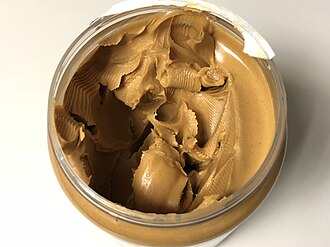
Photo: Wikipedia
Chunky peanut butter is a rich, textured spread made from roasted peanuts, with a satisfying crunch and a salty-savory flavor profile. It's a calorie-dense powerhouse, packing nearly 50g of fat and 24g of protein per 100g, making it a very satiating food.
Calorie split: 15% protein · 14% carbs · 71% fat
↓ Full nutrition💚 Why it's loved
People adore it for the perfect balance of salty and savory, combined with the enjoyable textural contrast of crunchy peanut pieces. It's a beloved, versatile staple in countless kitchens, from simple sandwiches to complex sauces.
⚠️ Watch-outs & how to enjoy it better
As a high-calorie, high-fat food, overconsumption can contribute to weight gain. It is also a major common allergen and contains added salt, which can be a concern for those monitoring sodium intake. To enjoy it mindfully, practice portion control (e.g., 2 tablespoons) and pair it with fiber-rich foods like celery or whole-grain bread to enhance satiety.
Key benefits
- Excellent source of plant-based protein for muscle maintenance.
- High in monounsaturated fats, which support heart health.
- Provides dietary fiber and essential minerals like magnesium.
- A quick, calorie-dense energy source for active individuals.
🍽️ Popular dishes
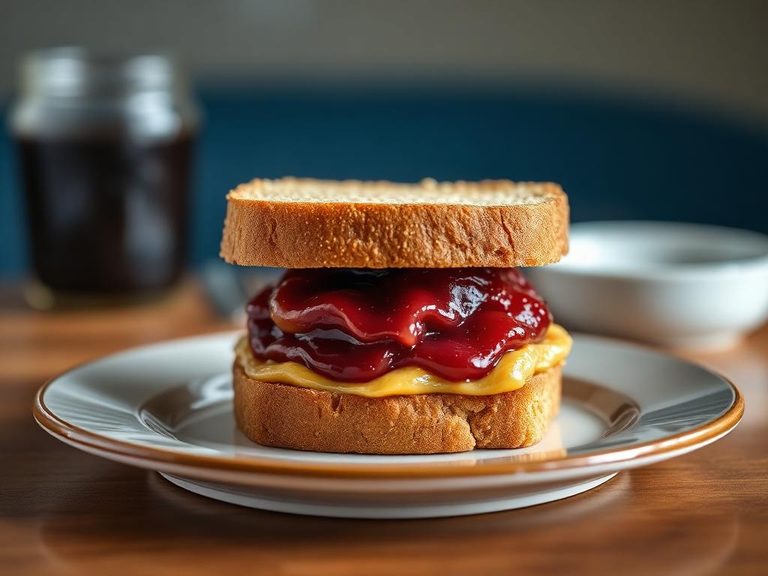
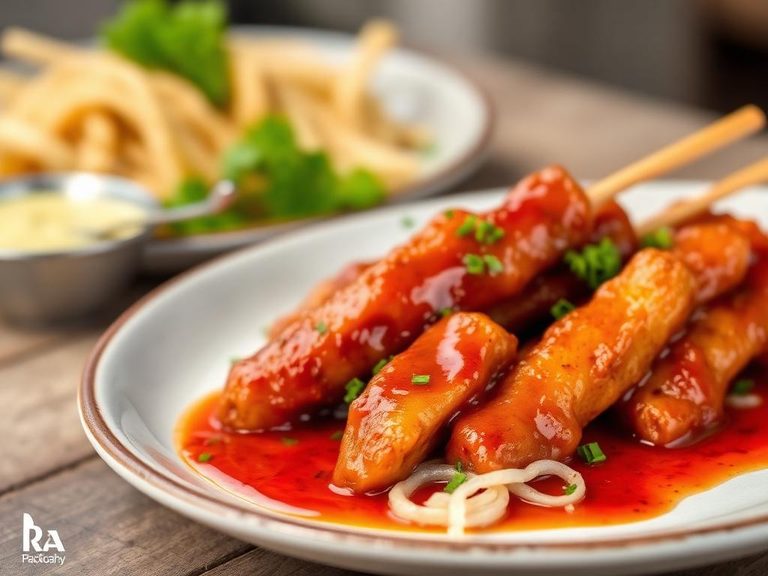
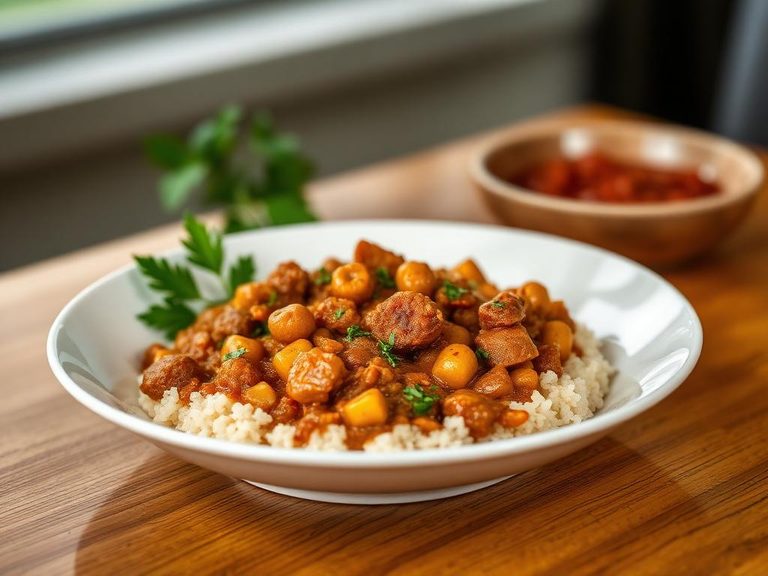
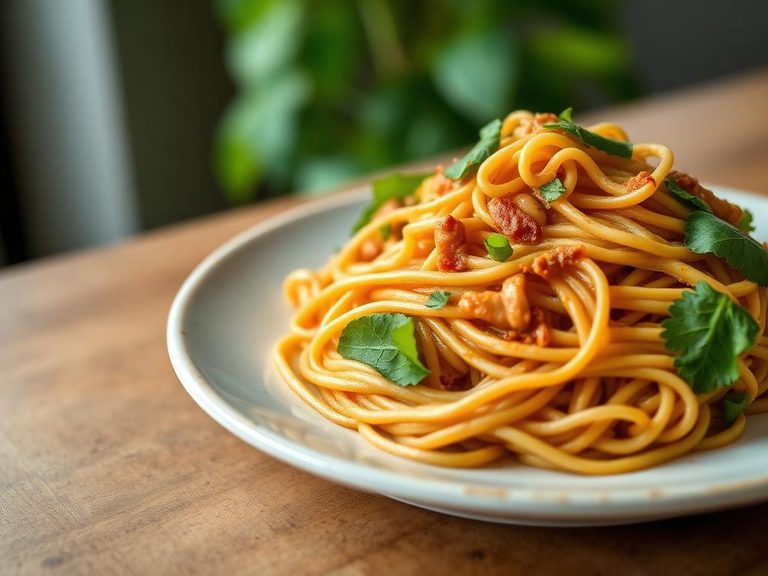
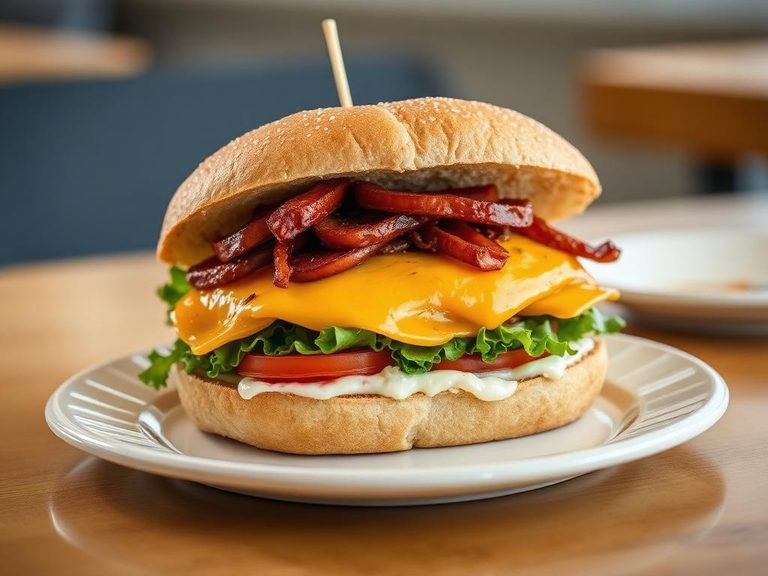
🌍 Where it's eaten
💡 Did you know?
It takes about 540 peanuts to make one 12-ounce jar of peanut butter.
Full nutrition (USDA data · scales with serving)
| Water | 1.1 g |
| Energy | 589 kcal |
| Energy | 2464 kj |
| Protein | 24.1 g |
| Total lipid (fat) | 49.9 g |
| Ash | 3.3 g |
| Carbohydrate, by difference | 21.6 g |
| Fiber, total dietary | 8.0 g |
| Total Sugars | 8.4 g |
| Sucrose | 4.2 g |
| Glucose | 4.2 g |
| Fructose | 0.00 g |
| Lactose | 0.00 g |
| Maltose | 0.00 g |
| Galactose | 0.00 g |
| Starch | 4.9 g |
| Calcium, Ca | 45.0 mg |
| Iron, Fe | 1.9 mg |
| Magnesium, Mg | 160 mg |
| Phosphorus, P | 319 mg |
| Potassium, K | 745 mg |
| Sodium, Na | 486 mg |
| Zinc, Zn | 2.8 mg |
| Copper, Cu | 0.58 mg |
| Manganese, Mn | 1.8 mg |
| Selenium, Se | 8.2 ug |
| Fluoride, F | 3.1 ug |
| Vitamin C, total ascorbic acid | 0.00 mg |
| Thiamin | 0.11 mg |
| Riboflavin | 0.11 mg |
| Niacin | 13.7 mg |
| Pantothenic acid | 1.1 mg |
| Vitamin B-6 | 0.42 mg |
| Folate, total | 92.0 ug |
| Folic acid | 0.00 ug |
| Folate, food | 92.0 ug |
| Folate, DFE | 92.0 ug |
| Choline, total | 61.3 mg |
| Betaine | 1.0 mg |
| Vitamin B-12 | 0.00 ug |
| Vitamin B-12, added | 0.00 ug |
| Vitamin A, RAE | 0.00 ug |
| Retinol | 0.00 ug |
| Carotene, beta | 0.00 ug |
| Carotene, alpha | 0.00 ug |
| Cryptoxanthin, beta | 0.00 ug |
| Vitamin A, IU | 0.00 iu |
| Lycopene | 0.00 ug |
| Lutein + zeaxanthin | 0.00 ug |
| Vitamin E (alpha-tocopherol) | 6.3 mg |
| Vitamin E, added | 0.00 mg |
| Tocopherol, beta | 0.22 mg |
| Tocopherol, gamma | 8.0 mg |
| Tocopherol, delta | 0.73 mg |
| Tocotrienol, alpha | 0.00 mg |
| Tocotrienol, beta | 0.00 mg |
| Tocotrienol, gamma | 0.00 mg |
| Tocotrienol, delta | 0.00 mg |
| Vitamin D (D2 + D3), International Units | 0.00 iu |
| Vitamin D (D2 + D3) | 0.00 ug |
| Vitamin K (phylloquinone) | 0.50 ug |
| Vitamin K (Dihydrophylloquinone) | 0.50 ug |
| Alcohol, ethyl | 0.00 g |
| Caffeine | 0.00 mg |
| Theobromine | 0.00 mg |
Fat & fatty acid profile (per 100g)
| Fatty acids, total saturated | 7.6 g |
| SFA 4:0 | 0.00 g |
| SFA 6:0 | 0.00 g |
| SFA 8:0 | 0.00 g |
| SFA 10:0 | 0.00 g |
| SFA 12:0 | 0.18 g |
| SFA 14:0 | 0.05 g |
| SFA 16:0 | 6.1 g |
| SFA 18:0 | 0.68 g |
| SFA 20:0 | 0.64 g |
| Fatty acids, total monounsaturated | 23.1 g |
| MUFA 16:1 | 0.00 g |
| MUFA 18:1 | 22.3 g |
| MUFA 20:1 | 0.79 g |
| MUFA 22:1 | 0.00 g |
| Fatty acids, total polyunsaturated | 13.9 g |
| PUFA 18:2 | 13.9 g |
| PUFA 18:3 | 0.08 g |
| PUFA 18:4 | 0.00 g |
| PUFA 20:4 | 0.00 g |
| PUFA 20:5 n-3 (EPA) | 0.00 g |
| PUFA 22:5 n-3 (DPA) | 0.00 g |
| PUFA 22:6 n-3 (DHA) | 0.00 g |
| Cholesterol | 0.00 mg |
| Stigmasterol | 11.0 mg |
| Campesterol | 15.0 mg |
| Beta-sitosterol | 77.0 mg |
Amino acid profile (per 100g)
| Tryptophan | 0.23 g |
| Threonine | 0.52 g |
| Isoleucine | 0.61 g |
| Leucine | 1.5 g |
| Lysine | 0.67 g |
| Methionine | 0.26 g |
| Cystine | 0.23 g |
| Phenylalanine | 1.2 g |
| Tyrosine | 0.82 g |
| Valine | 0.77 g |
| Arginine | 2.7 g |
| Histidine | 0.55 g |
| Alanine | 0.90 g |
| Aspartic acid | 3.0 g |
| Glutamic acid | 5.0 g |
| Glycine | 1.4 g |
| Proline | 1.4 g |
| Serine | 1.5 g |
FAQ
Is crunchy or smooth peanut butter healthier?
Nutritionally, they are nearly identical. The choice is purely about texture preference. Some argue the chunks may slow eating speed slightly.
Why does the oil separate?
Natural peanut butter separates because it lacks stabilizers. Simply stir it back in before use. Refrigeration can slow separation.
Can I eat it on a low-carb diet?
Yes, in moderation. With ~21g of carbs per 100g, it can fit, but its calorie density means portions should be carefully tracked.
Nutrient density (calculated · NRF9.3)
Nutrient Rich Foods index: beneficial nutrients (protein, fiber, vitamins, minerals) minus saturated fat, added sugar & sodium, per 100 kcal.
NRF9.3 index — Fulgoni, Keast & Drewnowski, 2009. Computed from USDA nutrients.
Weight-loss friendliness (composite index)
Energy density 5.89 kcal/g · 16% calories from protein · 8.0 g fiber · 8.4 g sugar per 100 g.
Composite of energy density (Rolls et al., 1999), protein & fiber satiety, minus sugar. A calculated heuristic — ranks satiety-per-calorie, not a clinical measure.
Dietary load (calculated from USDA values)
Potential renal acid load. Positive = acid-forming, negative = alkaline-forming.
Sodium-to-potassium ratio: 0.65 (lower is better — aim for ≤ 1)
Sodium:potassium per WHO potassium guidance. Computed from USDA nutrients.