

Peppers, jalapeno, raw
Whole food · Vegetables and Vegetable Products
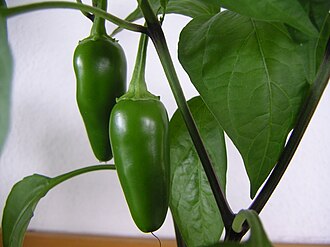
Photo: Wikipedia
The jalapeño is a medium-sized, thick-fleshed chili pepper with a vibrant green color and a characteristic smooth, waxy skin. It offers a moderate, grassy heat that builds slowly, accompanied by a crisp, juicy texture and a slightly sweet, vegetal flavor. Nutritionally, it's a low-calorie powerhouse, providing a significant amount of fiber and vitamin C for very few calories.
Calorie split: 11% protein · 79% carbs · 10% fat
↓ Full nutrition💚 Why it's loved
People adore the jalapeño for its perfect balance of approachable heat and bright, fresh flavor that elevates without overwhelming. Its versatility is legendary—it can be stuffed, pickled, roasted, or sliced raw to add a signature kick to countless dishes across global cuisines.
⚠️ Watch-outs & how to enjoy it better
The capsaicin that provides its signature burn can cause gastrointestinal discomfort, heartburn, or irritation for those with sensitive stomachs or conditions like IBS. To mitigate this, pair it with cooling dairy (like sour cream or cheese) or starchy foods, remove the seeds and white membrane where most capsaicin resides, or opt for milder preparations like roasting or pickling.
Key benefits
- Excellent source of immune-supporting vitamin C.
- High in dietary fiber for digestive health.
- Contains capsaicin, a compound linked to metabolism and pain relief.
- Very low in calories and fat, aiding weight management.
- Rich in antioxidants like carotenoids and flavonoids.
🍽️ Popular dishes
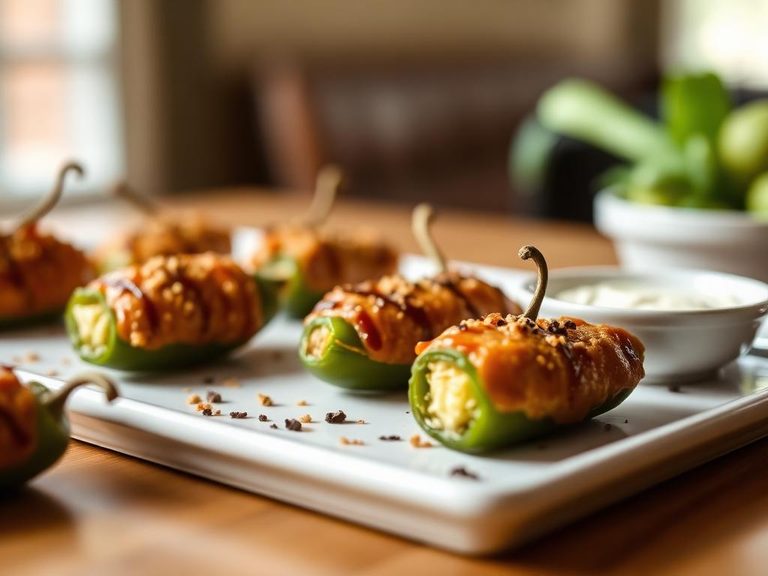

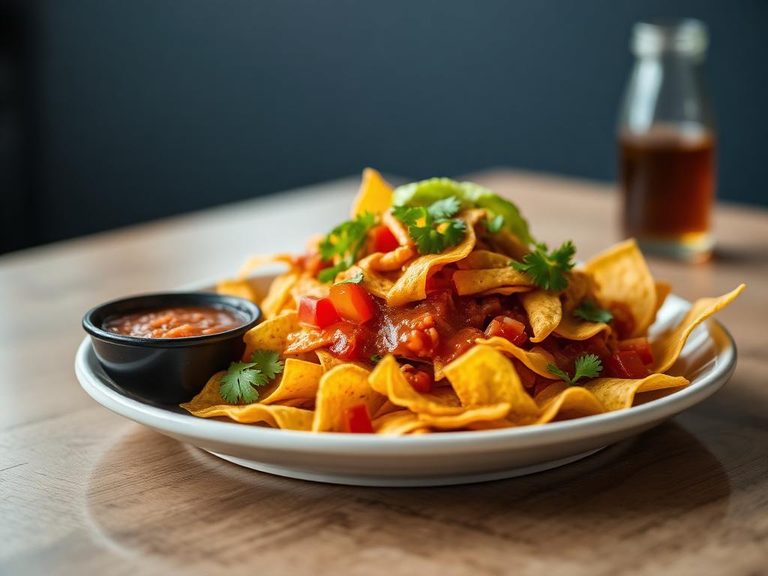
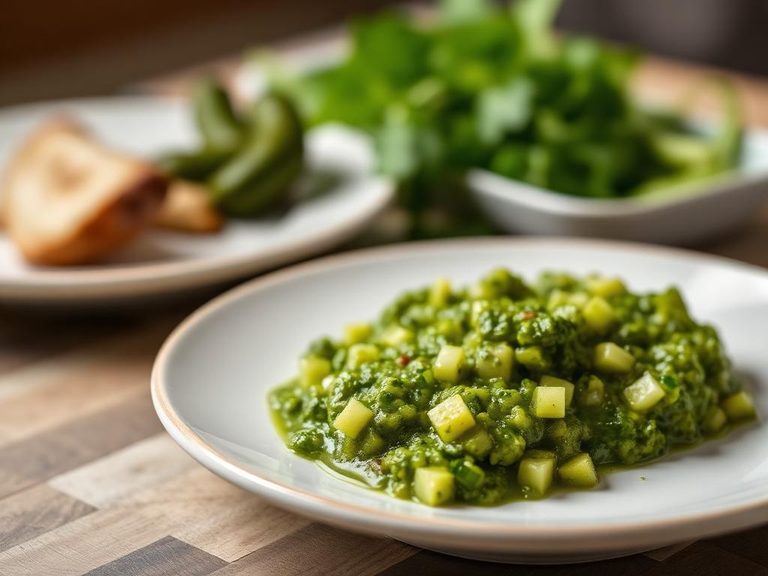
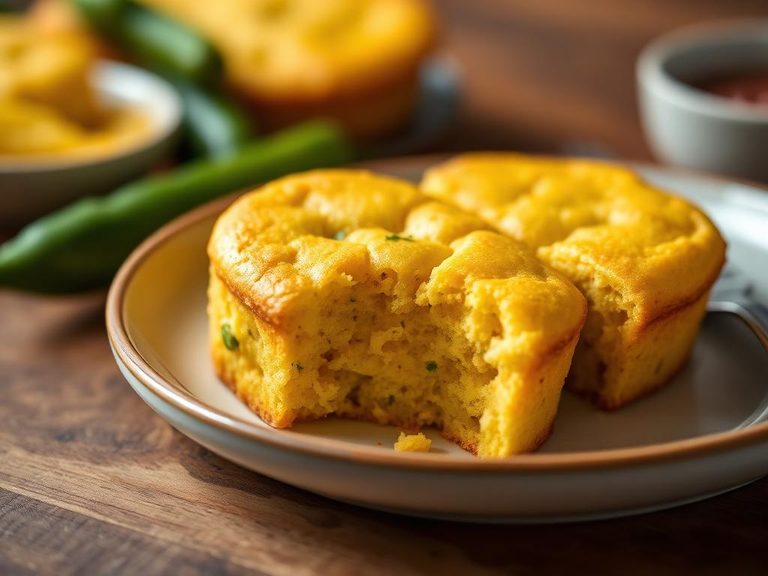
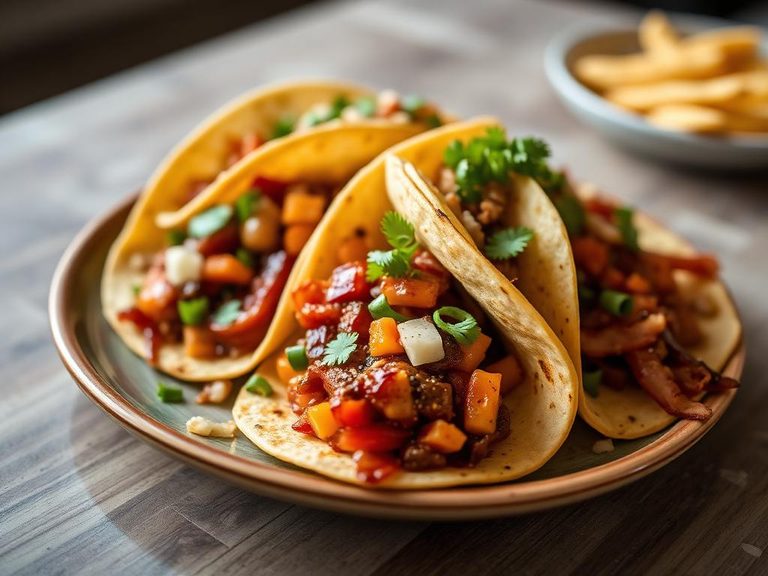
🌍 Where it's eaten
💡 Did you know?
The name 'jalapeño' is derived from Xalapa, the capital city of the Mexican state of Veracruz, where they were traditionally cultivated.
Full nutrition (USDA data · scales with serving)
| Water | 91.7 g |
| Energy | 29.0 kcal |
| Energy | 119 kj |
| Protein | 0.91 g |
| Total lipid (fat) | 0.37 g |
| Ash | 0.53 g |
| Carbohydrate, by difference | 6.5 g |
| Fiber, total dietary | 2.8 g |
| Total Sugars | 4.1 g |
| Sucrose | 0.00 g |
| Glucose | 1.5 g |
| Fructose | 2.6 g |
| Lactose | 0.00 g |
| Maltose | 0.00 g |
| Galactose | 0.00 g |
| Calcium, Ca | 12.0 mg |
| Iron, Fe | 0.25 mg |
| Magnesium, Mg | 15.0 mg |
| Phosphorus, P | 26.0 mg |
| Potassium, K | 248 mg |
| Sodium, Na | 3.0 mg |
| Zinc, Zn | 0.14 mg |
| Copper, Cu | 0.05 mg |
| Manganese, Mn | 0.10 mg |
| Selenium, Se | 0.40 ug |
| Vitamin C, total ascorbic acid | 119 mg |
| Thiamin | 0.04 mg |
| Riboflavin | 0.07 mg |
| Niacin | 1.3 mg |
| Pantothenic acid | 0.32 mg |
| Vitamin B-6 | 0.42 mg |
| Folate, total | 27.0 ug |
| Folic acid | 0.00 ug |
| Folate, food | 27.0 ug |
| Folate, DFE | 27.0 ug |
| Choline, total | 7.5 mg |
| Vitamin B-12 | 0.00 ug |
| Vitamin B-12, added | 0.00 ug |
| Vitamin A, RAE | 54.0 ug |
| Retinol | 0.00 ug |
| Carotene, beta | 561 ug |
| Carotene, alpha | 67.0 ug |
| Cryptoxanthin, beta | 105 ug |
| Vitamin A, IU | 1078 iu |
| Lycopene | 0.00 ug |
| Lutein + zeaxanthin | 861 ug |
| Vitamin E (alpha-tocopherol) | 3.6 mg |
| Vitamin E, added | 0.00 mg |
| Tocopherol, beta | 0.17 mg |
| Tocopherol, gamma | 0.05 mg |
| Tocopherol, delta | 0.01 mg |
| Tocotrienol, alpha | 0.02 mg |
| Tocotrienol, beta | 0.00 mg |
| Tocotrienol, gamma | 0.00 mg |
| Tocotrienol, delta | 0.00 mg |
| Vitamin D (D2 + D3), International Units | 0.00 iu |
| Vitamin D (D2 + D3) | 0.00 ug |
| Vitamin K (phylloquinone) | 18.5 ug |
| Alcohol, ethyl | 0.00 g |
| Caffeine | 0.00 mg |
| Theobromine | 0.00 mg |
Fat & fatty acid profile (per 100g)
| Fatty acids, total saturated | 0.09 g |
| SFA 4:0 | 0.00 g |
| SFA 6:0 | 0.00 g |
| SFA 8:0 | 0.00 g |
| SFA 10:0 | 0.00 g |
| SFA 12:0 | 0.00 g |
| SFA 14:0 | 0.01 g |
| SFA 15:0 | 0.00 g |
| SFA 16:0 | 0.05 g |
| SFA 17:0 | 0.00 g |
| SFA 18:0 | 0.02 g |
| SFA 20:0 | 0.00 g |
| SFA 22:0 | 0.00 g |
| SFA 24:0 | 0.00 g |
| Fatty acids, total monounsaturated | 0.03 g |
| MUFA 14:1 | 0.00 g |
| MUFA 15:1 | 0.00 g |
| MUFA 16:1 | 0.00 g |
| MUFA 16:1 c | 0.00 g |
| MUFA 17:1 | 0.00 g |
| MUFA 18:1 | 0.03 g |
| MUFA 18:1 c | 0.03 g |
| MUFA 20:1 | 0.00 g |
| MUFA 22:1 | 0.00 g |
| MUFA 22:1 c | 0.00 g |
| MUFA 24:1 c | 0.00 g |
| Fatty acids, total polyunsaturated | 0.11 g |
| PUFA 18:2 | 0.06 g |
| PUFA 18:2 n-6 c,c | 0.06 g |
| PUFA 18:2 CLAs | 0.00 g |
| PUFA 18:3 | 0.05 g |
| PUFA 18:3 n-3 c,c,c (ALA) | 0.05 g |
| PUFA 18:3 n-6 c,c,c | 0.00 g |
| PUFA 18:4 | 0.00 g |
| PUFA 20:2 n-6 c,c | 0.00 g |
| PUFA 20:3 | 0.00 g |
| PUFA 20:3 n-3 | 0.00 g |
| PUFA 20:3 n-6 | 0.00 g |
| PUFA 20:4 | 0.00 g |
| PUFA 20:5 n-3 (EPA) | 0.00 g |
| PUFA 22:4 | 0.00 g |
| PUFA 22:5 n-3 (DPA) | 0.00 g |
| PUFA 22:6 n-3 (DHA) | 0.00 g |
| Fatty acids, total trans | 0.00 g |
| Fatty acids, total trans-monoenoic | 0.00 g |
| TFA 16:1 t | 0.00 g |
| TFA 18:1 t | 0.00 g |
| TFA 22:1 t | 0.00 g |
| TFA 18:2 t not further defined | 0.00 g |
| Fatty acids, total trans-polyenoic | 0.00 g |
| Cholesterol | 0.00 mg |
Amino acid profile (per 100g)
Estimated from Peppers, sweet, red, frozen, chopped, unprepared — USDA does not publish this profile for Peppers.
| Tryptophan | 0.01 g |
| Threonine | 0.04 g |
| Isoleucine | 0.04 g |
| Leucine | 0.06 g |
| Lysine | 0.05 g |
| Methionine | 0.01 g |
| Cystine | 0.02 g |
| Phenylalanine | 0.03 g |
| Tyrosine | 0.02 g |
| Valine | 0.04 g |
| Arginine | 0.05 g |
| Histidine | 0.02 g |
| Alanine | 0.04 g |
| Aspartic acid | 0.15 g |
| Glutamic acid | 0.14 g |
| Glycine | 0.04 g |
| Proline | 0.05 g |
| Serine | 0.04 g |
FAQ
How hot is a jalapeño on the Scoville scale?
Jalapeños typically range from 2,500 to 8,000 Scoville Heat Units (SHU), placing them in the mild-to-medium heat category. The heat can vary significantly based on growing conditions and ripeness.
What's the difference between a fresh and pickled jalapeño?
Fresh jalapeños have a crisp, grassy flavor and straightforward heat. Pickled jalapeños (often called 'nacho slices') are softer, tangy from the vinegar brine, and have a slightly mellowed, more complex heat.
Can I reduce the heat of a jalapeño before cooking?
Yes. The majority of the heat (capsaicin) is concentrated in the white pith (membrane) and seeds. Removing these parts before slicing or dicing will significantly reduce the spiciness.
Nutrient density (calculated · NRF9.3)
Nutrient Rich Foods index: beneficial nutrients (protein, fiber, vitamins, minerals) minus saturated fat, added sugar & sodium, per 100 kcal.
NRF9.3 index — Fulgoni, Keast & Drewnowski, 2009. Computed from USDA nutrients.
Weight-loss friendliness (composite index)
Energy density 0.29 kcal/g · 13% calories from protein · 2.8 g fiber · 4.1 g sugar per 100 g.
Composite of energy density (Rolls et al., 1999), protein & fiber satiety, minus sugar. A calculated heuristic — ranks satiety-per-calorie, not a clinical measure.
Dietary load (calculated from USDA values)
Potential renal acid load. Positive = acid-forming, negative = alkaline-forming.
Sodium-to-potassium ratio: 0.01 (lower is better — aim for ≤ 1)
Sodium:potassium per WHO potassium guidance. Computed from USDA nutrients.