

Bread, reduced-calorie, wheat
Whole food · Baked Products

Photo: Wikipedia
Reduced-calorie wheat bread is a lighter, airier take on whole wheat bread, engineered to cut calories by about 20-25% per slice without sacrificing its familiar, mildly nutty flavor. Its texture is often softer and slightly more porous than standard whole wheat, making it a surprisingly effective vehicle for both sweet and savory toppings. Nutritionally, it's a standout for its high fiber content, which helps promote a feeling of fullness.
Calorie split: 21% protein · 68% carbs · 11% fat
↓ Full nutrition💚 Why it's loved
People love it for its practicality—it delivers the satisfying chew and mild, toasty wheat flavor of bread while fitting neatly into calorie-conscious meal plans. Its soft texture makes it ideal for everything from delicate tea sandwiches to sturdy toast for avocado.
⚠️ Watch-outs & how to enjoy it better
Some find the texture too soft or spongy, lacking the hearty crust of artisan loaves. The high fiber content, while beneficial, can cause digestive discomfort (gas, bloating) for those not accustomed to it; introduce it gradually and drink plenty of water. As a wheat product, it is a common allergen for those with celiac disease or gluten sensitivity.
Key benefits
- High in dietary fiber (11.1g per 100g) for digestive health.
- Good source of plant-based protein (13.32g per 100g).
- Lower in calories than standard bread, aiding weight management.
- Low in fat (2.92g per 100g).
- Contains less sugar (3.71g per 100g) than many commercial breads.
🍽️ Popular dishes
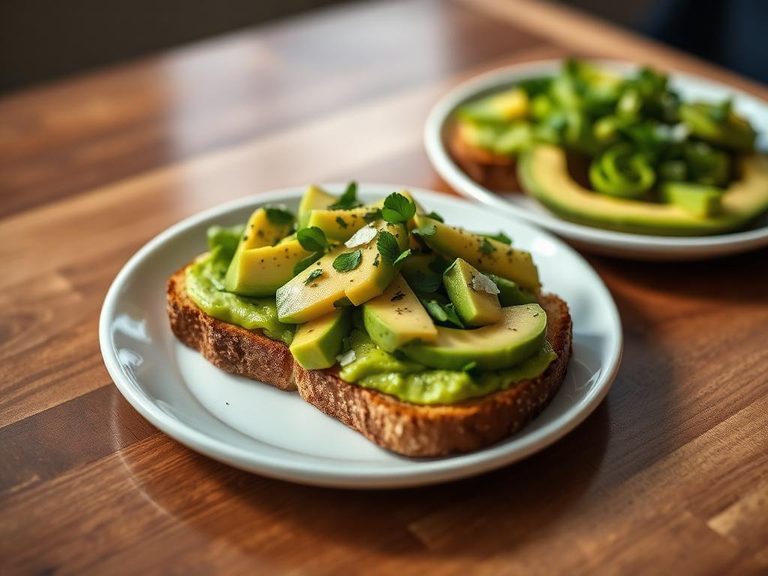


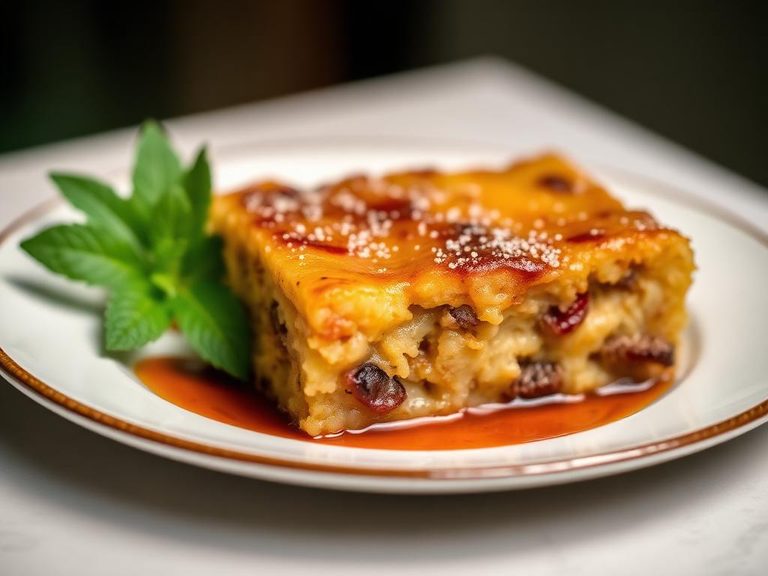
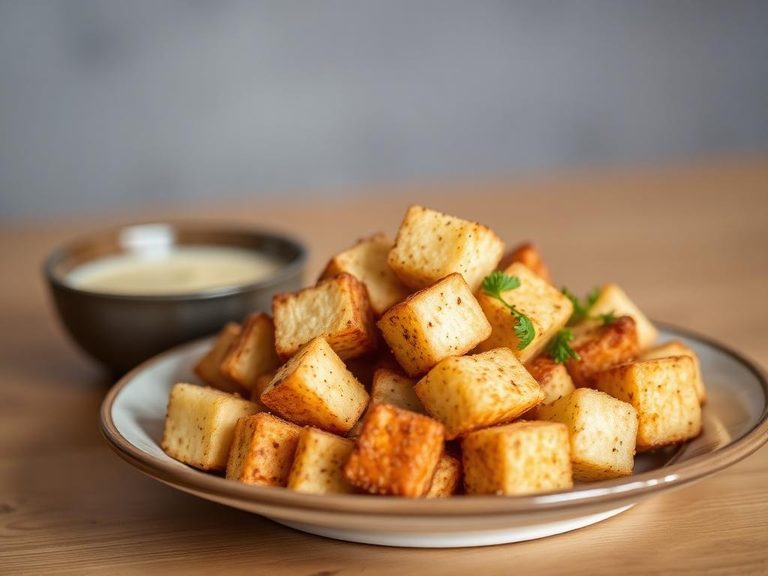
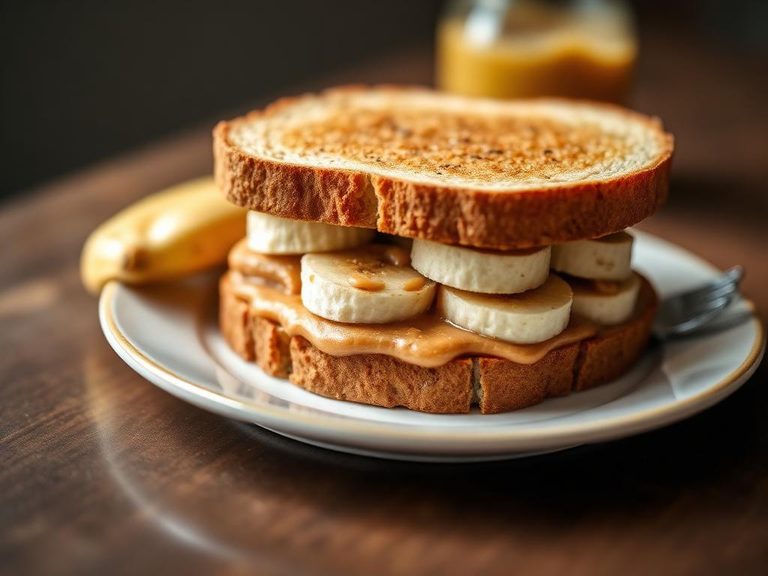
🌍 Where it's eaten
💡 Did you know?
The 'reduced-calorie' effect is often achieved by adding extra water and air during mixing and proofing, or by incorporating high-fiber, low-calorie ingredients like oat bran or soy protein isolate, which increase volume without adding significant energy.
Full nutrition (USDA data · scales with serving)
| Water | 39.6 g |
| Energy | 217 kcal |
| Energy | 907 kj |
| Protein | 13.3 g |
| Total lipid (fat) | 2.9 g |
| Ash | 1.7 g |
| Carbohydrate, by difference | 42.5 g |
| Fiber, total dietary | 11.1 g |
| Total Sugars | 3.7 g |
| Sucrose | 0.00 g |
| Glucose | 0.95 g |
| Fructose | 1.6 g |
| Lactose | 0.00 g |
| Maltose | 1.1 g |
| Galactose | 0.00 g |
| Starch | 26.1 g |
| Calcium, Ca | 163 mg |
| Iron, Fe | 2.9 mg |
| Magnesium, Mg | 43.0 mg |
| Phosphorus, P | 149 mg |
| Potassium, K | 150 mg |
| Sodium, Na | 332 mg |
| Zinc, Zn | 1.4 mg |
| Copper, Cu | 0.17 mg |
| Manganese, Mn | 1.2 mg |
| Selenium, Se | 30.4 ug |
| Vitamin C, total ascorbic acid | 0.10 mg |
| Thiamin | 0.35 mg |
| Riboflavin | 0.14 mg |
| Niacin | 3.8 mg |
| Vitamin B-6 | 0.06 mg |
| Folate, total | 91.0 ug |
| Folic acid | 63.0 ug |
| Folate, food | 28.0 ug |
| Folate, DFE | 135 ug |
| Choline, total | 18.7 mg |
| Vitamin B-12 | 0.00 ug |
| Vitamin B-12, added | 0.00 ug |
| Vitamin A, RAE | 0.00 ug |
| Retinol | 0.00 ug |
| Carotene, beta | 1.0 ug |
| Carotene, alpha | 0.00 ug |
| Cryptoxanthin, beta | 0.00 ug |
| Vitamin A, IU | 1.0 iu |
| Lycopene | 0.00 ug |
| Lutein + zeaxanthin | 41.0 ug |
| Vitamin E (alpha-tocopherol) | 0.24 mg |
| Vitamin E, added | 0.00 mg |
| Tocopherol, beta | 0.09 mg |
| Tocopherol, gamma | 0.67 mg |
| Tocopherol, delta | 0.00 mg |
| Tocotrienol, alpha | 0.09 mg |
| Tocotrienol, beta | 0.00 mg |
| Tocotrienol, gamma | 0.00 mg |
| Tocotrienol, delta | 0.00 mg |
| Vitamin D (D2 + D3), International Units | 0.00 iu |
| Vitamin D (D2 + D3) | 0.00 ug |
| Vitamin K (phylloquinone) | 0.20 ug |
| Alcohol, ethyl | 0.00 g |
| Caffeine | 0.00 mg |
| Theobromine | 0.00 mg |
Fat & fatty acid profile (per 100g)
| Fatty acids, total saturated | 0.84 g |
| SFA 4:0 | 0.01 g |
| SFA 6:0 | 0.00 g |
| SFA 8:0 | 0.00 g |
| SFA 10:0 | 0.03 g |
| SFA 12:0 | 0.00 g |
| SFA 14:0 | 0.00 g |
| SFA 15:0 | 0.00 g |
| SFA 16:0 | 0.41 g |
| SFA 17:0 | 0.01 g |
| SFA 18:0 | 0.37 g |
| SFA 20:0 | 0.01 g |
| SFA 22:0 | 0.01 g |
| SFA 24:0 | 0.00 g |
| Fatty acids, total monounsaturated | 0.52 g |
| MUFA 14:1 | 0.00 g |
| MUFA 15:1 | 0.00 g |
| MUFA 16:1 | 0.02 g |
| MUFA 16:1 c | 0.02 g |
| MUFA 17:1 | 0.00 g |
| MUFA 18:1 | 0.49 g |
| MUFA 18:1 c | 0.45 g |
| MUFA 20:1 | 0.01 g |
| MUFA 22:1 | 0.00 g |
| MUFA 22:1 c | 0.00 g |
| MUFA 24:1 c | 0.00 g |
| Fatty acids, total polyunsaturated | 1.2 g |
| PUFA 18:2 | 1.1 g |
| PUFA 18:2 n-6 c,c | 1.1 g |
| PUFA 18:2 CLAs | 0.00 g |
| PUFA 18:3 | 0.09 g |
| PUFA 18:3 n-3 c,c,c (ALA) | 0.09 g |
| PUFA 18:3 n-6 c,c,c | 0.00 g |
| PUFA 18:4 | 0.00 g |
| PUFA 20:2 n-6 c,c | 0.00 g |
| PUFA 20:3 | 0.00 g |
| PUFA 20:3 n-3 | 0.00 g |
| PUFA 20:3 n-6 | 0.00 g |
| PUFA 20:4 | 0.00 g |
| PUFA 20:5 n-3 (EPA) | 0.00 g |
| PUFA 22:4 | 0.00 g |
| PUFA 22:5 n-3 (DPA) | 0.00 g |
| PUFA 22:6 n-3 (DHA) | 0.00 g |
| Fatty acids, total trans | 0.05 g |
| Fatty acids, total trans-monoenoic | 0.04 g |
| TFA 16:1 t | 0.00 g |
| TFA 18:1 t | 0.04 g |
| TFA 22:1 t | 0.00 g |
| TFA 18:2 t not further defined | 0.01 g |
| Fatty acids, total trans-polyenoic | 0.01 g |
| Cholesterol | 0.00 mg |
Amino acid profile (per 100g)
Estimated from Bread, salvadoran sweet cheese (quesadilla salvadorena) — USDA does not publish this profile for Bread.
| Tryptophan | 0.07 g |
| Threonine | 0.21 g |
| Isoleucine | 0.30 g |
| Leucine | 0.65 g |
| Lysine | 0.50 g |
| Methionine | 0.28 g |
| Cystine | 0.06 g |
| Phenylalanine | 0.37 g |
| Tyrosine | 0.23 g |
| Valine | 0.43 g |
| Arginine | 0.25 g |
| Histidine | 0.15 g |
| Alanine | 0.36 g |
| Aspartic acid | 0.59 g |
| Glutamic acid | 1.3 g |
| Glycine | 0.20 g |
| Proline | 0.83 g |
| Serine | 0.45 g |
| Hydroxyproline | 0.00 g |
FAQ
How is reduced-calorie bread different from 'light' or 'diet' bread?
Terms can be used interchangeably, but 'reduced-calorie' typically means it has at least 25% fewer calories than its reference food (standard wheat bread). 'Light' often has similar calorie reductions, while 'diet' is a broader, less regulated term.
Is the fiber in this bread soluble or insoluble?
Wheat bread primarily contains insoluble fiber from the bran, which aids in digestive regularity. However, if ingredients like oat bran or inulin are added, it may also contain soluble fiber, which can help manage cholesterol and blood sugar.
Can I use this bread for making breadcrumbs or croutons?
Yes, it works well. Its lower moisture content can actually help it dry out faster for crispier results. Toast slices before crumbling, or cube and toss with a tiny amount of oil for croutons.
Nutrient density (calculated · NRF9.3)
Nutrient Rich Foods index: beneficial nutrients (protein, fiber, vitamins, minerals) minus saturated fat, added sugar & sodium, per 100 kcal.
NRF9.3 index — Fulgoni, Keast & Drewnowski, 2009. Computed from USDA nutrients.
Weight-loss friendliness (composite index)
Energy density 2.17 kcal/g · 25% calories from protein · 11.1 g fiber · 3.7 g sugar per 100 g.
Composite of energy density (Rolls et al., 1999), protein & fiber satiety, minus sugar. A calculated heuristic — ranks satiety-per-calorie, not a clinical measure.
Dietary load (calculated from USDA values)
Potential renal acid load. Positive = acid-forming, negative = alkaline-forming.
Sodium-to-potassium ratio: 2.21 (lower is better — aim for ≤ 1)
Sodium:potassium per WHO potassium guidance. Computed from USDA nutrients.