

Bread, pan dulce, sweet yeast bread
Whole food · Baked Products

Photo: Wikipedia
Pan dulce is a beloved category of Mexican sweet yeast bread, known for its soft, pillowy interior and a signature sweet, often crumbly, topping. Its flavor is a comforting blend of buttery, sweet, and subtly vanilla notes, with a texture that ranges from fluffy to slightly dense depending on the variety. Nutritionally, it's a significant source of quick energy from carbohydrates and sugar, with a moderate fat content from butter or shortening.
Calorie split: 10% protein · 61% carbs · 28% fat
↓ Full nutrition💚 Why it's loved
People adore pan dulce for its comforting, sweet flavor and soft, satisfying texture, which evokes nostalgia and cultural connection. It's a versatile treat, perfect for dipping in coffee or hot chocolate, and its variety of shapes and toppings makes it a delightful part of daily life and celebrations.
⚠️ Watch-outs & how to enjoy it better
Its high sugar and refined carbohydrate content can lead to rapid blood-sugar spikes, making it less suitable for those managing diabetes or insulin resistance. To mitigate this, pair a small portion with a source of protein (like eggs or cheese) or healthy fat (like nuts) to slow glucose absorption, and opt for whole-grain versions when available. Those with gluten sensitivity or celiac disease must avoid it entirely.
Key benefits
- Provides quick energy from simple carbohydrates.
- Contains a moderate amount of protein from wheat flour.
- A culturally significant comfort food in Mexican and Latin American communities.
- Versatile base for both sweet and savory preparations.
- Often enjoyed as a social and communal food item.
🍽️ Popular dishes
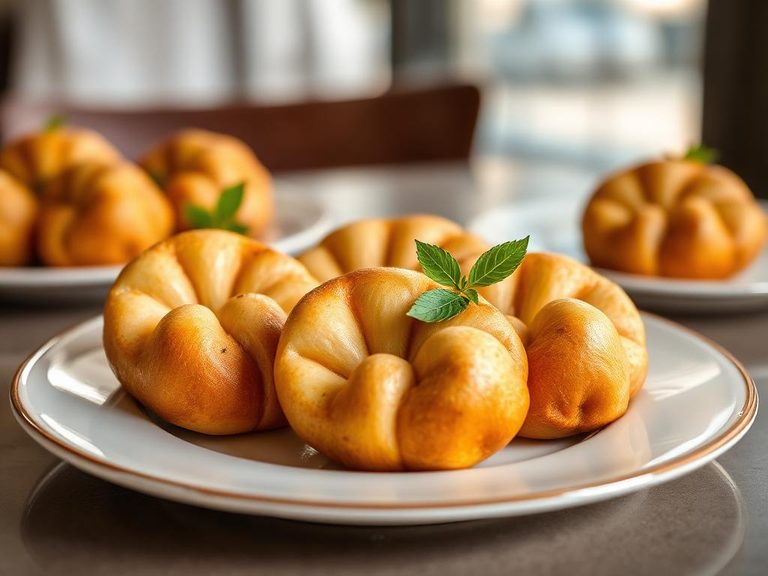 Conchas (the iconic shell-shaped sweet bread)
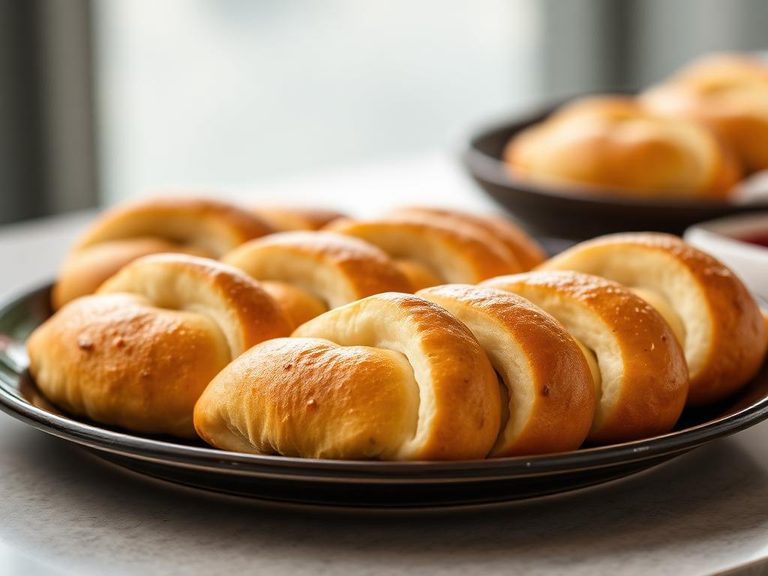 Cuernos (buttery, crescent-shaped rolls)
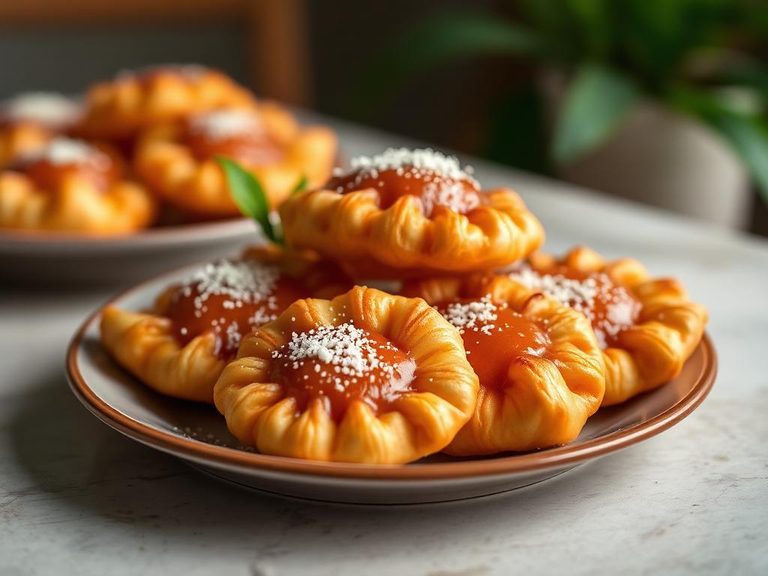 Orejas (palmier-style, flaky, caramelized pastries)
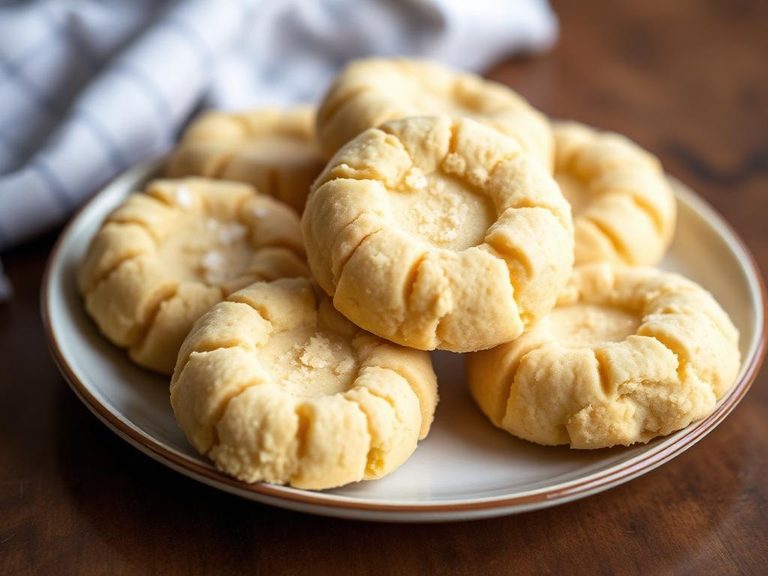 Polvorones (crumbly, shortbread-like cookies)
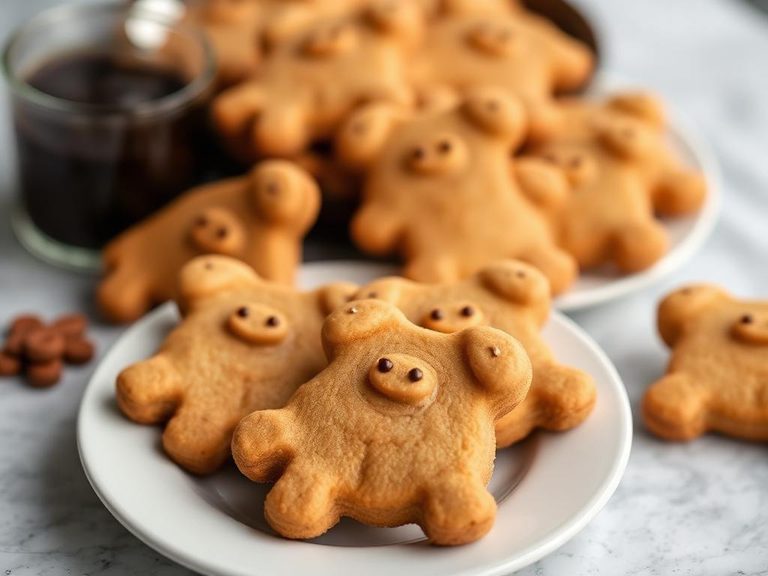 Marranitos (molasses and ginger-flavored pig-shaped cookies)
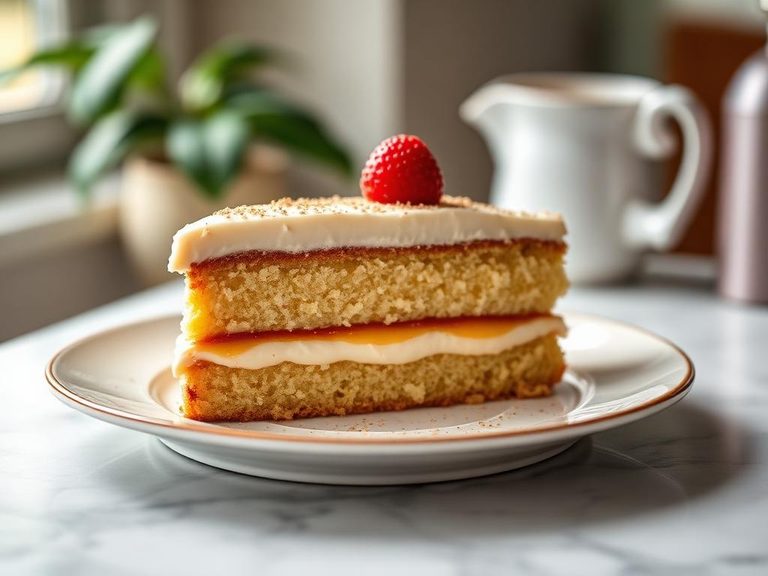 Tres Leches Cake (sometimes served with pan dulce as a side)
🌍 Where it's eaten
💡 Did you know?
The iconic 'concha' (shell) topping is made from a paste of flour, sugar, and butter, which is scored before baking to create the distinctive shell pattern that gives it its name.
Full nutrition (USDA data · scales with serving)
| Water | 21.5 g |
| Energy | 367 kcal |
| Energy | 1537 kj |
| Protein | 9.4 g |
| Total lipid (fat) | 11.6 g |
| Ash | 1.1 g |
| Carbohydrate, by difference | 56.4 g |
| Fiber, total dietary | 2.3 g |
| Total Sugars | 12.5 g |
| Sucrose | 3.9 g |
| Glucose | 3.6 g |
| Fructose | 4.0 g |
| Lactose | 0.00 g |
| Maltose | 1.0 g |
| Galactose | 0.00 g |
| Starch | 37.8 g |
| Calcium, Ca | 86.0 mg |
| Iron, Fe | 2.9 mg |
| Magnesium, Mg | 24.0 mg |
| Phosphorus, P | 94.0 mg |
| Potassium, K | 103 mg |
| Sodium, Na | 228 mg |
| Zinc, Zn | 0.84 mg |
| Copper, Cu | 0.12 mg |
| Manganese, Mn | 0.46 mg |
| Selenium, Se | 26.2 ug |
| Vitamin C, total ascorbic acid | 1.2 mg |
| Thiamin | 0.38 mg |
| Riboflavin | 0.23 mg |
| Niacin | 3.5 mg |
| Pantothenic acid | 0.59 mg |
| Vitamin B-6 | 0.06 mg |
| Folate, total | 108 ug |
| Folic acid | 68.0 ug |
| Folate, food | 40.0 ug |
| Folate, DFE | 155 ug |
| Choline, total | 29.1 mg |
| Vitamin B-12 | 0.11 ug |
| Vitamin B-12, added | 0.00 ug |
| Vitamin A, RAE | 5.0 ug |
| Retinol | 5.0 ug |
| Carotene, beta | 3.0 ug |
| Carotene, alpha | 1.0 ug |
| Cryptoxanthin, beta | 1.0 ug |
| Vitamin A, IU | 23.0 iu |
| Lycopene | 0.00 ug |
| Lutein + zeaxanthin | 36.0 ug |
| Vitamin E (alpha-tocopherol) | 0.29 mg |
| Vitamin E, added | 0.00 mg |
| Tocopherol, beta | 0.07 mg |
| Tocopherol, gamma | 2.7 mg |
| Tocopherol, delta | 0.77 mg |
| Tocotrienol, alpha | 0.00 mg |
| Tocotrienol, beta | 0.00 mg |
| Tocotrienol, gamma | 0.00 mg |
| Tocotrienol, delta | 0.00 mg |
| Vitamin D (D2 + D3), International Units | 0.00 iu |
| Vitamin D (D2 + D3) | 0.00 ug |
| Vitamin K (phylloquinone) | 1.6 ug |
| Vitamin K (Dihydrophylloquinone) | 10.4 ug |
| Vitamin K (Menaquinone-4) | 0.00 ug |
| Alcohol, ethyl | 0.00 g |
| Caffeine | 0.00 mg |
| Theobromine | 0.00 mg |
Fat & fatty acid profile (per 100g)
| Fatty acids, total saturated | 2.2 g |
| SFA 4:0 | 0.00 g |
| SFA 6:0 | 0.00 g |
| SFA 8:0 | 0.00 g |
| SFA 10:0 | 0.02 g |
| SFA 12:0 | 0.00 g |
| SFA 14:0 | 0.02 g |
| SFA 15:0 | 0.00 g |
| SFA 16:0 | 1.1 g |
| SFA 17:0 | 0.01 g |
| SFA 18:0 | 0.95 g |
| SFA 20:0 | 0.02 g |
| SFA 22:0 | 0.02 g |
| SFA 24:0 | 0.01 g |
| Fatty acids, total monounsaturated | 3.5 g |
| MUFA 14:1 | 0.00 g |
| MUFA 15:1 | 0.00 g |
| MUFA 16:1 | 0.04 g |
| MUFA 16:1 c | 0.03 g |
| MUFA 17:1 | 0.00 g |
| MUFA 18:1 | 3.4 g |
| MUFA 18:1 c | 2.5 g |
| MUFA 20:1 | 0.03 g |
| MUFA 22:1 | 0.00 g |
| MUFA 22:1 c | 0.00 g |
| MUFA 24:1 c | 0.00 g |
| Fatty acids, total polyunsaturated | 1.5 g |
| PUFA 18:2 | 1.4 g |
| PUFA 18:2 n-6 c,c | 1.2 g |
| PUFA 18:2 CLAs | 0.02 g |
| PUFA 18:3 | 0.07 g |
| PUFA 18:3 n-3 c,c,c (ALA) | 0.07 g |
| PUFA 18:3 n-6 c,c,c | 0.00 g |
| PUFA 18:4 | 0.00 g |
| PUFA 20:2 n-6 c,c | 0.01 g |
| PUFA 20:3 | 0.00 g |
| PUFA 20:3 n-3 | 0.00 g |
| PUFA 20:3 n-6 | 0.00 g |
| PUFA 20:4 | 0.01 g |
| PUFA 20:5 n-3 (EPA) | 0.00 g |
| PUFA 22:4 | 0.01 g |
| PUFA 22:5 n-3 (DPA) | 0.00 g |
| PUFA 22:6 n-3 (DHA) | 0.00 g |
| Fatty acids, total trans | 1.1 g |
| Fatty acids, total trans-monoenoic | 0.90 g |
| TFA 16:1 t | 0.00 g |
| TFA 18:1 t | 0.90 g |
| TFA 22:1 t | 0.00 g |
| TFA 18:2 t not further defined | 0.21 g |
| Fatty acids, total trans-polyenoic | 0.21 g |
| Cholesterol | 30.0 mg |
Amino acid profile (per 100g)
Estimated from Bread, salvadoran sweet cheese (quesadilla salvadorena) — USDA does not publish this profile for Bread.
| Tryptophan | 0.07 g |
| Threonine | 0.21 g |
| Isoleucine | 0.30 g |
| Leucine | 0.65 g |
| Lysine | 0.50 g |
| Methionine | 0.28 g |
| Cystine | 0.06 g |
| Phenylalanine | 0.37 g |
| Tyrosine | 0.23 g |
| Valine | 0.43 g |
| Arginine | 0.25 g |
| Histidine | 0.15 g |
| Alanine | 0.36 g |
| Aspartic acid | 0.59 g |
| Glutamic acid | 1.3 g |
| Glycine | 0.20 g |
| Proline | 0.83 g |
| Serine | 0.45 g |
| Hydroxyproline | 0.00 g |
FAQ
Is pan dulce the same as Mexican sweet bread?
Yes, 'pan dulce' literally translates to 'sweet bread' in Spanish, and it's the general term for the wide variety of sweet, yeast-leavened breads found in Mexican bakeries.
What is the most common type of pan dulce?
The 'concha' is arguably the most recognizable and popular type, known for its shell-like sugar topping and soft, fluffy interior.
Can I make pan dulce at home?
Yes, many recipes exist for popular varieties like conchas and cuernos, though achieving the perfect texture and topping can require practice. It's a rewarding baking project.
Nutrient density (calculated · NRF9.3)
Nutrient Rich Foods index: beneficial nutrients (protein, fiber, vitamins, minerals) minus saturated fat, added sugar & sodium, per 100 kcal.
NRF9.3 index — Fulgoni, Keast & Drewnowski, 2009. Computed from USDA nutrients.
Weight-loss friendliness (composite index)
Energy density 3.67 kcal/g · 10% calories from protein · 2.3 g fiber · 12.5 g sugar per 100 g.
Composite of energy density (Rolls et al., 1999), protein & fiber satiety, minus sugar. A calculated heuristic — ranks satiety-per-calorie, not a clinical measure.
Dietary load (calculated from USDA values)
Potential renal acid load. Positive = acid-forming, negative = alkaline-forming.
Sodium-to-potassium ratio: 2.21 (lower is better — aim for ≤ 1)
Sodium:potassium per WHO potassium guidance. Computed from USDA nutrients.