

Turkey, all classes, light meat, cooked, roasted
Whole food · Poultry Products
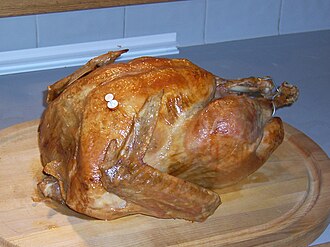
Photo: Wikipedia
This is the lean, white meat from the breast and wings of a roasted turkey, prized for its mild, subtly savory flavor and a firm, fibrous texture that shreds beautifully. It's a nutritional powerhouse, delivering an exceptional 30 grams of protein per 100 grams with virtually no fat or carbohydrates.
Calorie split: 87% protein · 0% carbs · 13% fat
↓ Full nutrition💚 Why it's loved
People love it for its clean, mild taste that acts as a perfect canvas for herbs, spices, and sauces, and its satisfying, hearty texture. It's deeply embedded in holiday traditions, especially in North America, symbolizing celebration and communal feasts.
⚠️ Watch-outs & how to enjoy it better
The primary downside is its leanness, which can lead to dry, tough meat if overcooked. To counteract this, brine the bird before roasting or use a meat thermometer to pull it out at 165°F (74°C). While not a common allergen, some individuals may have a poultry sensitivity.
Key benefits
- Extremely high in lean protein for muscle maintenance and satiety
- Very low in fat and carbohydrates, ideal for calorie-conscious diets
- Excellent source of niacin (vitamin B3) and selenium
- Contains tryptophan, a precursor to the sleep-regulating hormone serotonin
- Versatile base for both hot and cold dishes
🍽️ Popular dishes
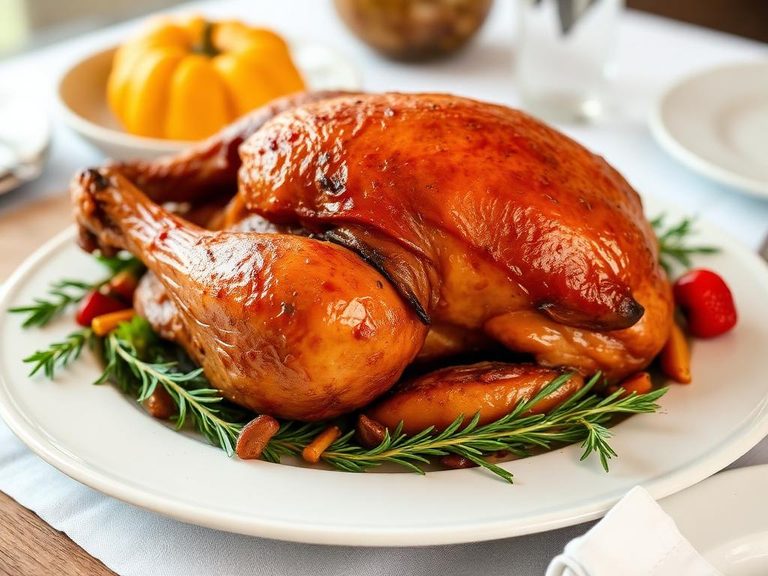
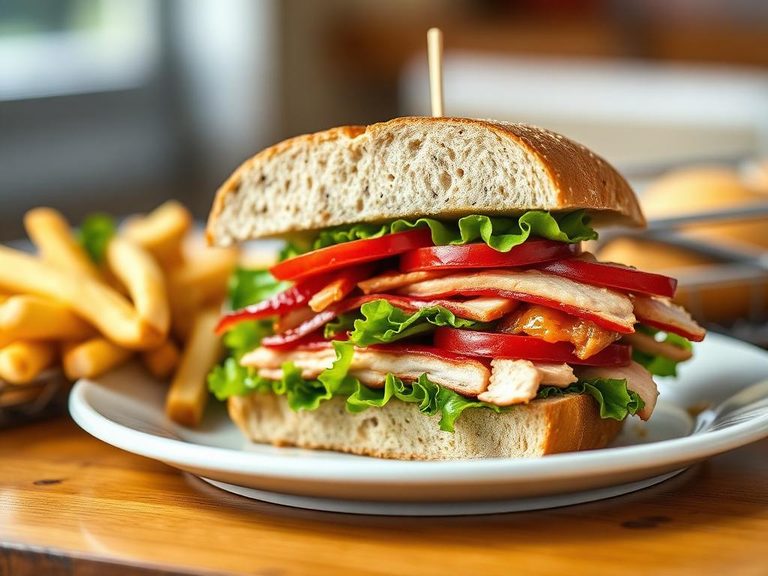
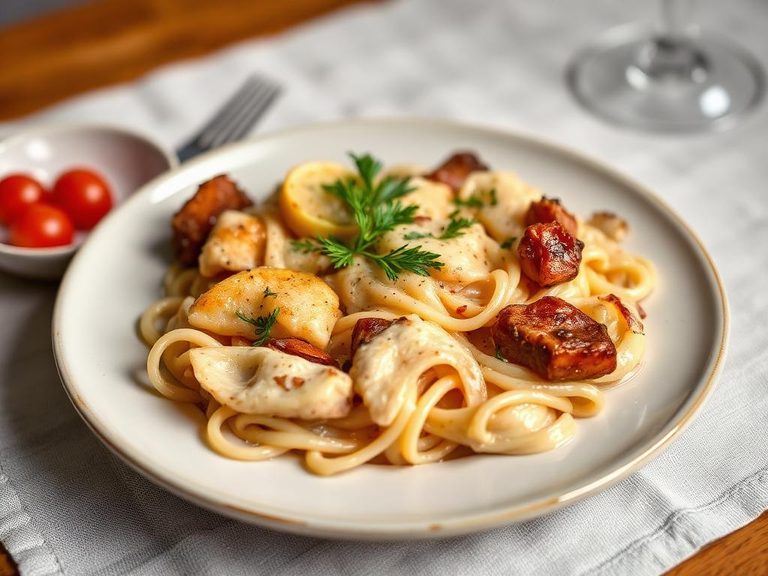
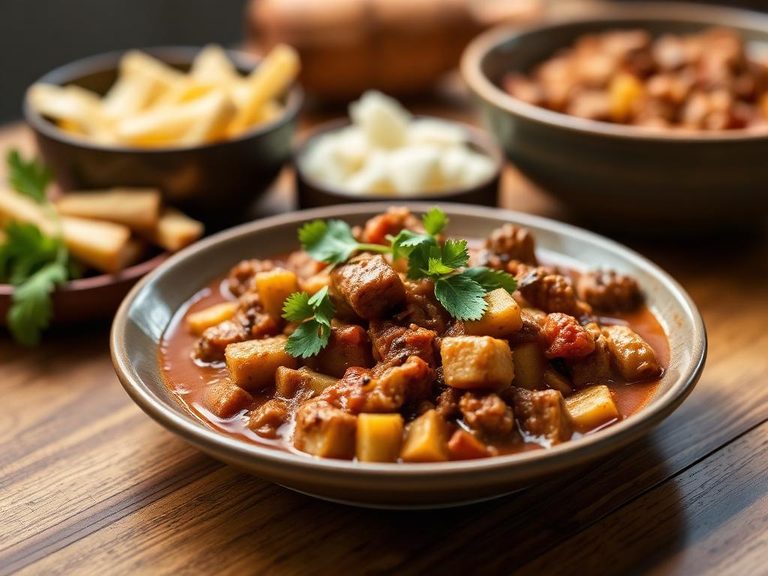
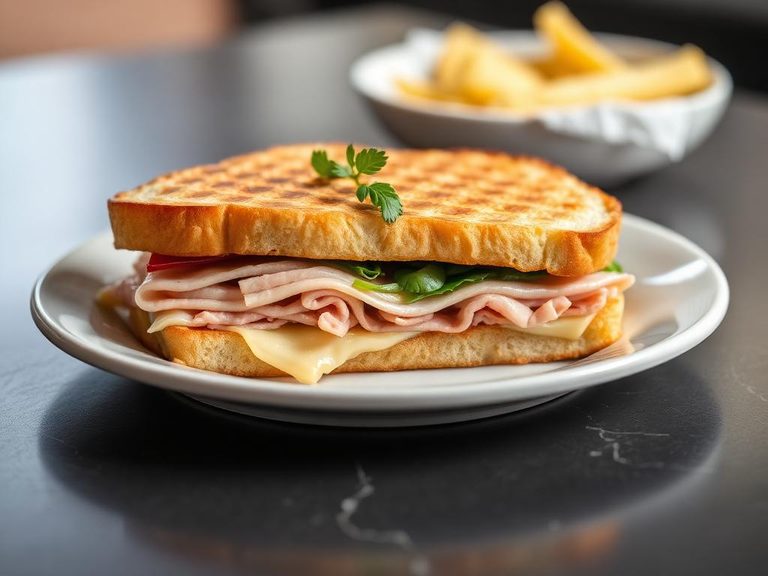

🌍 Where it's eaten
💡 Did you know?
The wild turkey, native to North America, was so admired by Benjamin Franklin that he once suggested it would have been a more fitting national symbol than the bald eagle.
Full nutrition (USDA data · scales with serving)
| Water | 67.9 g |
| Energy | 147 kcal |
| Energy | 617 kj |
| Protein | 30.1 g |
| Total lipid (fat) | 2.1 g |
| Ash | 1.2 g |
| Carbohydrate, by difference | 0.00 g |
| Fiber, total dietary | 0.00 g |
| Total Sugars | 0.00 g |
| Calcium, Ca | 9.0 mg |
| Iron, Fe | 0.71 mg |
| Magnesium, Mg | 32.0 mg |
| Phosphorus, P | 230 mg |
| Potassium, K | 249 mg |
| Sodium, Na | 99.0 mg |
| Zinc, Zn | 1.7 mg |
| Copper, Cu | 0.06 mg |
| Manganese, Mn | 0.01 mg |
| Selenium, Se | 30.2 ug |
| Vitamin C, total ascorbic acid | 0.00 mg |
| Thiamin | 0.04 mg |
| Riboflavin | 0.20 mg |
| Niacin | 11.8 mg |
| Pantothenic acid | 0.90 mg |
| Vitamin B-6 | 0.81 mg |
| Folate, total | 10.0 ug |
| Folic acid | 0.00 ug |
| Folate, food | 10.0 ug |
| Folate, DFE | 10.0 ug |
| Choline, total | 83.4 mg |
| Betaine | 6.1 mg |
| Vitamin B-12 | 0.37 ug |
| Vitamin B-12, added | 0.00 ug |
| Vitamin A, RAE | 3.0 ug |
| Retinol | 3.0 ug |
| Carotene, beta | 0.00 ug |
| Carotene, alpha | 0.00 ug |
| Cryptoxanthin, beta | 0.00 ug |
| Vitamin A, IU | 11.0 iu |
| Lycopene | 0.00 ug |
| Lutein + zeaxanthin | 0.00 ug |
| Vitamin E (alpha-tocopherol) | 0.06 mg |
| Vitamin E, added | 0.00 mg |
| Tocopherol, beta | 0.00 mg |
| Tocopherol, gamma | 0.03 mg |
| Tocopherol, delta | 0.01 mg |
| Tocotrienol, alpha | 0.00 mg |
| Tocotrienol, beta | 0.00 mg |
| Tocotrienol, gamma | 0.03 mg |
| Tocotrienol, delta | 0.00 mg |
| Vitamin D (D2 + D3), International Units | 10.0 iu |
| Vitamin D (D2 + D3) | 0.30 ug |
| Vitamin D3 (cholecalciferol) | 0.30 ug |
| Vitamin K (phylloquinone) | 0.00 ug |
| Vitamin K (Dihydrophylloquinone) | 0.00 ug |
| Alcohol, ethyl | 0.00 g |
| Caffeine | 0.00 mg |
| Theobromine | 0.00 mg |
Fat & fatty acid profile (per 100g)
| Fatty acids, total saturated | 0.59 g |
| SFA 4:0 | 0.00 g |
| SFA 6:0 | 0.00 g |
| SFA 8:0 | 0.00 g |
| SFA 10:0 | 0.00 g |
| SFA 12:0 | 0.01 g |
| SFA 14:0 | 0.02 g |
| SFA 15:0 | 0.00 g |
| SFA 16:0 | 0.37 g |
| SFA 17:0 | 0.01 g |
| SFA 18:0 | 0.18 g |
| SFA 20:0 | 0.00 g |
| SFA 22:0 | 0.00 g |
| SFA 24:0 | 0.00 g |
| Fatty acids, total monounsaturated | 0.63 g |
| MUFA 14:1 | 0.00 g |
| MUFA 15:1 | 0.00 g |
| MUFA 16:1 | 0.06 g |
| MUFA 16:1 c | 0.06 g |
| MUFA 17:1 | 0.00 g |
| MUFA 18:1 | 0.56 g |
| MUFA 18:1 c | 0.54 g |
| MUFA 20:1 | 0.01 g |
| MUFA 22:1 | 0.00 g |
| MUFA 22:1 c | 0.00 g |
| MUFA 24:1 c | 0.00 g |
| Fatty acids, total polyunsaturated | 0.53 g |
| PUFA 18:2 | 0.43 g |
| PUFA 18:2 n-6 c,c | 0.43 g |
| PUFA 18:2 CLAs | 0.00 g |
| PUFA 18:3 | 0.02 g |
| PUFA 18:3 n-3 c,c,c (ALA) | 0.02 g |
| PUFA 18:3 n-6 c,c,c | 0.00 g |
| PUFA 18:4 | 0.00 g |
| PUFA 20:2 n-6 c,c | 0.01 g |
| PUFA 20:3 | 0.01 g |
| PUFA 20:3 n-3 | 0.00 g |
| PUFA 20:3 n-6 | 0.01 g |
| PUFA 20:4 | 0.04 g |
| PUFA 20:5 n-3 (EPA) | 0.00 g |
| PUFA 22:4 | 0.01 g |
| PUFA 22:5 n-3 (DPA) | 0.01 g |
| PUFA 22:6 n-3 (DHA) | 0.00 g |
| Fatty acids, total trans | 0.02 g |
| Fatty acids, total trans-monoenoic | 0.02 g |
| TFA 16:1 t | 0.00 g |
| TFA 18:1 t | 0.02 g |
| TFA 22:1 t | 0.00 g |
| TFA 18:2 t not further defined | 0.00 g |
| Fatty acids, total trans-polyenoic | 0.00 g |
| Cholesterol | 80.0 mg |
Amino acid profile (per 100g)
| Tryptophan | 0.32 g |
| Threonine | 1.1 g |
| Isoleucine | 0.86 g |
| Leucine | 2.1 g |
| Lysine | 2.5 g |
| Methionine | 0.79 g |
| Cystine | 0.28 g |
| Phenylalanine | 0.97 g |
| Tyrosine | 0.90 g |
| Valine | 0.96 g |
| Arginine | 1.7 g |
| Histidine | 0.82 g |
| Alanine | 1.6 g |
| Aspartic acid | 2.4 g |
| Glutamic acid | 4.1 g |
| Glycine | 1.3 g |
| Proline | 1.6 g |
| Serine | 1.2 g |
FAQ
Why is my roasted turkey breast always dry?
Turkey breast is very lean and cooks quickly. To prevent dryness, brine it in a saltwater solution beforehand, roast it at a lower temperature, or baste it. Most importantly, use a meat thermometer and remove it from the oven when the thickest part reaches 165°F (74°C).
Is turkey a good alternative to chicken?
Yes, it's an excellent alternative. Turkey light meat is slightly leaner and has a milder flavor than chicken breast. It's equally versatile for grilling, roasting, or dicing into salads and stir-fries.
How does the nutrition compare to chicken breast?
They are very similar. Per 100g, roasted turkey light meat has slightly more protein (30g vs. 31g for chicken) and slightly less fat (2g vs. 3.6g for chicken), making it one of the leanest animal protein sources available.
Nutrient density (calculated · NRF9.3)
Nutrient Rich Foods index: beneficial nutrients (protein, fiber, vitamins, minerals) minus saturated fat, added sugar & sodium, per 100 kcal.
NRF9.3 index — Fulgoni, Keast & Drewnowski, 2009. Computed from USDA nutrients.
Weight-loss friendliness (composite index)
Energy density 1.47 kcal/g · 82% calories from protein · 0.0 g fiber · 0.0 g sugar per 100 g.
Composite of energy density (Rolls et al., 1999), protein & fiber satiety, minus sugar. A calculated heuristic — ranks satiety-per-calorie, not a clinical measure.
Dietary load (calculated from USDA values)
Potential renal acid load. Positive = acid-forming, negative = alkaline-forming.
Sodium-to-potassium ratio: 0.40 (lower is better — aim for ≤ 1)
Sodium:potassium per WHO potassium guidance. Computed from USDA nutrients.