

Soup, vegetable broth, ready to serve
Whole food · Soups, Sauces, and Gravies

Photo: Wikipedia
A clear, savory liquid made by simmering vegetables like onions, carrots, celery, and herbs in water. It's light-bodied with a clean, umami-rich taste and virtually no calories, making it a foundational base for countless dishes. Nutritionally, it's a near-zero-calorie way to add depth and hydration.
Calorie split: 18% protein · 70% carbs · 12% fat
↓ Full nutrition💚 Why it's loved
People love it as a versatile, flavorful canvas that can be the humble start of a comforting meal or a light, savory drink on its own. It's the backbone of home cooking, offering warmth and depth with minimal effort.
⚠️ Watch-outs & how to enjoy it better
Commercial versions can be very high in sodium, which may be a concern for those monitoring blood pressure. To counteract this, look for 'low-sodium' labels, dilute with water, or make your own to control salt. It's also a common allergen risk if prepared with celery or other specific vegetables in shared facilities.
Key benefits
- Extremely low-calorie base for soups and stews
- Adds savory depth without added fat
- Provides hydration and electrolytes
- Versatile foundation for global cuisines
- Can be a low-sodium option when homemade
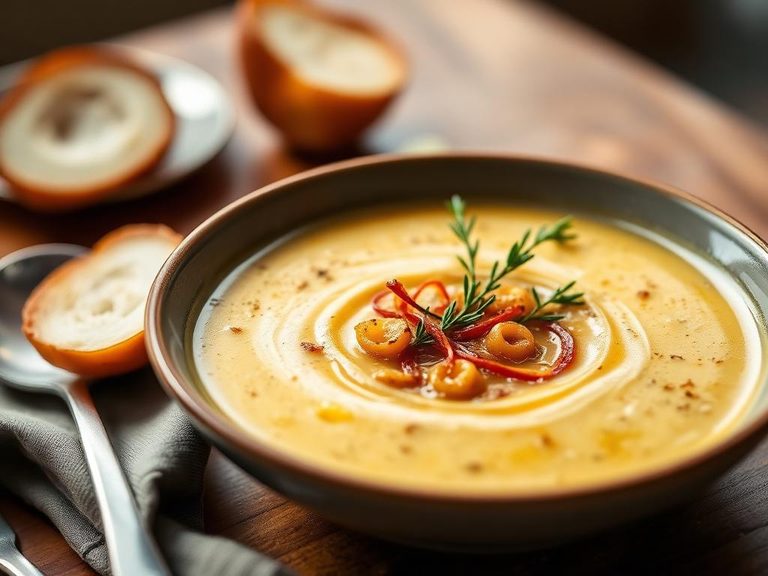
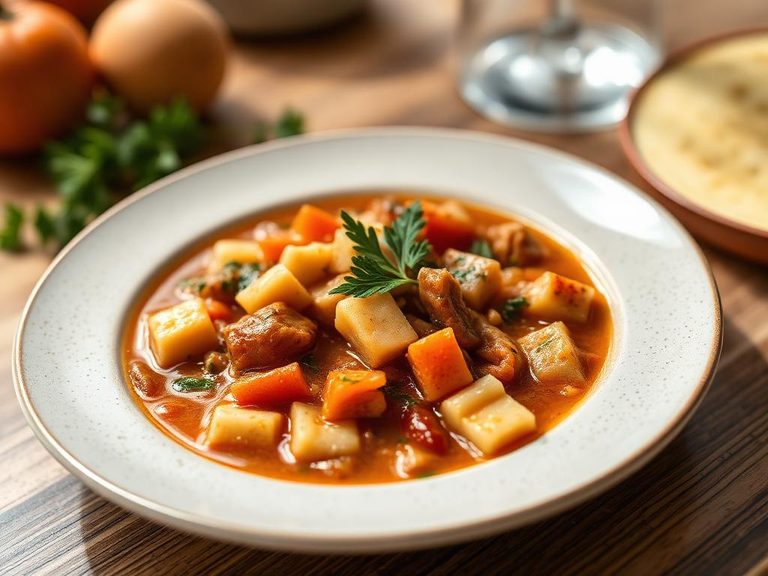
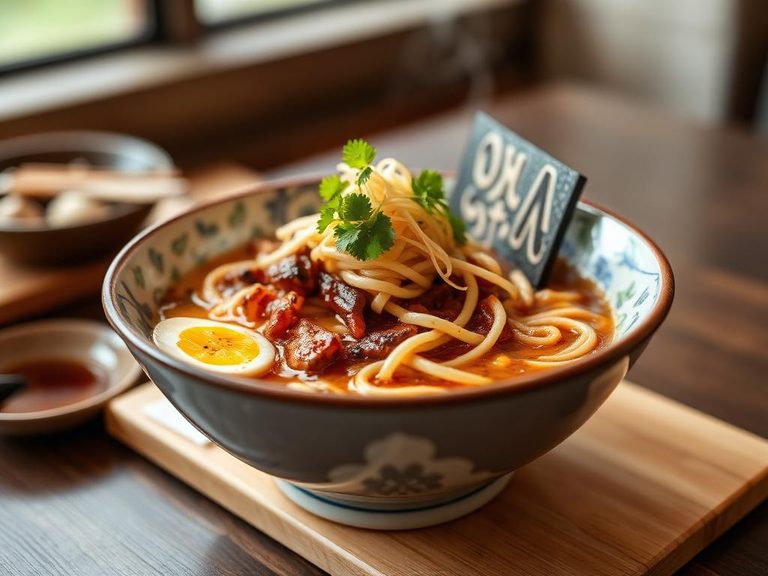
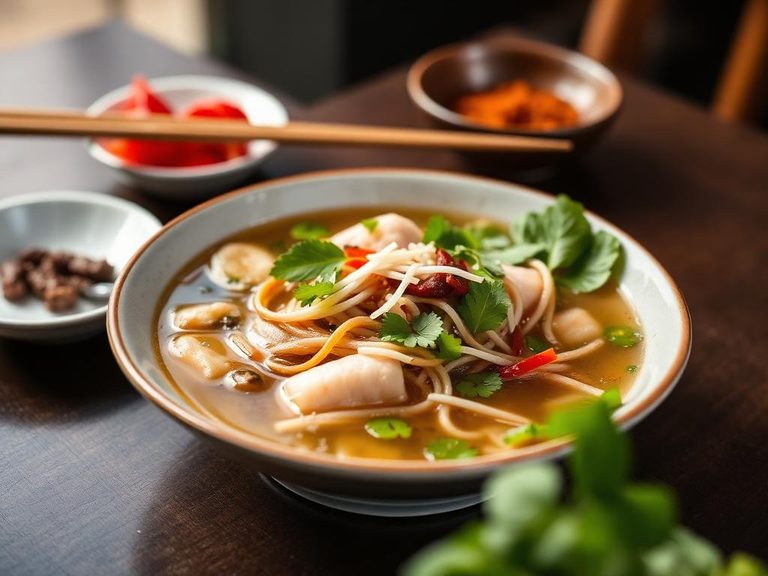
🍽️ Popular dishes
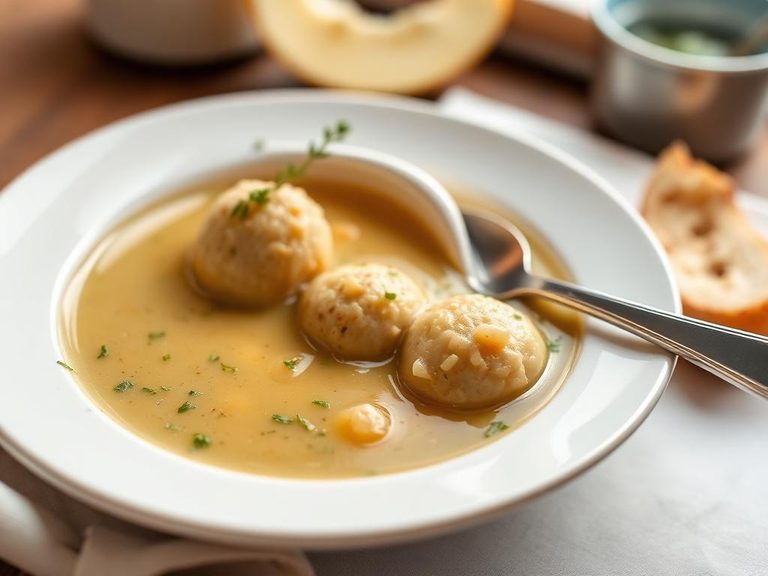
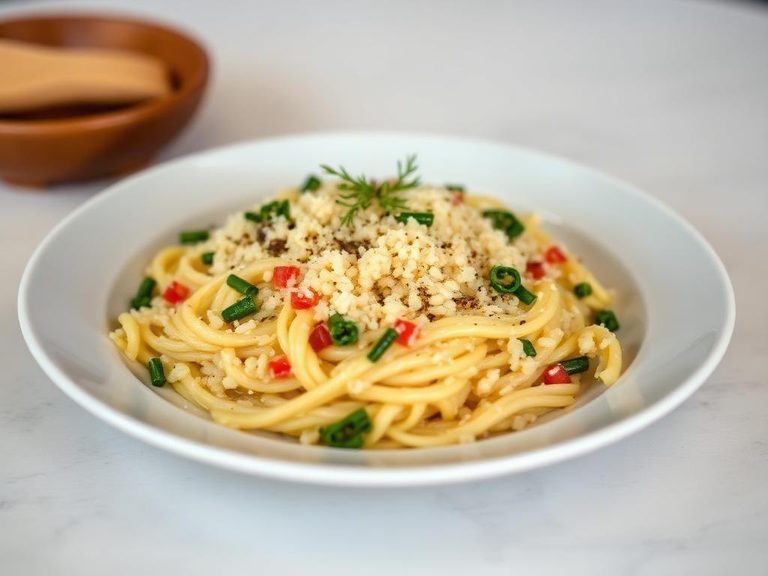
🌍 Where it's eaten
💡 Did you know?
The classic French 'mirepoix' (onion, carrot, celery) and the Japanese 'dashi' (kombu, bonito) are two of the most iconic vegetable broth bases, developed centuries apart on different continents.
Full nutrition (USDA data · scales with serving)
| Water | 98.0 g |
| Energy | 5.0 kcal |
| Energy | 22.0 kj |
| Protein | 0.24 g |
| Total lipid (fat) | 0.07 g |
| Ash | 0.71 g |
| Carbohydrate, by difference | 0.93 g |
| Fiber, total dietary | 0.00 g |
| Total Sugars | 0.55 g |
| Sucrose | 0.38 g |
| Glucose | 0.13 g |
| Fructose | 0.03 g |
| Lactose | 0.00 g |
| Maltose | 0.00 g |
| Galactose | 0.00 g |
| Starch | 0.00 g |
| Calcium, Ca | 3.0 mg |
| Iron, Fe | 0.06 mg |
| Magnesium, Mg | 1.0 mg |
| Phosphorus, P | 3.0 mg |
| Potassium, K | 19.0 mg |
| Sodium, Na | 296 mg |
| Zinc, Zn | 0.03 mg |
| Copper, Cu | 0.01 mg |
| Manganese, Mn | 0.01 mg |
| Selenium, Se | 0.00 ug |
| Vitamin C, total ascorbic acid | 0.40 mg |
| Thiamin | 0.02 mg |
| Riboflavin | 0.02 mg |
| Niacin | 0.11 mg |
| Pantothenic acid | 0.06 mg |
| Vitamin B-6 | 0.01 mg |
| Folate, total | 0.00 ug |
| Folic acid | 0.00 ug |
| Folate, food | 0.00 ug |
| Folate, DFE | 0.00 ug |
| Choline, total | 0.30 mg |
| Vitamin B-12 | 0.00 ug |
| Vitamin B-12, added | 0.00 ug |
| Vitamin A, RAE | 12.0 ug |
| Retinol | 0.00 ug |
| Carotene, beta | 111 ug |
| Carotene, alpha | 64.0 ug |
| Cryptoxanthin, beta | 0.00 ug |
| Vitamin A, IU | 238 iu |
| Lycopene | 7.0 ug |
| Lutein + zeaxanthin | 1.0 ug |
| Vitamin E (alpha-tocopherol) | 0.00 mg |
| Vitamin E, added | 0.00 mg |
| Tocopherol, beta | 0.00 mg |
| Tocopherol, gamma | 0.00 mg |
| Tocopherol, delta | 0.00 mg |
| Tocotrienol, alpha | 0.00 mg |
| Tocotrienol, beta | 0.00 mg |
| Tocotrienol, gamma | 0.00 mg |
| Tocotrienol, delta | 0.00 mg |
| Vitamin D (D2 + D3), International Units | 0.00 iu |
| Vitamin D (D2 + D3) | 0.00 ug |
| Vitamin K (phylloquinone) | 0.70 ug |
| Alcohol, ethyl | 0.00 g |
| Caffeine | 0.00 mg |
| Theobromine | 0.00 mg |
Fat & fatty acid profile (per 100g)
| Fatty acids, total saturated | 0.03 g |
| SFA 4:0 | 0.00 g |
| SFA 6:0 | 0.00 g |
| SFA 8:0 | 0.00 g |
| SFA 10:0 | 0.00 g |
| SFA 12:0 | 0.00 g |
| SFA 14:0 | 0.00 g |
| SFA 15:0 | 0.00 g |
| SFA 16:0 | 0.01 g |
| SFA 17:0 | 0.00 g |
| SFA 18:0 | 0.01 g |
| SFA 20:0 | 0.00 g |
| SFA 22:0 | 0.00 g |
| SFA 24:0 | 0.00 g |
| Fatty acids, total monounsaturated | 0.01 g |
| MUFA 14:1 | 0.00 g |
| MUFA 15:1 | 0.00 g |
| MUFA 16:1 | 0.00 g |
| MUFA 16:1 c | 0.00 g |
| MUFA 17:1 | 0.00 g |
| MUFA 18:1 | 0.01 g |
| MUFA 18:1 c | 0.01 g |
| MUFA 20:1 | 0.00 g |
| MUFA 22:1 | 0.00 g |
| MUFA 22:1 c | 0.00 g |
| MUFA 24:1 c | 0.00 g |
| Fatty acids, total polyunsaturated | 0.00 g |
| PUFA 18:2 | 0.00 g |
| PUFA 18:2 n-6 c,c | 0.00 g |
| PUFA 18:2 CLAs | 0.00 g |
| PUFA 18:3 | 0.00 g |
| PUFA 18:3 n-3 c,c,c (ALA) | 0.00 g |
| PUFA 18:3 n-6 c,c,c | 0.00 g |
| PUFA 18:3i | 0.00 g |
| PUFA 18:4 | 0.00 g |
| PUFA 20:2 n-6 c,c | 0.00 g |
| PUFA 20:3 | 0.00 g |
| PUFA 20:3 n-3 | 0.00 g |
| PUFA 20:3 n-6 | 0.00 g |
| PUFA 20:4 | 0.00 g |
| PUFA 20:5 n-3 (EPA) | 0.00 g |
| PUFA 22:4 | 0.00 g |
| PUFA 22:5 n-3 (DPA) | 0.00 g |
| PUFA 22:6 n-3 (DHA) | 0.00 g |
| Fatty acids, total trans | 0.00 g |
| Fatty acids, total trans-monoenoic | 0.00 g |
| TFA 16:1 t | 0.00 g |
| TFA 18:1 t | 0.00 g |
| TFA 22:1 t | 0.00 g |
| TFA 18:2 t not further defined | 0.00 g |
| Fatty acids, total trans-polyenoic | 0.00 g |
| Cholesterol | 0.00 mg |
Amino acid profile (per 100g)
Estimated from Soup, bean with pork, canned, condensed — USDA does not publish this profile for Soup.
| Tryptophan | 0.06 g |
| Threonine | 0.24 g |
| Isoleucine | 0.29 g |
| Leucine | 0.48 g |
| Lysine | 0.40 g |
| Methionine | 0.07 g |
| Cystine | 0.07 g |
| Phenylalanine | 0.33 g |
| Tyrosine | 0.18 g |
| Valine | 0.32 g |
| Arginine | 0.31 g |
| Histidine | 0.15 g |
| Alanine | 0.29 g |
| Aspartic acid | 0.66 g |
| Glutamic acid | 1.1 g |
| Glycine | 0.28 g |
| Proline | 0.27 g |
| Serine | 0.29 g |
FAQ
Is vegetable broth the same as stock?
In professional kitchens, 'stock' is typically made from simmering bones and/or vegetables for a long time to extract collagen and flavor, while 'broth' is made from simmering meat and/or vegetables and is meant to be consumed as is. For vegetable versions, the terms are often used interchangeably, though 'broth' is more common for the ready-to-serve product.
Can I drink vegetable broth straight?
Absolutely. It's a popular low-calorie, savory drink, often enjoyed warm as a comforting beverage or a light snack between meals. Many people use it as a base for a 'broth fast' or cleanse.
How can I make store-bought broth taste richer?
Simmer it down to concentrate the flavor, add a splash of soy sauce or tamari for umami, stir in a spoonful of miso paste at the end (off heat), or sauté some extra aromatics like garlic and ginger before adding the broth.
Nutrient density (calculated · NRF9.3)
Nutrient Rich Foods index: beneficial nutrients (protein, fiber, vitamins, minerals) minus saturated fat, added sugar & sodium, per 100 kcal.
NRF9.3 index — Fulgoni, Keast & Drewnowski, 2009. Computed from USDA nutrients.
Weight-loss friendliness (composite index)
Energy density 0.05 kcal/g · 19% calories from protein · 0.0 g fiber · 0.6 g sugar per 100 g.
Composite of energy density (Rolls et al., 1999), protein & fiber satiety, minus sugar. A calculated heuristic — ranks satiety-per-calorie, not a clinical measure.
Dietary load (calculated from USDA values)
Potential renal acid load. Positive = acid-forming, negative = alkaline-forming.
Sodium-to-potassium ratio: 15.58 (lower is better — aim for ≤ 1)
Sodium:potassium per WHO potassium guidance. Computed from USDA nutrients.