

Pork, cured, ham with natural juices, whole, boneless, separable lean only, unheated
Whole food · Pork Products
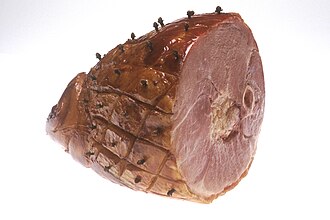
Photo: Wikipedia
This is a lean, unheated cut of cured ham, sliced from a whole, boneless leg. Its texture is firm yet tender, with a delicate, salty-sweet flavor profile and a clean, meaty finish. Nutritionally, it's a powerhouse of high-quality protein with minimal fat and carbohydrates.
Calorie split: 70% protein · 4% carbs · 26% fat
↓ Full nutrition💚 Why it's loved
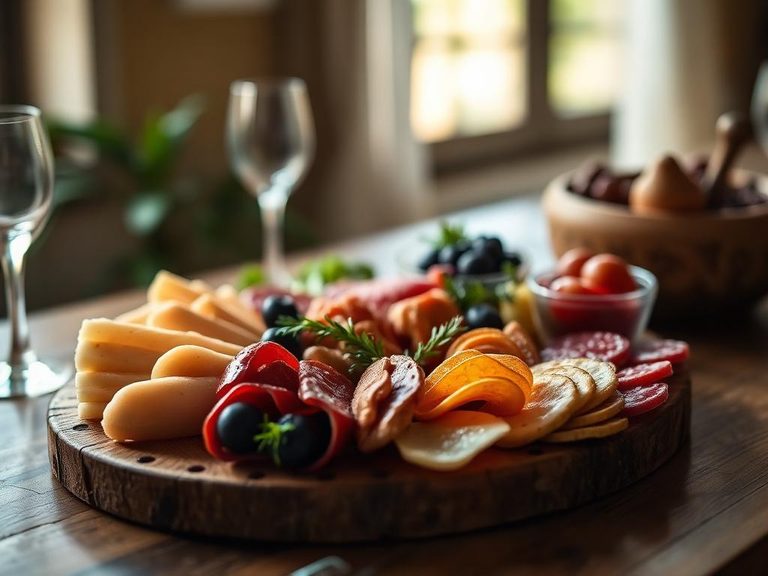
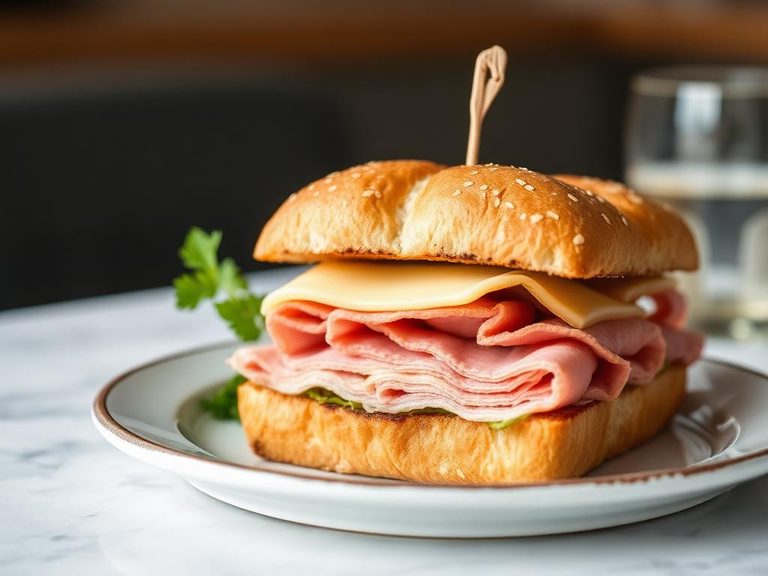
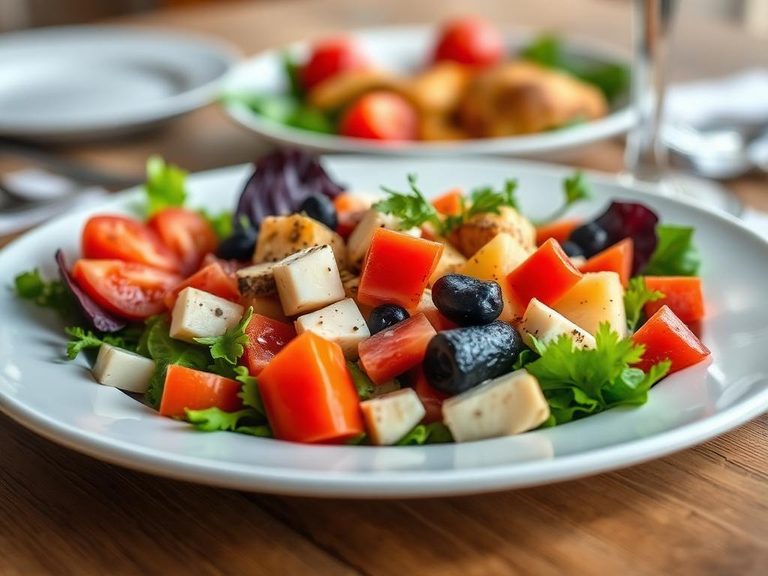
People love it for its delicate, savory flavor that isn't overpowering, making it a versatile ingredient in both simple and complex dishes. It's a cultural staple in charcuterie boards, sandwiches, and salads across many cuisines.
⚠️ Watch-outs & how to enjoy it better
The primary concern is its high sodium content from the curing process, which can be problematic for those monitoring salt intake. To counteract this, pair it with potassium-rich foods like leafy greens or avocado, and practice portion control. It's also a processed meat, so moderation is key.
Key benefits
- Excellent source of complete protein for muscle maintenance.
- Very low in fat, especially saturated fat.
- Carb-free, suitable for low-carb and ketogenic diets.
- Provides essential minerals like zinc and selenium.
- Convenient, ready-to-eat protein source.
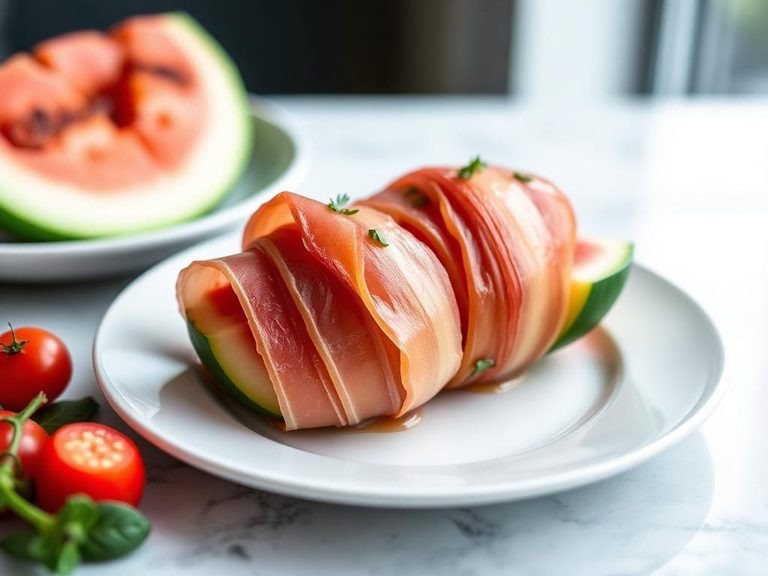
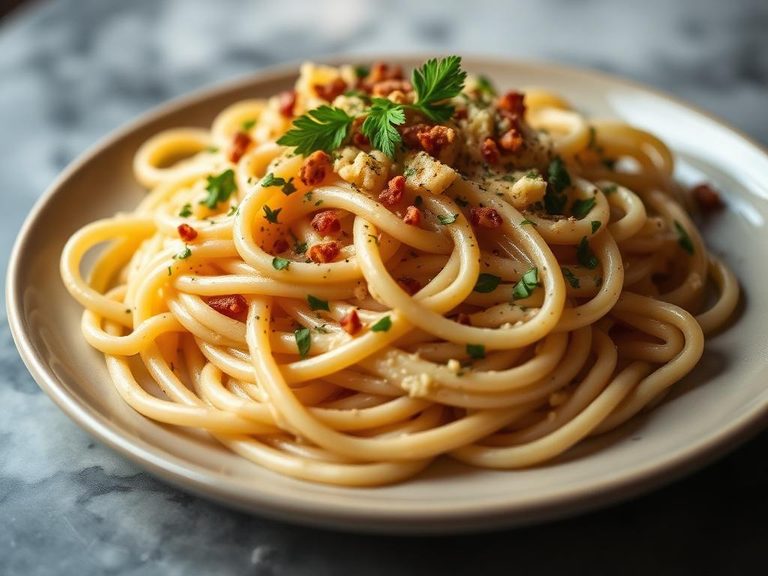
🍽️ Popular dishes

🌍 Where it's eaten
💡 Did you know?
The process of curing ham with salt and air-drying can date back thousands of years, with evidence found in ancient Chinese and Roman cultures.
Full nutrition (USDA data · scales with serving)
| Water | 72.8 g |
| Energy | 111 kcal |
| Energy | 463 kj |
| Protein | 19.4 g |
| Total lipid (fat) | 3.2 g |
| Ash | 3.6 g |
| Carbohydrate, by difference | 1.0 g |
| Fiber, total dietary | 0.00 g |
| Total Sugars | 1.0 g |
| Sucrose | 0.28 g |
| Glucose | 0.74 g |
| Fructose | 0.01 g |
| Lactose | 0.00 g |
| Maltose | 0.00 g |
| Galactose | 0.00 g |
| Calcium, Ca | 6.0 mg |
| Iron, Fe | 0.87 mg |
| Magnesium, Mg | 21.0 mg |
| Phosphorus, P | 303 mg |
| Potassium, K | 347 mg |
| Sodium, Na | 1098 mg |
| Zinc, Zn | 2.0 mg |
| Copper, Cu | 0.14 mg |
| Manganese, Mn | 0.03 mg |
| Selenium, Se | 34.5 ug |
| Vitamin C, total ascorbic acid | 0.00 mg |
| Thiamin | 0.53 mg |
| Riboflavin | 0.21 mg |
| Niacin | 6.9 mg |
| Pantothenic acid | 0.79 mg |
| Vitamin B-6 | 0.47 mg |
| Folate, total | 1.0 ug |
| Folic acid | 0.00 ug |
| Folate, food | 1.0 ug |
| Folate, DFE | 1.0 ug |
| Choline, total | 75.2 mg |
| Betaine | 5.5 mg |
| Vitamin B-12 | 0.41 ug |
| Vitamin B-12, added | 0.00 ug |
| Vitamin A, RAE | 13.0 ug |
| Retinol | 13.0 ug |
| Carotene, beta | 0.00 ug |
| Carotene, alpha | 0.00 ug |
| Cryptoxanthin, beta | 0.00 ug |
| Vitamin A, IU | 44.0 iu |
| Lycopene | 0.00 ug |
| Lutein + zeaxanthin | 0.00 ug |
| Vitamin E (alpha-tocopherol) | 0.26 mg |
| Vitamin E, added | 0.00 mg |
| Tocopherol, beta | 0.01 mg |
| Tocopherol, gamma | 0.03 mg |
| Tocopherol, delta | 0.00 mg |
| Tocotrienol, alpha | 0.04 mg |
| Tocotrienol, beta | 0.00 mg |
| Tocotrienol, gamma | 0.00 mg |
| Tocotrienol, delta | 0.00 mg |
| Vitamin D (D2 + D3), International Units | 25.0 iu |
| Vitamin D (D2 + D3) | 0.60 ug |
| Vitamin D3 (cholecalciferol) | 0.60 ug |
| Vitamin K (phylloquinone) | 0.00 ug |
| Vitamin K (Dihydrophylloquinone) | 0.00 ug |
| Vitamin K (Menaquinone-4) | 3.3 ug |
| Alcohol, ethyl | 0.00 g |
| Caffeine | 0.00 mg |
| Theobromine | 0.00 mg |
Fat & fatty acid profile (per 100g)
| Fatty acids, total saturated | 0.93 g |
| SFA 4:0 | 0.00 g |
| SFA 6:0 | 0.00 g |
| SFA 8:0 | 0.00 g |
| SFA 10:0 | 0.00 g |
| SFA 12:0 | 0.00 g |
| SFA 14:0 | 0.03 g |
| SFA 15:0 | 0.00 g |
| SFA 16:0 | 0.59 g |
| SFA 17:0 | 0.01 g |
| SFA 18:0 | 0.29 g |
| SFA 20:0 | 0.00 g |
| SFA 22:0 | 0.01 g |
| Fatty acids, total monounsaturated | 1.3 g |
| MUFA 14:1 | 0.00 g |
| MUFA 15:1 | 0.00 g |
| MUFA 16:1 | 0.08 g |
| MUFA 17:1 | 0.00 g |
| MUFA 18:1 | 1.2 g |
| MUFA 18:1 c | 1.2 g |
| MUFA 20:1 | 0.02 g |
| MUFA 22:1 | 0.00 g |
| Fatty acids, total polyunsaturated | 0.40 g |
| PUFA 18:2 | 0.32 g |
| PUFA 18:2 n-6 c,c | 0.31 g |
| PUFA 18:3 | 0.01 g |
| PUFA 18:3 n-3 c,c,c (ALA) | 0.01 g |
| PUFA 18:3 n-6 c,c,c | 0.00 g |
| PUFA 18:4 | 0.00 g |
| PUFA 20:2 n-6 c,c | 0.01 g |
| PUFA 20:3 | 0.00 g |
| PUFA 20:4 | 0.06 g |
| PUFA 20:5 n-3 (EPA) | 0.00 g |
| PUFA 22:5 n-3 (DPA) | 0.00 g |
| PUFA 22:6 n-3 (DHA) | 0.00 g |
| Fatty acids, total trans | 0.02 g |
| Fatty acids, total trans-monoenoic | 0.01 g |
| TFA 18:1 t | 0.01 g |
| TFA 18:2 t,t | 0.01 g |
| Fatty acids, total trans-polyenoic | 0.01 g |
| Cholesterol | 53.0 mg |
Amino acid profile (per 100g)
| Tryptophan | 0.18 g |
| Threonine | 0.87 g |
| Isoleucine | 0.88 g |
| Leucine | 1.6 g |
| Lysine | 1.6 g |
| Methionine | 0.47 g |
| Cystine | 0.22 g |
| Phenylalanine | 0.78 g |
| Tyrosine | 0.63 g |
| Valine | 0.98 g |
| Arginine | 1.2 g |
| Histidine | 0.85 g |
| Alanine | 1.1 g |
| Aspartic acid | 1.7 g |
| Glutamic acid | 2.8 g |
| Glycine | 1.0 g |
| Proline | 0.83 g |
| Serine | 0.76 g |
| Hydroxyproline | 0.10 g |
FAQ
Is this the same as prosciutto?
Not exactly. While similar, prosciutto is a specific Italian dry-cured ham, often from the hind leg of a pig and cured for months. This item is a more general category of cured, boneless ham with natural juices, which may be wet-cured or smoked.
How should I store it after opening?
Once opened, wrap the unused portion tightly in plastic wrap or place it in an airtight container. It should be refrigerated and consumed within 3-5 days for best quality and safety.
Can I cook with this ham?
Yes, though it's pre-cooked and ready to eat. You can pan-fry slices until crispy, dice it into omelets, or add it to quiches and baked dishes. Heating will intensify its savory flavor.
Nutrient density (calculated · NRF9.3)
Nutrient Rich Foods index: beneficial nutrients (protein, fiber, vitamins, minerals) minus saturated fat, added sugar & sodium, per 100 kcal.
NRF9.3 index — Fulgoni, Keast & Drewnowski, 2009. Computed from USDA nutrients.
Weight-loss friendliness (composite index)
Energy density 1.11 kcal/g · 70% calories from protein · 0.0 g fiber · 1.0 g sugar per 100 g.
Composite of energy density (Rolls et al., 1999), protein & fiber satiety, minus sugar. A calculated heuristic — ranks satiety-per-calorie, not a clinical measure.
Dietary load (calculated from USDA values)
Potential renal acid load. Positive = acid-forming, negative = alkaline-forming.
Sodium-to-potassium ratio: 3.16 (lower is better — aim for ≤ 1)
Sodium:potassium per WHO potassium guidance. Computed from USDA nutrients.