

Fish, tuna, light, canned in water, drained solids (Includes foods for USDA's Food Distribution Program)
Whole food · Finfish and Shellfish Products
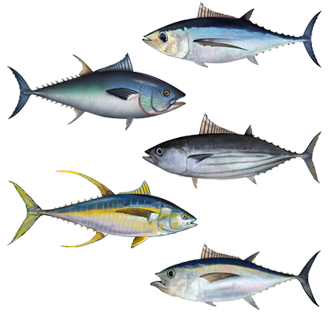
Photo: Wikipedia
This is lean, protein-packed tuna, gently cooked and preserved in water, offering a clean, mild flavor and a firm, flaky texture. It's a nutritional powerhouse, delivering an impressive 19.44 grams of protein per 100-gram serving with virtually no fat or carbohydrates, making it a staple for high-protein, low-calorie diets.
Calorie split: 90% protein · 0% carbs · 10% fat
↓ Full nutrition💚 Why it's loved
People love it for its incredible versatility and mild, savory taste that acts as a blank canvas in the kitchen. It's a quick, affordable, and reliable protein source that fits seamlessly into salads, sandwiches, and pasta dishes across many global cuisines.
⚠️ Watch-outs & how to enjoy it better
Some may find the texture dry or the flavor too plain compared to oil-packed varieties. A key caution is mercury content; while light tuna is lower in mercury than albacore, frequent consumers should vary their seafood choices. To counteract dryness, mix it with a small amount of olive oil, avocado, or Greek yogurt, and consider pairing with vitamin-C-rich foods like lemon or bell peppers to enhance mineral absorption.
Key benefits
- Excellent source of high-quality, complete protein
- Extremely low in calories and fat
- Provides essential omega-3 fatty acids (EPA & DHA)
- Convenient, shelf-stable source of lean protein
- Rich in selenium and B vitamins like niacin and B12
🍽️ Popular dishes
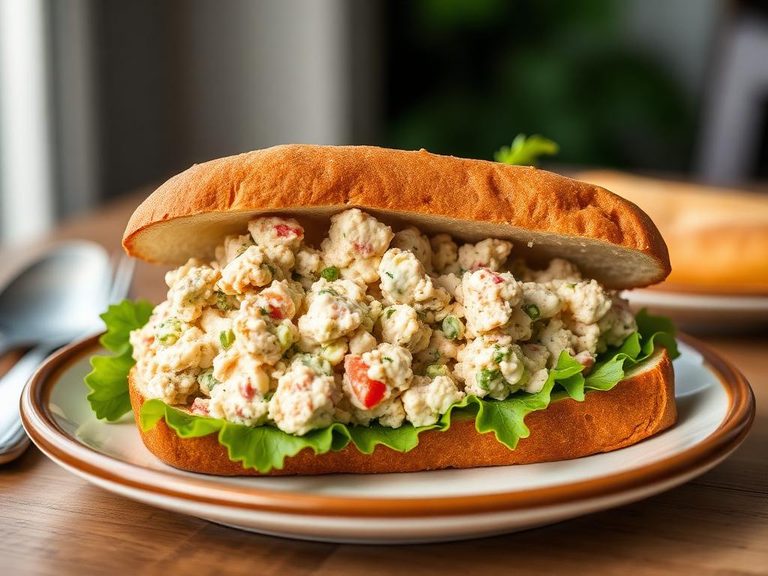
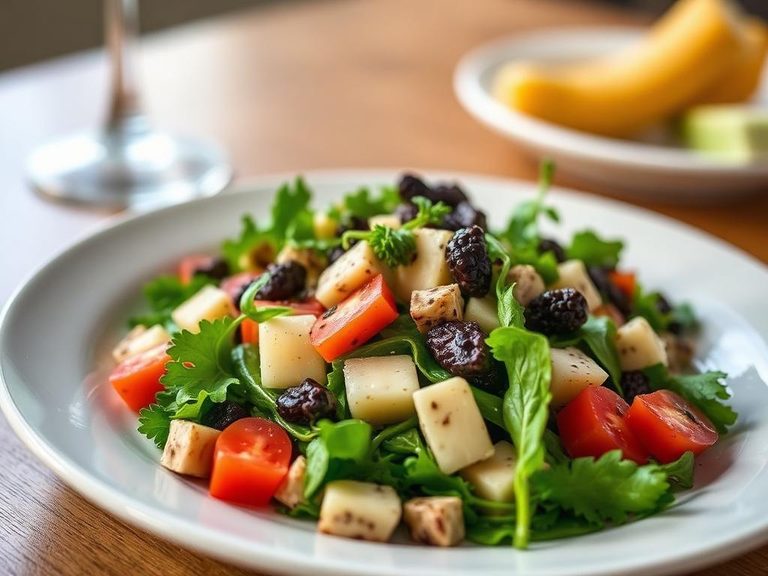
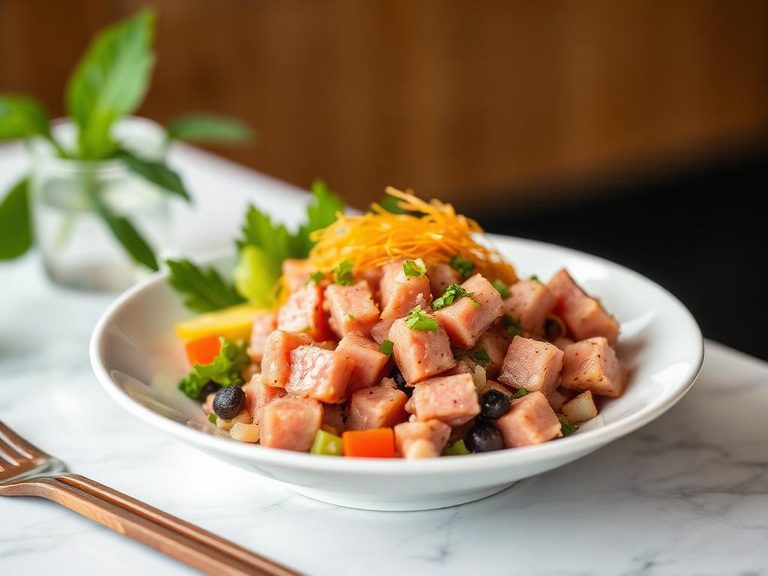
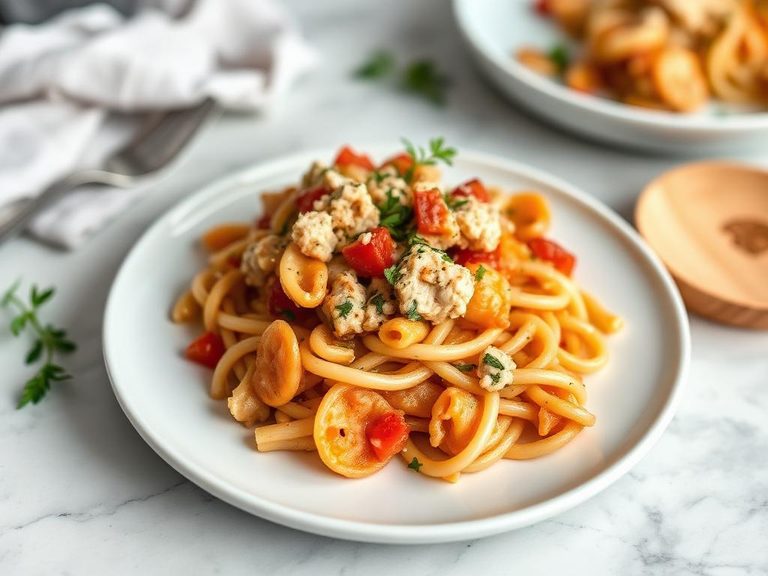

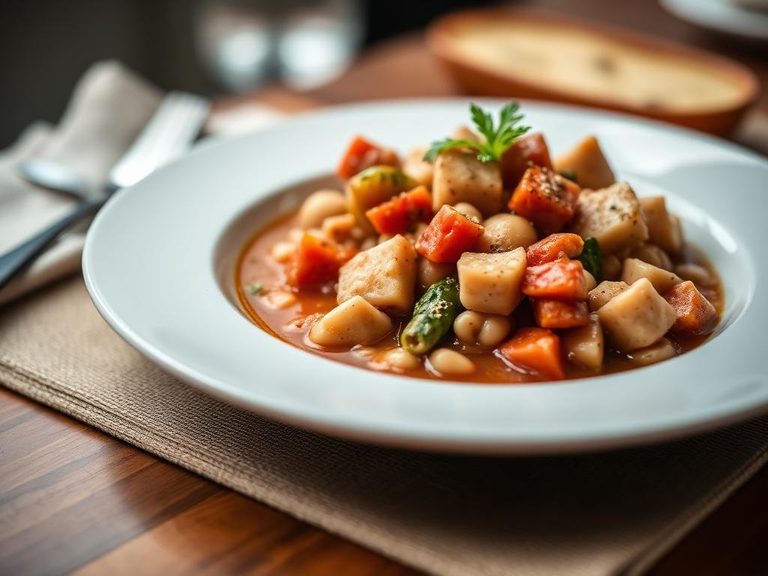
🌍 Where it's eaten
💡 Did you know?
The process for canning tuna was developed in the early 1900s in California, specifically to meet the demand from Japanese immigrant fishermen who wanted a way to preserve their catch of bluefin tuna for export back to Japan.
Full nutrition (USDA data · scales with serving)
| Water | 78.1 g |
| Energy | 86.0 kcal |
| Energy | 361 kj |
| Protein | 19.4 g |
| Total lipid (fat) | 0.96 g |
| Ash | 0.95 g |
| Carbohydrate, by difference | 0.00 g |
| Fiber, total dietary | 0.00 g |
| Total Sugars | 0.00 g |
| Calcium, Ca | 17.0 mg |
| Iron, Fe | 1.6 mg |
| Magnesium, Mg | 23.0 mg |
| Phosphorus, P | 139 mg |
| Potassium, K | 179 mg |
| Sodium, Na | 247 mg |
| Zinc, Zn | 0.69 mg |
| Copper, Cu | 0.05 mg |
| Manganese, Mn | 0.02 mg |
| Selenium, Se | 70.6 ug |
| Fluoride, F | 18.6 ug |
| Vitamin C, total ascorbic acid | 0.00 mg |
| Thiamin | 0.03 mg |
| Riboflavin | 0.08 mg |
| Niacin | 10.1 mg |
| Pantothenic acid | 0.15 mg |
| Vitamin B-6 | 0.32 mg |
| Folate, total | 4.0 ug |
| Folic acid | 0.00 ug |
| Folate, food | 4.0 ug |
| Folate, DFE | 4.0 ug |
| Choline, total | 29.3 mg |
| Betaine | 2.7 mg |
| Vitamin B-12 | 2.5 ug |
| Vitamin B-12, added | 0.00 ug |
| Vitamin A, RAE | 17.0 ug |
| Retinol | 17.0 ug |
| Carotene, beta | 0.00 ug |
| Carotene, alpha | 0.00 ug |
| Cryptoxanthin, beta | 0.00 ug |
| Vitamin A, IU | 57.0 iu |
| Lycopene | 0.00 ug |
| Lutein + zeaxanthin | 0.00 ug |
| Vitamin E (alpha-tocopherol) | 0.33 mg |
| Vitamin E, added | 0.00 mg |
| Tocopherol, beta | 0.00 mg |
| Tocopherol, gamma | 0.00 mg |
| Tocopherol, delta | 0.00 mg |
| Tocotrienol, alpha | 0.05 mg |
| Tocotrienol, beta | 0.00 mg |
| Tocotrienol, delta | 0.00 mg |
| Vitamin D (D2 + D3), International Units | 47.0 iu |
| Vitamin D (D2 + D3) | 1.2 ug |
| Vitamin D3 (cholecalciferol) | 1.2 ug |
| Vitamin K (phylloquinone) | 0.20 ug |
| Vitamin K (Dihydrophylloquinone) | 0.00 ug |
| Alcohol, ethyl | 0.00 g |
| Caffeine | 0.00 mg |
| Theobromine | 0.00 mg |
Fat & fatty acid profile (per 100g)
| Fatty acids, total saturated | 0.21 g |
| SFA 4:0 | 0.00 g |
| SFA 6:0 | 0.00 g |
| SFA 8:0 | 0.00 g |
| SFA 10:0 | 0.01 g |
| SFA 12:0 | 0.00 g |
| SFA 14:0 | 0.01 g |
| SFA 15:0 | 0.01 g |
| SFA 16:0 | 0.13 g |
| SFA 17:0 | 0.01 g |
| SFA 18:0 | 0.05 g |
| SFA 20:0 | 0.00 g |
| SFA 22:0 | 0.00 g |
| SFA 24:0 | 0.00 g |
| Fatty acids, total monounsaturated | 0.11 g |
| MUFA 14:1 | 0.00 g |
| MUFA 15:1 | 0.00 g |
| MUFA 16:1 | 0.01 g |
| MUFA 16:1 c | 0.01 g |
| MUFA 17:1 | 0.00 g |
| MUFA 18:1 | 0.08 g |
| MUFA 18:1 c | 0.08 g |
| MUFA 20:1 | 0.00 g |
| MUFA 22:1 | 0.00 g |
| MUFA 22:1 c | 0.00 g |
| MUFA 24:1 c | 0.00 g |
| Fatty acids, total polyunsaturated | 0.28 g |
| PUFA 18:2 | 0.01 g |
| PUFA 18:2 n-6 c,c | 0.01 g |
| PUFA 18:2 CLAs | 0.00 g |
| PUFA 18:3 | 0.00 g |
| PUFA 18:3 n-3 c,c,c (ALA) | 0.00 g |
| PUFA 18:3 n-6 c,c,c | 0.00 g |
| PUFA 18:4 | 0.00 g |
| PUFA 20:2 n-6 c,c | 0.00 g |
| PUFA 20:3 | 0.00 g |
| PUFA 20:3 n-3 | 0.00 g |
| PUFA 20:3 n-6 | 0.00 g |
| PUFA 20:4 | 0.03 g |
| PUFA 20:5 n-3 (EPA) | 0.03 g |
| PUFA 22:4 | 0.00 g |
| PUFA 22:5 n-3 (DPA) | 0.00 g |
| PUFA 22:6 n-3 (DHA) | 0.20 g |
| Fatty acids, total trans | 0.00 g |
| Fatty acids, total trans-monoenoic | 0.00 g |
| TFA 16:1 t | 0.00 g |
| TFA 18:1 t | 0.00 g |
| TFA 22:1 t | 0.00 g |
| TFA 18:2 t not further defined | 0.00 g |
| Fatty acids, total trans-polyenoic | 0.00 g |
| Cholesterol | 36.0 mg |
Amino acid profile (per 100g)
| Tryptophan | 0.21 g |
| Threonine | 0.82 g |
| Isoleucine | 0.86 g |
| Leucine | 1.5 g |
| Lysine | 1.7 g |
| Methionine | 0.55 g |
| Cystine | 0.20 g |
| Phenylalanine | 0.73 g |
| Tyrosine | 0.63 g |
| Valine | 0.96 g |
| Arginine | 1.1 g |
| Histidine | 0.55 g |
| Alanine | 1.1 g |
| Aspartic acid | 1.9 g |
| Glutamic acid | 2.8 g |
| Glycine | 0.89 g |
| Proline | 0.66 g |
| Serine | 0.76 g |
FAQ
What's the difference between 'chunk light' and 'solid white' tuna?
'Chunk light' is typically made from smaller, younger tuna species like skipjack or yellowfin, has a softer texture, and a stronger flavor. 'Solid white' is usually albacore, with a milder taste and firmer, more uniform flakes.
Is canned tuna in water as nutritious as fresh?
Yes, the canning process preserves the key nutrients like protein, omega-3s, and B vitamins very well. The main differences are a slightly softer texture and the potential for added sodium in the canning liquid.
How can I reduce the sodium in canned tuna?
Choose 'no salt added' varieties, or thoroughly rinse the drained tuna under cold running water for about 30 seconds. This can reduce sodium content by up to 40%.
Nutrient density (calculated · NRF9.3)
Nutrient Rich Foods index: beneficial nutrients (protein, fiber, vitamins, minerals) minus saturated fat, added sugar & sodium, per 100 kcal.
NRF9.3 index — Fulgoni, Keast & Drewnowski, 2009. Computed from USDA nutrients.
Weight-loss friendliness (composite index)
Energy density 0.86 kcal/g · 90% calories from protein · 0.0 g fiber · 0.0 g sugar per 100 g.
Composite of energy density (Rolls et al., 1999), protein & fiber satiety, minus sugar. A calculated heuristic — ranks satiety-per-calorie, not a clinical measure.
Dietary load (calculated from USDA values)
Potential renal acid load. Positive = acid-forming, negative = alkaline-forming.
Sodium-to-potassium ratio: 1.38 (lower is better — aim for ≤ 1)
Sodium:potassium per WHO potassium guidance. Computed from USDA nutrients.