

Turkey, whole, breast, meat only, cooked, roasted
Whole food · Poultry Products
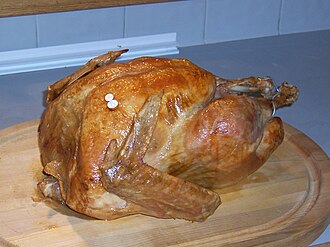
Photo: Wikipedia
Roasted turkey breast is a lean, white-meat powerhouse, offering a mild, subtly sweet flavor and a tender, fine-grained texture when cooked properly. It's a nutritional standout, delivering over 30 grams of high-quality protein per 100 grams with virtually no fat or carbohydrates, making it a staple for clean eating.
Calorie split: 87% protein · 0% carbs · 13% fat
↓ Full nutrition💚 Why it's loved
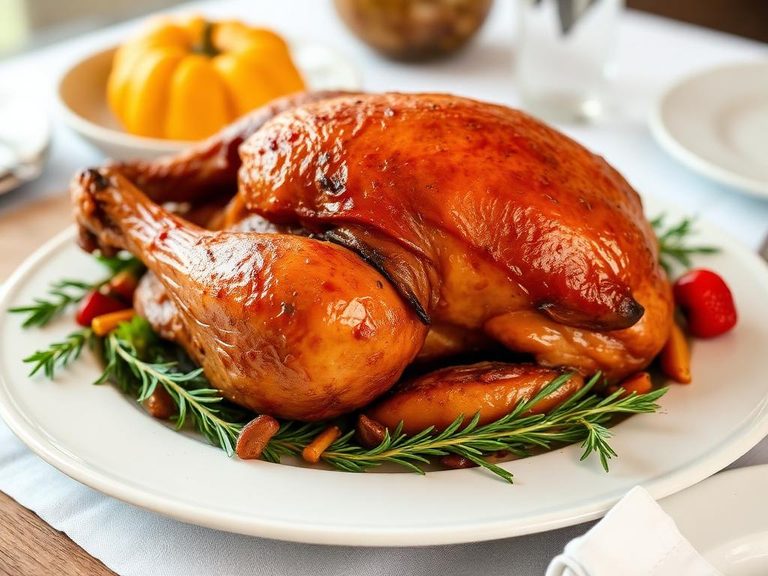
People love turkey breast for its incredible versatility—it acts as a blank canvas for marinades, rubs, and global flavors, easily transitioning from a holiday centerpiece to a quick weeknight meal. Its mild taste and satisfying texture make it a crowd-pleaser that pairs well with almost anything.
⚠️ Watch-outs & how to enjoy it better
The primary downside is its extreme leanness, which can lead to dry, tough meat if overcooked. To counteract this, brine the turkey before cooking, use a meat thermometer to pull it at 165°F (74°C), and always let it rest before slicing. Some pre-packaged deli turkey can be high in sodium, so choosing low-sodium varieties or cooking from scratch is advisable.
Key benefits
- Extremely high in complete protein for muscle repair and satiety.
- Very low in fat and calories, supporting weight management goals.
- Naturally carbohydrate-free, ideal for low-carb and ketogenic diets.
- A good source of B vitamins like niacin and B6 for energy metabolism.
- Contains minerals like selenium and phosphorus for immune and bone health.
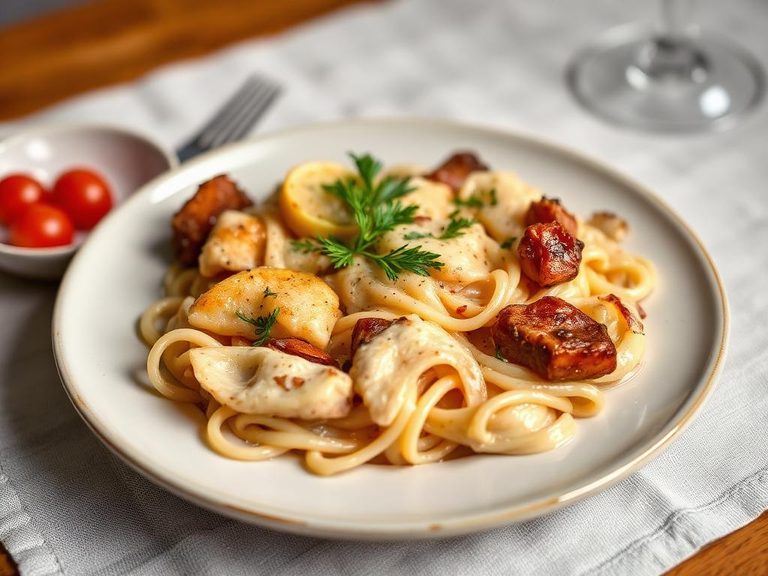
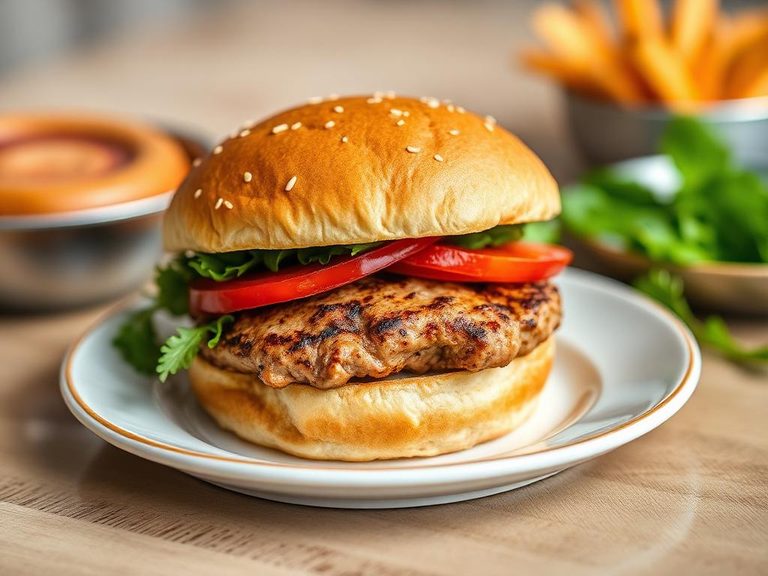
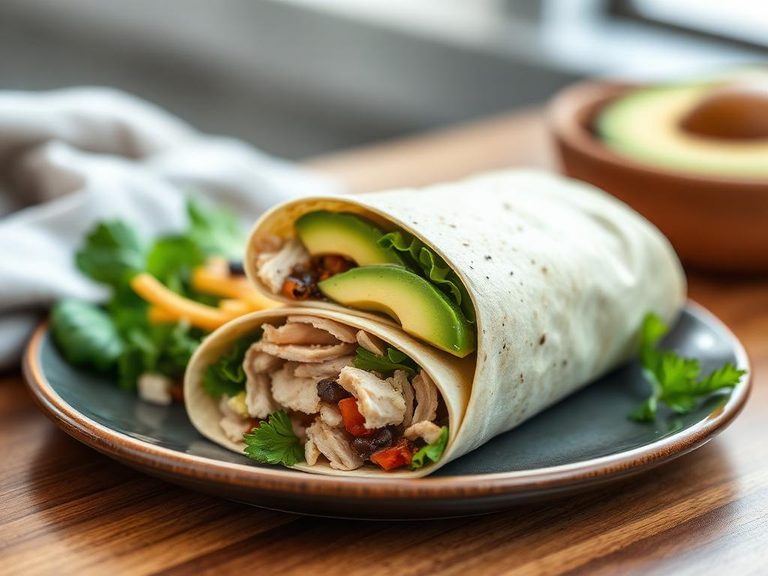
🍽️ Popular dishes
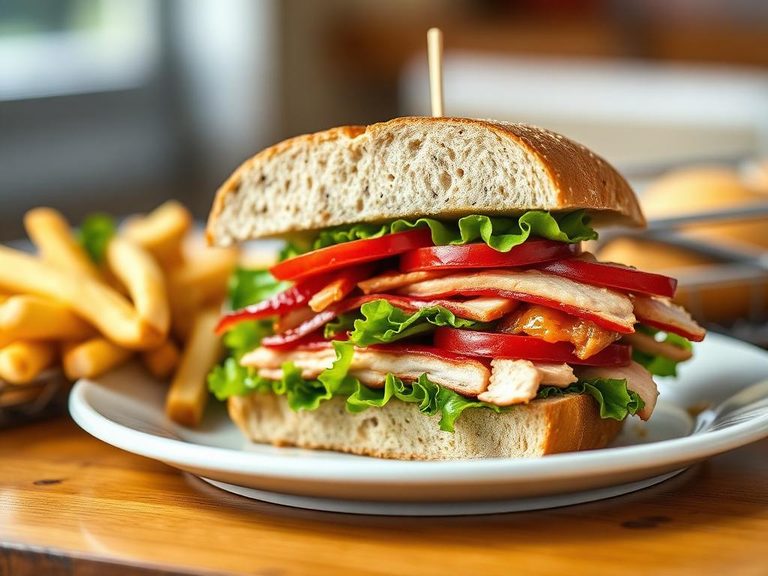
🌍 Where it's eaten
💡 Did you know?
Benjamin Franklin famously advocated for the turkey to be the national bird of the United States, calling it a 'much more respectable Bird' and a 'true original Native of America' compared to the bald eagle.
Full nutrition (USDA data · scales with serving)
| Water | 67.9 g |
| Energy | 147 kcal |
| Energy | 617 kj |
| Protein | 30.1 g |
| Total lipid (fat) | 2.1 g |
| Ash | 1.2 g |
| Carbohydrate, by difference | 0.00 g |
| Fiber, total dietary | 0.00 g |
| Total Sugars | 0.00 g |
| Calcium, Ca | 9.0 mg |
| Iron, Fe | 0.71 mg |
| Magnesium, Mg | 32.0 mg |
| Phosphorus, P | 230 mg |
| Potassium, K | 249 mg |
| Sodium, Na | 99.0 mg |
| Zinc, Zn | 1.7 mg |
| Copper, Cu | 0.06 mg |
| Manganese, Mn | 0.01 mg |
| Selenium, Se | 30.2 ug |
| Vitamin C, total ascorbic acid | 0.00 mg |
| Thiamin | 0.04 mg |
| Riboflavin | 0.20 mg |
| Niacin | 11.8 mg |
| Pantothenic acid | 0.90 mg |
| Vitamin B-6 | 0.81 mg |
| Folate, total | 9.0 ug |
| Folic acid | 0.00 ug |
| Folate, food | 9.0 ug |
| Folate, DFE | 9.0 ug |
| Choline, total | 84.4 mg |
| Betaine | 6.1 mg |
| Vitamin B-12 | 0.39 ug |
| Vitamin B-12, added | 0.00 ug |
| Vitamin A, RAE | 3.0 ug |
| Retinol | 3.0 ug |
| Carotene, beta | 0.00 ug |
| Carotene, alpha | 0.00 ug |
| Cryptoxanthin, beta | 0.00 ug |
| Vitamin A, IU | 11.0 iu |
| Lycopene | 0.00 ug |
| Lutein + zeaxanthin | 0.00 ug |
| Vitamin E (alpha-tocopherol) | 0.06 mg |
| Vitamin E, added | 0.00 mg |
| Tocopherol, beta | 0.00 mg |
| Tocopherol, gamma | 0.03 mg |
| Tocopherol, delta | 0.01 mg |
| Tocotrienol, alpha | 0.00 mg |
| Tocotrienol, beta | 0.00 mg |
| Tocotrienol, gamma | 0.03 mg |
| Tocotrienol, delta | 0.00 mg |
| Vitamin D (D2 + D3), International Units | 10.0 iu |
| Vitamin D (D2 + D3) | 0.30 ug |
| Vitamin D3 (cholecalciferol) | 0.30 ug |
| Vitamin K (phylloquinone) | 0.00 ug |
| Vitamin K (Dihydrophylloquinone) | 0.00 ug |
| Alcohol, ethyl | 0.00 g |
| Caffeine | 0.00 mg |
| Theobromine | 0.00 mg |
Fat & fatty acid profile (per 100g)
| Fatty acids, total saturated | 0.59 g |
| SFA 4:0 | 0.00 g |
| SFA 6:0 | 0.00 g |
| SFA 8:0 | 0.00 g |
| SFA 10:0 | 0.00 g |
| SFA 12:0 | 0.01 g |
| SFA 14:0 | 0.02 g |
| SFA 15:0 | 0.00 g |
| SFA 16:0 | 0.37 g |
| SFA 17:0 | 0.01 g |
| SFA 18:0 | 0.18 g |
| SFA 20:0 | 0.00 g |
| SFA 22:0 | 0.00 g |
| SFA 24:0 | 0.00 g |
| Fatty acids, total monounsaturated | 0.63 g |
| MUFA 14:1 | 0.00 g |
| MUFA 15:1 | 0.00 g |
| MUFA 16:1 | 0.06 g |
| MUFA 16:1 c | 0.06 g |
| MUFA 17:1 | 0.00 g |
| MUFA 18:1 | 0.56 g |
| MUFA 18:1 c | 0.54 g |
| MUFA 20:1 | 0.01 g |
| MUFA 22:1 | 0.00 g |
| MUFA 22:1 c | 0.00 g |
| MUFA 24:1 c | 0.00 g |
| Fatty acids, total polyunsaturated | 0.53 g |
| PUFA 18:2 | 0.43 g |
| PUFA 18:2 n-6 c,c | 0.43 g |
| PUFA 18:2 CLAs | 0.00 g |
| PUFA 18:3 | 0.02 g |
| PUFA 18:3 n-3 c,c,c (ALA) | 0.02 g |
| PUFA 18:3 n-6 c,c,c | 0.00 g |
| PUFA 18:4 | 0.00 g |
| PUFA 20:2 n-6 c,c | 0.01 g |
| PUFA 20:3 | 0.01 g |
| PUFA 20:3 n-3 | 0.00 g |
| PUFA 20:3 n-6 | 0.01 g |
| PUFA 20:4 | 0.04 g |
| PUFA 20:5 n-3 (EPA) | 0.00 g |
| PUFA 22:4 | 0.01 g |
| PUFA 22:5 n-3 (DPA) | 0.01 g |
| PUFA 22:6 n-3 (DHA) | 0.00 g |
| Fatty acids, total trans | 0.02 g |
| Fatty acids, total trans-monoenoic | 0.02 g |
| TFA 16:1 t | 0.00 g |
| TFA 18:1 t | 0.02 g |
| TFA 22:1 t | 0.00 g |
| TFA 18:2 t not further defined | 0.00 g |
| Fatty acids, total trans-polyenoic | 0.00 g |
| Cholesterol | 80.0 mg |
Amino acid profile (per 100g)
| Tryptophan | 0.29 g |
| Threonine | 0.98 g |
| Isoleucine | 0.77 g |
| Leucine | 1.9 g |
| Lysine | 2.2 g |
| Methionine | 0.70 g |
| Cystine | 0.25 g |
| Phenylalanine | 0.87 g |
| Tyrosine | 0.80 g |
| Valine | 0.86 g |
| Arginine | 1.5 g |
| Histidine | 0.73 g |
| Alanine | 1.5 g |
| Aspartic acid | 2.2 g |
| Glutamic acid | 3.7 g |
| Glycine | 1.2 g |
| Proline | 1.5 g |
| Serine | 1.1 g |
FAQ
How do I keep roasted turkey breast from drying out?
The key is to not overcook it. Use a meat thermometer and remove it from the oven when the thickest part reaches 165°F (74°C). Letting the meat rest for 10-15 minutes before carving allows the juices to redistribute. Brining (soaking in salt water) beforehand also dramatically improves moisture retention.
Is turkey breast a good option for weight loss?
Yes, it's an excellent choice. It's very high in protein, which promotes fullness and helps preserve muscle mass during calorie restriction, while being low in both calories and fat. Just be mindful of added fats during cooking and high-sodium preparations.
What's the difference between roasted turkey breast and deli turkey?
Roasted turkey breast is typically whole-muscle meat cooked from raw, with minimal additives. Deli turkey is often processed, may contain added water, phosphates, and significantly higher levels of sodium and preservatives for shelf life and texture.
Nutrient density (calculated · NRF9.3)
Nutrient Rich Foods index: beneficial nutrients (protein, fiber, vitamins, minerals) minus saturated fat, added sugar & sodium, per 100 kcal.
NRF9.3 index — Fulgoni, Keast & Drewnowski, 2009. Computed from USDA nutrients.
Weight-loss friendliness (composite index)
Energy density 1.47 kcal/g · 82% calories from protein · 0.0 g fiber · 0.0 g sugar per 100 g.
Composite of energy density (Rolls et al., 1999), protein & fiber satiety, minus sugar. A calculated heuristic — ranks satiety-per-calorie, not a clinical measure.
Dietary load (calculated from USDA values)
Potential renal acid load. Positive = acid-forming, negative = alkaline-forming.
Sodium-to-potassium ratio: 0.40 (lower is better — aim for ≤ 1)
Sodium:potassium per WHO potassium guidance. Computed from USDA nutrients.