

Turkey, drumstick, from whole bird, meat only, roasted
Whole food · Poultry Products

Photo: Wikipedia
A roasted turkey drumstick, meat only, is a lean, savory protein powerhouse with a firm, satisfying texture and a deep, poultry flavor that intensifies with roasting. Its exceptionally high protein-to-calorie ratio (30g protein for just 139 kcal) makes it a cornerstone of nutrient-dense meals, offering pure, unadulterated muscle fuel with virtually no fat or carbohydrates.
Calorie split: 87% protein · 0% carbs · 13% fat
↓ Full nutrition💚 Why it's loved
People adore the roasted drumstick for its rich, savory flavor that develops a deliciously crispy skin, and its versatility as a hearty centerpiece for family meals, from holiday feasts to simple weeknight dinners. It's a culturally iconic food, symbolizing celebration and comfort in many cuisines.
⚠️ Watch-outs & how to enjoy it better
The primary downside is its potential for high sodium content if heavily brined or seasoned, which can be a concern for those monitoring blood pressure. To counteract this, opt for home-roasting with herbs and spices instead of pre-packaged, salty preparations, and pair it with potassium-rich vegetables like roasted sweet potatoes or a fresh salad to help balance electrolytes.
Key benefits
- Excellent source of complete, high-quality protein for muscle maintenance and satiety.
- Very low in calories and fat, supporting weight management goals.
- Rich in essential minerals like selenium and phosphorus.
- Provides B vitamins, particularly niacin (B3), for energy metabolism.
- A versatile, whole-food protein source with minimal processing.
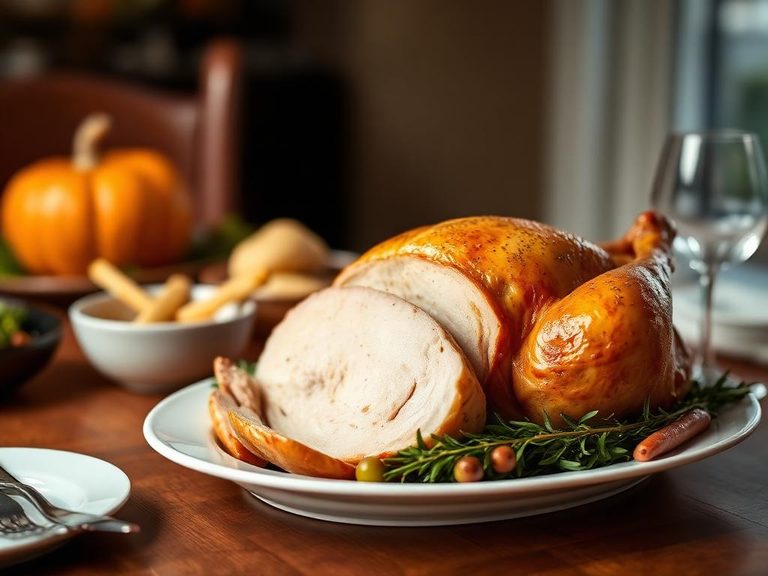
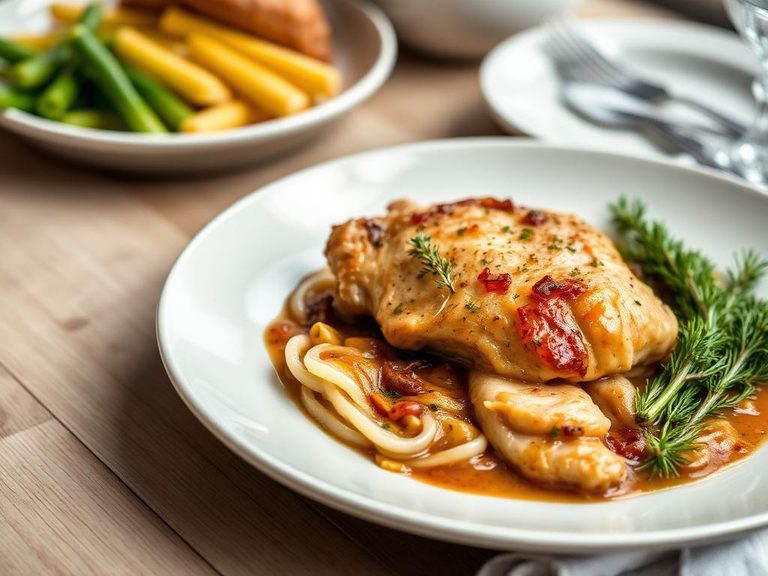
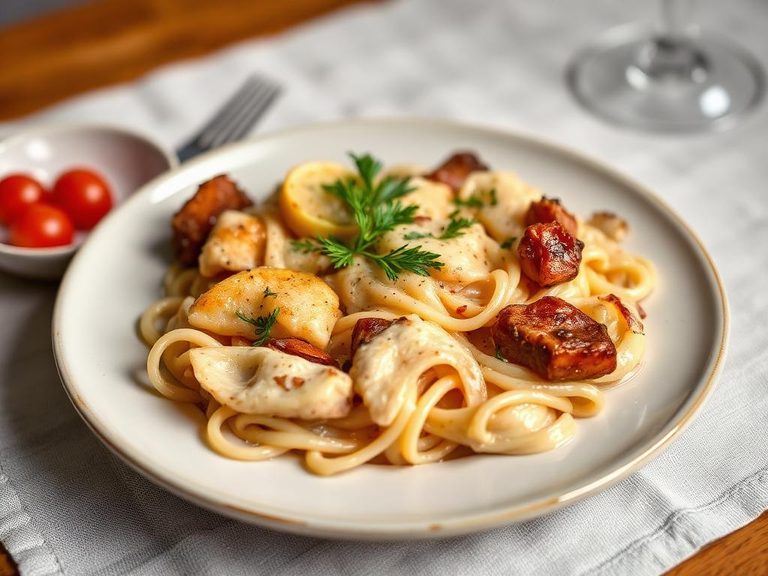
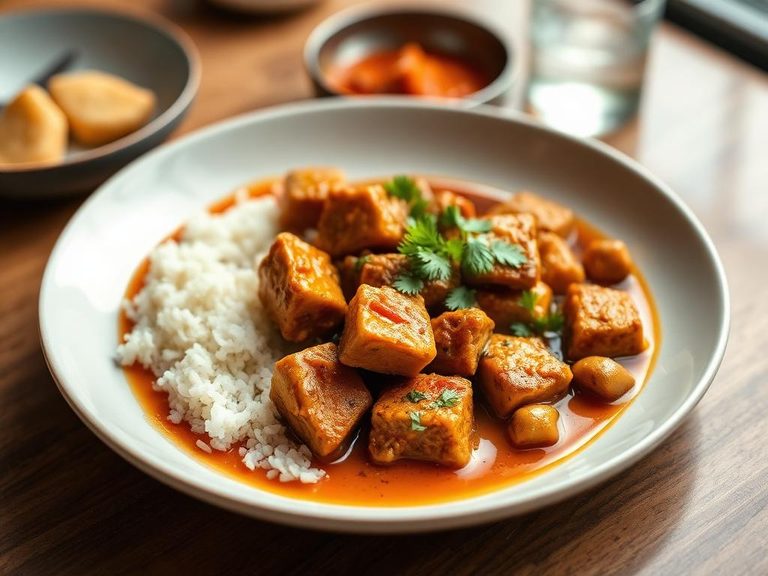
🍽️ Popular dishes


🌍 Where it's eaten
💡 Did you know?
The turkey drumstick's unique shape and size are due to it being the bird's primary limb for walking and running, making its dark meat richer in myoglobin (an oxygen-storing protein) than breast meat, which contributes to its deeper flavor and slightly higher fat content.
Full nutrition (USDA data · scales with serving)
| Water | 67.9 g |
| Energy | 139 kcal |
| Energy | 583 kj |
| Protein | 30.1 g |
| Total lipid (fat) | 2.1 g |
| Ash | 1.2 g |
| Carbohydrate, by difference | 0.00 g |
| Fiber, total dietary | 0.00 g |
| Total Sugars | 0.00 g |
| Calcium, Ca | 9.0 mg |
| Iron, Fe | 0.71 mg |
| Magnesium, Mg | 32.0 mg |
| Phosphorus, P | 230 mg |
| Potassium, K | 249 mg |
| Sodium, Na | 99.0 mg |
| Zinc, Zn | 1.7 mg |
| Copper, Cu | 0.06 mg |
| Manganese, Mn | 0.01 mg |
| Selenium, Se | 30.2 ug |
| Vitamin C, total ascorbic acid | 0.00 mg |
| Thiamin | 0.04 mg |
| Riboflavin | 0.20 mg |
| Niacin | 11.8 mg |
| Pantothenic acid | 0.90 mg |
| Vitamin B-6 | 0.81 mg |
| Folate, total | 10.0 ug |
| Folic acid | 0.00 ug |
| Folate, food | 10.0 ug |
| Folate, DFE | 10.0 ug |
| Choline, total | 104 mg |
| Betaine | 7.1 mg |
| Vitamin B-12 | 1.9 ug |
| Vitamin B-12, added | 0.00 ug |
| Vitamin A, RAE | 3.0 ug |
| Retinol | 3.0 ug |
| Carotene, beta | 0.00 ug |
| Carotene, alpha | 0.00 ug |
| Cryptoxanthin, beta | 0.00 ug |
| Vitamin A, IU | 11.0 iu |
| Lycopene | 0.00 ug |
| Lutein + zeaxanthin | 0.00 ug |
| Vitamin E (alpha-tocopherol) | 0.06 mg |
| Vitamin E, added | 0.00 mg |
| Tocopherol, beta | 0.00 mg |
| Tocopherol, gamma | 0.03 mg |
| Tocopherol, delta | 0.01 mg |
| Tocotrienol, alpha | 0.00 mg |
| Tocotrienol, beta | 0.00 mg |
| Tocotrienol, gamma | 0.03 mg |
| Tocotrienol, delta | 0.00 mg |
| Vitamin D (D2 + D3), International Units | 10.0 iu |
| Vitamin D (D2 + D3) | 0.30 ug |
| Vitamin D3 (cholecalciferol) | 0.30 ug |
| Vitamin K (phylloquinone) | 0.00 ug |
| Alcohol, ethyl | 0.00 g |
| Caffeine | 0.00 mg |
| Theobromine | 0.00 mg |
Fat & fatty acid profile (per 100g)
| Fatty acids, total saturated | 0.59 g |
| SFA 4:0 | 0.00 g |
| SFA 6:0 | 0.00 g |
| SFA 8:0 | 0.00 g |
| SFA 10:0 | 0.00 g |
| SFA 12:0 | 0.01 g |
| SFA 14:0 | 0.02 g |
| SFA 15:0 | 0.00 g |
| SFA 16:0 | 0.37 g |
| SFA 17:0 | 0.01 g |
| SFA 18:0 | 0.18 g |
| SFA 20:0 | 0.00 g |
| SFA 22:0 | 0.00 g |
| SFA 24:0 | 0.00 g |
| Fatty acids, total monounsaturated | 0.63 g |
| MUFA 14:1 | 0.00 g |
| MUFA 15:1 | 0.00 g |
| MUFA 16:1 | 0.06 g |
| MUFA 16:1 c | 0.06 g |
| MUFA 17:1 | 0.00 g |
| MUFA 18:1 | 0.56 g |
| MUFA 18:1 c | 0.54 g |
| MUFA 20:1 | 0.01 g |
| MUFA 22:1 | 0.00 g |
| MUFA 22:1 c | 0.00 g |
| MUFA 24:1 c | 0.00 g |
| Fatty acids, total polyunsaturated | 0.53 g |
| PUFA 18:2 | 0.43 g |
| PUFA 18:2 n-6 c,c | 0.43 g |
| PUFA 18:2 CLAs | 0.00 g |
| PUFA 18:3 | 0.02 g |
| PUFA 18:3 n-3 c,c,c (ALA) | 0.02 g |
| PUFA 18:3 n-6 c,c,c | 0.00 g |
| PUFA 18:4 | 0.00 g |
| PUFA 20:2 n-6 c,c | 0.01 g |
| PUFA 20:3 | 0.01 g |
| PUFA 20:3 n-3 | 0.00 g |
| PUFA 20:3 n-6 | 0.01 g |
| PUFA 20:4 | 0.04 g |
| PUFA 20:5 n-3 (EPA) | 0.00 g |
| PUFA 22:4 | 0.01 g |
| PUFA 22:5 n-3 (DPA) | 0.01 g |
| PUFA 22:6 n-3 (DHA) | 0.00 g |
| Fatty acids, total trans | 0.02 g |
| Fatty acids, total trans-monoenoic | 0.02 g |
| TFA 16:1 t | 0.00 g |
| TFA 18:1 t | 0.02 g |
| TFA 22:1 t | 0.00 g |
| TFA 18:2 t not further defined | 0.00 g |
| Fatty acids, total trans-polyenoic | 0.00 g |
| Cholesterol | 80.0 mg |
Amino acid profile (per 100g)
| Tryptophan | 0.32 g |
| Threonine | 1.1 g |
| Isoleucine | 0.86 g |
| Leucine | 2.1 g |
| Lysine | 2.5 g |
| Methionine | 0.79 g |
| Cystine | 0.28 g |
| Phenylalanine | 0.97 g |
| Tyrosine | 0.90 g |
| Valine | 0.96 g |
| Arginine | 1.7 g |
| Histidine | 0.82 g |
| Alanine | 1.6 g |
| Aspartic acid | 2.4 g |
| Glutamic acid | 4.1 g |
| Glycine | 1.3 g |
| Proline | 1.6 g |
| Serine | 1.2 g |
FAQ
Is turkey drumstick dark meat healthier than breast meat?
It's slightly higher in fat and calories but also richer in iron, zinc, and B vitamins like B12. Both are excellent lean protein sources; the choice often comes down to flavor preference and specific nutritional goals.
How can I ensure my roasted turkey drumstick is juicy and not dry?
Brining (soaking in saltwater) before cooking helps retain moisture. Roasting at a moderate temperature (around 325°F/165°C) and using a meat thermometer to pull it at 165°F (74°C) internal temperature prevents overcooking. Letting it rest for 10-15 minutes after roasting is crucial.
Nutrient density (calculated · NRF9.3)
Nutrient Rich Foods index: beneficial nutrients (protein, fiber, vitamins, minerals) minus saturated fat, added sugar & sodium, per 100 kcal.
NRF9.3 index — Fulgoni, Keast & Drewnowski, 2009. Computed from USDA nutrients.
Weight-loss friendliness (composite index)
Energy density 1.39 kcal/g · 87% calories from protein · 0.0 g fiber · 0.0 g sugar per 100 g.
Composite of energy density (Rolls et al., 1999), protein & fiber satiety, minus sugar. A calculated heuristic — ranks satiety-per-calorie, not a clinical measure.
Dietary load (calculated from USDA values)
Potential renal acid load. Positive = acid-forming, negative = alkaline-forming.
Sodium-to-potassium ratio: 0.40 (lower is better — aim for ≤ 1)
Sodium:potassium per WHO potassium guidance. Computed from USDA nutrients.