

Turkey, all classes, liver, raw
Whole food · Poultry Products
Turkey liver is a dark, reddish-brown organ meat with a rich, mineral-forward flavor and a dense, smooth texture when raw. It is exceptionally high in protein and virtually carb-free, making it a powerhouse for those seeking nutrient-dense animal foods. Its taste is more pronounced and earthier than chicken liver, often described as having a deep, savory umami quality.
Calorie split: 60% protein · 0% carbs · 40% fat
↓ Full nutrition💚 Why it's loved
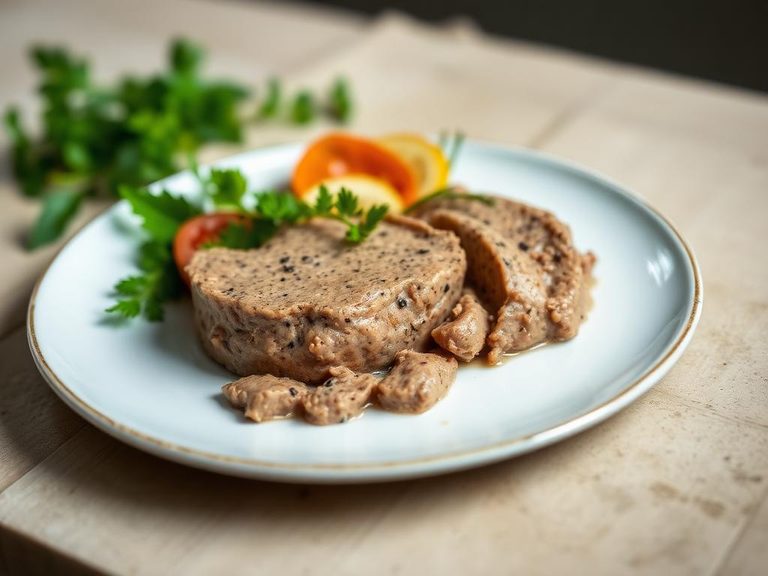
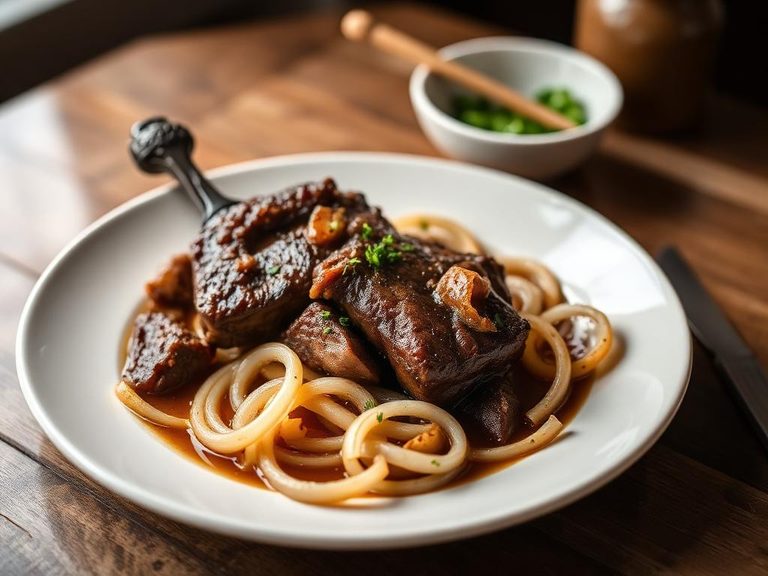
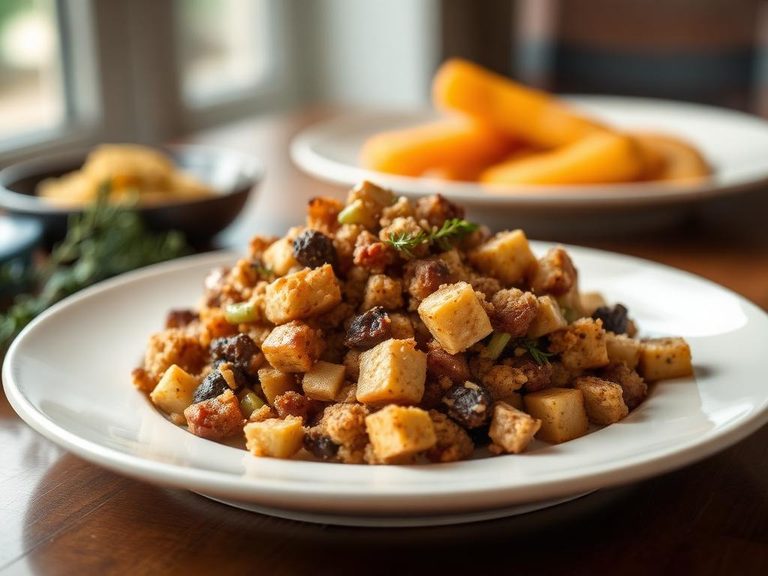
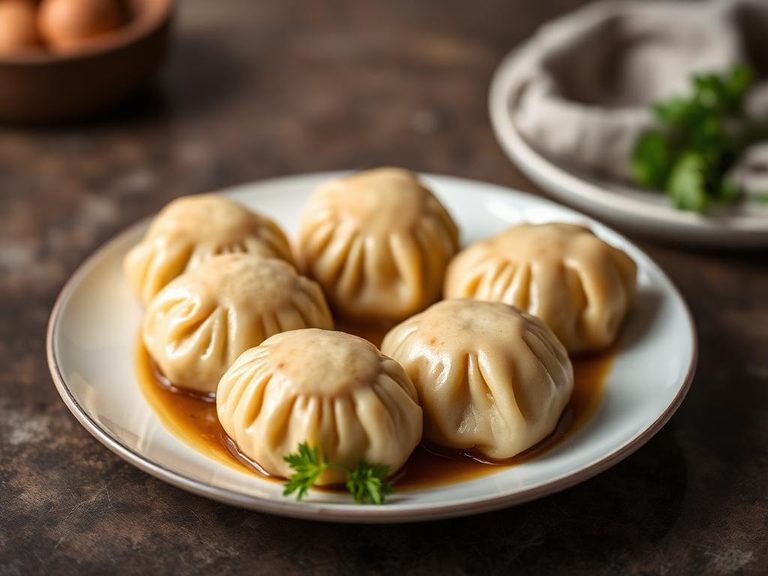
People love turkey liver for its intense, savory flavor that stands up well to bold seasonings and cooking methods like sautéing or grilling. It is a versatile ingredient in many cuisines, often used in pâtés, stuffings, and stews, adding depth and richness to dishes.
⚠️ Watch-outs & how to enjoy it better
Some find the flavor too strong or the texture too dense, and it can be high in cholesterol, which may concern those with specific health conditions. To counteract this, pair it with fiber-rich vegetables like roasted Brussels sprouts or kale, and practice portion control by limiting servings to 100g or less per meal.
Key benefits
- Extremely high in protein (18.26g per 100g) for muscle maintenance.
- Very low in calories (128 kcal per 100g) for a dense protein source.
- Contains zero carbohydrates, making it ideal for low-carb and ketogenic diets.
- Rich in essential vitamins like B12 and folate, crucial for nerve function and red blood cell formation.
🍽️ Popular dishes
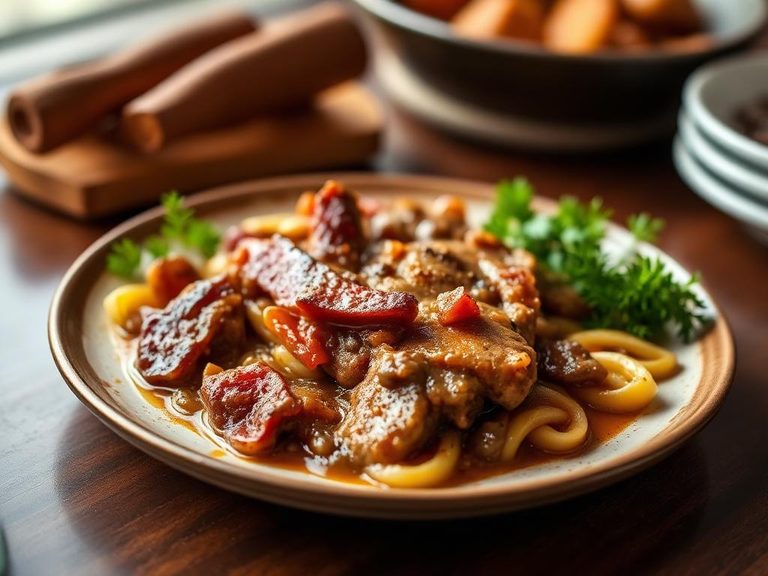
🌍 Where it's eaten
💡 Did you know?
Turkey liver is one of the few animal organs that is almost completely devoid of carbohydrates, making it a rare zero-carb meat option alongside some seafood.
Full nutrition (USDA data · scales with serving)
| Water | 75.5 g |
| Energy | 128 kcal |
| Energy | 534 kj |
| Protein | 18.3 g |
| Total lipid (fat) | 5.5 g |
| Ash | 1.3 g |
| Carbohydrate, by difference | 0.00 g |
| Fiber, total dietary | 0.00 g |
| Total Sugars | 0.00 g |
| Calcium, Ca | 20.0 mg |
| Iron, Fe | 8.9 mg |
| Magnesium, Mg | 24.0 mg |
| Phosphorus, P | 279 mg |
| Potassium, K | 214 mg |
| Sodium, Na | 131 mg |
| Zinc, Zn | 3.4 mg |
| Copper, Cu | 0.86 mg |
| Manganese, Mn | 0.30 mg |
| Selenium, Se | 68.7 ug |
| Vitamin C, total ascorbic acid | 24.5 mg |
| Thiamin | 0.21 mg |
| Riboflavin | 2.2 mg |
| Niacin | 11.2 mg |
| Pantothenic acid | 6.3 mg |
| Vitamin B-6 | 1.0 mg |
| Folate, total | 677 ug |
| Folic acid | 0.00 ug |
| Folate, food | 677 ug |
| Folate, DFE | 677 ug |
| Choline, total | 222 mg |
| Betaine | 3.0 mg |
| Vitamin B-12 | 19.7 ug |
| Vitamin B-12, added | 0.00 ug |
| Vitamin A, RAE | 8058 ug |
| Retinol | 8056 ug |
| Carotene, beta | 29.0 ug |
| Carotene, alpha | 0.00 ug |
| Cryptoxanthin, beta | 0.00 ug |
| Vitamin A, IU | 26901 iu |
| Lycopene | 0.00 ug |
| Lutein + zeaxanthin | 0.00 ug |
| Vitamin E (alpha-tocopherol) | 0.24 mg |
| Vitamin E, added | 0.00 mg |
| Tocopherol, beta | 0.00 mg |
| Tocopherol, gamma | 0.10 mg |
| Tocopherol, delta | 0.00 mg |
| Tocotrienol, alpha | 0.00 mg |
| Tocotrienol, beta | 0.00 mg |
| Tocotrienol, gamma | 0.03 mg |
| Tocotrienol, delta | 0.02 mg |
| Vitamin D (D2 + D3), International Units | 50.0 iu |
| Vitamin D (D2 + D3) | 1.3 ug |
| Vitamin D3 (cholecalciferol) | 1.3 ug |
| Vitamin K (phylloquinone) | 0.00 ug |
| Alcohol, ethyl | 0.00 g |
| Caffeine | 0.00 mg |
| Theobromine | 0.00 mg |
Fat & fatty acid profile (per 100g)
| Fatty acids, total saturated | 1.7 g |
| SFA 4:0 | 0.00 g |
| SFA 6:0 | 0.00 g |
| SFA 8:0 | 0.00 g |
| SFA 10:0 | 0.00 g |
| SFA 12:0 | 0.01 g |
| SFA 14:0 | 0.02 g |
| SFA 15:0 | 0.00 g |
| SFA 16:0 | 0.78 g |
| SFA 17:0 | 0.01 g |
| SFA 18:0 | 0.80 g |
| SFA 20:0 | 0.01 g |
| SFA 22:0 | 0.02 g |
| SFA 24:0 | 0.01 g |
| Fatty acids, total monounsaturated | 0.82 g |
| MUFA 14:1 | 0.00 g |
| MUFA 15:1 | 0.00 g |
| MUFA 16:1 | 0.04 g |
| MUFA 16:1 c | 0.04 g |
| MUFA 17:1 | 0.00 g |
| MUFA 18:1 | 0.74 g |
| MUFA 18:1 c | 0.70 g |
| MUFA 20:1 | 0.02 g |
| MUFA 22:1 | 0.00 g |
| MUFA 22:1 c | 0.00 g |
| MUFA 24:1 c | 0.01 g |
| Fatty acids, total polyunsaturated | 1.7 g |
| PUFA 18:2 | 1.1 g |
| PUFA 18:2 n-6 c,c | 1.1 g |
| PUFA 18:2 CLAs | 0.00 g |
| PUFA 18:3 | 0.04 g |
| PUFA 18:3 n-3 c,c,c (ALA) | 0.04 g |
| PUFA 18:3 n-6 c,c,c | 0.00 g |
| PUFA 18:4 | 0.00 g |
| PUFA 20:2 n-6 c,c | 0.01 g |
| PUFA 20:3 | 0.02 g |
| PUFA 20:3 n-3 | 0.00 g |
| PUFA 20:3 n-6 | 0.02 g |
| PUFA 20:4 | 0.38 g |
| PUFA 20:5 n-3 (EPA) | 0.01 g |
| PUFA 22:4 | 0.03 g |
| PUFA 22:5 n-3 (DPA) | 0.02 g |
| PUFA 22:6 n-3 (DHA) | 0.04 g |
| Fatty acids, total trans | 0.04 g |
| Fatty acids, total trans-monoenoic | 0.03 g |
| TFA 16:1 t | 0.00 g |
| TFA 18:1 t | 0.03 g |
| TFA 22:1 t | 0.00 g |
| TFA 18:2 t not further defined | 0.01 g |
| Fatty acids, total trans-polyenoic | 0.01 g |
| Cholesterol | 415 mg |
Amino acid profile (per 100g)
| Tryptophan | 0.20 g |
| Threonine | 0.66 g |
| Isoleucine | 0.52 g |
| Leucine | 1.3 g |
| Lysine | 1.4 g |
| Methionine | 0.46 g |
| Cystine | 0.21 g |
| Phenylalanine | 0.67 g |
| Tyrosine | 0.58 g |
| Valine | 0.64 g |
| Arginine | 1.1 g |
| Histidine | 0.40 g |
| Alanine | 1.0 g |
| Aspartic acid | 1.4 g |
| Glutamic acid | 2.4 g |
| Glycine | 0.99 g |
| Proline | 1.1 g |
| Serine | 0.78 g |
| Hydroxyproline | 0.06 g |
FAQ
Is turkey liver safe to eat raw?
While some cultures consume raw liver, it is generally recommended to cook it thoroughly to avoid potential bacterial contamination like salmonella.
How does turkey liver compare to chicken liver?
Turkey liver is typically larger, with a stronger, more robust flavor and a slightly denser texture compared to the milder, more delicate chicken liver.
Can I freeze turkey liver?
Yes, turkey liver can be frozen for up to 3 months. It's best to wrap it tightly in freezer-safe packaging to prevent freezer burn.
Nutrient density (calculated · NRF9.3)
Nutrient Rich Foods index: beneficial nutrients (protein, fiber, vitamins, minerals) minus saturated fat, added sugar & sodium, per 100 kcal.
NRF9.3 index — Fulgoni, Keast & Drewnowski, 2009. Computed from USDA nutrients.
Weight-loss friendliness (composite index)
Energy density 1.28 kcal/g · 57% calories from protein · 0.0 g fiber · 0.0 g sugar per 100 g.
Composite of energy density (Rolls et al., 1999), protein & fiber satiety, minus sugar. A calculated heuristic — ranks satiety-per-calorie, not a clinical measure.
Dietary load (calculated from USDA values)
Potential renal acid load. Positive = acid-forming, negative = alkaline-forming.
Sodium-to-potassium ratio: 0.61 (lower is better — aim for ≤ 1)
Sodium:potassium per WHO potassium guidance. Computed from USDA nutrients.