Liver Dumplings
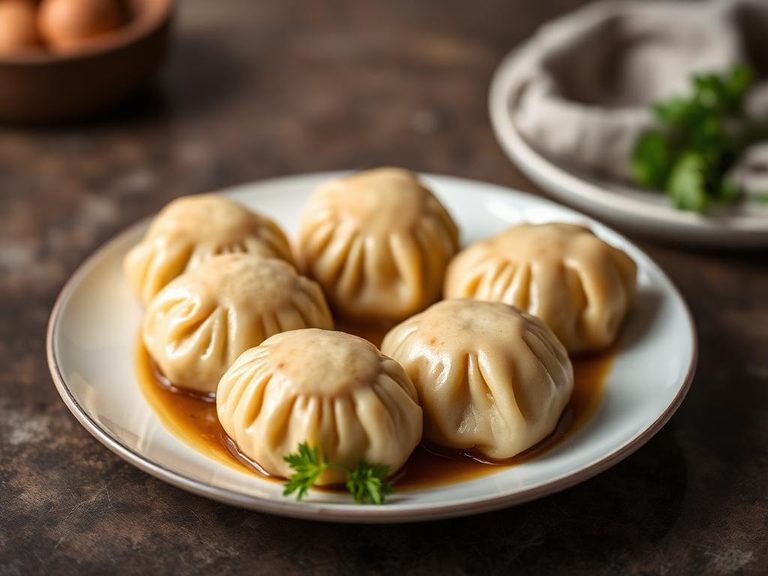
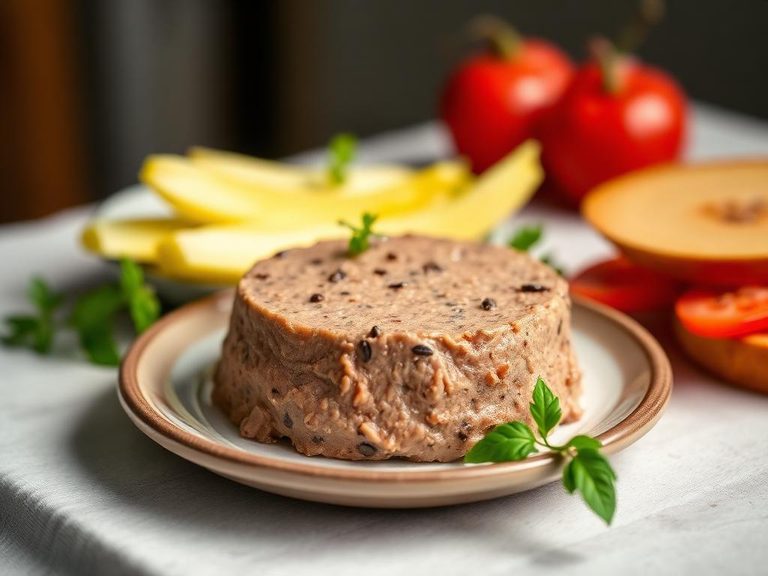
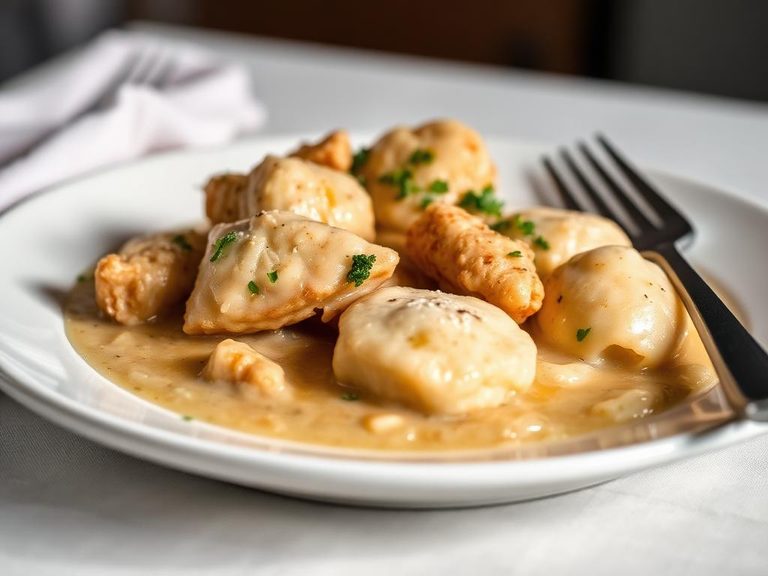
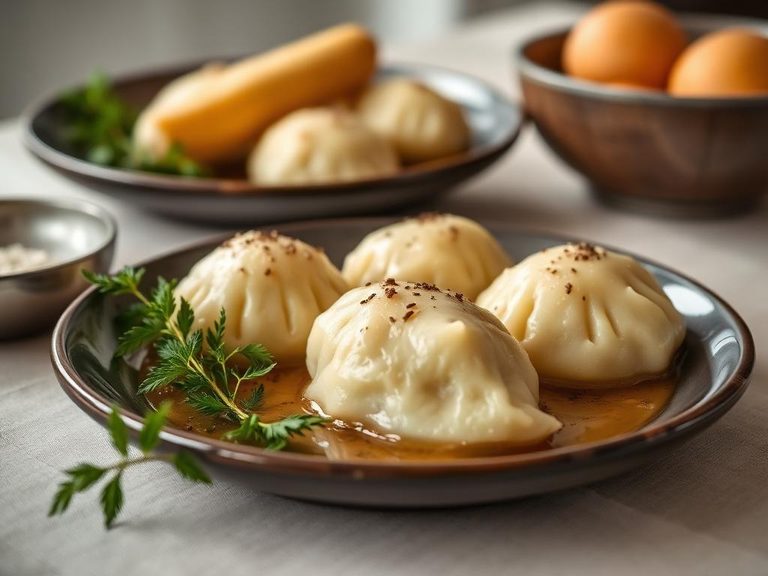
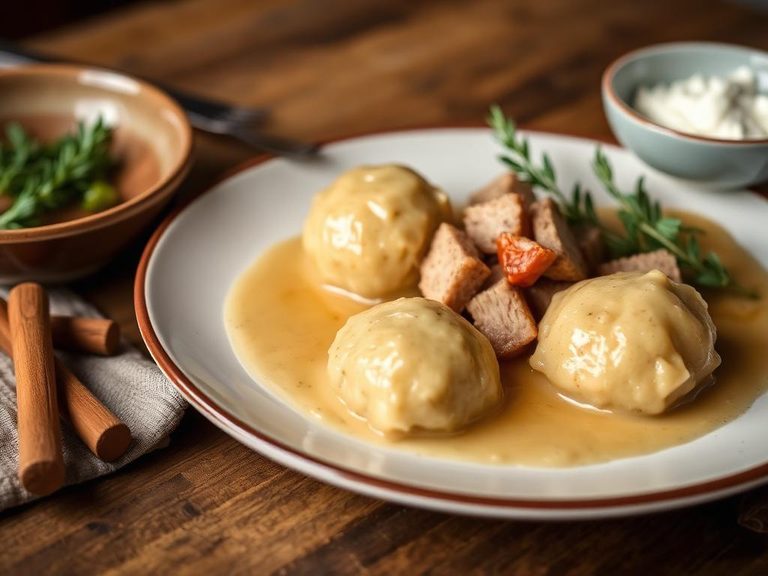
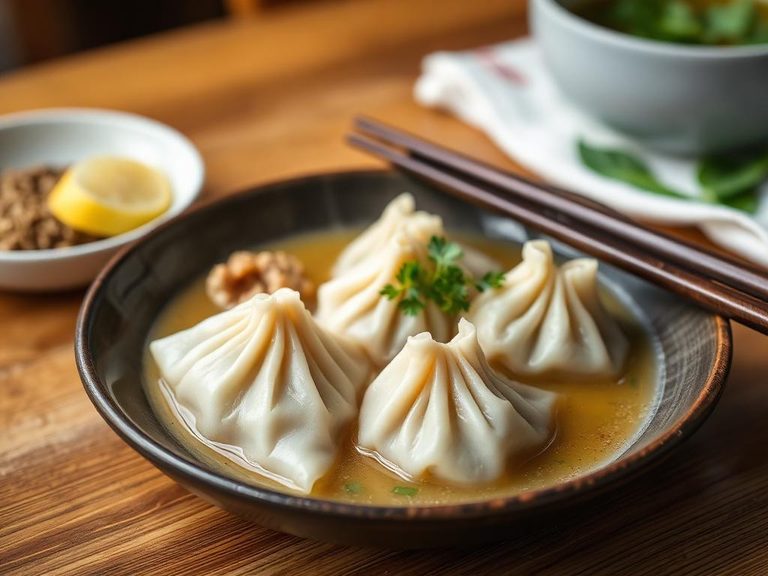
Leberknödel, or liver dumplings, are a hearty, traditional dish originating from Bavaria and Austria. They are savory dumplings made from a mixture of minced liver (typically beef or pork), stale bread or rolls, onions, eggs, and spices like marjoram, then simmered in broth or served in a clear soup. Their rich, earthy flavor and firm-yet-tender texture make them a beloved comfort food in Alpine cuisine.
🍽️ Nutrition at a glance
These dumplings are high in protein and iron from the liver, but also contain moderate fat and carbohydrates from the bread and binding ingredients. A typical serving (about 2 dumplings in broth) provides roughly 300-400 calories, along with significant vitamin B12, vitamin A, and selenium.
Nutrition breakdown
| Calories | 320 kcal |
| Protein | 22 g |
| Carbs | 24 g |
| Fat | 14 g |
| Fiber | 1.5 g |
| Sugar | 2 g |
| Sodium | 680 mg |
| Iron | 4.5 mg |
| Vitamin B12 | 18 mcg |
| Vitamin A | 4500 IU |
| Potassium | 420 mg |
| Phosphorus | 310 mg |
| Selenium | 38 mcg |
| Zinc | 3.8 mg |
| Niacin (B3) | 8.5 mg |
Per 2 dumplings (180 g) · estimated, varies by recipe
💡 What's interesting
Leberknödel is a classic example of 'nose-to-tail' eating, utilizing nutrient-dense organ meat in a comforting, accessible form. Culturally, it's a staple in beer gardens and traditional inns, often served in a clear broth as a starter or as a main with potato salad, reflecting the region's emphasis on hearty, waste-not ingredients.