Italian Prune Plum Dumplings (Knödel)
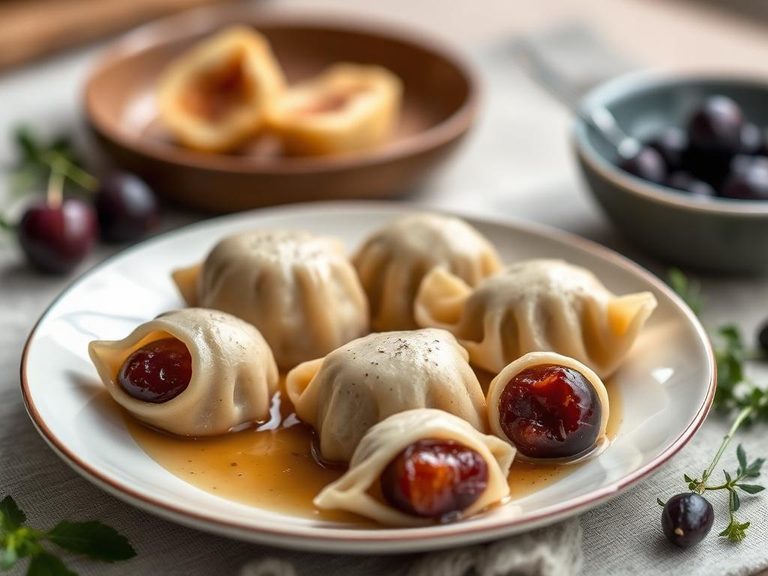
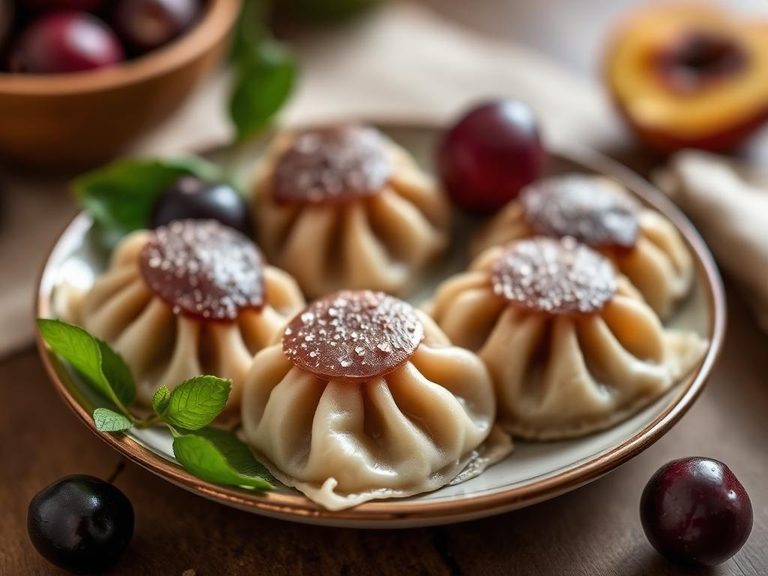
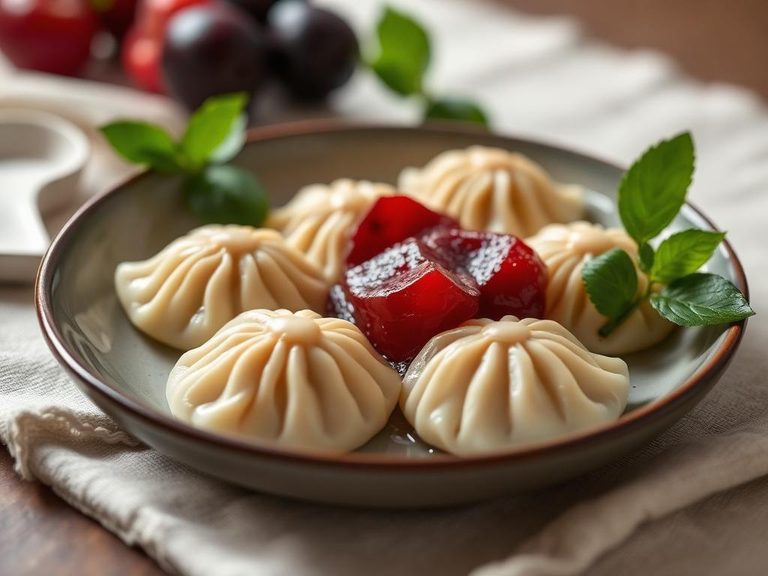
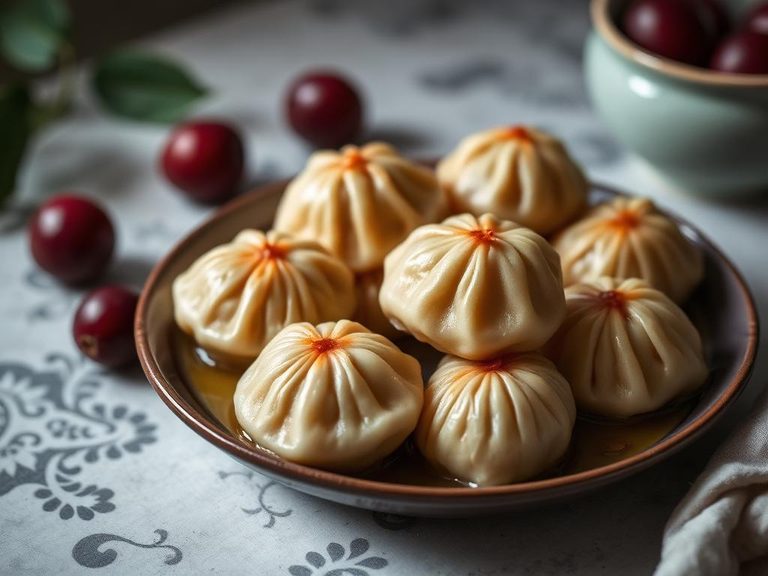
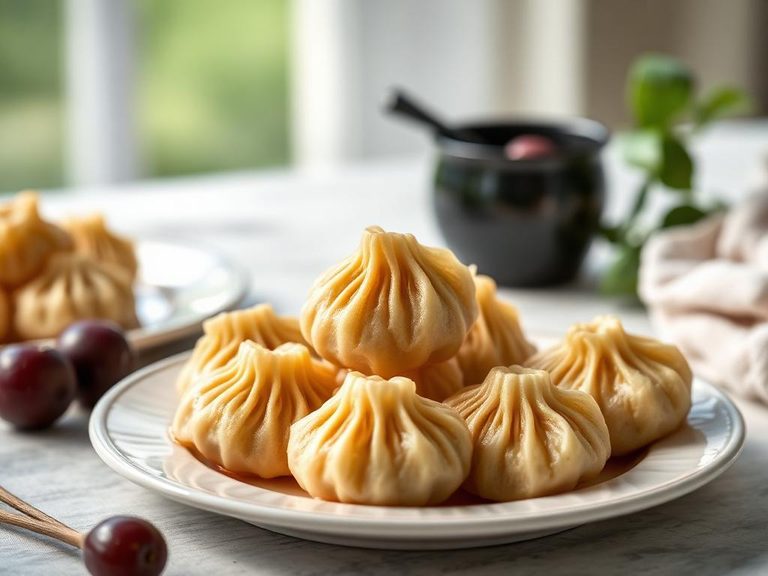
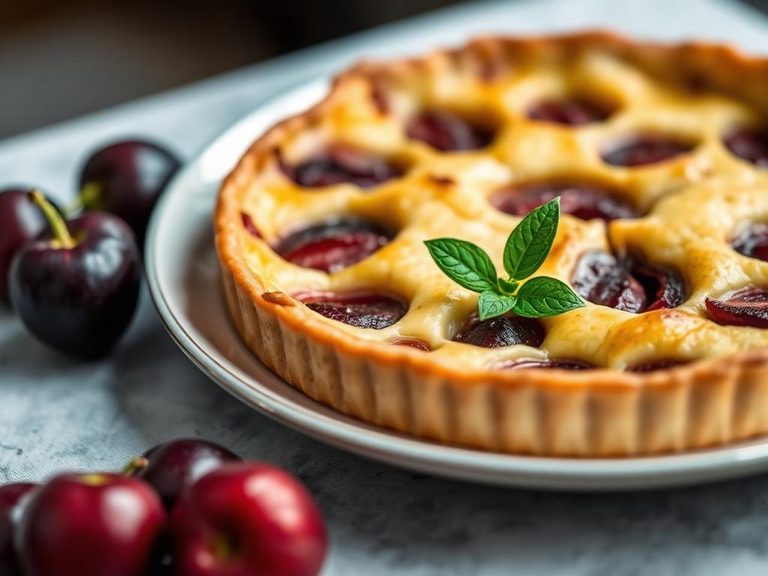
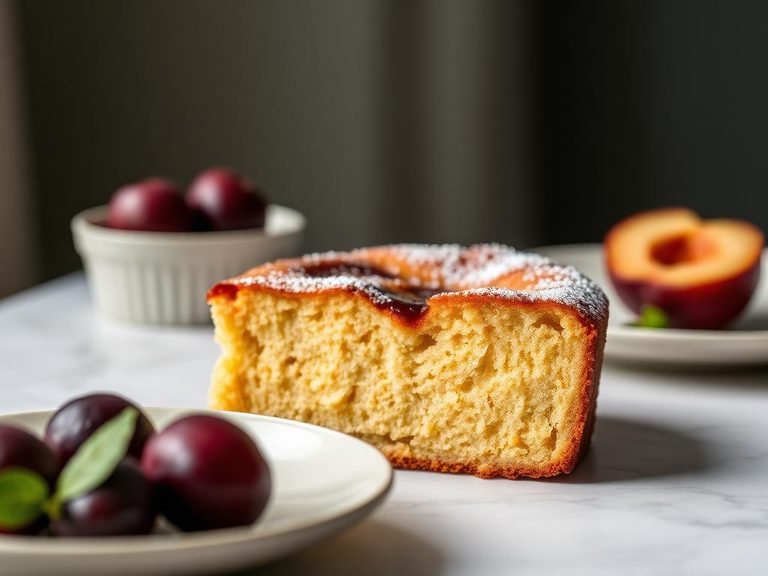
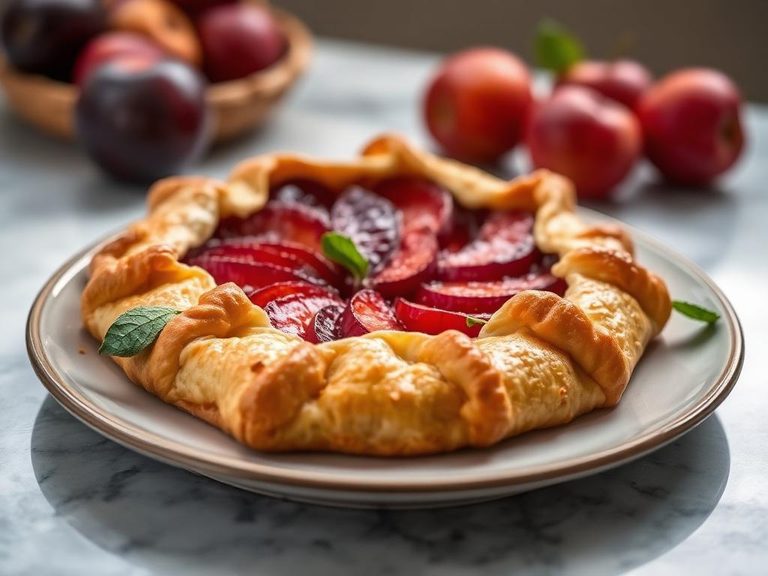
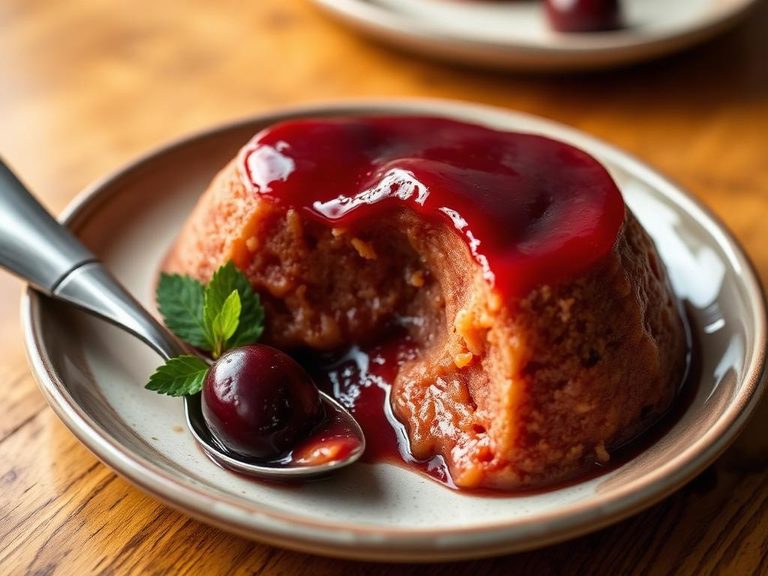
Italian Prune Plum Dumplings, known as Knödel, are a traditional Central European dessert or sweet main course, particularly popular in Austria and South Tyrol. They consist of sweet, juicy prune plums (Zwetschgen) encased in a soft, pillowy dough made from flour, potatoes, or curd cheese, then boiled and coated in buttered breadcrumbs, cinnamon, and sugar.
🍽️ Nutrition at a glance
This dish is high in carbohydrates from the dough and sugar coating, with moderate fat from the butter and a small amount of protein from the flour or cheese. A typical serving provides a good source of dietary fiber from the plums and offers a calorie range of approximately 300-450 per dumpling, depending on size and preparation.
Nutrition breakdown
| Calories | 380 kcal |
| Protein | 8 g |
| Carbs | 65 g |
| Fat | 10 g |
| Fiber | 4 g |
| Sugar | 25 g |
| Sodium | 180 mg |
| Potassium | 280 mg |
| Iron | 2.5 mg |
| Calcium | 60 mg |
| Vitamin A | 120 IU |
| Vitamin C | 8 mg |
| Phosphorus | 100 mg |
| Magnesium | 25 mg |
| Zinc | 1.2 mg |
Per 3 dumplings (about 270 g) · estimated, varies by recipe
💡 What's interesting
Culturally, Knödel represents a resourceful way to preserve and enjoy seasonal fruit, transforming simple ingredients into a celebratory dish often associated with harvest festivals. Nutritionally, the plums provide vitamins A and C, potassium, and antioxidants, making this a comforting treat with some beneficial micronutrients.