

Potatoes, french fried, all types, salt not added in processing, frozen, oven-heated
Whole food · Vegetables and Vegetable Products
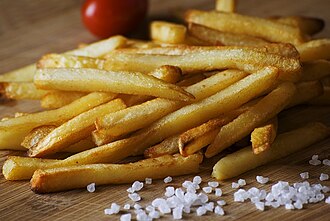
Photo: Wikipedia
These are pre-cut, frozen potato strips designed for oven-baking, offering a convenient, lower-fat alternative to deep-frying. They develop a satisfyingly crisp exterior and a fluffy, steamed interior when heated properly. Nutritionally, they provide a moderate calorie source with a notable carbohydrate content and minimal fat, especially since they are processed without added salt.
Calorie split: 6% protein · 67% carbs · 27% fat
↓ Full nutrition💚 Why it's loved
People love them for delivering the classic, comforting taste and texture of french fries with significantly less guilt and effort. Their versatility makes them a beloved side for everything from burgers and grilled meats to being a standalone snack.
⚠️ Watch-outs & how to enjoy it better
The high glycemic index can cause rapid blood-sugar spikes, which is a concern for individuals managing diabetes or insulin resistance. To counteract this, pair them with a source of protein (like grilled chicken) or healthy fat (like avocado) to slow digestion, and practice portion control. Also, while processed without salt, they are often seasoned heavily before eating; opt for herbs, spices, or a light sprinkle of salt to manage sodium intake.
Key benefits
- Lower in fat than traditional deep-fried french fries
- Convenient and quick to prepare from frozen
- Good source of dietary fiber from the potato
- No added salt during processing allows for controlled seasoning
- Provides a moderate energy boost from complex carbohydrates
🍽️ Popular dishes
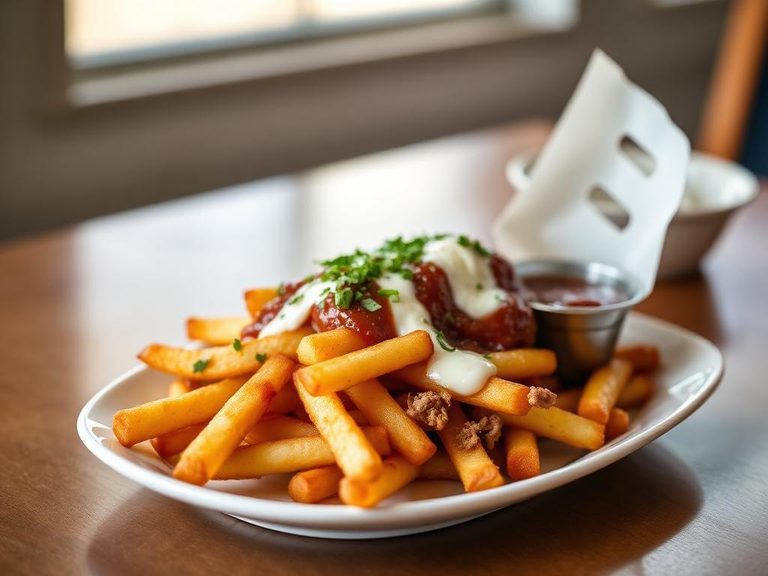
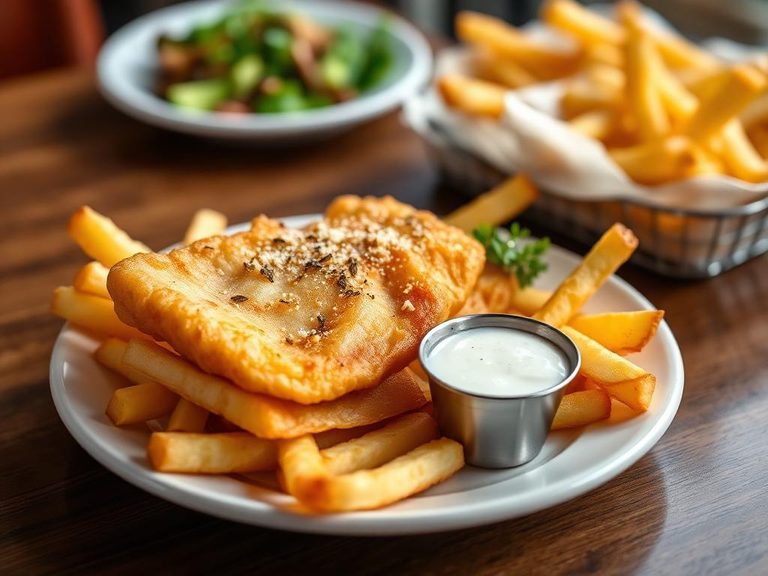
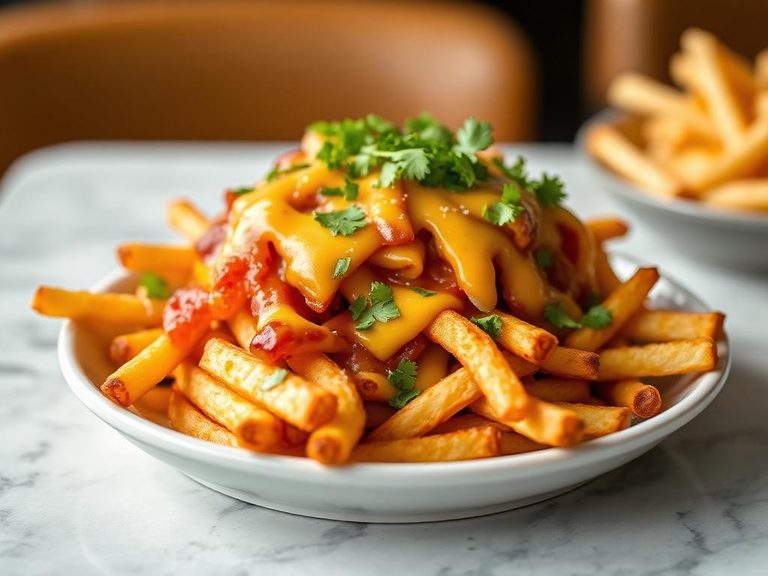
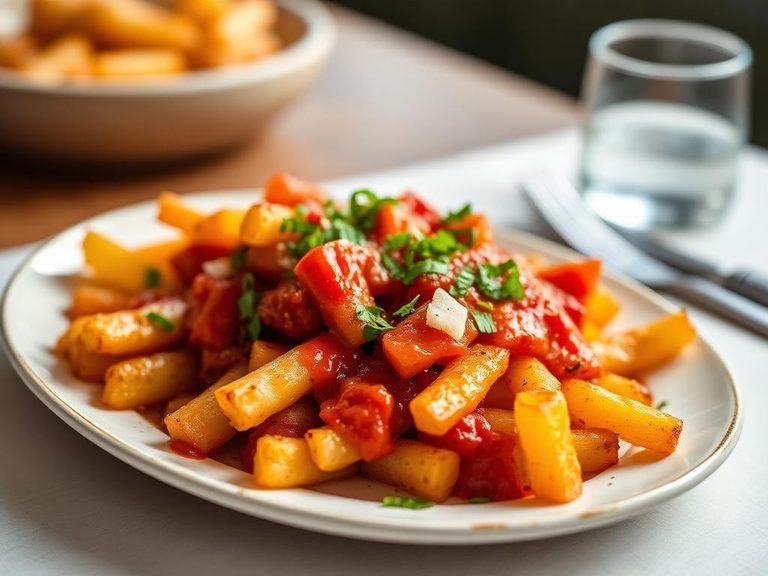
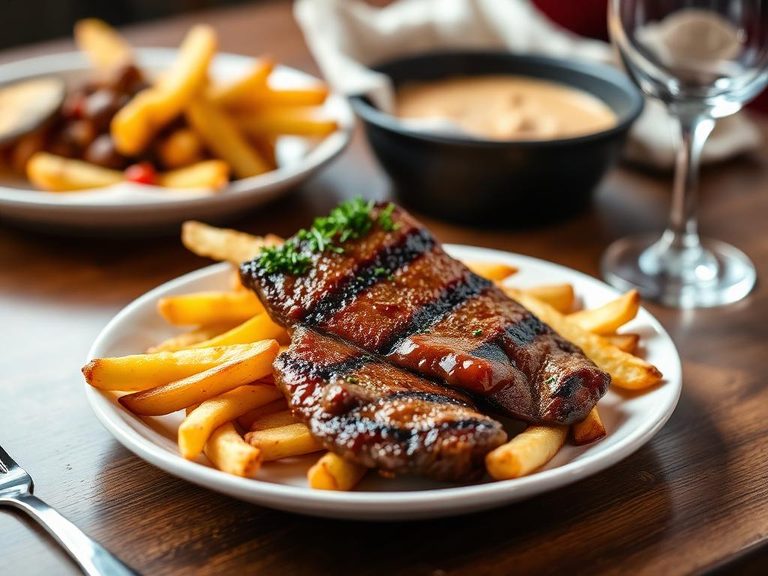
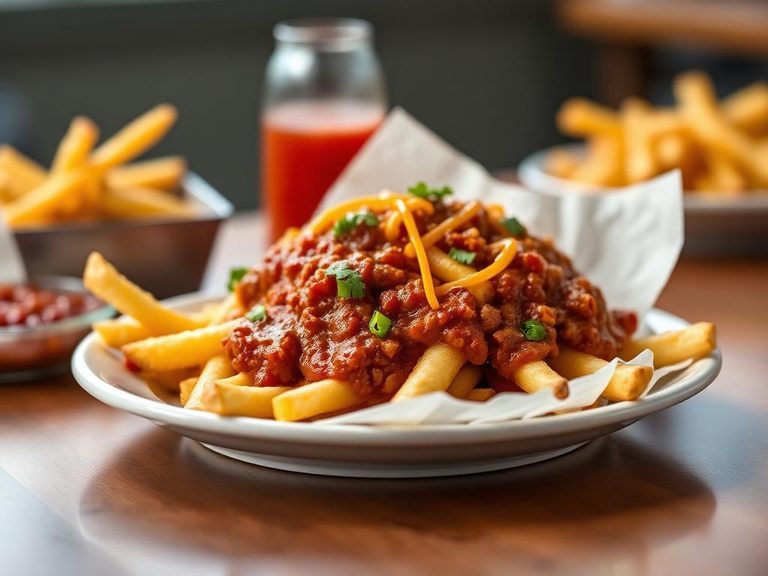
🌍 Where it's eaten
💡 Did you know?
The potato was once feared in 18th-century Europe as a cause of leprosy and was banned in some regions; its widespread acceptance as a staple food, including for fries, is a relatively recent historical development.
Full nutrition (USDA data · scales with serving)
| Water | 61.5 g |
| Energy | 168 kcal |
| Energy | 704 kj |
| Protein | 2.7 g |
| Total lipid (fat) | 5.2 g |
| Ash | 1.9 g |
| Carbohydrate, by difference | 28.7 g |
| Fiber, total dietary | 2.6 g |
| Total Sugars | 0.28 g |
| Sucrose | 0.18 g |
| Glucose | 0.11 g |
| Fructose | 0.00 g |
| Lactose | 0.00 g |
| Maltose | 0.00 g |
| Galactose | 0.00 g |
| Starch | 20.1 g |
| Calcium, Ca | 12.0 mg |
| Iron, Fe | 0.74 mg |
| Magnesium, Mg | 26.0 mg |
| Phosphorus, P | 97.0 mg |
| Potassium, K | 451 mg |
| Sodium, Na | 32.0 mg |
| Zinc, Zn | 0.38 mg |
| Copper, Cu | 0.14 mg |
| Manganese, Mn | 0.21 mg |
| Selenium, Se | 0.20 ug |
| Vitamin C, total ascorbic acid | 13.3 mg |
| Thiamin | 0.13 mg |
| Riboflavin | 0.03 mg |
| Niacin | 2.2 mg |
| Pantothenic acid | 0.52 mg |
| Vitamin B-6 | 0.18 mg |
| Folate, total | 28.0 ug |
| Folate, food | 28.0 ug |
| Vitamin E (alpha-tocopherol) | 0.11 mg |
| Tocopherol, beta | 0.00 mg |
| Tocopherol, gamma | 0.36 mg |
| Tocopherol, delta | 0.49 mg |
| Tocotrienol, alpha | 0.02 mg |
| Tocotrienol, beta | 0.00 mg |
| Tocotrienol, gamma | 0.00 mg |
| Tocotrienol, delta | 0.00 mg |
| Vitamin D (D2 + D3), International Units | 0.00 iu |
| Vitamin D (D2 + D3) | 0.00 ug |
| Vitamin K (phylloquinone) | 2.5 ug |
| Vitamin K (Dihydrophylloquinone) | 15.1 ug |
| Alcohol, ethyl | 0.00 g |
| Caffeine | 0.00 mg |
| Theobromine | 0.00 mg |
Fat & fatty acid profile (per 100g)
| Fatty acids, total saturated | 1.0 g |
| SFA 8:0 | 0.00 g |
| SFA 10:0 | 0.00 g |
| SFA 12:0 | 0.00 g |
| SFA 14:0 | 0.00 g |
| SFA 15:0 | 0.00 g |
| SFA 16:0 | 0.55 g |
| SFA 17:0 | 0.00 g |
| SFA 18:0 | 0.45 g |
| SFA 20:0 | 0.02 g |
| SFA 22:0 | 0.02 g |
| Fatty acids, total monounsaturated | 3.2 g |
| MUFA 14:1 | 0.00 g |
| MUFA 15:1 | 0.00 g |
| MUFA 16:1 | 0.01 g |
| MUFA 17:1 | 0.00 g |
| MUFA 18:1 | 3.2 g |
| MUFA 20:1 | 0.01 g |
| Fatty acids, total polyunsaturated | 0.32 g |
| PUFA 18:2 | 0.28 g |
| PUFA 18:3 | 0.02 g |
| PUFA 18:3 n-3 c,c,c (ALA) | 0.02 g |
| PUFA 18:3 n-6 c,c,c | 0.00 g |
| PUFA 20:2 n-6 c,c | 0.00 g |
| PUFA 20:3 | 0.00 g |
| PUFA 20:4 | 0.00 g |
| PUFA 22:5 n-3 (DPA) | 0.00 g |
| Cholesterol | 0.00 mg |
Amino acid profile (per 100g)
Estimated from Potatoes, french fried, all types, salt added in processing, frozen, unprepared — USDA does not publish this profile for Potatoes.
| Tryptophan | 0.02 g |
| Threonine | 0.08 g |
| Isoleucine | 0.08 g |
| Leucine | 0.13 g |
| Lysine | 0.13 g |
| Methionine | 0.04 g |
| Cystine | 0.04 g |
| Phenylalanine | 0.10 g |
| Tyrosine | 0.08 g |
| Valine | 0.12 g |
| Arginine | 0.13 g |
| Histidine | 0.05 g |
| Alanine | 0.09 g |
| Aspartic acid | 0.50 g |
| Glutamic acid | 0.40 g |
| Glycine | 0.07 g |
| Proline | 0.08 g |
| Serine | 0.10 g |
FAQ
Why are oven-baked fries often less crispy than deep-fried ones?
Deep-frying rapidly dehydrates the potato's surface in hot oil, creating a crisp crust. Oven-baking uses less fat and lower, drier heat, which can result in a softer texture unless specific techniques like preheating the baking sheet or using a convection setting are employed.
Are these a good source of potassium?
Yes, potatoes are naturally high in potassium. A 100g serving of these fries provides a meaningful amount of this essential mineral, which is often lost in processing but retained better in frozen, un-fried products.
How can I make them crispier in the oven?
For maximum crispiness, preheat your oven to a high temperature (425°F/220°C), spread the fries in a single layer on a preheated baking sheet, avoid overcrowding, and flip them halfway through cooking. A light mist of oil can also help.
Nutrient density (calculated · NRF9.3)
Nutrient Rich Foods index: beneficial nutrients (protein, fiber, vitamins, minerals) minus saturated fat, added sugar & sodium, per 100 kcal.
NRF9.3 index — Fulgoni, Keast & Drewnowski, 2009. Computed from USDA nutrients.
Weight-loss friendliness (composite index)
Energy density 1.68 kcal/g · 6% calories from protein · 2.6 g fiber · 0.3 g sugar per 100 g.
Composite of energy density (Rolls et al., 1999), protein & fiber satiety, minus sugar. A calculated heuristic — ranks satiety-per-calorie, not a clinical measure.
Dietary load (calculated from USDA values)
Potential renal acid load. Positive = acid-forming, negative = alkaline-forming.
Sodium-to-potassium ratio: 0.07 (lower is better — aim for ≤ 1)
Sodium:potassium per WHO potassium guidance. Computed from USDA nutrients.