Plum Cake
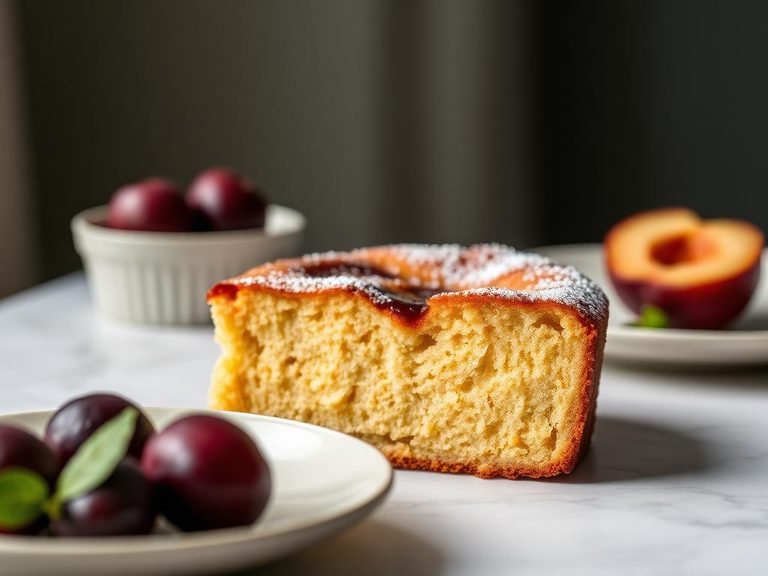
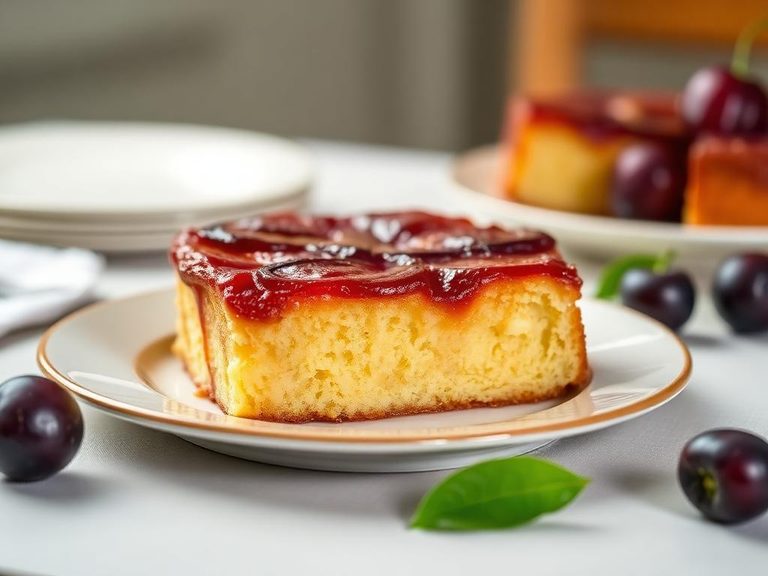
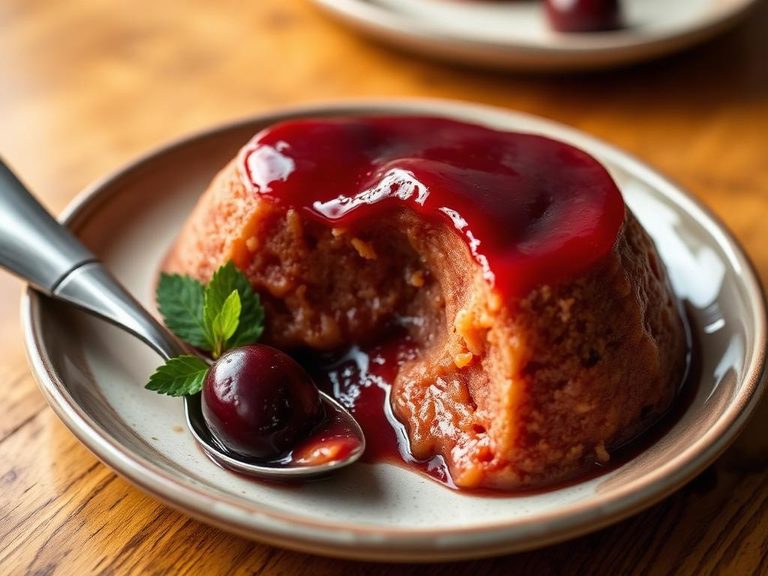
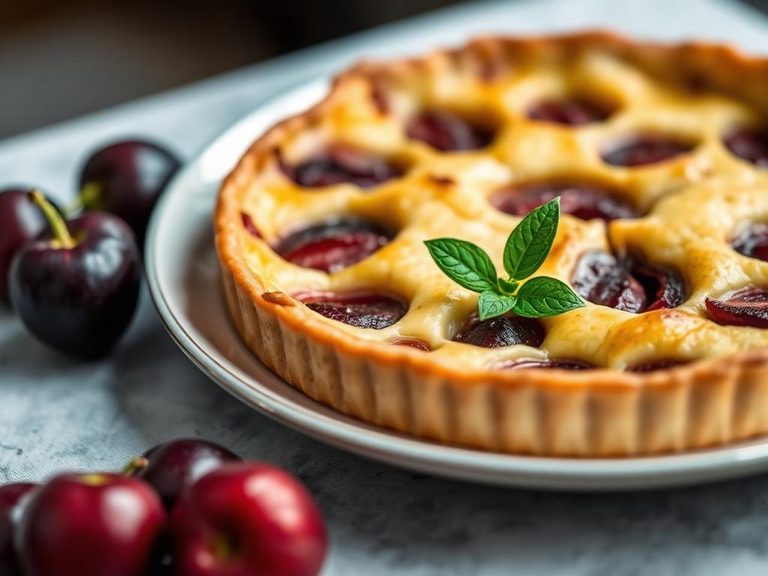
Plum Cake is a rich, dense fruit cake traditionally associated with Christmas and holiday celebrations, particularly in the United Kingdom and other Commonwealth countries. Despite its name, it often contains a mix of dried fruits like raisins, currants, and candied peel, which were historically called 'plums', along with spices, nuts, and sometimes a splash of brandy or rum for soaking.
🍽️ Nutrition at a glance
It is typically high in carbohydrates and fat due to its sugar, butter, and dried fruit content, with a moderate amount of protein from nuts and flour. A single slice (about 80g) can range from 300 to 400 calories, providing quick energy from sugars and some dietary fiber from the fruits.
Nutrition breakdown
| Calories | 350 kcal |
| Protein | 4.5 g |
| Carbs | 52 g |
| Fat | 15 g |
| Fiber | 1.5 g |
| Sugar | 30 g |
| Sodium | 250 mg |
| Iron | 2.5 mg |
| Calcium | 45 mg |
| Potassium | 150 mg |
| Vitamin A | 80 µg |
| Vitamin C | 2 mg |
| Vitamin B1 (Thiamine) | 0.15 mg |
| Vitamin B2 (Riboflavin) | 0.1 mg |
| Magnesium | 20 mg |
Per 1 slice (100 g) · estimated, varies by recipe
💡 What's interesting
Culturally, it's a centerpiece of British Christmas traditions, often baked weeks in advance and 'fed' with alcohol to mature its flavor, symbolizing abundance and celebration. Nutritionally, while calorie-dense, the dried fruits offer iron, potassium, and antioxidants, making it a festive treat with some beneficial nutrients.