

Raisins
Common food
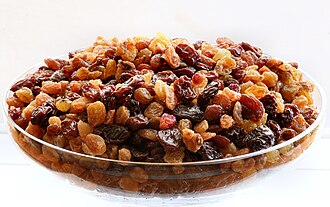
Photo: Wikipedia
Raisins are sun-dried grapes, transforming from plump and juicy to small, chewy, and intensely sweet with a deep, caramel-like flavor. Nutritionally, they are a concentrated energy source, packed with carbohydrates and natural sugars, while providing a notable amount of dietary fiber.
Calorie split: 4% protein · 95% carbs · 1% fat
↓ Full nutrition💚 Why it's loved
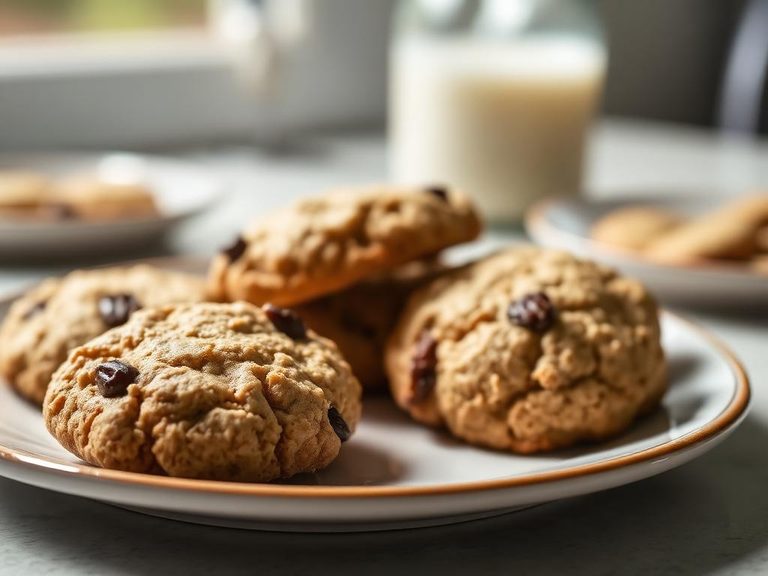
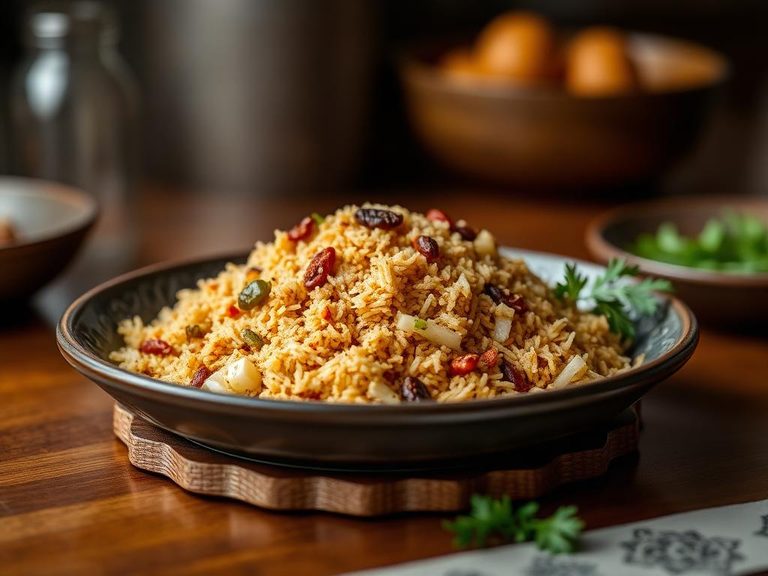
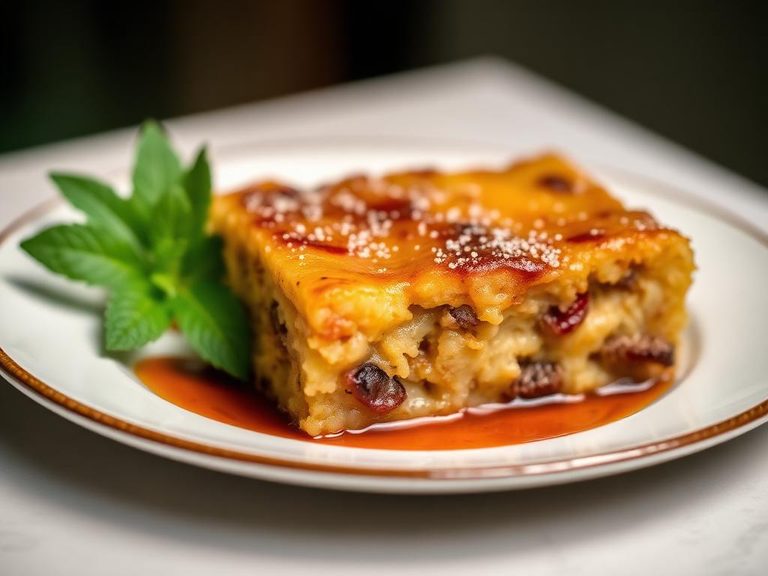
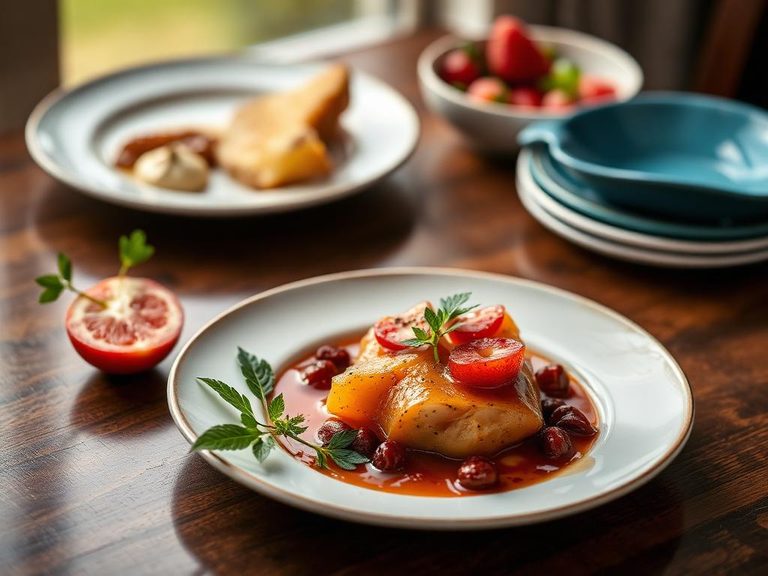
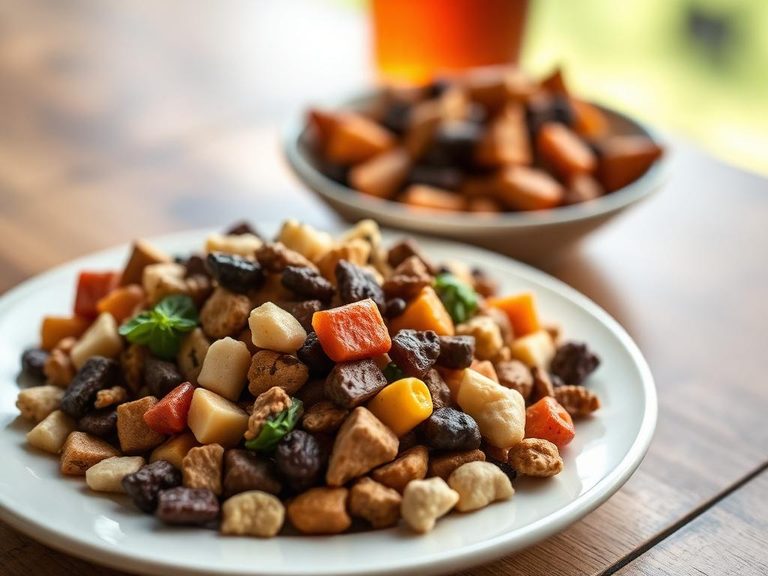
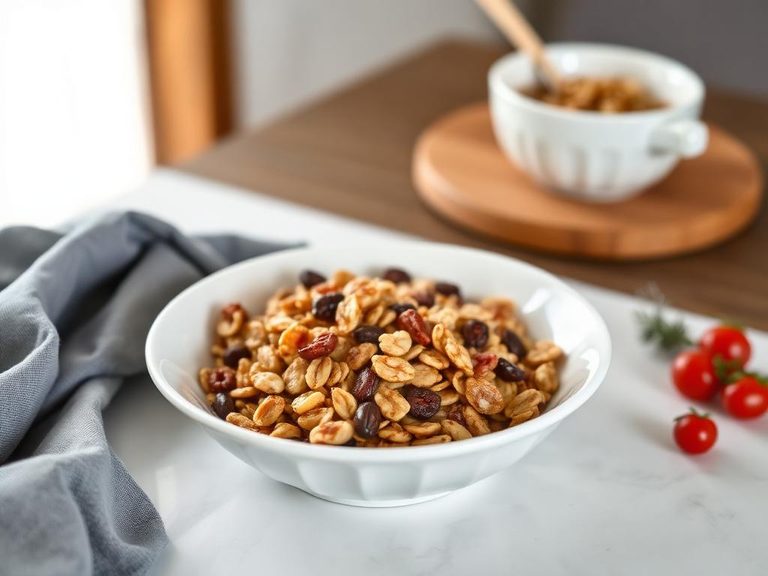
People love raisins for their intense, natural sweetness and satisfying chewy texture, making them a perfect addition to both sweet and savory dishes. They are a cultural staple, deeply embedded in cuisines from Mediterranean baking to Indian curries and Middle Eastern pilafs.
⚠️ Watch-outs & how to enjoy it better
Due to their high sugar concentration (over 65g per 100g), raisins can cause rapid blood-sugar spikes, making portion control crucial for diabetics or those monitoring glucose. To mitigate this, pair them with protein or fat (like nuts or cheese) to slow sugar absorption, and stick to a small handful (about 40g) as a serving.
Key benefits
- Excellent source of quick energy from natural sugars.
- High in dietary fiber, aiding digestion.
- Rich in antioxidants like phenolic compounds.
- Provides essential minerals such as iron, potassium, and copper.
- A convenient, portable, and shelf-stable snack.
🍽️ Popular dishes
🌍 Where it's eaten
💡 Did you know?
The term 'currant' is a corruption of the French word 'raisins de Corinthe' (grapes of Corinth), referring to a specific small, seedless raisin variety from Greece.
Full nutrition (USDA data · scales with serving)
| Water | 15.5 g |
| Energy | 299 kcal |
| Protein | 3.3 g |
| Total lipid (fat) | 0.25 g |
| Carbohydrate, by difference | 79.3 g |
| Fiber, total dietary | 4.5 g |
| Total Sugars | 65.2 g |
| Calcium, Ca | 62.0 mg |
| Iron, Fe | 1.8 mg |
| Magnesium, Mg | 36.0 mg |
| Phosphorus, P | 98.0 mg |
| Potassium, K | 744 mg |
| Sodium, Na | 26.0 mg |
| Zinc, Zn | 0.36 mg |
| Copper, Cu | 0.27 mg |
| Selenium, Se | 0.60 ug |
| Vitamin C, total ascorbic acid | 2.3 mg |
| Thiamin | 0.11 mg |
| Riboflavin | 0.13 mg |
| Niacin | 0.77 mg |
| Vitamin B-6 | 0.17 mg |
| Folate, total | 5.0 ug |
| Folic acid | 0.00 ug |
| Folate, food | 5.0 ug |
| Folate, DFE | 5.0 ug |
| Choline, total | 11.1 mg |
| Vitamin B-12 | 0.00 ug |
| Vitamin B-12, added | 0.00 ug |
| Vitamin A, RAE | 0.00 ug |
| Retinol | 0.00 ug |
| Carotene, beta | 0.00 ug |
| Carotene, alpha | 0.00 ug |
| Cryptoxanthin, beta | 0.00 ug |
| Lycopene | 0.00 ug |
| Lutein + zeaxanthin | 0.00 ug |
| Vitamin E (alpha-tocopherol) | 0.12 mg |
| Vitamin E, added | 0.00 mg |
| Vitamin D (D2 + D3) | 0.00 ug |
| Vitamin K (phylloquinone) | 3.5 ug |
| Alcohol, ethyl | 0.00 g |
| Caffeine | 0.00 mg |
| Theobromine | 0.00 mg |
Fat & fatty acid profile (per 100g)
| Fatty acids, total saturated | 0.09 g |
| SFA 4:0 | 0.01 g |
| SFA 6:0 | 0.00 g |
| SFA 8:0 | 0.00 g |
| SFA 10:0 | 0.00 g |
| SFA 12:0 | 0.00 g |
| SFA 14:0 | 0.00 g |
| SFA 16:0 | 0.06 g |
| SFA 18:0 | 0.01 g |
| Fatty acids, total monounsaturated | 0.02 g |
| MUFA 16:1 | 0.00 g |
| MUFA 18:1 | 0.02 g |
| MUFA 20:1 | 0.00 g |
| MUFA 22:1 | 0.00 g |
| Fatty acids, total polyunsaturated | 0.05 g |
| PUFA 18:2 | 0.04 g |
| PUFA 18:3 | 0.01 g |
| PUFA 18:4 | 0.00 g |
| PUFA 20:4 | 0.00 g |
| PUFA 20:5 n-3 (EPA) | 0.00 g |
| PUFA 22:5 n-3 (DPA) | 0.00 g |
| PUFA 22:6 n-3 (DHA) | 0.00 g |
| Cholesterol | 0.00 mg |
Amino acid profile (per 100g)
Estimated from Cookies, oatmeal, prepared from recipe, without raisins — USDA does not publish this profile for Raisins.
| Tryptophan | 0.09 g |
| Threonine | 0.23 g |
| Isoleucine | 0.28 g |
| Leucine | 0.51 g |
| Lysine | 0.28 g |
| Methionine | 0.14 g |
| Cystine | 0.15 g |
| Phenylalanine | 0.35 g |
| Tyrosine | 0.23 g |
| Valine | 0.35 g |
| Arginine | 0.39 g |
| Histidine | 0.16 g |
| Alanine | 0.31 g |
| Aspartic acid | 0.50 g |
| Glutamic acid | 1.6 g |
| Glycine | 0.28 g |
| Proline | 0.50 g |
| Serine | 0.34 g |
FAQ
Are raisins a good source of iron?
Yes, raisins are a decent plant-based source of iron. A 100g serving provides about 2.6mg of iron, which is a significant portion of the daily recommended intake, especially important for vegetarians and vegans.
Why are some raisins black and others golden?
The color difference is primarily due to the drying process. Golden raisins (sultanas) are typically made from green grapes and are treated with sulfur dioxide to preserve their light color. Dark raisins are made from darker grapes and are sun-dried without this treatment, leading to a deeper color and slightly different flavor.
Can I use raisins in savory cooking?
Absolutely. Raisins are a classic ingredient in many savory dishes worldwide. They add a sweet contrast to Moroccan tagines, Indian biryanis and curries, Middle Eastern pilafs, and some Portuguese and Spanish stews.
Nutrient density (calculated · NRF9.3)
Nutrient Rich Foods index: beneficial nutrients (protein, fiber, vitamins, minerals) minus saturated fat, added sugar & sodium, per 100 kcal.
NRF9.3 index — Fulgoni, Keast & Drewnowski, 2009. Computed from USDA nutrients.
Weight-loss friendliness (composite index)
Energy density 2.99 kcal/g · 4% calories from protein · 4.5 g fiber · 65.2 g sugar per 100 g.
Composite of energy density (Rolls et al., 1999), protein & fiber satiety, minus sugar. A calculated heuristic — ranks satiety-per-calorie, not a clinical measure.
Dietary load (calculated from USDA values)
Potential renal acid load. Positive = acid-forming, negative = alkaline-forming.
Sodium-to-potassium ratio: 0.03 (lower is better — aim for ≤ 1)
Sodium:potassium per WHO potassium guidance. Computed from USDA nutrients.