

Charoset
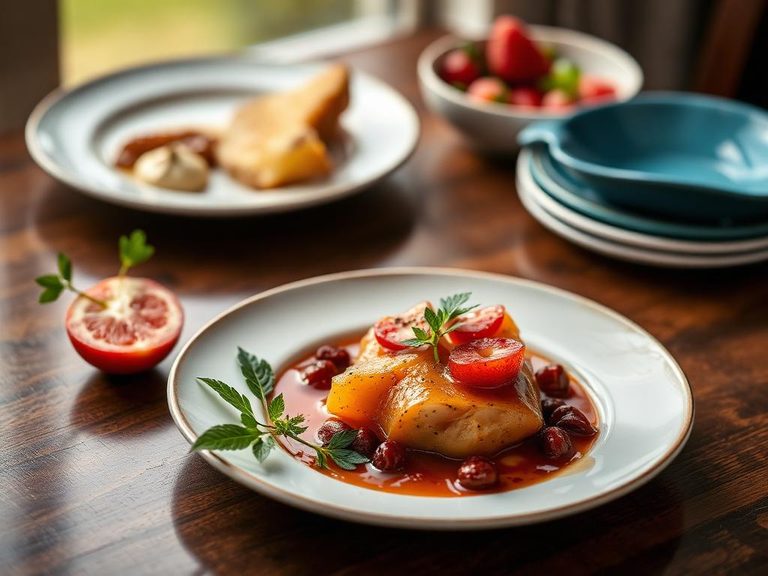
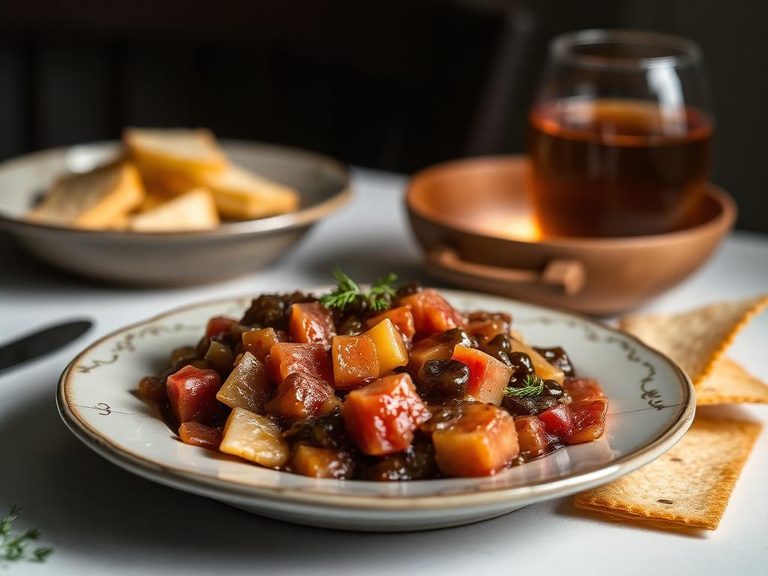
Charoset is a traditional sweet paste served during the Jewish holiday of Passover, symbolizing the mortar used by Israelite slaves in ancient Egypt. It is typically made from a mixture of chopped apples, walnuts, sweet red wine, and cinnamon, though recipes vary widely by region and family tradition. The dish is a central component of the Passover Seder plate, meant to be eaten with bitter herbs like horseradish.
🍳 View the full Charoset recipe →
🍽️ Nutrition at a glance
Charoset is generally high in carbohydrates and natural sugars from the fruit and wine, with a moderate amount of healthy fats and protein from the nuts. A typical serving provides a quick source of energy and some fiber, with a calorie count usually ranging between 150 and 250 calories per portion, depending on the specific recipe and serving size.
Nutrition breakdown
| Calories | 280 kcal |
| Protein | 3.5 g |
| Carbs | 42 g |
| Fat | 12 g |
| Fiber | 5 g |
| Sugar | 30 g |
| Sodium | 15 mg |
| Potassium | 320 mg |
| Magnesium | 45 mg |
| Iron | 1.5 mg |
| Vitamin C | 3 mg |
| Vitamin B6 | 0.15 mg |
| Manganese | 0.8 mg |
| Copper | 0.3 mg |
| Phosphorus | 70 mg |
Per 1/2 cup (120 g) · estimated, varies by recipe
💡 What's interesting
The dish's texture and color are intentionally designed to resemble the clay and straw bricks used in Egyptian construction, making it an edible piece of history. Its ingredients also vary dramatically by culture, with Ashkenazi versions featuring apples and walnuts, while Sephardic and Mizrahi versions might include dates, figs, and sesame seeds, reflecting the diverse culinary traditions of the Jewish diaspora.
🍽️ Related dishes
AI estimate may be inaccurate · Terms