

Apple, raw
Common food
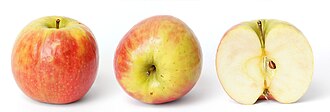
Photo: Wikipedia
The raw apple is a crisp, juicy fruit with a refreshing balance of sweet and tart flavors, ranging from honeyed and floral to bright and acidic. Its skin provides a satisfying snap, while the flesh is tender and aromatic. Nutritionally, it's a low-calorie, high-fiber snack, with a single medium fruit offering over 4 grams of fiber.
Calorie split: 1% protein · 97% carbs · 2% fat
↓ Full nutrition💚 Why it's loved
People adore the apple for its perfect portability and satisfying crunch, making it the ultimate convenient snack. Its flavor profile is incredibly versatile, shining in everything from a simple, fresh bite to complex baked desserts and savory sauces.
⚠️ Watch-outs & how to enjoy it better
The natural sugars can cause a rapid blood-spike for some individuals, especially when eaten alone. To counteract this, pair it with a protein or fat source like peanut butter, cheese, or a handful of nuts to slow sugar absorption. Also, be mindful of pesticide residues on conventionally grown apples; washing thoroughly or choosing organic can mitigate this.
Key benefits
- Excellent source of dietary fiber, particularly pectin.
- Rich in polyphenol antioxidants, especially in the skin.
- Low in calories and fat, making it a weight-management-friendly snack.
- Provides quick, natural energy from simple sugars.
- Hydrating due to high water content.
🍽️ Popular dishes
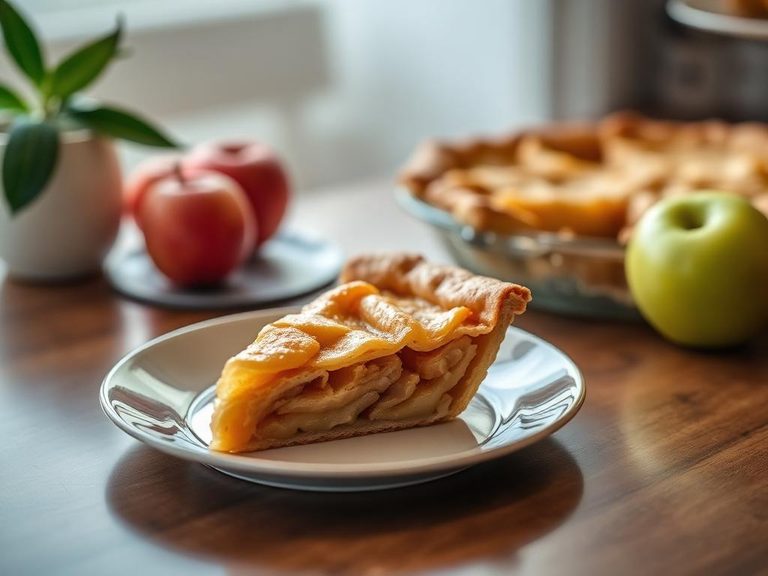
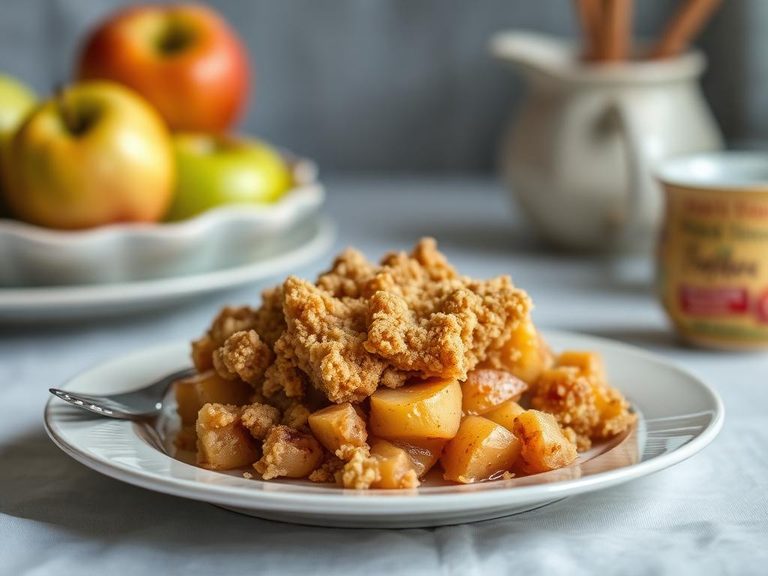
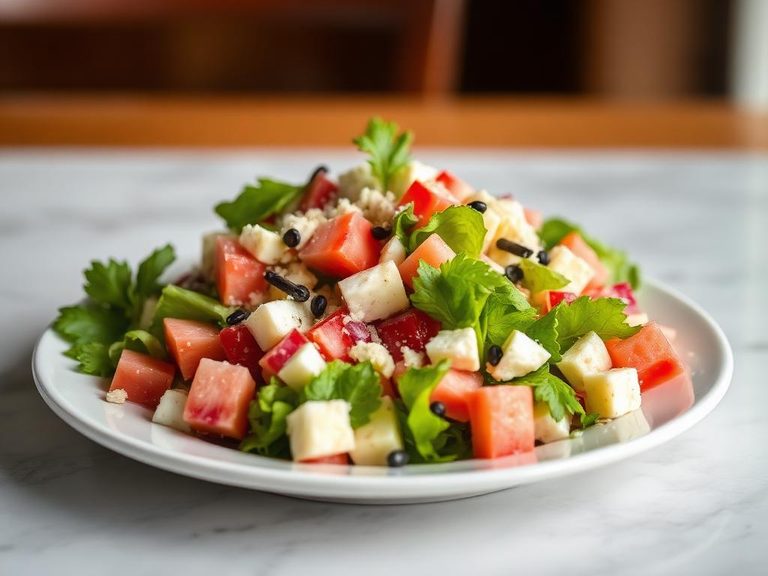
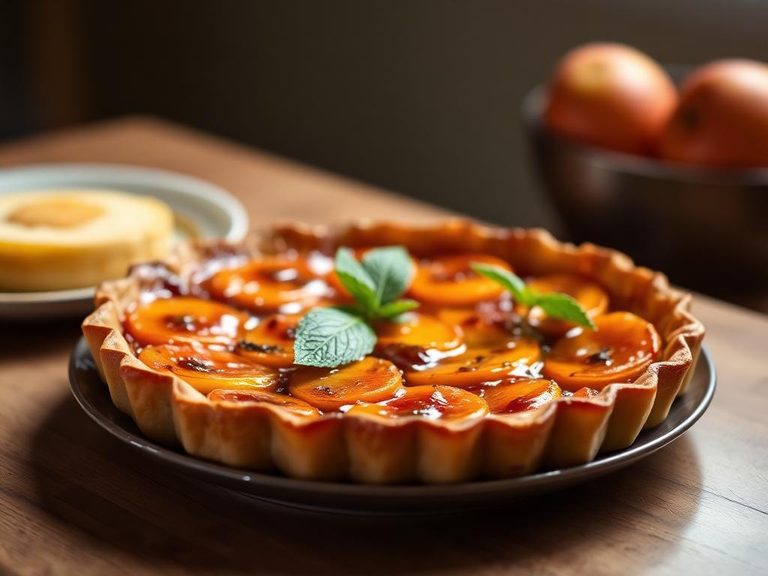
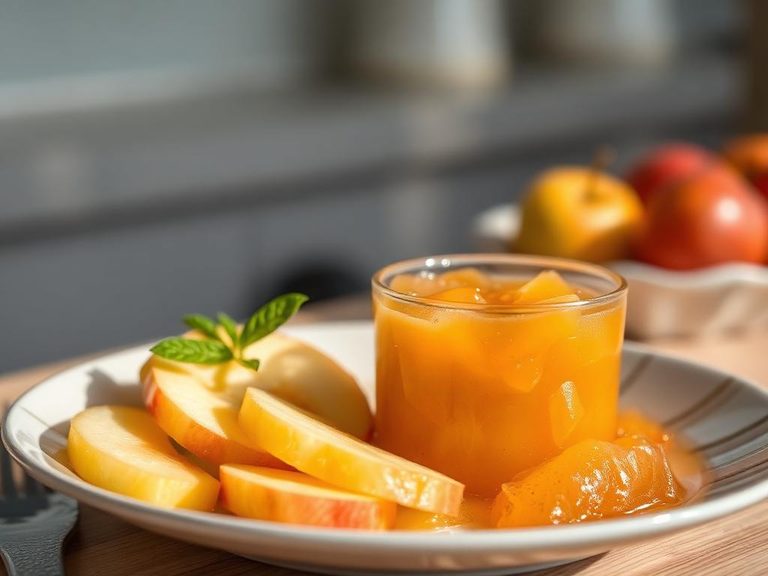
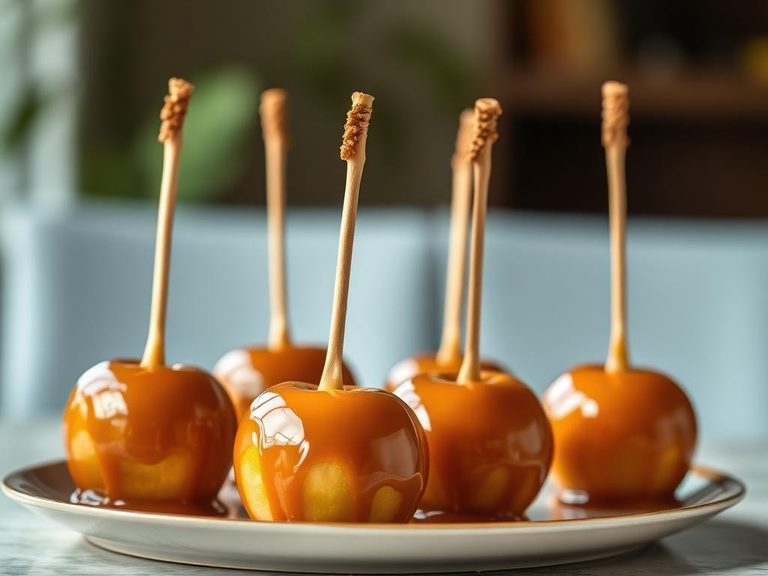
🌍 Where it's eaten
💡 Did you know?
Apples are members of the rose family (Rosaceae), making them distant relatives of roses, cherries, and almonds.
Full nutrition (USDA data · scales with serving)
| Water | 84.6 g |
| Energy | 61.0 kcal |
| Protein | 0.17 g |
| Total lipid (fat) | 0.15 g |
| Carbohydrate, by difference | 14.8 g |
| Fiber, total dietary | 2.1 g |
| Total Sugars | 12.1 g |
| Calcium, Ca | 5.0 mg |
| Iron, Fe | 0.03 mg |
| Magnesium, Mg | 5.0 mg |
| Phosphorus, P | 9.0 mg |
| Potassium, K | 104 mg |
| Sodium, Na | 0.00 mg |
| Zinc, Zn | 0.02 mg |
| Copper, Cu | 0.03 mg |
| Selenium, Se | 0.00 ug |
| Vitamin C, total ascorbic acid | 4.6 mg |
| Thiamin | 0.01 mg |
| Riboflavin | 0.07 mg |
| Niacin | 0.09 mg |
| Vitamin B-6 | 0.03 mg |
| Folate, total | 0.00 ug |
| Folic acid | 0.00 ug |
| Folate, food | 0.00 ug |
| Folate, DFE | 0.00 ug |
| Choline, total | 3.4 mg |
| Vitamin B-12 | 0.00 ug |
| Vitamin B-12, added | 0.00 ug |
| Vitamin A, RAE | 3.0 ug |
| Retinol | 0.00 ug |
| Carotene, beta | 27.0 ug |
| Carotene, alpha | 0.00 ug |
| Cryptoxanthin, beta | 11.0 ug |
| Lycopene | 0.00 ug |
| Lutein + zeaxanthin | 29.0 ug |
| Vitamin E (alpha-tocopherol) | 0.18 mg |
| Vitamin E, added | 0.00 mg |
| Vitamin D (D2 + D3) | 0.00 ug |
| Vitamin K (phylloquinone) | 2.2 ug |
| Alcohol, ethyl | 0.00 g |
| Caffeine | 0.00 mg |
| Theobromine | 0.00 mg |
Fat & fatty acid profile (per 100g)
| Fatty acids, total saturated | 0.03 g |
| SFA 4:0 | 0.00 g |
| SFA 6:0 | 0.00 g |
| SFA 8:0 | 0.00 g |
| SFA 10:0 | 0.00 g |
| SFA 12:0 | 0.00 g |
| SFA 14:0 | 0.00 g |
| SFA 16:0 | 0.02 g |
| SFA 18:0 | 0.00 g |
| Fatty acids, total monounsaturated | 0.01 g |
| MUFA 16:1 | 0.00 g |
| MUFA 18:1 | 0.01 g |
| MUFA 20:1 | 0.00 g |
| MUFA 22:1 | 0.00 g |
| Fatty acids, total polyunsaturated | 0.05 g |
| PUFA 18:2 | 0.04 g |
| PUFA 18:3 | 0.01 g |
| PUFA 18:4 | 0.00 g |
| PUFA 20:4 | 0.00 g |
| PUFA 20:5 n-3 (EPA) | 0.00 g |
| PUFA 22:5 n-3 (DPA) | 0.00 g |
| PUFA 22:6 n-3 (DHA) | 0.00 g |
| Cholesterol | 0.00 mg |
Amino acid profile (per 100g)
Estimated from Pie, Dutch Apple, Commercially Prepared — USDA does not publish this profile for Apple.
| Tryptophan | 0.03 g |
| Threonine | 0.06 g |
| Isoleucine | 0.08 g |
| Leucine | 0.16 g |
| Lysine | 0.04 g |
| Methionine | 0.05 g |
| Cystine | 0.06 g |
| Phenylalanine | 0.10 g |
| Tyrosine | 0.05 g |
| Valine | 0.10 g |
| Arginine | 0.08 g |
| Histidine | 0.05 g |
| Alanine | 0.07 g |
| Aspartic acid | 0.12 g |
| Glutamic acid | 0.74 g |
| Glycine | 0.08 g |
| Proline | 0.25 g |
| Serine | 0.10 g |
FAQ
Why do some apples turn brown after cutting?
This is due to an enzyme called polyphenol oxidase reacting with oxygen in the air. To prevent it, you can dip slices in a solution of water and a little lemon juice or vinegar.
Are the seeds poisonous?
Apple seeds contain a compound that can release cyanide when crushed or chewed. However, you would need to chew and ingest a very large number of seeds (from several apples) for it to be harmful. Swallowing them whole is generally not an issue.
Which apple variety is best for baking?
Firm, tart varieties like Granny Smith, Honeycrisp, or Braeburn hold their shape well during cooking. Softer, sweeter apples like McIntosh are better suited for sauces.
Nutrient density (calculated · NRF9.3)
Nutrient Rich Foods index: beneficial nutrients (protein, fiber, vitamins, minerals) minus saturated fat, added sugar & sodium, per 100 kcal.
NRF9.3 index — Fulgoni, Keast & Drewnowski, 2009. Computed from USDA nutrients.
Weight-loss friendliness (composite index)
Energy density 0.61 kcal/g · 1% calories from protein · 2.1 g fiber · 12.1 g sugar per 100 g.
Composite of energy density (Rolls et al., 1999), protein & fiber satiety, minus sugar. A calculated heuristic — ranks satiety-per-calorie, not a clinical measure.
Dietary load (calculated from USDA values)
Potential renal acid load. Positive = acid-forming, negative = alkaline-forming.
Sodium-to-potassium ratio: 0.00 (lower is better — aim for ≤ 1)
Sodium:potassium per WHO potassium guidance. Computed from USDA nutrients.