

Wine, red
Common food

Photo: Wikipedia
Red wine is a deeply hued alcoholic beverage fermented from dark-colored grape varieties, offering a complex palate that ranges from tart and fruity to earthy and tannic. It is typically dry, with a smooth, sometimes astringent texture from tannins, and contains minimal calories and no fat or fiber. A standard 100g serving provides 85 kcal, primarily from 2.61g of carbohydrates, including 0.62g of natural sugar.
Calorie split: 3% protein · 97% carbs · 0% fat
↓ Full nutrition💚 Why it's loved
People love red wine for its rich, layered flavors—from berry and cherry to spice and oak—and its ability to elevate meals and social occasions. It is deeply woven into cultural traditions, from French bistros to Italian family dinners, symbolizing relaxation and conviviality.
⚠️ Watch-outs & how to enjoy it better
Excessive consumption can lead to intoxication, poor sleep, and long-term health risks, and it contains alcohol, which is not suitable for everyone, including those with liver issues, pregnant individuals, or those avoiding alcohol for personal reasons. To mitigate, practice strict portion control (one 5-ounce glass), avoid drinking on an empty stomach, and alternate with water.
Key benefits
- Contains antioxidants like resveratrol and polyphenols
- May support heart health in moderation
- Low in calories and fat-free
- Can be part of a balanced, social dining experience
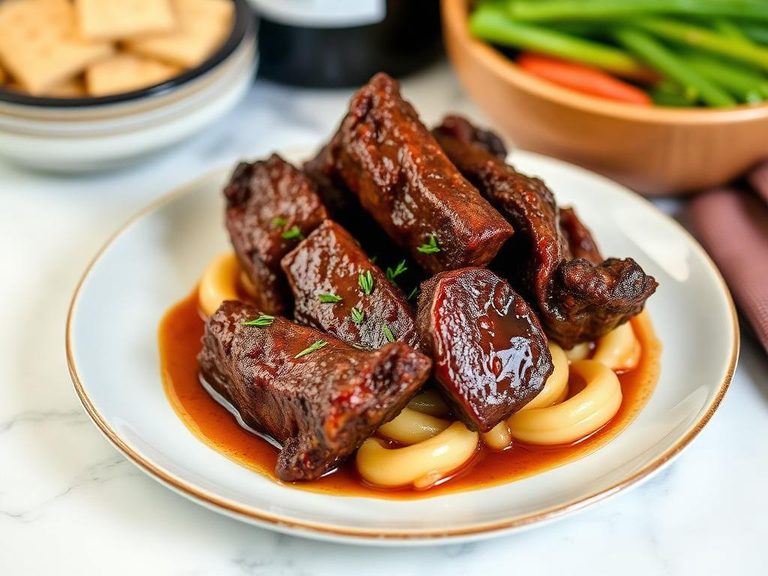
🍽️ Popular dishes
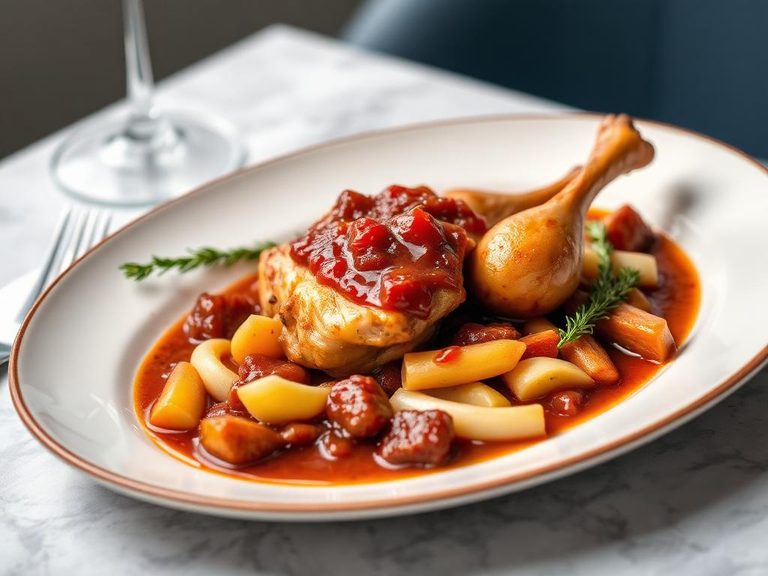
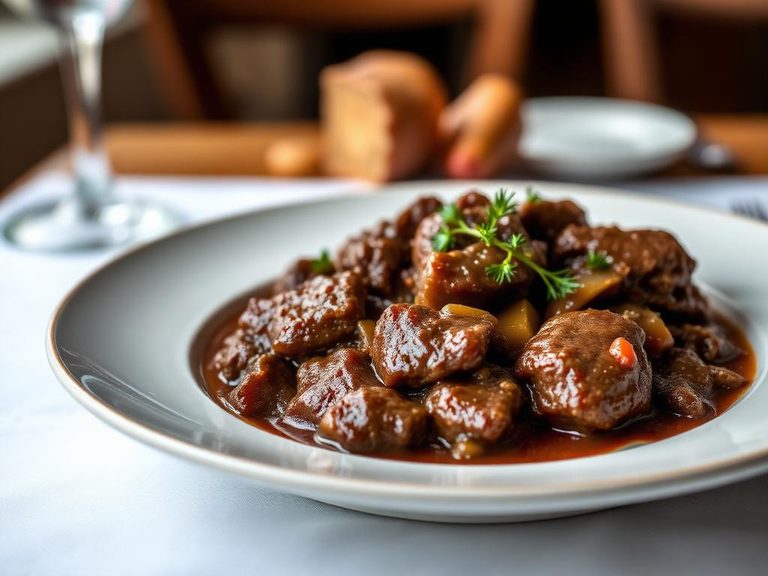
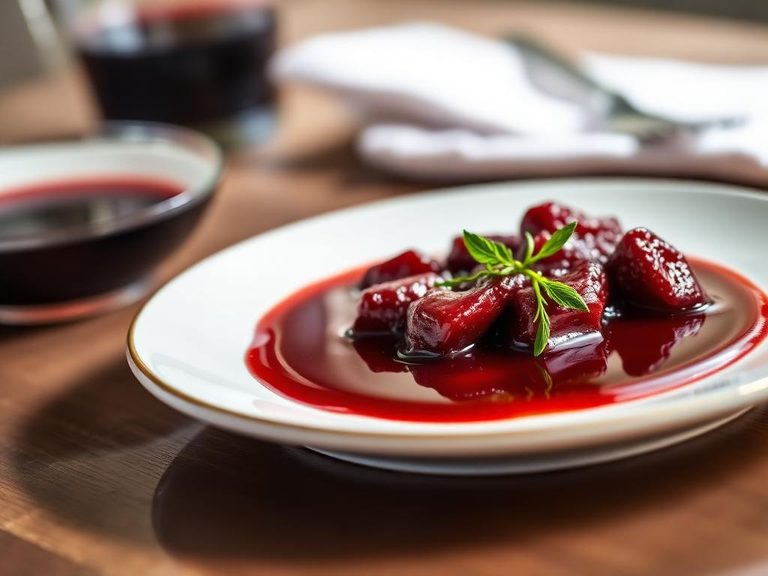

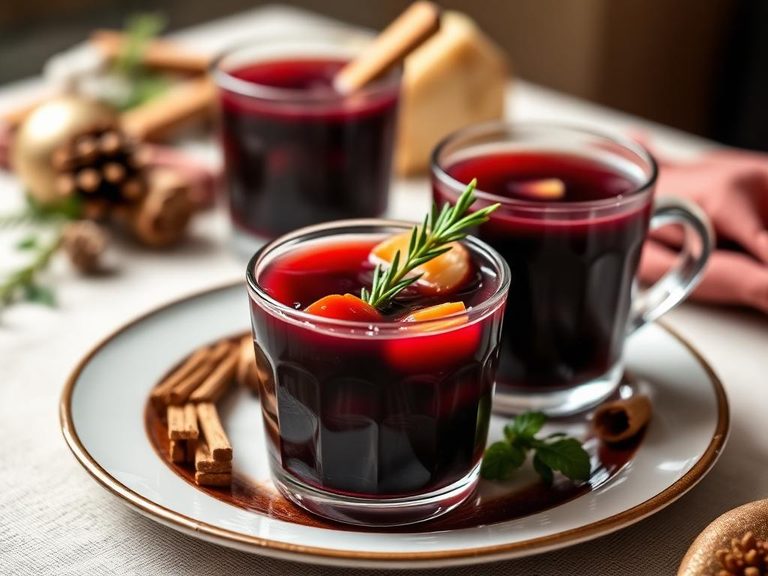
🌍 Where it's eaten
💡 Did you know?
The world's oldest known winery, dating to about 4100 BCE, was discovered in a cave in Armenia, where residue in ancient jars confirmed it was for making red wine.
Full nutrition (USDA data · scales with serving)
| Water | 86.5 g |
| Energy | 85.0 kcal |
| Protein | 0.07 g |
| Total lipid (fat) | 0.00 g |
| Carbohydrate, by difference | 2.6 g |
| Fiber, total dietary | 0.00 g |
| Total Sugars | 0.62 g |
| Calcium, Ca | 8.0 mg |
| Iron, Fe | 0.46 mg |
| Magnesium, Mg | 12.0 mg |
| Phosphorus, P | 23.0 mg |
| Potassium, K | 127 mg |
| Sodium, Na | 4.0 mg |
| Zinc, Zn | 0.14 mg |
| Copper, Cu | 0.01 mg |
| Selenium, Se | 0.20 ug |
| Vitamin C, total ascorbic acid | 0.00 mg |
| Thiamin | 0.01 mg |
| Riboflavin | 0.03 mg |
| Niacin | 0.22 mg |
| Vitamin B-6 | 0.06 mg |
| Folate, total | 1.0 ug |
| Folic acid | 0.00 ug |
| Folate, food | 1.0 ug |
| Folate, DFE | 1.0 ug |
| Choline, total | 5.7 mg |
| Vitamin B-12 | 0.00 ug |
| Vitamin B-12, added | 0.00 ug |
| Vitamin A, RAE | 0.00 ug |
| Retinol | 0.00 ug |
| Carotene, beta | 1.0 ug |
| Carotene, alpha | 0.00 ug |
| Cryptoxanthin, beta | 0.00 ug |
| Lycopene | 0.00 ug |
| Lutein + zeaxanthin | 6.0 ug |
| Vitamin E (alpha-tocopherol) | 0.00 mg |
| Vitamin E, added | 0.00 mg |
| Vitamin D (D2 + D3) | 0.00 ug |
| Vitamin K (phylloquinone) | 0.40 ug |
| Alcohol, ethyl | 10.6 g |
| Caffeine | 0.00 mg |
| Theobromine | 0.00 mg |
Fat & fatty acid profile (per 100g)
| Fatty acids, total saturated | 0.00 g |
| SFA 4:0 | 0.00 g |
| SFA 6:0 | 0.00 g |
| SFA 8:0 | 0.00 g |
| SFA 10:0 | 0.00 g |
| SFA 12:0 | 0.00 g |
| SFA 14:0 | 0.00 g |
| SFA 16:0 | 0.00 g |
| SFA 18:0 | 0.00 g |
| Fatty acids, total monounsaturated | 0.00 g |
| MUFA 16:1 | 0.00 g |
| MUFA 18:1 | 0.00 g |
| MUFA 20:1 | 0.00 g |
| MUFA 22:1 | 0.00 g |
| Fatty acids, total polyunsaturated | 0.00 g |
| PUFA 18:2 | 0.00 g |
| PUFA 18:3 | 0.00 g |
| PUFA 18:4 | 0.00 g |
| PUFA 20:4 | 0.00 g |
| PUFA 20:5 n-3 (EPA) | 0.00 g |
| PUFA 22:5 n-3 (DPA) | 0.00 g |
| PUFA 22:6 n-3 (DHA) | 0.00 g |
| Cholesterol | 0.00 mg |
FAQ
Does red wine have sugar?
Yes, but very little—about 0.62g per 100g. Most sugars are fermented into alcohol, making it a low-sugar alcoholic drink.
Is red wine high in calories?
It has 85 kcal per 100g, which is moderate. A typical 5-ounce (148g) serving has about 126 kcal, mostly from alcohol and carbs.
Can red wine be part of a healthy diet?
In moderation, it can fit into a balanced lifestyle. Its antioxidants may offer benefits, but it's best consumed responsibly alongside a nutrient-rich diet.
Nutrient density (calculated · NRF9.3)
Nutrient Rich Foods index: beneficial nutrients (protein, fiber, vitamins, minerals) minus saturated fat, added sugar & sodium, per 100 kcal.
NRF9.3 index — Fulgoni, Keast & Drewnowski, 2009. Computed from USDA nutrients.
Weight-loss friendliness (composite index)
Energy density 0.85 kcal/g · 0% calories from protein · 0.0 g fiber · 0.6 g sugar per 100 g.
Composite of energy density (Rolls et al., 1999), protein & fiber satiety, minus sugar. A calculated heuristic — ranks satiety-per-calorie, not a clinical measure.
Dietary load (calculated from USDA values)
Potential renal acid load. Positive = acid-forming, negative = alkaline-forming.
Sodium-to-potassium ratio: 0.03 (lower is better — aim for ≤ 1)
Sodium:potassium per WHO potassium guidance. Computed from USDA nutrients.