

Alcoholic Beverage, wine, table, red, Cabernet Sauvignon
Whole food · Beverages
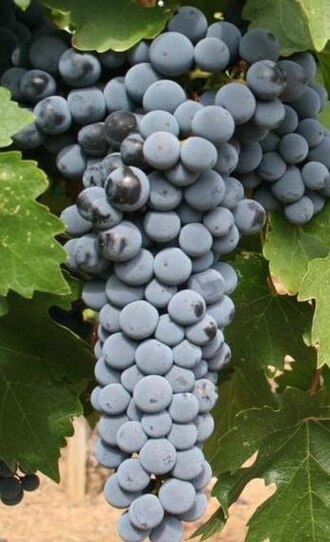
Photo: Wikipedia
Cabernet Sauvignon is a full-bodied red wine known for its deep ruby color and robust structure. Its flavor profile is dominated by dark fruit like blackcurrant and cherry, often layered with notes of cedar, tobacco, and green bell pepper from its classic aging in oak barrels. Nutritionally, it is a low-calorie alcoholic beverage, providing energy primarily from alcohol and a small amount of carbohydrates, with no fat or protein.
Calorie split: 3% protein · 97% carbs · 0% fat
↓ Full nutrition💚 Why it's loved
People love Cabernet Sauvignon for its bold, complex flavor and firm tannins that make it a versatile partner for rich, savory dishes. Its cultural prestige as a classic, age-worthy wine also adds to its appeal, often associated with fine dining and special occasions.
⚠️ Watch-outs & how to enjoy it better
The high tannin content can be drying and astringent for some palates, and the alcohol can contribute to blood sugar spikes or dehydration. To counteract this, pair it with a protein-rich and fatty meal like a steak or lamb chop, which softens the tannins and slows alcohol absorption. Always practice portion control, limiting to a standard 5-ounce (150ml) serving.
Key benefits
- Rich in antioxidants like resveratrol and polyphenols from grape skins
- Low in calories compared to many other alcoholic beverages
- Contains no fat, cholesterol, or sodium
- May support heart health in moderation as part of a balanced diet
- Pairs exceptionally well with high-protein, high-fat foods
🍽️ Popular dishes
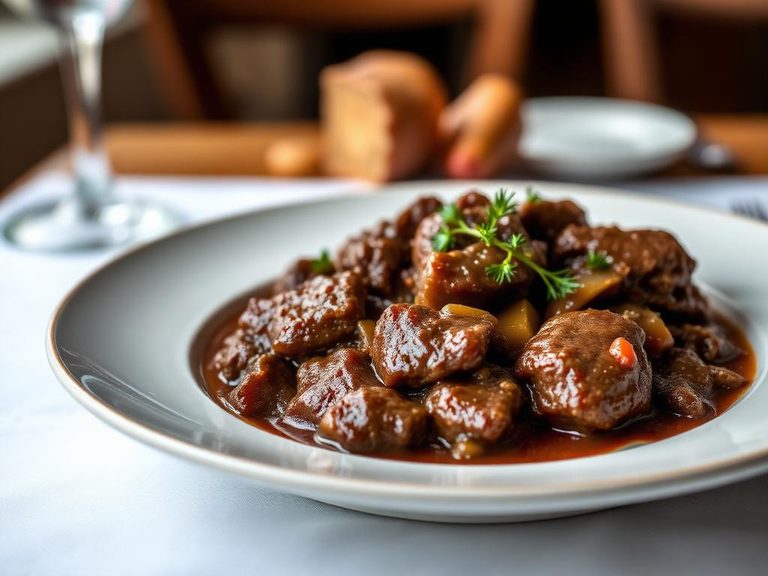

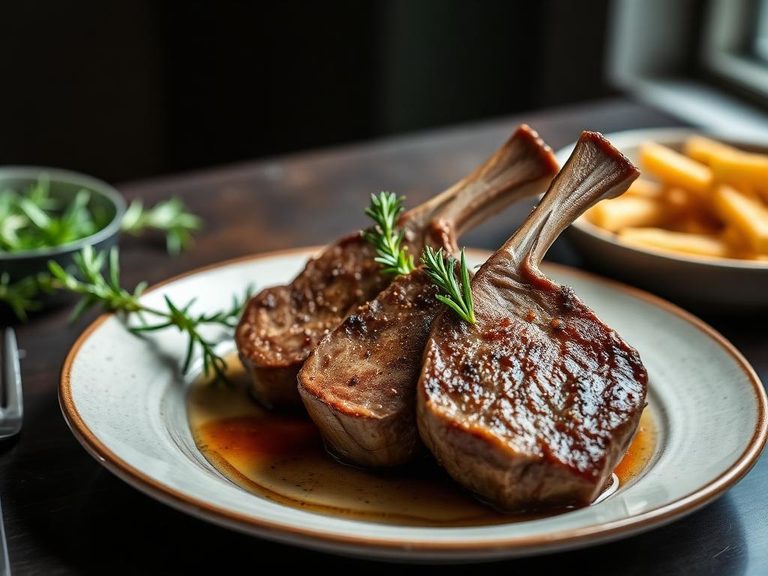
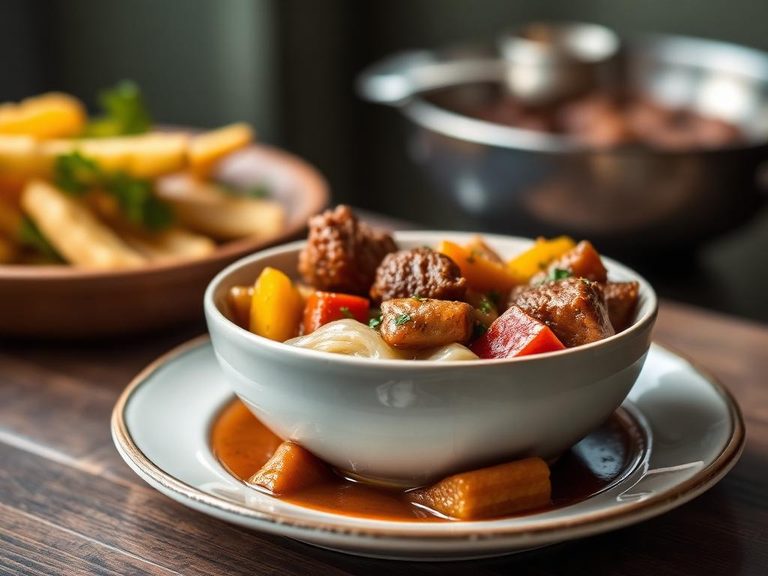
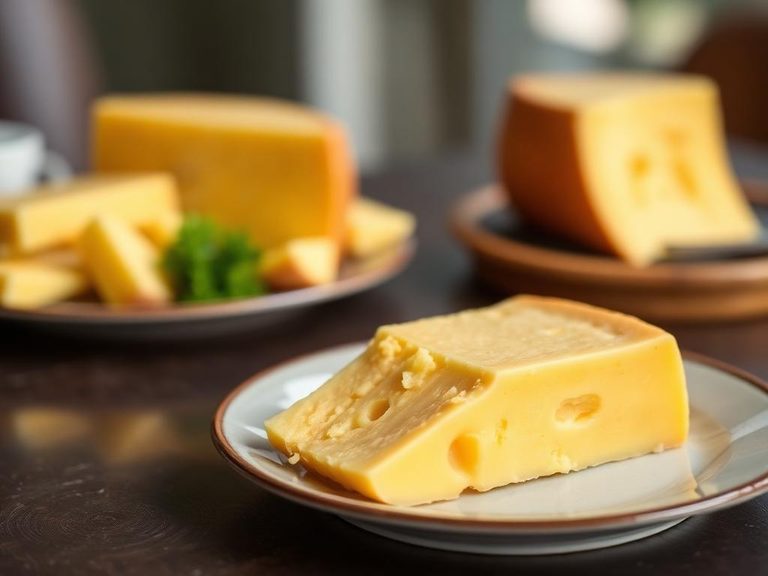
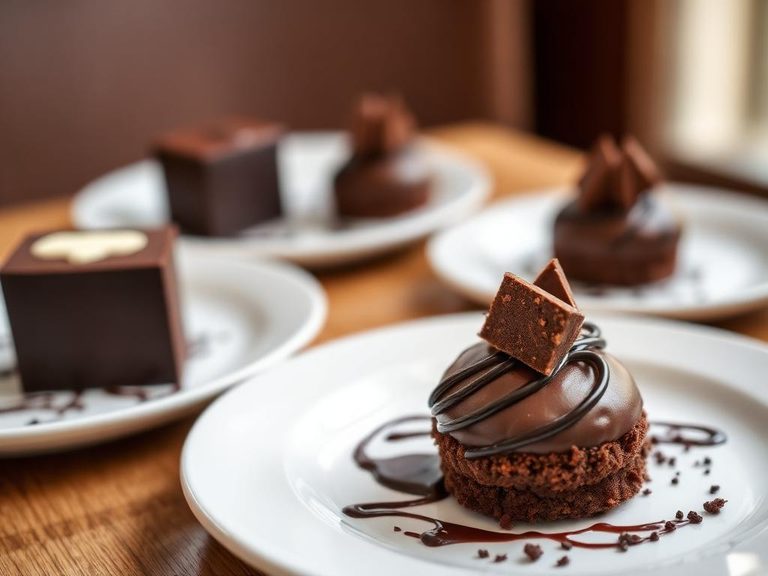
🌍 Where it's eaten
💡 Did you know?
Cabernet Sauvignon is a natural cross between Cabernet Franc and Sauvignon Blanc, a genetic accident that occurred in the 17th century in the vineyards of Bordeaux, France.
Full nutrition (USDA data · scales with serving)
| Water | 86.6 g |
| Energy | 83.0 kcal |
| Energy | 347 kj |
| Protein | 0.07 g |
| Total lipid (fat) | 0.00 g |
| Ash | 0.29 g |
| Carbohydrate, by difference | 2.6 g |
| Alcohol, ethyl | 10.5 g |
Fat & fatty acid profile (per 100g)
| Fatty acids, total trans | 0.00 g |
Amino acid profile (per 100g)
Estimated from Alcoholic beverage, distilled, vodka, 80 proof — USDA does not publish this profile for Alcoholic Beverage.
| Tryptophan | 0.00 g |
| Threonine | 0.00 g |
| Isoleucine | 0.00 g |
| Leucine | 0.00 g |
| Lysine | 0.00 g |
| Methionine | 0.00 g |
| Cystine | 0.00 g |
| Phenylalanine | 0.00 g |
| Tyrosine | 0.00 g |
| Valine | 0.00 g |
| Arginine | 0.00 g |
| Histidine | 0.00 g |
| Alanine | 0.00 g |
| Aspartic acid | 0.00 g |
| Glutamic acid | 0.00 g |
| Glycine | 0.00 g |
| Proline | 0.00 g |
| Serine | 0.00 g |
FAQ
Is Cabernet Sauvignon high in sugar?
No, a standard 100g serving contains 0g of sugar. Any residual sugar is minimal in dry styles, though some sweeter versions exist.
Can I drink Cabernet Sauvignon if I'm watching my carbs?
Yes, it's relatively low-carb with about 2.6g per 100g, making it a better choice than many sugary cocktails or beers.
What's the best way to serve Cabernet Sauvignon?
Serve it slightly below room temperature, around 60-65°F (15-18°C), to balance its alcohol and tannins. Decanting for 30 minutes can also open up its flavors.
Weight-loss friendliness (composite index)
Energy density 0.83 kcal/g · 0% calories from protein · 0.0 g fiber · 0.0 g sugar per 100 g.
Composite of energy density (Rolls et al., 1999), protein & fiber satiety, minus sugar. A calculated heuristic — ranks satiety-per-calorie, not a clinical measure.