

Alcoholic beverage, wine, table, red
Whole food · Beverages
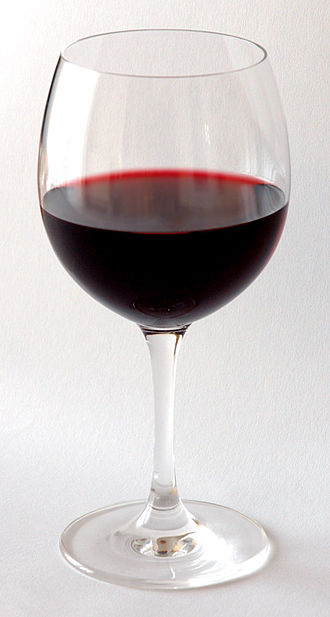
Photo: Wikipedia
Table red wine is a fermented alcoholic beverage made from dark-colored grapes, offering a complex profile of fruity, tannic, and sometimes earthy flavors with a dry to semi-sweet finish. Nutritionally, it is very low in protein and fat, with a modest carbohydrate content (2.61g per 100g) derived from residual sugars and alcohol.
Calorie split: 3% protein · 97% carbs · 0% fat
↓ Full nutrition💚 Why it's loved
People cherish red wine for its rich, layered flavors that evolve with age and its cultural role in celebrations, fine dining, and relaxation. Its versatility allows it to be sipped alone or paired with a wide array of foods, enhancing the dining experience.
⚠️ Watch-outs & how to enjoy it better
The alcohol content can impair judgment and coordination, and excessive consumption poses health risks. Those monitoring blood sugar should note the carbohydrate content, and individuals with alcohol sensitivity or certain medical conditions should avoid it. Tip: Practice strict portion control (a standard 5-ounce pour) and pair with a balanced meal to mitigate blood sugar impact.
Key benefits
- Contains antioxidants like resveratrol from grape skins
- May support heart health when consumed in moderation
- Low in fat and cholesterol-free
- Can be part of a social and culinary ritual
- Provides small amounts of minerals like potassium
🍽️ Popular dishes
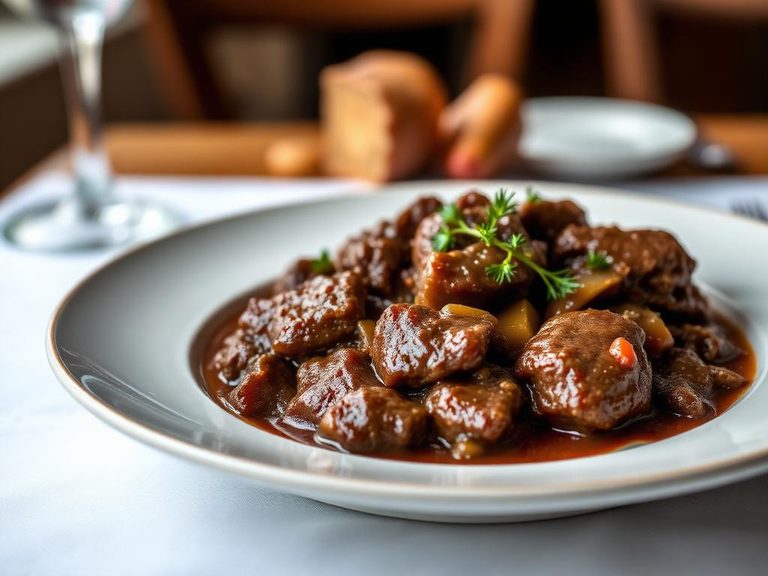
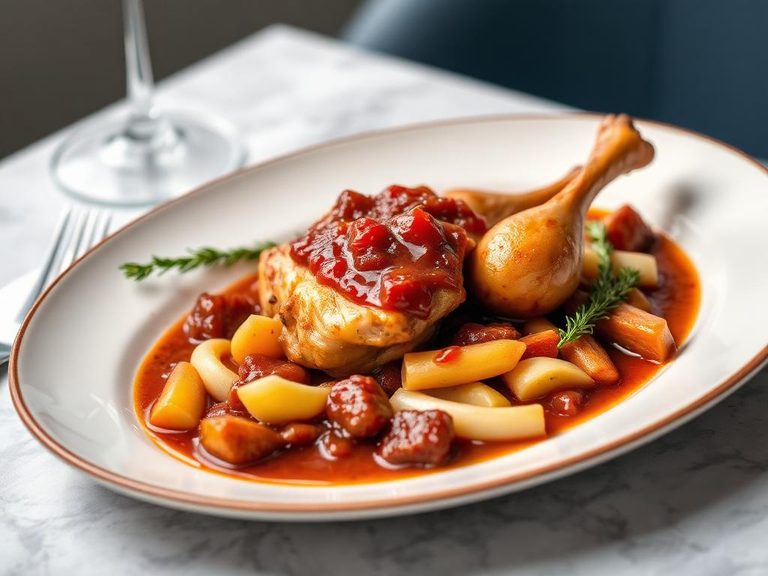
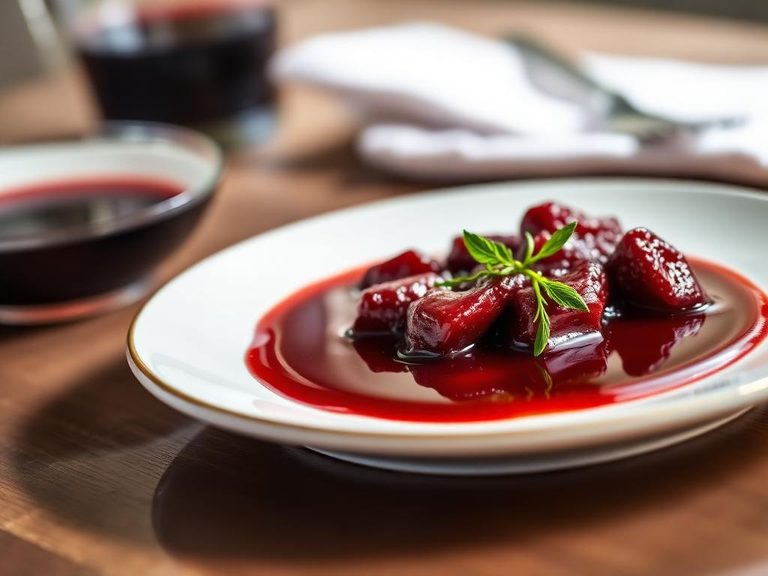
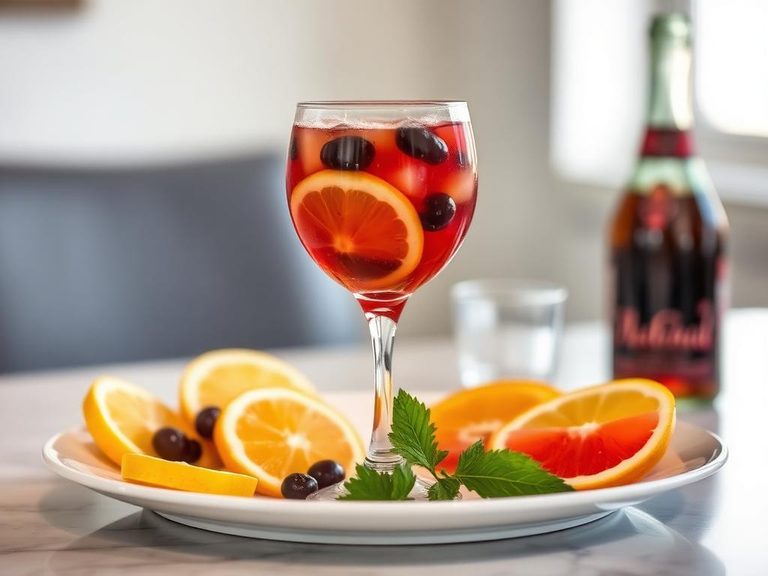
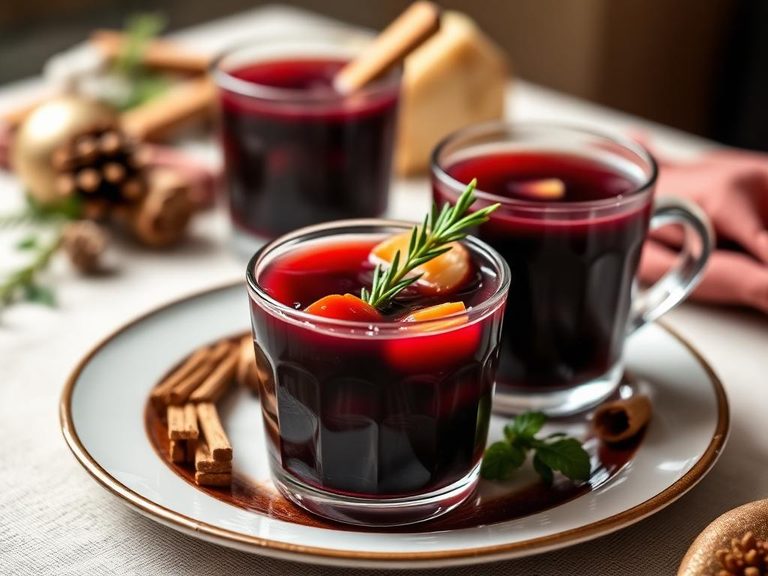
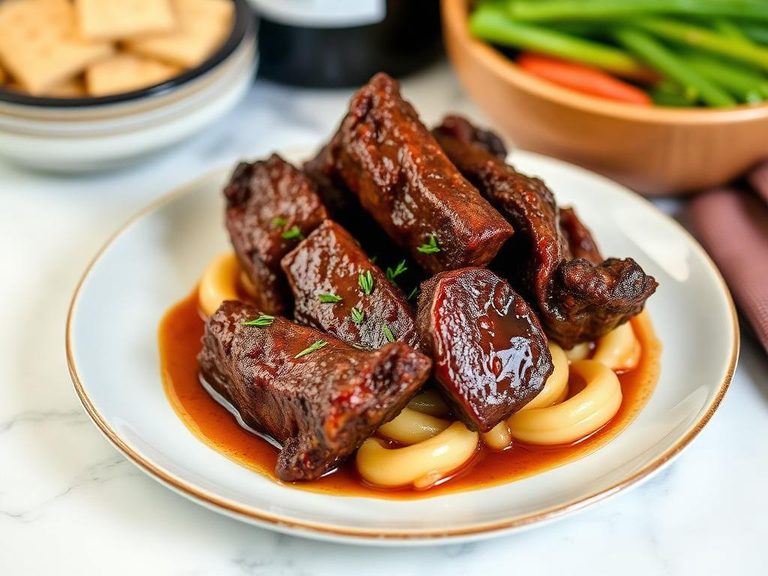
🌍 Where it's eaten
💡 Did you know?
The tannins in red wine, which create a drying sensation in your mouth, actually bind to salivary proteins, temporarily altering your perception of food flavors when you take a sip.
Full nutrition (USDA data · scales with serving)
| Water | 86.5 g |
| Energy | 85.0 kcal |
| Energy | 356 kj |
| Protein | 0.07 g |
| Total lipid (fat) | 0.00 g |
| Ash | 0.28 g |
| Carbohydrate, by difference | 2.6 g |
| Fiber, total dietary | 0.00 g |
| Total Sugars | 0.62 g |
| Calcium, Ca | 8.0 mg |
| Iron, Fe | 0.46 mg |
| Magnesium, Mg | 12.0 mg |
| Phosphorus, P | 23.0 mg |
| Potassium, K | 127 mg |
| Sodium, Na | 4.0 mg |
| Zinc, Zn | 0.14 mg |
| Copper, Cu | 0.01 mg |
| Manganese, Mn | 0.13 mg |
| Selenium, Se | 0.20 ug |
| Fluoride, F | 105 ug |
| Vitamin C, total ascorbic acid | 0.00 mg |
| Thiamin | 0.01 mg |
| Riboflavin | 0.03 mg |
| Niacin | 0.22 mg |
| Pantothenic acid | 0.03 mg |
| Vitamin B-6 | 0.06 mg |
| Folate, total | 1.0 ug |
| Folic acid | 0.00 ug |
| Folate, food | 1.0 ug |
| Folate, DFE | 1.0 ug |
| Choline, total | 5.7 mg |
| Betaine | 0.30 mg |
| Vitamin B-12 | 0.00 ug |
| Vitamin B-12, added | 0.00 ug |
| Vitamin A, RAE | 0.00 ug |
| Retinol | 0.00 ug |
| Carotene, beta | 1.0 ug |
| Carotene, alpha | 0.00 ug |
| Cryptoxanthin, beta | 0.00 ug |
| Vitamin A, IU | 2.0 iu |
| Lycopene | 0.00 ug |
| Lutein + zeaxanthin | 6.0 ug |
| Vitamin E (alpha-tocopherol) | 0.00 mg |
| Vitamin E, added | 0.00 mg |
| Vitamin D (D2 + D3), International Units | 0.00 iu |
| Vitamin D (D2 + D3) | 0.00 ug |
| Vitamin K (phylloquinone) | 0.40 ug |
| Alcohol, ethyl | 10.6 g |
| Caffeine | 0.00 mg |
| Theobromine | 0.00 mg |
Fat & fatty acid profile (per 100g)
| Fatty acids, total saturated | 0.00 g |
| SFA 4:0 | 0.00 g |
| SFA 6:0 | 0.00 g |
| SFA 8:0 | 0.00 g |
| SFA 10:0 | 0.00 g |
| SFA 12:0 | 0.00 g |
| SFA 14:0 | 0.00 g |
| SFA 16:0 | 0.00 g |
| SFA 18:0 | 0.00 g |
| Fatty acids, total monounsaturated | 0.00 g |
| MUFA 16:1 | 0.00 g |
| MUFA 18:1 | 0.00 g |
| MUFA 20:1 | 0.00 g |
| MUFA 22:1 | 0.00 g |
| Fatty acids, total polyunsaturated | 0.00 g |
| PUFA 18:2 | 0.00 g |
| PUFA 18:3 | 0.00 g |
| PUFA 18:4 | 0.00 g |
| PUFA 20:4 | 0.00 g |
| PUFA 20:5 n-3 (EPA) | 0.00 g |
| PUFA 22:5 n-3 (DPA) | 0.00 g |
| PUFA 22:6 n-3 (DHA) | 0.00 g |
| Fatty acids, total trans | 0.00 g |
| Cholesterol | 0.00 mg |
Amino acid profile (per 100g)
Estimated from Alcoholic beverage, distilled, vodka, 80 proof — USDA does not publish this profile for Alcoholic beverage.
| Tryptophan | 0.00 g |
| Threonine | 0.00 g |
| Isoleucine | 0.00 g |
| Leucine | 0.00 g |
| Lysine | 0.00 g |
| Methionine | 0.00 g |
| Cystine | 0.00 g |
| Phenylalanine | 0.00 g |
| Tyrosine | 0.00 g |
| Valine | 0.00 g |
| Arginine | 0.00 g |
| Histidine | 0.00 g |
| Alanine | 0.00 g |
| Aspartic acid | 0.00 g |
| Glutamic acid | 0.00 g |
| Glycine | 0.00 g |
| Proline | 0.00 g |
| Serine | 0.00 g |
FAQ
Does red wine have more calories than white wine?
Generally, red and white wines have a similar calorie range (about 85-125 kcal per 100g), but reds can be slightly higher due to higher residual sugar and alcohol content in some varieties.
Is the sugar in red wine added sugar?
Most table red wines have no added sugar; the 0.62g of sugar per 100g is typically residual grape sugar left after fermentation.
Can red wine be part of a low-carb diet?
In moderation, yes. A 5-ounce (148g) serving contains about 3.9g of carbs, making it a lower-carb alcoholic option compared to beer or sweet cocktails.
Nutrient density (calculated · NRF9.3)
Nutrient Rich Foods index: beneficial nutrients (protein, fiber, vitamins, minerals) minus saturated fat, added sugar & sodium, per 100 kcal.
NRF9.3 index — Fulgoni, Keast & Drewnowski, 2009. Computed from USDA nutrients.
Weight-loss friendliness (composite index)
Energy density 0.85 kcal/g · 0% calories from protein · 0.0 g fiber · 0.6 g sugar per 100 g.
Composite of energy density (Rolls et al., 1999), protein & fiber satiety, minus sugar. A calculated heuristic — ranks satiety-per-calorie, not a clinical measure.
Dietary load (calculated from USDA values)
Potential renal acid load. Positive = acid-forming, negative = alkaline-forming.
Sodium-to-potassium ratio: 0.03 (lower is better — aim for ≤ 1)
Sodium:potassium per WHO potassium guidance. Computed from USDA nutrients.