

Sangria
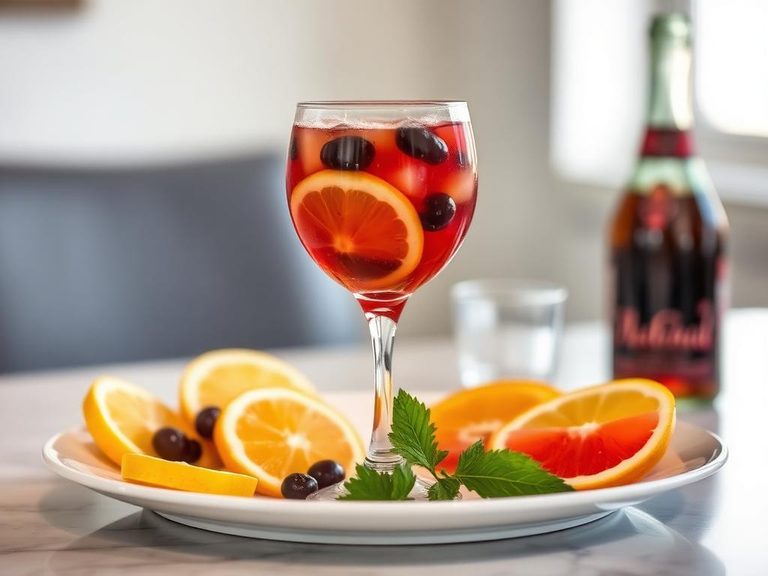
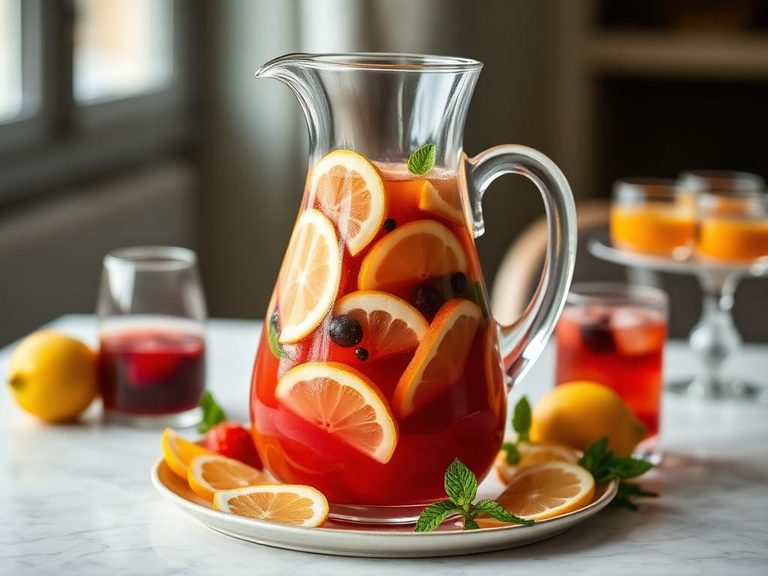
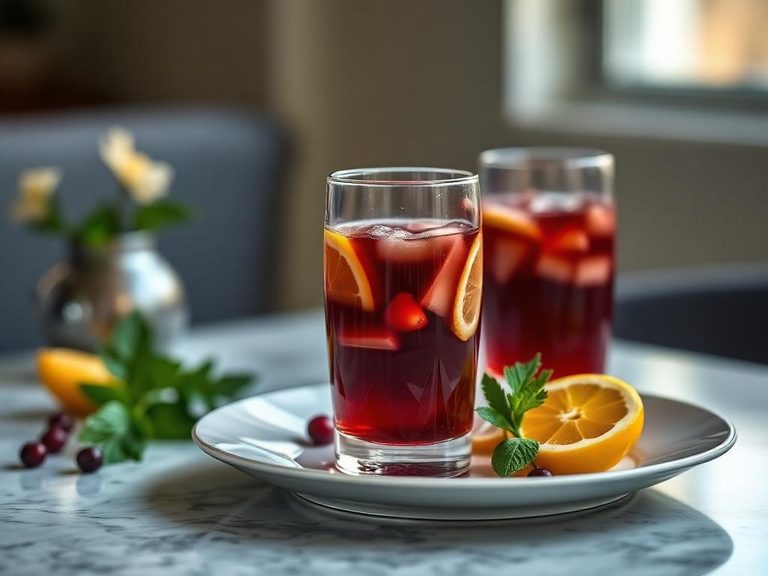
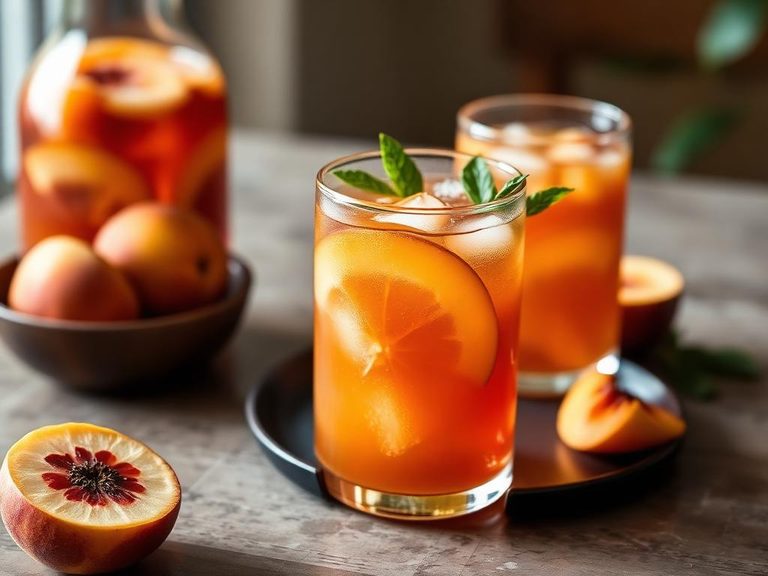
Sangria is a vibrant, refreshing punch from Spain, traditionally made by macerating red wine with chopped fruit, a sweetener, and a splash of brandy or orange juice. Its signature deep red hue and fruity aroma make it a beloved social drink, especially popular during warm weather.
🍳 View the full Sangria recipe →
🍽️ Nutrition at a glance
Sangria is primarily a source of carbohydrates from the added sugar and fruit, with negligible fat and protein. A typical 8-ounce serving contains roughly 150-200 calories, depending on the wine and sweeteners used.
Nutrition breakdown
| Calories | 150 kcal |
| Protein | 0.5 g |
| Carbs | 20 g |
| Fat | 0 g |
| Fiber | 0.5 g |
| Sugar | 15 g |
| Sodium | 10 mg |
| Potassium | 200 mg |
| Vitamin C | 15 mg |
| Folate | 30 mcg |
| Manganese | 0.3 mg |
| Iron | 0.5 mg |
| Vitamin B6 | 0.1 mg |
| Magnesium | 15 mg |
| Phosphorus | 30 mg |
Per 1 cup (240 g) · estimated, varies by recipe
💡 What's interesting
Culturally, sangria is a symbol of Spanish hospitality and communal dining, often served in large pitchers at festivals and family gatherings. Nutritionally, the macerated fruit can provide some vitamins and antioxidants, though the alcohol and sugar content are the dominant components.
🍽️ Related dishes
AI estimate may be inaccurate · Terms