Winter Sangria
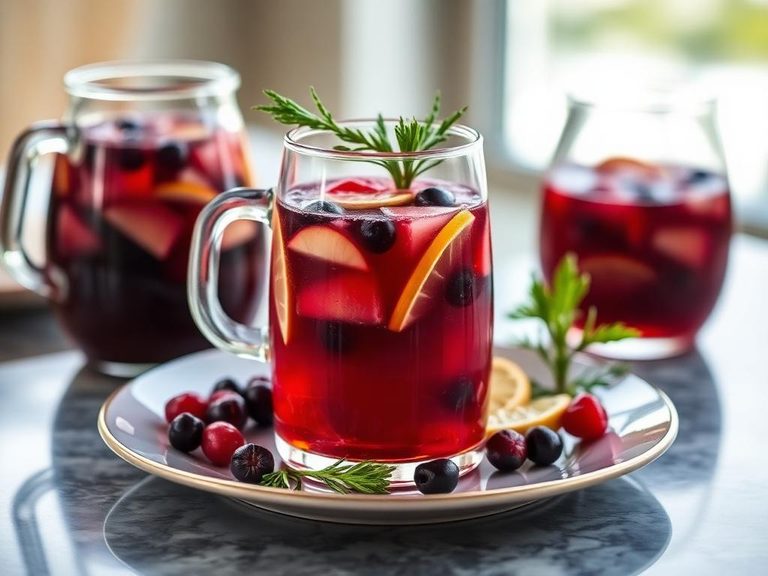
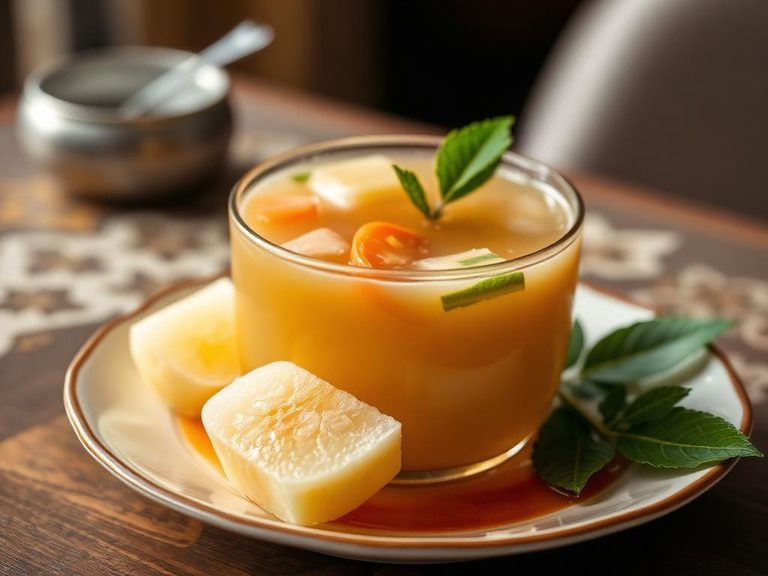
Winter Sangria is a festive, warming twist on the classic Spanish wine punch, typically made with red wine, brandy, and a medley of seasonal fruits like apples, pears, and citrus. It often includes warming spices such as cinnamon, cloves, and star anise to create a cozy, aromatic beverage perfect for cold weather. Originating from Spain, this variation has become a popular holiday drink in many cultures, especially in Europe and North America.
🍽️ Nutrition at a glance
Winter Sangria is generally high in carbohydrates due to the natural sugars from fruits and added sweeteners, with minimal fat and protein. A typical serving (about 8 ounces) provides around 150-200 calories, along with some vitamin C from citrus and antioxidants from the wine and fruits.
Nutrition breakdown
| Calories | 180 kcal |
| Protein | 0.5 g |
| Carbs | 28 g |
| Fat | 0 g |
| Fiber | 1 g |
| Sugar | 22 g |
| Sodium | 10 mg |
| Vitamin C | 15 mg |
| Potassium | 200 mg |
| Calcium | 25 mg |
| Magnesium | 15 mg |
| Iron | 0.5 mg |
| Manganese | 0.2 mg |
| Folate | 10 mcg |
| Vitamin B6 | 0.1 mg |
Per 1 cup (240 g) · estimated, varies by recipe
💡 What's interesting
Culturally, Winter Sangria reflects the tradition of communal drinking and seasonal celebrations, often served at gatherings to promote warmth and conviviality. Nutritionally, it offers a blend of antioxidants from wine and fruits, though its alcohol and sugar content make it a treat best enjoyed in moderation.