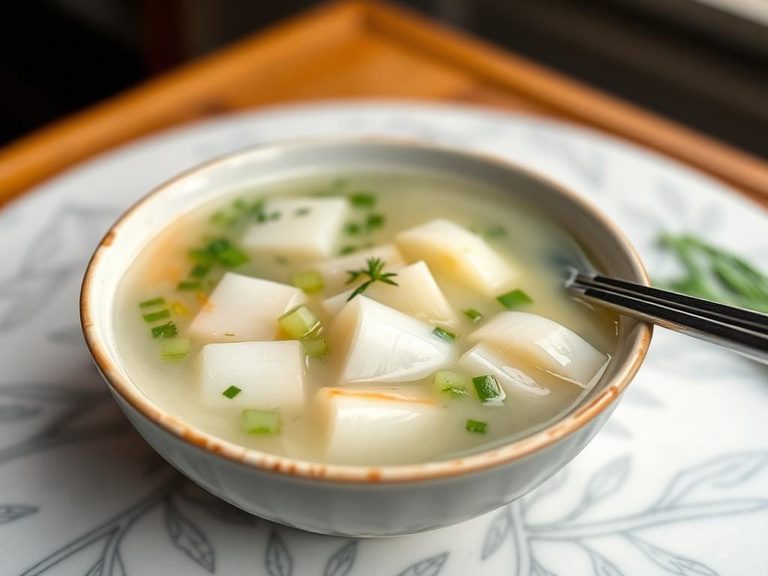
Winter Vegetable Stew
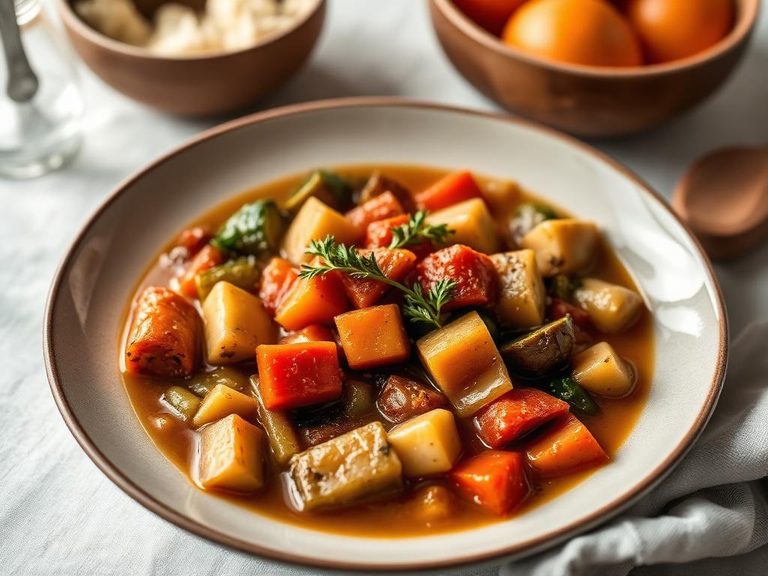
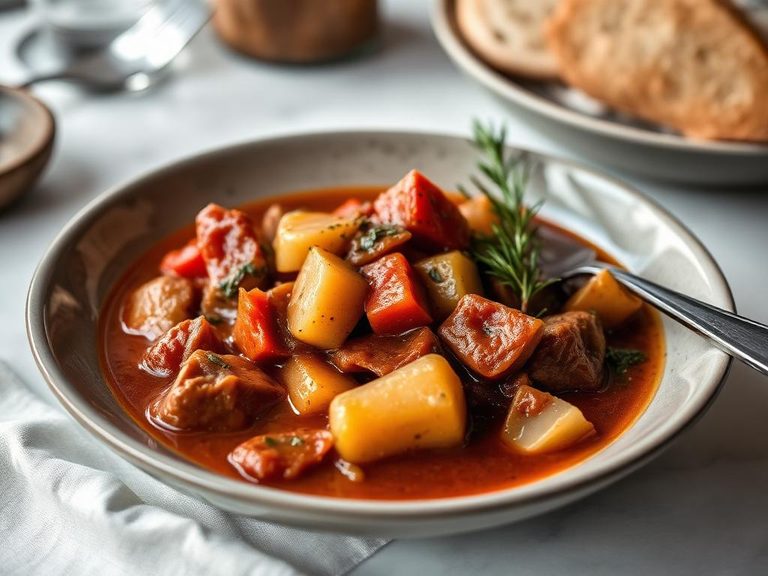
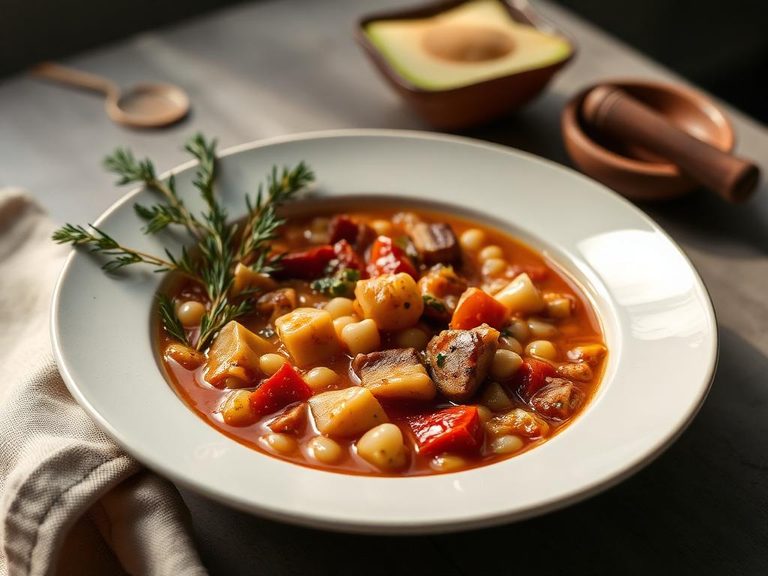
Winter Vegetable Stew is a hearty, comforting one-pot dish traditionally made with seasonal root vegetables and squash. It typically includes ingredients like potatoes, carrots, onions, celery, turnips, and often cabbage or parsnips, simmered in a savory broth. This type of stew is a staple across many cuisines in temperate regions, particularly in European and North American home cooking during colder months.
🍽️ Nutrition at a glance
This dish is generally a good source of complex carbohydrates and dietary fiber from the vegetables, with a moderate amount of protein if beans or meat are added. It is typically low in fat and provides a rich array of vitamins and minerals, with a rough calorie range of 150-250 kcal per serving depending on the specific recipe.
Nutrition breakdown
| Calories | 180 kcal |
| Protein | 5 g |
| Carbs | 32 g |
| Fat | 4 g |
| Fiber | 8 g |
| Sugar | 6 g |
| Sodium | 480 mg |
| Potassium | 520 mg |
| Vitamin A | 190 mcg RAE |
| Vitamin C | 25 mg |
| Vitamin K | 15 mcg |
| Folate | 60 mcg DFE |
| Manganese | 0.8 mg |
| Iron | 2.1 mg |
| Magnesium | 35 mg |
Per 1 cup (240 g) · estimated, varies by recipe
💡 What's interesting
Culturally, this stew is a classic example of 'peasant food' or 'comfort food,' designed to be economical and nourishing using whatever vegetables were available from storage or late-season harvests. Nutritionally, it's a powerhouse of plant-based nutrients, offering a diverse mix of antioxidants and fiber that supports gut health and provides sustained energy.