

Alcoholic Beverage, wine, table, red, Merlot
Whole food · Beverages
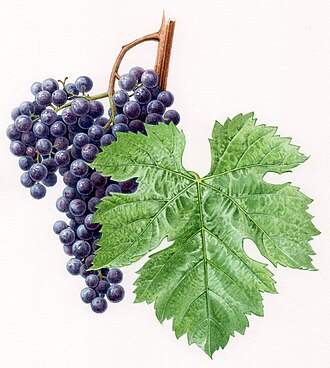
Photo: Wikipedia
Merlot is a popular red wine known for its soft, velvety texture and approachable, fruit-forward profile. It typically features notes of ripe plum, cherry, and sometimes hints of chocolate or herbs, making it a smooth and versatile choice for many palates. With about 83 calories per 100g, it's a lighter-bodied red wine option compared to some bolder varietals.
Calorie split: 3% protein · 97% carbs · 0% fat
↓ Full nutrition💚 Why it's loved
People love Merlot for its easy-drinking, smooth character that pairs well with a wide range of foods, from casual weeknight dinners to more formal gatherings. Its cultural significance in regions like Bordeaux and its global popularity make it a staple in wine collections and social settings.
⚠️ Watch-outs & how to enjoy it better
Merlot, like all alcoholic beverages, can contribute to blood sugar spikes and should be consumed cautiously by individuals with diabetes or those monitoring their sugar intake. To counteract this, pair it with protein-rich foods or healthy fats, such as cheese or nuts, and practice portion control by sticking to a standard 5-ounce (148g) serving.
Key benefits
- Rich in antioxidants like resveratrol, which may support heart health
- May help improve cholesterol levels when consumed in moderation
- Contains polyphenols that could have anti-inflammatory properties
- Can be part of a balanced diet as a low-fat beverage option
- Often paired with meals, potentially aiding in digestion
🍽️ Popular dishes
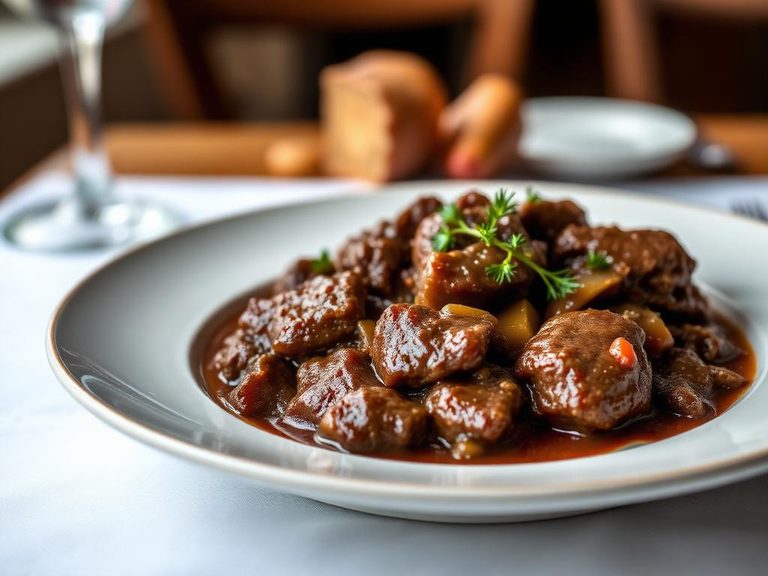
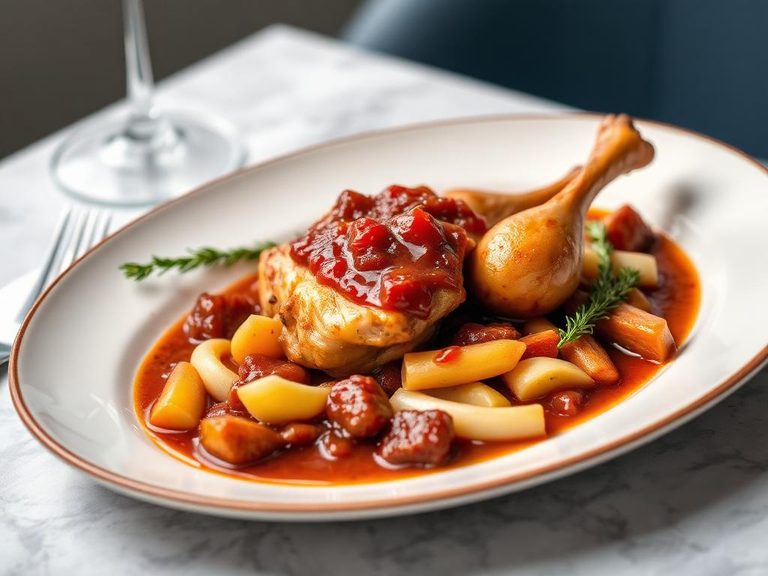
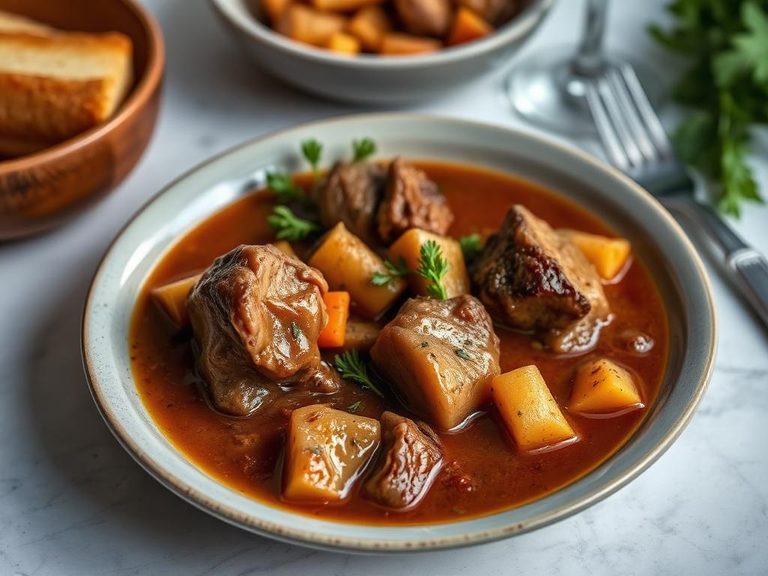
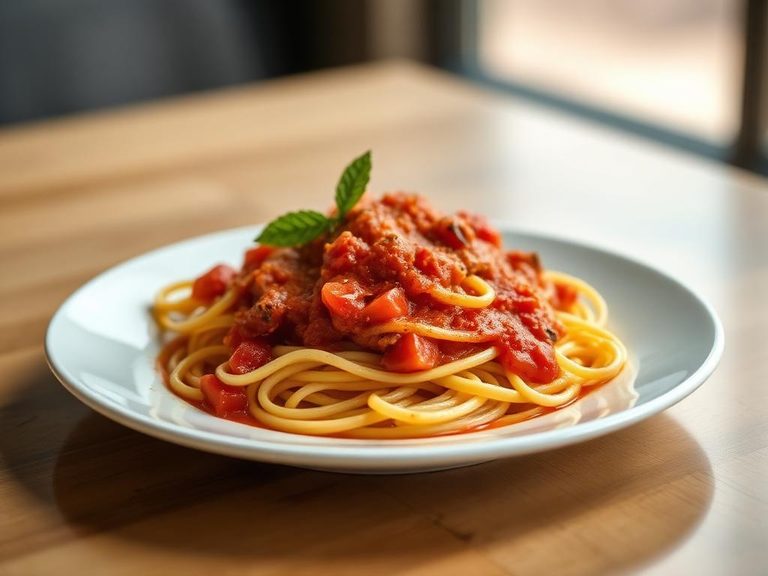
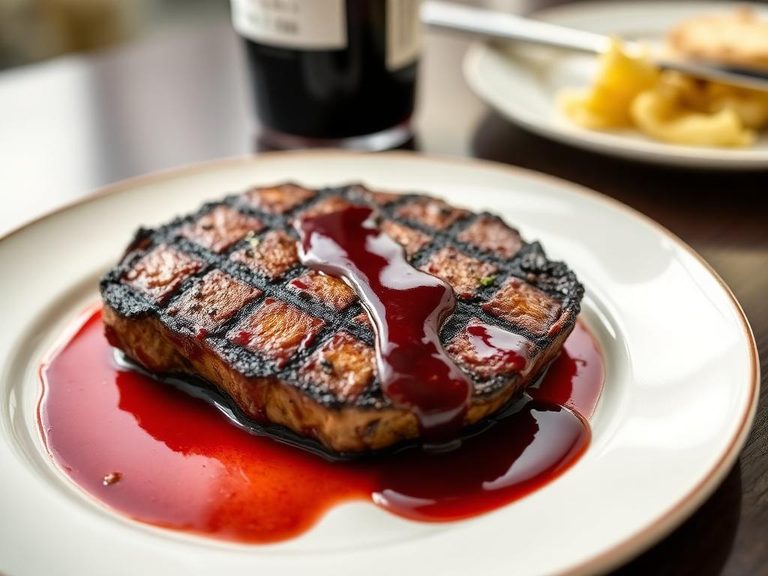

🌍 Where it's eaten
💡 Did you know?
Merlot is one of the most widely planted grape varieties in the world, with over 260,000 hectares dedicated to its cultivation globally, often used as a blending partner in Bordeaux wines to add softness and fruitiness.
Full nutrition (USDA data · scales with serving)
| Water | 86.6 g |
| Energy | 83.0 kcal |
| Energy | 348 kj |
| Protein | 0.07 g |
| Total lipid (fat) | 0.00 g |
| Ash | 0.27 g |
| Carbohydrate, by difference | 2.5 g |
| Fiber, total dietary | 0.00 g |
| Total Sugars | 0.62 g |
| Calcium, Ca | 8.0 mg |
| Iron, Fe | 0.46 mg |
| Magnesium, Mg | 12.0 mg |
| Phosphorus, P | 23.0 mg |
| Potassium, K | 127 mg |
| Sodium, Na | 4.0 mg |
| Zinc, Zn | 0.14 mg |
| Copper, Cu | 0.01 mg |
| Manganese, Mn | 0.13 mg |
| Selenium, Se | 0.20 ug |
| Fluoride, F | 105 ug |
| Vitamin C, total ascorbic acid | 0.00 mg |
| Thiamin | 0.01 mg |
| Riboflavin | 0.03 mg |
| Niacin | 0.22 mg |
| Pantothenic acid | 0.03 mg |
| Vitamin B-6 | 0.06 mg |
| Folate, total | 1.0 ug |
| Folate, food | 1.0 ug |
| Vitamin B-12 | 0.00 ug |
| Alcohol, ethyl | 10.6 g |
Fat & fatty acid profile (per 100g)
| Fatty acids, total trans | 0.00 g |
Amino acid profile (per 100g)
Estimated from Alcoholic beverage, distilled, vodka, 80 proof — USDA does not publish this profile for Alcoholic Beverage.
| Tryptophan | 0.00 g |
| Threonine | 0.00 g |
| Isoleucine | 0.00 g |
| Leucine | 0.00 g |
| Lysine | 0.00 g |
| Methionine | 0.00 g |
| Cystine | 0.00 g |
| Phenylalanine | 0.00 g |
| Tyrosine | 0.00 g |
| Valine | 0.00 g |
| Arginine | 0.00 g |
| Histidine | 0.00 g |
| Alanine | 0.00 g |
| Aspartic acid | 0.00 g |
| Glutamic acid | 0.00 g |
| Glycine | 0.00 g |
| Proline | 0.00 g |
| Serine | 0.00 g |
FAQ
What does Merlot taste like?
Merlot is known for its soft, fruity flavors of plum, cherry, and sometimes chocolate or herbs, with a smooth, velvety texture that makes it approachable for many wine drinkers.
Is Merlot a red wine?
Yes, Merlot is a red wine made from the Merlot grape, typically with a medium body and lower tannins compared to other red wines like Cabernet Sauvignon.
How many calories are in a glass of Merlot?
A standard 5-ounce (148g) glass of Merlot contains approximately 123 calories, based on its average caloric density of 83 kcal per 100g.
Nutrient density (calculated · NRF9.3)
Nutrient Rich Foods index: beneficial nutrients (protein, fiber, vitamins, minerals) minus saturated fat, added sugar & sodium, per 100 kcal.
NRF9.3 index — Fulgoni, Keast & Drewnowski, 2009. Computed from USDA nutrients.
Weight-loss friendliness (composite index)
Energy density 0.83 kcal/g · 0% calories from protein · 0.0 g fiber · 0.6 g sugar per 100 g.
Composite of energy density (Rolls et al., 1999), protein & fiber satiety, minus sugar. A calculated heuristic — ranks satiety-per-calorie, not a clinical measure.
Dietary load (calculated from USDA values)
Potential renal acid load. Positive = acid-forming, negative = alkaline-forming.
Sodium-to-potassium ratio: 0.03 (lower is better — aim for ≤ 1)
Sodium:potassium per WHO potassium guidance. Computed from USDA nutrients.