

Nuts, mixed nuts, oil roasted, with peanuts, lightly salted
Whole food · Nut and Seed Products

Photo: Wikipedia
A savory, crunchy medley of oil-roasted peanuts, cashews, almonds, and other nuts, finished with a light dusting of salt. The roasting process deepens their natural flavors and creates a satisfying, crisp texture. Despite being a calorie-dense snack, it delivers a substantial 20g of protein and 7g of fiber per 100g, making it a powerfully satiating bite.
Calorie split: 12% protein · 13% carbs · 75% fat
↓ Full nutrition💚 Why it's loved
People adore the addictive, savory crunch and the rich, toasty flavor profile that the oil roasting and light salt enhance. It's the ultimate versatile snack—perfect for trail mix, topping salads, or enjoying by the handful during a movie or work break.
⚠️ Watch-outs & how to enjoy it better
The high calorie density (607 kcal per 100g) and fat content can be a concern for strict portion control. Peanuts are a common allergen, and the added sodium may be problematic for some. To counteract, practice mindful portioning by using a small bowl instead of eating from the bag, and balance it with fresh fruit or vegetables to add volume and nutrients without excessive calories.
Key benefits
- Excellent source of plant-based protein (20g per 100g).
- High in dietary fiber (7g per 100g) for digestive health.
- Rich in heart-healthy monounsaturated and polyunsaturated fats.
- Provides essential minerals like magnesium, phosphorus, and zinc.
- The combination of fat, protein, and fiber promotes sustained energy.
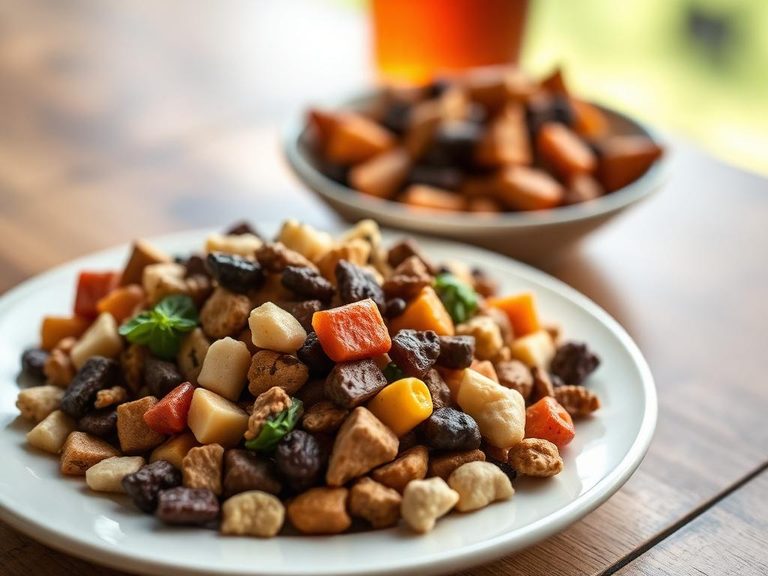
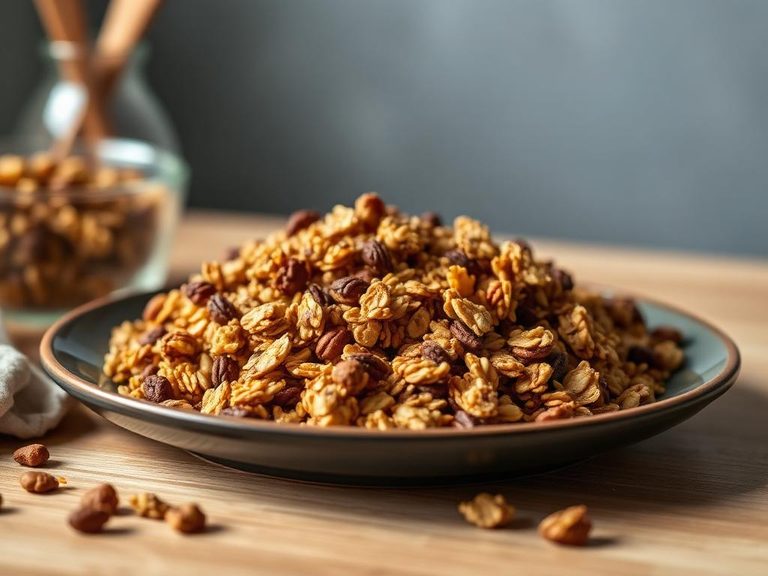
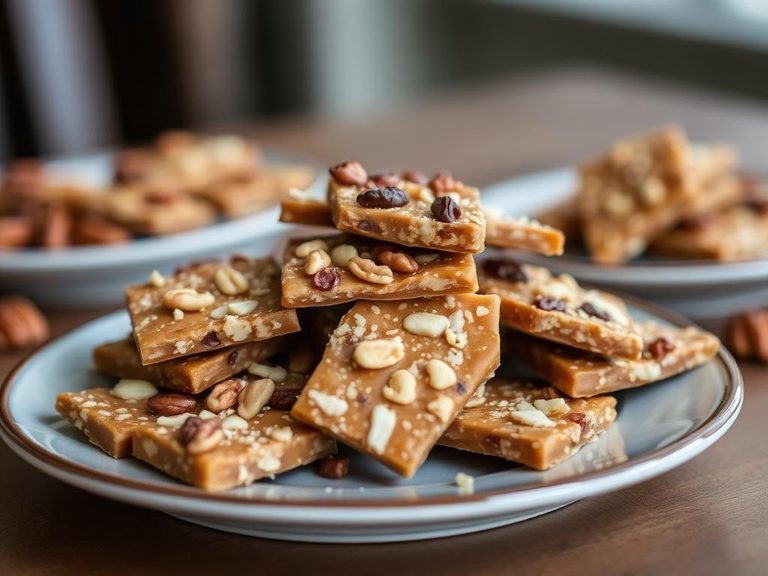
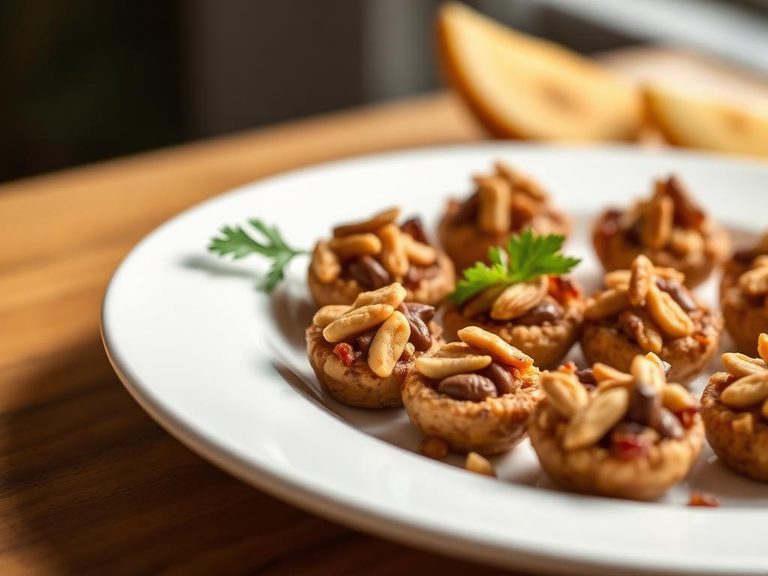
🍽️ Popular dishes
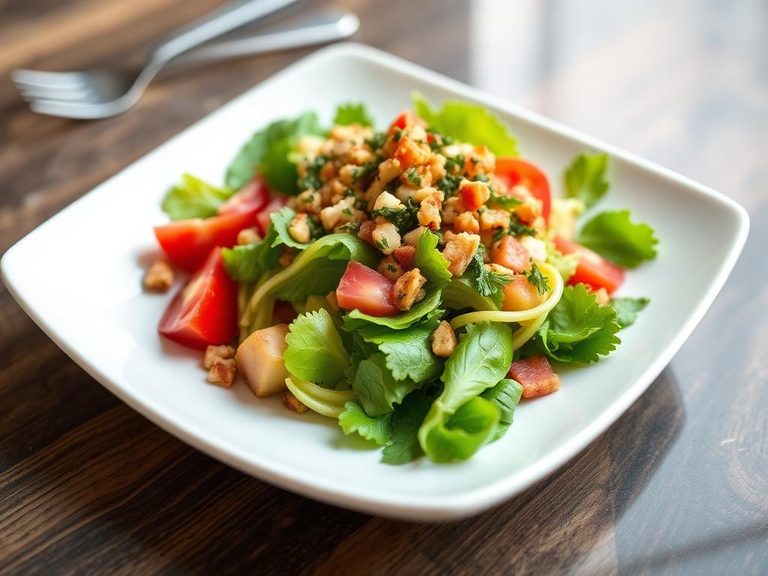
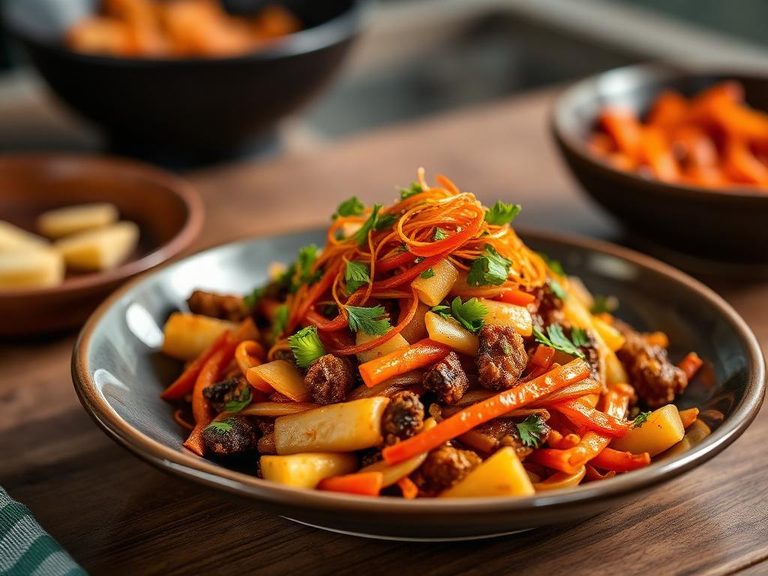
🌍 Where it's eaten
💡 Did you know?
The 'lightly salted' label is relative; a 100g serving can still contain over 300mg of sodium, which is about 13% of the recommended daily limit.
Full nutrition (USDA data · scales with serving)
| Water | 2.1 g |
| Energy | 607 kcal |
| Energy | 2539 kj |
| Protein | 20.0 g |
| Total lipid (fat) | 54.0 g |
| Ash | 2.9 g |
| Carbohydrate, by difference | 21.1 g |
| Fiber, total dietary | 7.0 g |
| Total Sugars | 4.2 g |
| Sucrose | 4.2 g |
| Glucose | 0.00 g |
| Fructose | 0.00 g |
| Lactose | 0.00 g |
| Maltose | 0.00 g |
| Galactose | 0.00 g |
| Starch | 4.2 g |
| Calcium, Ca | 117 mg |
| Iron, Fe | 2.6 mg |
| Magnesium, Mg | 229 mg |
| Phosphorus, P | 456 mg |
| Potassium, K | 632 mg |
| Sodium, Na | 161 mg |
| Zinc, Zn | 3.4 mg |
| Copper, Cu | 0.91 mg |
| Manganese, Mn | 2.0 mg |
| Selenium, Se | 33.9 ug |
| Vitamin C, total ascorbic acid | 0.50 mg |
| Thiamin | 0.19 mg |
| Riboflavin | 0.20 mg |
| Niacin | 7.7 mg |
| Pantothenic acid | 1.1 mg |
| Vitamin B-6 | 0.35 mg |
| Folate, total | 83.0 ug |
| Folic acid | 0.00 ug |
| Folate, food | 83.0 ug |
| Folate, DFE | 83.0 ug |
| Choline, total | 52.0 mg |
| Vitamin B-12 | 0.00 ug |
| Vitamin B-12, added | 0.00 ug |
| Vitamin A, RAE | 0.00 ug |
| Retinol | 0.00 ug |
| Carotene, beta | 2.0 ug |
| Carotene, alpha | 0.00 ug |
| Cryptoxanthin, beta | 0.00 ug |
| Vitamin A, IU | 3.0 iu |
| Lycopene | 0.00 ug |
| Lutein + zeaxanthin | 8.0 ug |
| Vitamin E (alpha-tocopherol) | 7.8 mg |
| Vitamin E, added | 0.00 mg |
| Tocopherol, beta | 0.22 mg |
| Tocopherol, gamma | 6.4 mg |
| Tocopherol, delta | 0.32 mg |
| Tocotrienol, alpha | 0.04 mg |
| Tocotrienol, beta | 0.00 mg |
| Tocotrienol, gamma | 0.03 mg |
| Tocotrienol, delta | 0.00 mg |
| Vitamin D (D2 + D3), International Units | 0.00 iu |
| Vitamin D (D2 + D3) | 0.00 ug |
| Vitamin K (phylloquinone) | 5.7 ug |
| Alcohol, ethyl | 0.00 g |
| Caffeine | 0.00 mg |
| Theobromine | 0.00 mg |
Fat & fatty acid profile (per 100g)
| Fatty acids, total saturated | 8.7 g |
| SFA 4:0 | 0.00 g |
| SFA 6:0 | 0.00 g |
| SFA 8:0 | 0.00 g |
| SFA 10:0 | 0.00 g |
| SFA 12:0 | 0.00 g |
| SFA 14:0 | 0.04 g |
| SFA 15:0 | 0.01 g |
| SFA 16:0 | 5.2 g |
| SFA 17:0 | 0.05 g |
| SFA 18:0 | 2.0 g |
| SFA 20:0 | 0.36 g |
| SFA 22:0 | 0.64 g |
| SFA 24:0 | 0.38 g |
| Fatty acids, total monounsaturated | 28.5 g |
| MUFA 14:1 | 0.00 g |
| MUFA 15:1 | 0.00 g |
| MUFA 16:1 | 0.13 g |
| MUFA 16:1 c | 0.13 g |
| MUFA 17:1 | 0.04 g |
| MUFA 18:1 | 27.9 g |
| MUFA 18:1 c | 27.9 g |
| MUFA 20:1 | 0.38 g |
| MUFA 22:1 | 0.03 g |
| MUFA 22:1 c | 0.03 g |
| MUFA 24:1 c | 0.01 g |
| Fatty acids, total polyunsaturated | 14.6 g |
| PUFA 18:2 | 14.5 g |
| PUFA 18:2 n-6 c,c | 14.5 g |
| PUFA 18:2 CLAs | 0.01 g |
| PUFA 18:3 | 0.08 g |
| PUFA 18:3 n-3 c,c,c (ALA) | 0.08 g |
| PUFA 18:3 n-6 c,c,c | 0.00 g |
| PUFA 18:4 | 0.00 g |
| PUFA 20:2 n-6 c,c | 0.01 g |
| PUFA 20:3 | 0.00 g |
| PUFA 20:3 n-3 | 0.00 g |
| PUFA 20:3 n-6 | 0.00 g |
| PUFA 20:4 | 0.01 g |
| PUFA 20:5 n-3 (EPA) | 0.01 g |
| PUFA 22:4 | 0.01 g |
| PUFA 22:5 n-3 (DPA) | 0.00 g |
| PUFA 22:6 n-3 (DHA) | 0.00 g |
| Fatty acids, total trans | 0.06 g |
| Fatty acids, total trans-monoenoic | 0.02 g |
| TFA 16:1 t | 0.00 g |
| TFA 18:1 t | 0.02 g |
| TFA 22:1 t | 0.00 g |
| TFA 18:2 t not further defined | 0.03 g |
| Fatty acids, total trans-polyenoic | 0.03 g |
| Cholesterol | 0.00 mg |
Amino acid profile (per 100g)
| Tryptophan | 0.22 g |
| Threonine | 0.70 g |
| Isoleucine | 0.83 g |
| Leucine | 1.7 g |
| Lysine | 0.78 g |
| Methionine | 0.28 g |
| Cystine | 0.29 g |
| Phenylalanine | 1.2 g |
| Tyrosine | 0.79 g |
| Valine | 1.0 g |
| Arginine | 3.0 g |
| Histidine | 0.57 g |
| Alanine | 0.98 g |
| Aspartic acid | 2.9 g |
| Glutamic acid | 5.6 g |
| Glycine | 1.4 g |
| Proline | 0.96 g |
| Serine | 1.2 g |
FAQ
Is this a healthy snack?
Yes, in moderation. It's packed with protein, fiber, and healthy fats, but it's also very calorie-dense. A small handful is a nutrient-rich, satisfying snack.
Why are they oil-roasted?
Oil roasting enhances flavor, creates a crispier texture, and helps the light salt seasoning adhere to the nuts. It also gives them a richer mouthfeel compared to dry-roasted nuts.
Can I eat this on a low-carb diet?
Generally yes. With about 21g of carbs per 100g (7g of which is fiber), the net carbs are relatively low, making it a suitable snack for many low-carb and keto diets when portioned carefully.
Nutrient density (calculated · NRF9.3)
Nutrient Rich Foods index: beneficial nutrients (protein, fiber, vitamins, minerals) minus saturated fat, added sugar & sodium, per 100 kcal.
NRF9.3 index — Fulgoni, Keast & Drewnowski, 2009. Computed from USDA nutrients.
Weight-loss friendliness (composite index)
Energy density 6.07 kcal/g · 13% calories from protein · 7.0 g fiber · 4.2 g sugar per 100 g.
Composite of energy density (Rolls et al., 1999), protein & fiber satiety, minus sugar. A calculated heuristic — ranks satiety-per-calorie, not a clinical measure.
Dietary load (calculated from USDA values)
Potential renal acid load. Positive = acid-forming, negative = alkaline-forming.
Sodium-to-potassium ratio: 0.25 (lower is better — aim for ≤ 1)
Sodium:potassium per WHO potassium guidance. Computed from USDA nutrients.