Mustard, prepared, yellow
Whole food · Spices and Herbs

Photo: Wikipedia
Yellow prepared mustard is a vibrant, tangy condiment made from ground mustard seeds, turmeric, and vinegar, delivering a sharp, pungent kick with a smooth, thick texture. It's remarkably low in calories (61 kcal/100g) while providing a notable 4.3g of dietary fiber per 100g, making it a flavor-packed addition with minimal caloric cost.
💚 Why it's loved
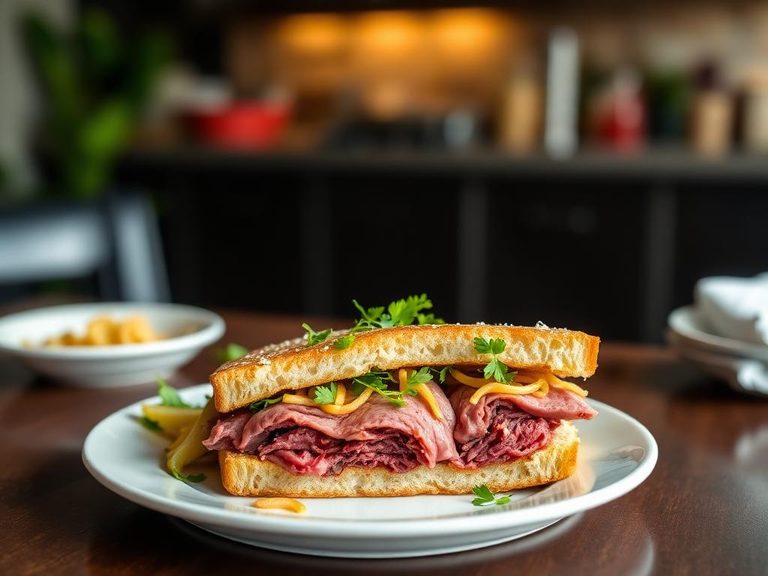
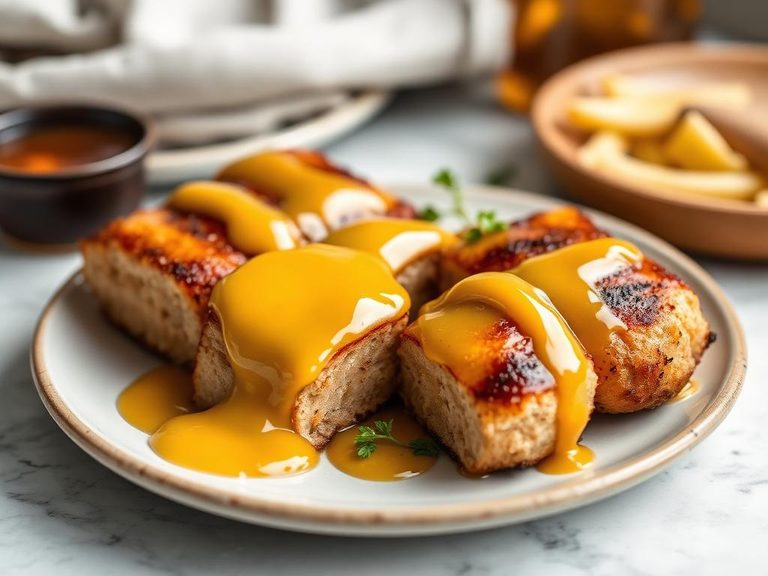
People love it for its fiery, sinus-clearing heat and acidic tang that instantly elevates sandwiches, pretzels, and charcuterie. Its versatility as a base for dressings, glazes, and marinades makes it a pantry staple across many cuisines.
⚠️ Watch-outs & how to enjoy it better
The high sodium content (often over 1000mg per 100g) can be a concern for those monitoring salt intake. Its strong, pungent flavor can be overwhelming if used excessively. To counteract, use it sparingly as a flavor accent rather than a sauce, and pair it with low-sodium foods like fresh vegetables or unsalted nuts.
Key benefits
- Excellent source of dietary fiber for a condiment
- Very low in calories and contains no sugar
- Contains turmeric, known for its curcumin content
- Adds bold flavor without significant fat or calories
- Naturally fat-free and cholesterol-free
🍽️ Popular dishes
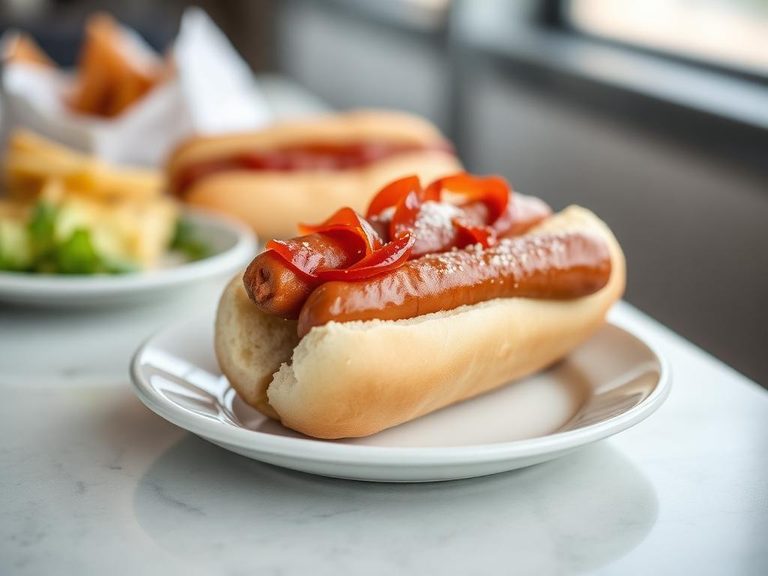
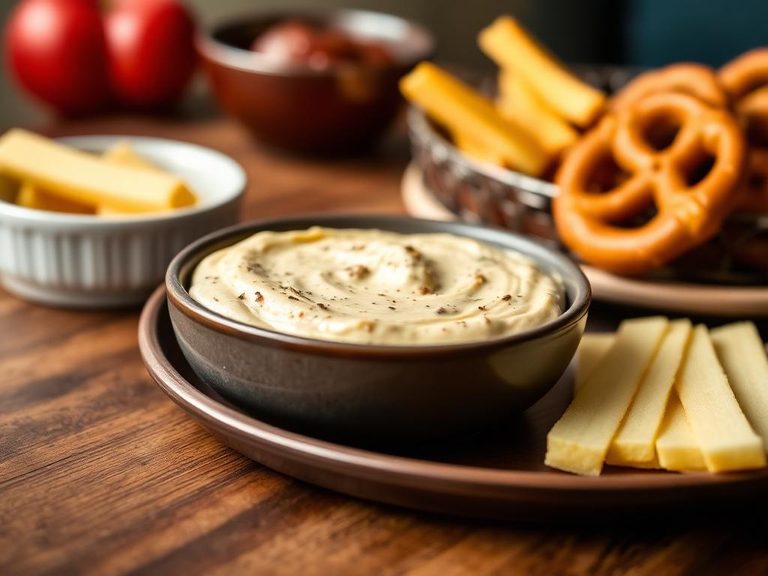
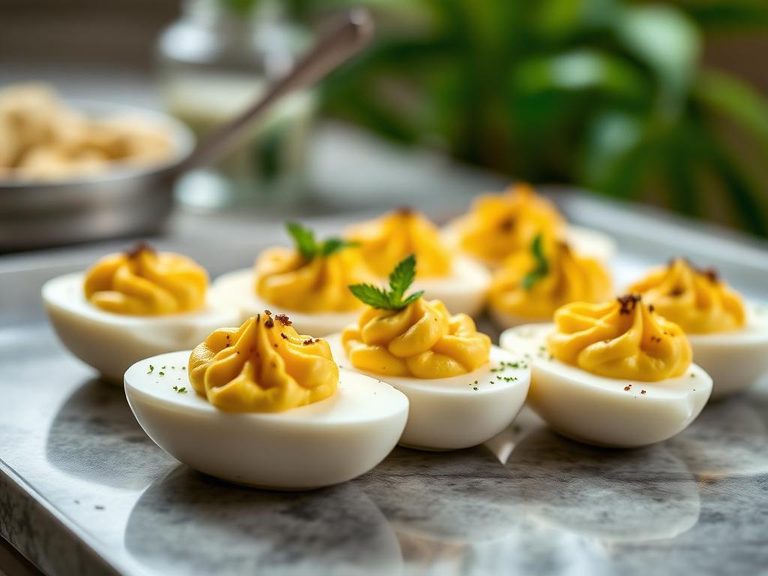
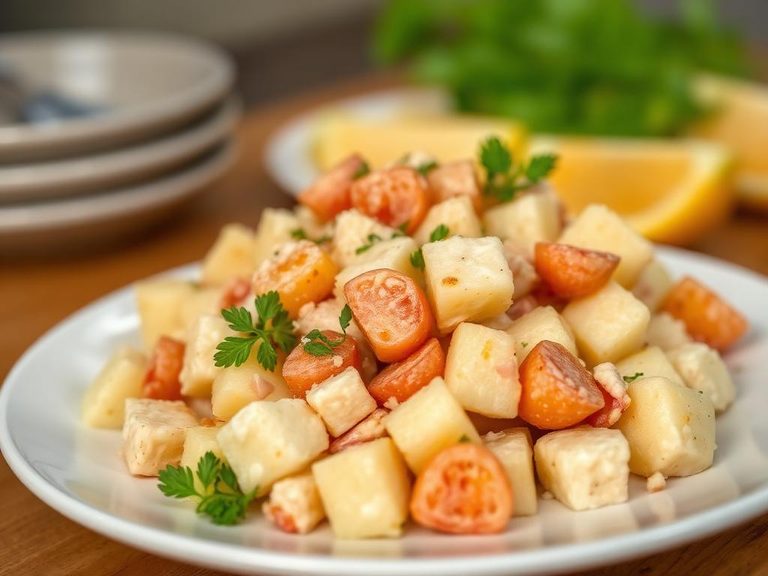
🌍 Where it's eaten
💡 Did you know?
The bright yellow color of most prepared mustard comes not from the mustard seed itself, but from the addition of turmeric, a practice that became popular in the 19th century.
Full nutrition (scales with serving)
| Water | 83.7 g |
| Energy (Atwater General Factors) | 69.0 kcal |
| Energy (Atwater Specific Factors) | 61.0 kcal |
| Energy | 61.0 kcal |
| Energy | 254 kj |
| Nitrogen | 0.68 g |
| Protein | 4.3 g |
| Total lipid (fat) | 3.4 g |
| Total fat (NLEA) | 3.8 g |
| Ash | 3.4 g |
| Carbohydrate, by difference | 5.3 g |
| Carbohydrate, by summation | 6.4 g |
| Fiber, total dietary | 4.3 g |
| Sugars, Total | 1.4 g |
| Sucrose | 0.20 g |
| Glucose | 0.48 g |
| Fructose | 0.23 g |
| Lactose | 0.00 g |
| Maltose | 0.00 g |
| Galactose | 0.52 g |
| Starch | 0.65 g |
| Calcium, Ca | 63.0 mg |
| Iron, Fe | 1.6 mg |
| Magnesium, Mg | 47.7 mg |
| Phosphorus, P | 108 mg |
| Potassium, K | 150 mg |
| Sodium, Na | 1100 mg |
| Zinc, Zn | 0.64 mg |
| Copper, Cu | 0.07 mg |
| Manganese, Mn | 0.42 mg |
| Selenium, Se | 34.0 ug |
| Vitamin C, total ascorbic acid | 0.40 mg |
| Thiamin | 0.19 mg |
| Riboflavin | 0.07 mg |
| Niacin | 0.56 mg |
| Pantothenic acid | 0.26 mg |
| Vitamin B-6 | 0.07 mg |
| Folate, total | 7.0 ug |
| Vitamin A, RAE | 4.0 ug |
| Carotene, beta | 31.0 ug |
| Carotene, alpha | 1.0 ug |
| Cryptoxanthin, beta | 27.0 ug |
| Lycopene | 0.00 ug |
| Lutein + zeaxanthin | 115 ug |
| Vitamin E (alpha-tocopherol) | 0.35 mg |
| Tocopherol, beta | 0.01 mg |
| Tocopherol, gamma | 2.1 mg |
| Tocopherol, delta | 0.08 mg |
| Tocotrienol, alpha | 0.03 mg |
| Tocotrienol, beta | 0.00 mg |
| Tocotrienol, gamma | 0.00 mg |
| Tocotrienol, delta | 0.00 mg |
| Vitamin K (phylloquinone) | 1.5 ug |
| Vitamin K (Dihydrophylloquinone) | 0.00 ug |
| Vitamin K (Menaquinone-4) | 0.00 ug |
| Fatty acids, total saturated | 0.25 g |
| SFA 4:0 | 0.00 g |
| SFA 6:0 | 0.00 g |
| SFA 8:0 | 0.00 g |
| SFA 10:0 | 0.01 g |
| SFA 11:0 | 0.00 g |
| SFA 12:0 | 0.00 g |
| SFA 14:0 | 0.00 g |
| SFA 15:0 | 0.00 g |
| SFA 16:0 | 0.14 g |
| SFA 17:0 | 0.00 g |
| SFA 18:0 | 0.04 g |
| SFA 20:0 | 0.02 g |
| SFA 22:0 | 0.02 g |
| SFA 24:0 | 0.01 g |
| Fatty acids, total monounsaturated | 2.6 g |
| MUFA 14:1 c | 0.00 g |
| MUFA 15:1 | 0.00 g |
| MUFA 16:1 c | 0.01 g |
| MUFA 17:1 | 0.00 g |
| MUFA 17:1 c | 0.00 g |
| MUFA 18:1 c | 0.92 g |
| MUFA 20:1 | 0.34 g |
| MUFA 20:1 c | 0.34 g |
| MUFA 22:1 c | 1.3 g |
| MUFA 24:1 c | 0.06 g |
| Fatty acids, total polyunsaturated | 0.90 g |
| PUFA 18:2 c | 0.42 g |
| PUFA 18:2 n-6 c,c | 0.42 g |
| PUFA 18:2 CLAs | 0.00 g |
| PUFA 18:3 c | 0.44 g |
| PUFA 18:3 n-3 c,c,c (ALA) | 0.44 g |
| PUFA 18:3 n-6 c,c,c | 0.00 g |
| PUFA 18:3i | 0.00 g |
| PUFA 18:4 | 0.00 g |
| PUFA 20:2 c | 0.01 g |
| PUFA 20:2 n-6 c,c | 0.01 g |
| PUFA 20:3 c | 0.02 g |
| PUFA 20:3 n-3 | 0.02 g |
| PUFA 20:3 n-6 | 0.00 g |
| PUFA 20:3 n-9 | 0.00 g |
| PUFA 20:4 | 0.00 g |
| PUFA 20:4c | 0.00 g |
| PUFA 20:5c | 0.00 g |
| PUFA 20:5 n-3 (EPA) | 0.00 g |
| PUFA 22:2 | 0.01 g |
| PUFA 22:5 c | 0.00 g |
| PUFA 22:4 | 0.00 g |
| PUFA 22:5 n-3 (DPA) | 0.00 g |
| PUFA 22:6 c | 0.00 g |
| PUFA 22:6 n-3 (DHA) | 0.00 g |
| Fatty acids, total trans | 0.01 g |
| Fatty acids, total trans-monoenoic | 0.00 g |
| TFA 16:1 t | 0.00 g |
| TFA 18:1 t | 0.00 g |
| TFA 22:1 t | 0.00 g |
| Fatty acids, total trans-dienoic | 0.01 g |
| TFA 18:2 t not further defined | 0.01 g |
| Tryptophan | 0.01 g |
| Threonine | 0.18 g |
| Isoleucine | 0.16 g |
| Leucine | 0.32 g |
| Lysine | 0.29 g |
| Methionine | 0.08 g |
| Cystine | 0.08 g |
| Phenylalanine | 0.18 g |
| Tyrosine | 0.15 g |
| Valine | 0.21 g |
| Arginine | 0.28 g |
| Histidine | 0.13 g |
| Alanine | 0.18 g |
| Aspartic acid | 0.43 g |
| Glutamic acid | 0.79 g |
| Glycine | 0.25 g |
| Proline | 0.39 g |
| Serine | 0.22 g |
| Hydroxyproline | 0.00 g |
FAQ
What's the difference between yellow mustard and Dijon mustard?
Yellow mustard is made from mild white mustard seeds, turmeric, and vinegar, giving it a bright color and milder taste. Dijon mustard uses brown or black mustard seeds and typically white wine or verjuice, resulting in a sharper, more complex, and less vibrant condiment.
Is prepared mustard gluten-free?
Most plain yellow mustard is gluten-free, as its core ingredients (mustard seeds, turmeric, vinegar, water) are naturally gluten-free. However, always check the label for added thickeners or flavorings that might contain gluten, especially in specialty varieties.
How long does an opened jar of mustard last?
An opened jar of prepared yellow mustard maintains its best quality for about 12 months in the refrigerator. While it may not spoil dangerously after that, its flavor and color will gradually fade.