

Fish, salmon, sockeye, canned, drained solids
Whole food · Finfish and Shellfish Products

Photo: Wikipedia
Sockeye salmon canned in its own juices or oil is a deeply flavorful, protein-dense pantry staple with a rich, reddish-orange flesh and a firm, flaky texture. Its taste is robust and distinctly 'salmony,' less mild than pink salmon, with a satisfying, meaty bite. Nutritionally, it's a powerhouse of high-quality protein and heart-healthy omega-3 fats, with virtually no carbohydrates.
Calorie split: 59% protein · 0% carbs · 41% fat
↓ Full nutrition💚 Why it's loved
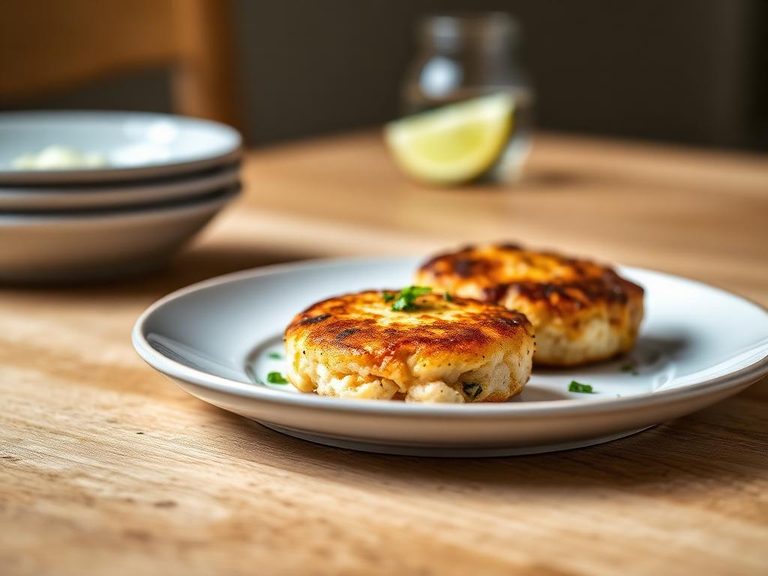
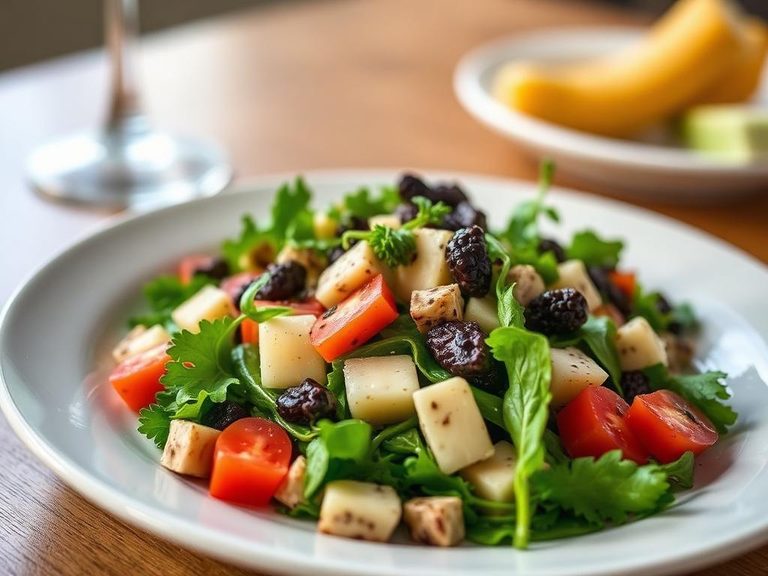
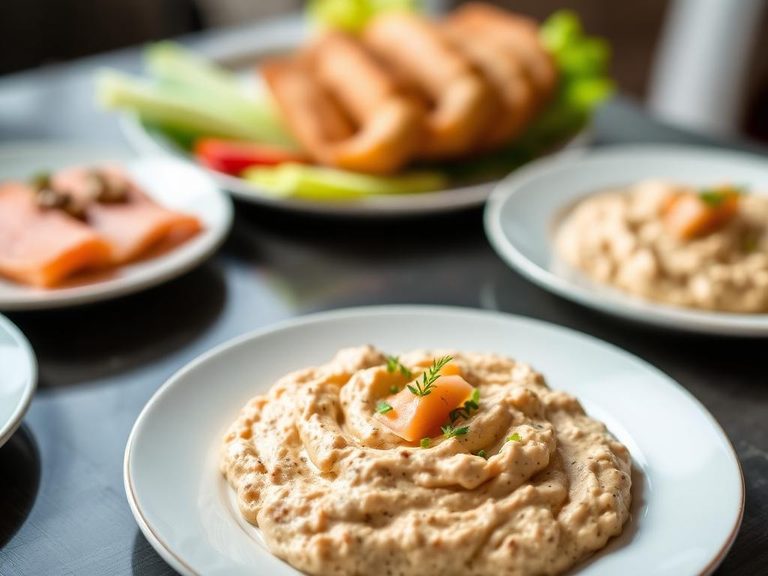
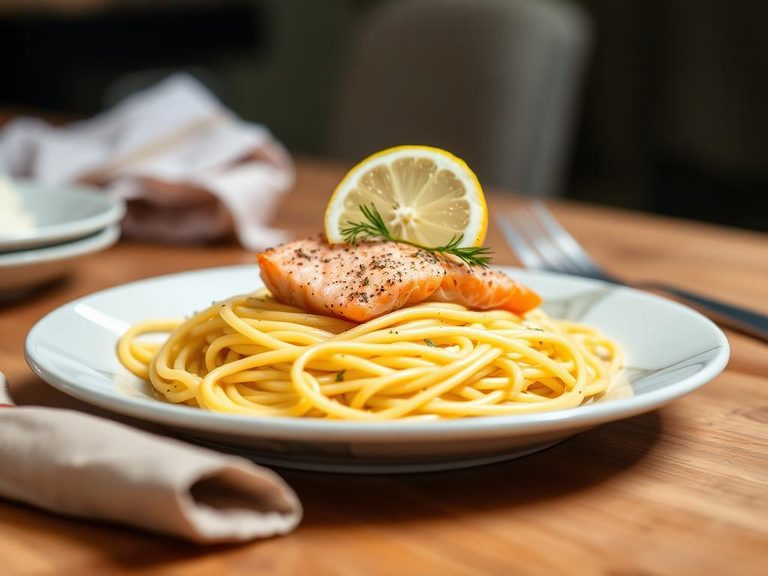
People love it for its intense, savory flavor and incredible versatility—it elevates simple salads, pastas, and spreads without any cooking. It's a cultural cornerstone in Pacific Northwest and Scandinavian cuisines, representing a connection to traditional fishing and preservation.
⚠️ Watch-outs & how to enjoy it better
The strong, distinct flavor can be overpowering for those who prefer milder fish, and the texture can sometimes be perceived as dry if overcooked in a dish. Canned versions can be high in sodium; look for 'no salt added' varieties and rinse the solids to reduce sodium content by up to 40%.
Key benefits
- Excellent source of complete protein for muscle maintenance.
- Rich in omega-3 fatty acids (EPA & DHA) for brain and heart health.
- Provides a significant dose of Vitamin D, often lacking in diets.
- Contains astaxanthin, a potent antioxidant responsible for its red color.
- Convenient, shelf-stable source of high-quality nutrition.
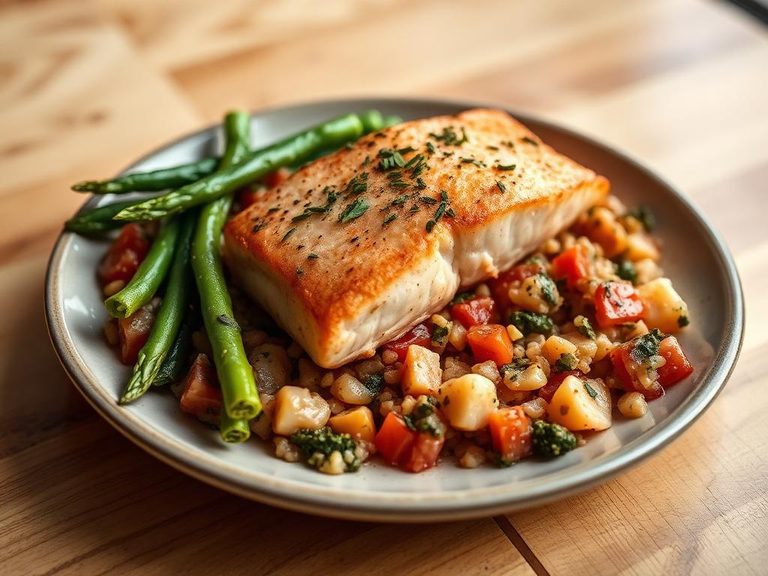
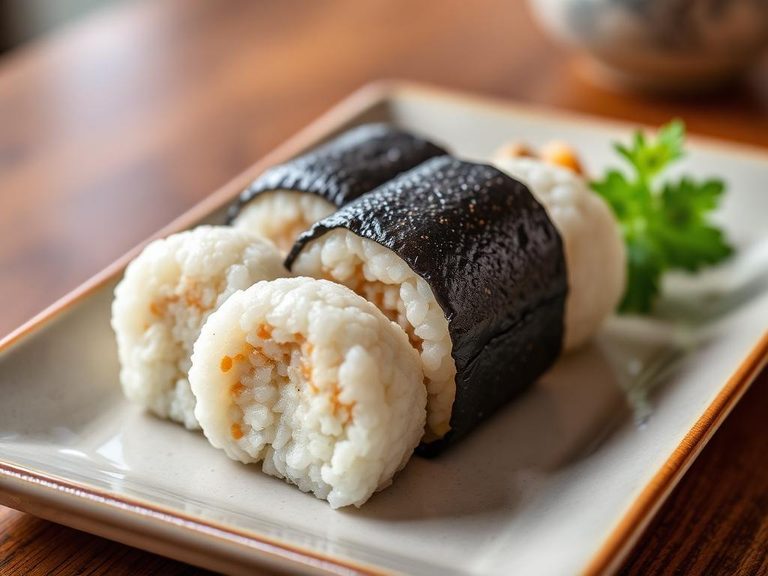
🍽️ Popular dishes
🌍 Where it's eaten
💡 Did you know?
Sockeye salmon gets its brilliant red flesh and the name 'sockeye' (a corruption of the Halkomelem word 'suk-kegh' meaning 'red fish') from its diet of虾 and zooplankton rich in the carotenoid astaxanthin.
Full nutrition (USDA data · scales with serving)
| Water | 68.1 g |
| Energy | 167 kcal |
| Energy | 701 kj |
| Protein | 23.6 g |
| Total lipid (fat) | 7.4 g |
| Ash | 2.5 g |
| Carbohydrate, by difference | 0.00 g |
| Fiber, total dietary | 0.00 g |
| Total Sugars | 0.00 g |
| Starch | 0.00 g |
| Calcium, Ca | 232 mg |
| Iron, Fe | 0.65 mg |
| Magnesium, Mg | 31.0 mg |
| Phosphorus, P | 338 mg |
| Potassium, K | 314 mg |
| Sodium, Na | 408 mg |
| Zinc, Zn | 0.84 mg |
| Copper, Cu | 0.07 mg |
| Manganese, Mn | 0.03 mg |
| Selenium, Se | 34.3 ug |
| Vitamin C, total ascorbic acid | 0.00 mg |
| Thiamin | 0.03 mg |
| Riboflavin | 0.21 mg |
| Niacin | 7.6 mg |
| Pantothenic acid | 0.54 mg |
| Vitamin B-6 | 0.12 mg |
| Folate, total | 4.0 ug |
| Folic acid | 0.00 ug |
| Folate, food | 4.0 ug |
| Folate, DFE | 4.0 ug |
| Choline, total | 82.6 mg |
| Betaine | 3.7 mg |
| Vitamin B-12 | 5.5 ug |
| Vitamin B-12, added | 0.00 ug |
| Vitamin A, RAE | 55.0 ug |
| Retinol | 55.0 ug |
| Carotene, beta | 0.00 ug |
| Carotene, alpha | 0.00 ug |
| Cryptoxanthin, beta | 0.00 ug |
| Vitamin A, IU | 184 iu |
| Lycopene | 0.00 ug |
| Lutein + zeaxanthin | 0.00 ug |
| Vitamin E (alpha-tocopherol) | 2.1 mg |
| Vitamin E, added | 0.00 mg |
| Tocopherol, beta | 0.01 mg |
| Tocopherol, gamma | 0.04 mg |
| Tocopherol, delta | 0.00 mg |
| Tocotrienol, alpha | 0.00 mg |
| Tocotrienol, beta | 0.00 mg |
| Tocotrienol, gamma | 0.00 mg |
| Tocotrienol, delta | 0.00 mg |
| Vitamin D (D2 + D3), International Units | 841 iu |
| Vitamin D (D2 + D3) | 21.0 ug |
| Vitamin D2 (ergocalciferol) | 0.00 ug |
| Vitamin D3 (cholecalciferol) | 21.0 ug |
| Vitamin K (phylloquinone) | 0.10 ug |
| Vitamin K (Dihydrophylloquinone) | 0.00 ug |
| Alcohol, ethyl | 0.00 g |
| Caffeine | 0.00 mg |
| Theobromine | 0.00 mg |
Fat & fatty acid profile (per 100g)
| Fatty acids, total saturated | 1.4 g |
| SFA 4:0 | 0.00 g |
| SFA 6:0 | 0.00 g |
| SFA 8:0 | 0.00 g |
| SFA 10:0 | 0.01 g |
| SFA 12:0 | 0.00 g |
| SFA 14:0 | 0.23 g |
| SFA 15:0 | 0.03 g |
| SFA 16:0 | 0.97 g |
| SFA 17:0 | 0.02 g |
| SFA 18:0 | 0.16 g |
| SFA 20:0 | 0.01 g |
| SFA 22:0 | 0.00 g |
| SFA 24:0 | 0.00 g |
| Fatty acids, total monounsaturated | 2.5 g |
| MUFA 14:1 | 0.00 g |
| MUFA 15:1 | 0.00 g |
| MUFA 16:1 | 0.32 g |
| MUFA 17:1 | 0.02 g |
| MUFA 18:1 | 1.3 g |
| MUFA 18:1 c | 1.3 g |
| MUFA 20:1 | 0.74 g |
| MUFA 22:1 | 0.07 g |
| MUFA 22:1 c | 0.07 g |
| MUFA 24:1 c | 0.01 g |
| Fatty acids, total polyunsaturated | 1.8 g |
| PUFA 18:2 | 0.13 g |
| PUFA 18:2 n-6 c,c | 0.12 g |
| PUFA 18:2 CLAs | 0.00 g |
| PUFA 18:3 | 0.06 g |
| PUFA 18:3 n-3 c,c,c (ALA) | 0.05 g |
| PUFA 18:3 n-6 c,c,c | 0.00 g |
| PUFA 18:4 | 0.11 g |
| PUFA 20:2 n-6 c,c | 0.02 g |
| PUFA 20:3 | 0.02 g |
| PUFA 20:3 n-3 | 0.01 g |
| PUFA 20:3 n-6 | 0.01 g |
| PUFA 20:4 | 0.03 g |
| PUFA 20:5 n-3 (EPA) | 0.52 g |
| PUFA 22:4 | 0.00 g |
| PUFA 22:5 n-3 (DPA) | 0.14 g |
| PUFA 22:6 n-3 (DHA) | 0.75 g |
| Fatty acids, total trans | 0.04 g |
| TFA 16:1 t | 0.01 g |
| TFA 18:1 t | 0.01 g |
| TFA 22:1 t | 0.00 g |
| TFA 18:2 t not further defined | 0.01 g |
| Cholesterol | 79.0 mg |
Amino acid profile (per 100g)
| Tryptophan | 0.28 g |
| Threonine | 1.3 g |
| Isoleucine | 1.1 g |
| Leucine | 1.8 g |
| Lysine | 2.1 g |
| Methionine | 0.70 g |
| Cystine | 0.18 g |
| Phenylalanine | 1.0 g |
| Tyrosine | 0.87 g |
| Valine | 1.3 g |
| Arginine | 1.5 g |
| Histidine | 0.64 g |
| Alanine | 1.5 g |
| Aspartic acid | 2.7 g |
| Glutamic acid | 3.3 g |
| Glycine | 1.4 g |
| Proline | 0.97 g |
| Serine | 1.1 g |
FAQ
Is canned salmon as healthy as fresh?
Yes, and sometimes more so. The canning process preserves omega-3s and makes calcium-rich bones edible. It's a highly nutritious, convenient option.
What's the difference between pink and sockeye canned salmon?
Sockeye (red) is darker, firmer, and has a richer, more robust flavor. Pink salmon is lighter, milder, and softer in texture.
How can I use the soft bones?
They are completely edible and a fantastic source of calcium. Mash them into the salmon for dips, cakes, or salads to boost nutrition.
Nutrient density (calculated · NRF9.3)
Nutrient Rich Foods index: beneficial nutrients (protein, fiber, vitamins, minerals) minus saturated fat, added sugar & sodium, per 100 kcal.
NRF9.3 index — Fulgoni, Keast & Drewnowski, 2009. Computed from USDA nutrients.
Weight-loss friendliness (composite index)
Energy density 1.67 kcal/g · 57% calories from protein · 0.0 g fiber · 0.0 g sugar per 100 g.
Composite of energy density (Rolls et al., 1999), protein & fiber satiety, minus sugar. A calculated heuristic — ranks satiety-per-calorie, not a clinical measure.
Dietary load (calculated from USDA values)
Potential renal acid load. Positive = acid-forming, negative = alkaline-forming.
Sodium-to-potassium ratio: 1.30 (lower is better — aim for ≤ 1)
Sodium:potassium per WHO potassium guidance. Computed from USDA nutrients.