

Fish, salmon, pink, raw
Whole food · Finfish and Shellfish Products

Photo: Wikipedia
Pink salmon, often called humpback salmon, is a lean, flavorful fish with a distinctive pink-orange flesh that becomes flaky and tender when cooked. Its taste is milder and slightly sweeter than sockeye, with a delicate, non-fishy flavor and a soft, moist texture. Nutritionally, it's a powerhouse of high-quality protein and heart-healthy omega-3 fatty acids, all for a modest calorie count.
Calorie split: 67% protein · 0% carbs · 33% fat
↓ Full nutrition💚 Why it's loved
People love pink salmon for its accessible, mild flavor that doesn't overpower dishes and its incredibly versatile, flaky texture that works equally well in a hot skillet or a cold salad. It's a staple in cuisines from the Pacific Northwest to Scandinavia, celebrated for being both nutritious and easy to prepare.
⚠️ Watch-outs & how to enjoy it better
As a common fish allergen, it must be avoided by those with fish or seafood allergies. Canned pink salmon can be high in sodium, so rinsing it or choosing low-sodium varieties is advisable. To maximize nutrient absorption, pair it with a source of fat (like olive oil or avocado) and a vitamin C-rich food (like lemon juice or bell peppers) to enhance iron uptake.
Key benefits
- Excellent source of complete protein for muscle maintenance and repair.
- Rich in omega-3 fatty acids (EPA and DHA) for brain and heart health.
- Low in calories and contains zero carbohydrates.
- Good source of B vitamins (especially B12) and selenium.
- Provides astaxanthin, a natural antioxidant pigment.
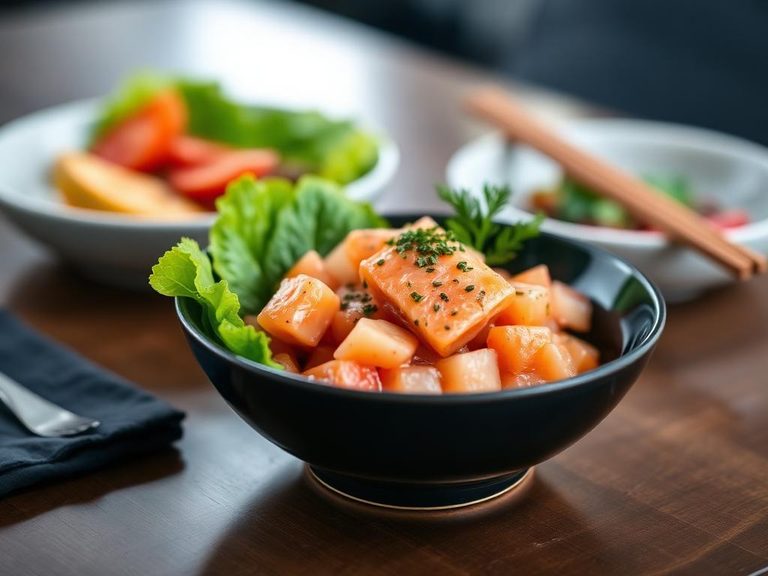
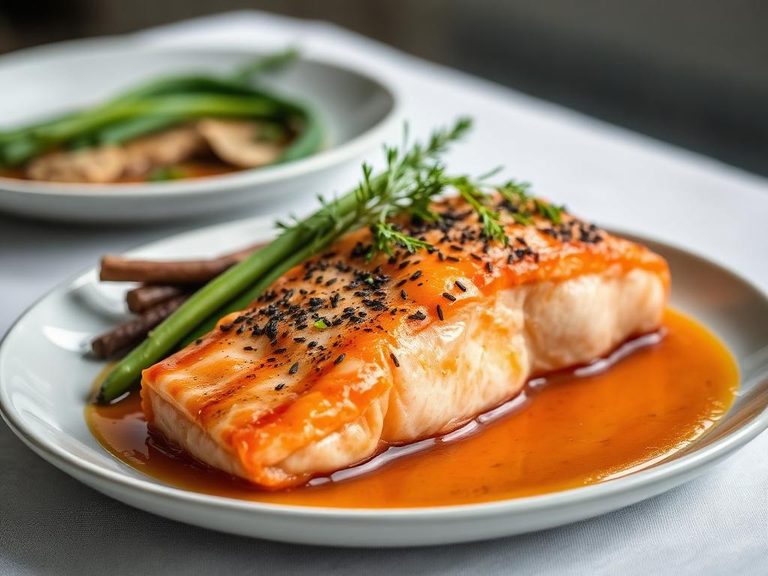
🍽️ Popular dishes
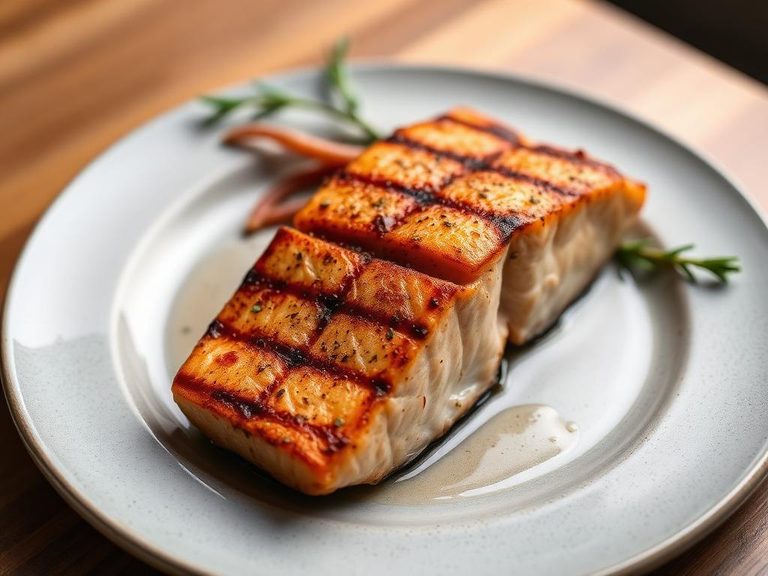
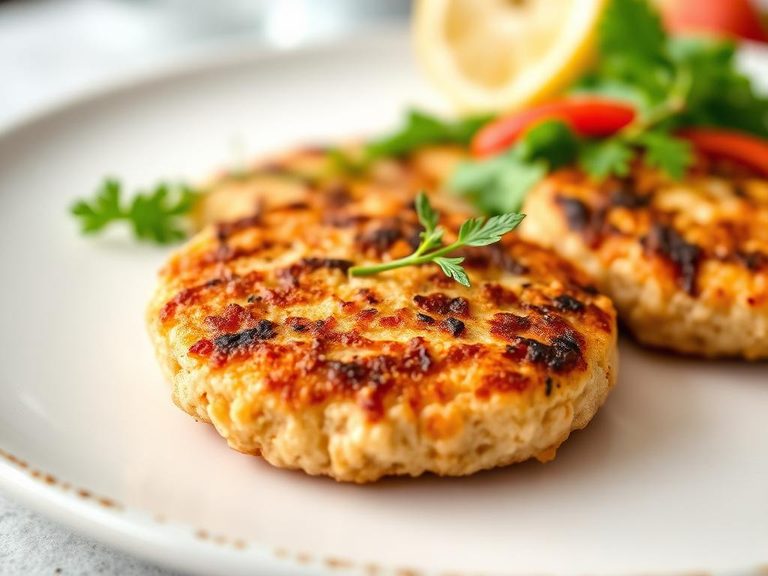
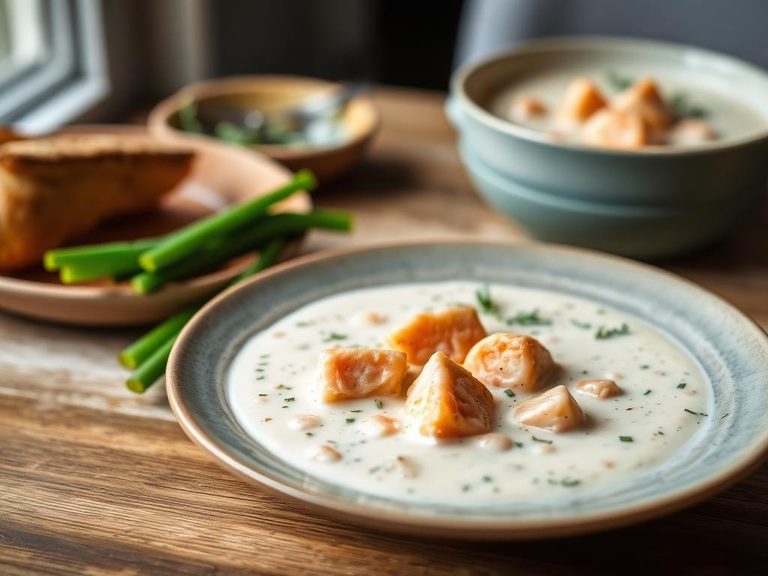
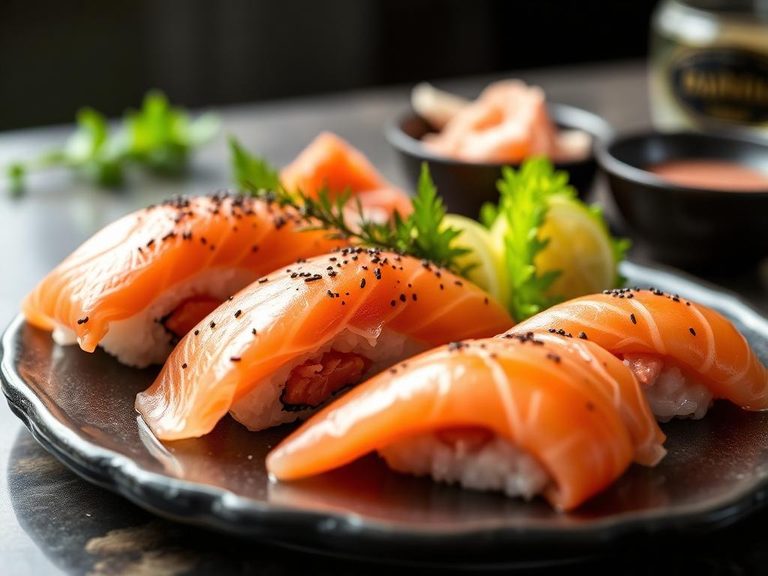
🌍 Where it's eaten
💡 Did you know?
Unlike other Pacific salmon, pink salmon have a strict two-year life cycle, which means their populations in different rivers alternate between strong 'even-year' and weak 'odd-year' runs.
Full nutrition (USDA data · scales with serving)
| Water | 75.5 g |
| Energy | 127 kcal |
| Energy | 532 kj |
| Protein | 20.5 g |
| Total lipid (fat) | 4.4 g |
| Ash | 1.5 g |
| Carbohydrate, by difference | 0.00 g |
| Fiber, total dietary | 0.00 g |
| Total Sugars | 0.00 g |
| Calcium, Ca | 7.0 mg |
| Iron, Fe | 0.38 mg |
| Magnesium, Mg | 27.0 mg |
| Phosphorus, P | 261 mg |
| Potassium, K | 366 mg |
| Sodium, Na | 75.0 mg |
| Zinc, Zn | 0.39 mg |
| Copper, Cu | 0.06 mg |
| Manganese, Mn | 0.01 mg |
| Selenium, Se | 31.4 ug |
| Vitamin C, total ascorbic acid | 0.00 mg |
| Thiamin | 0.08 mg |
| Riboflavin | 0.10 mg |
| Niacin | 8.0 mg |
| Pantothenic acid | 1.0 mg |
| Vitamin B-6 | 0.61 mg |
| Folate, total | 4.0 ug |
| Folic acid | 0.00 ug |
| Folate, food | 4.0 ug |
| Folate, DFE | 4.0 ug |
| Choline, total | 94.6 mg |
| Vitamin B-12 | 4.2 ug |
| Vitamin B-12, added | 0.00 ug |
| Vitamin A, RAE | 35.0 ug |
| Retinol | 35.0 ug |
| Carotene, beta | 0.00 ug |
| Carotene, alpha | 0.00 ug |
| Cryptoxanthin, beta | 0.00 ug |
| Vitamin A, IU | 117 iu |
| Lycopene | 0.00 ug |
| Lutein + zeaxanthin | 0.00 ug |
| Vitamin E (alpha-tocopherol) | 0.40 mg |
| Vitamin E, added | 0.00 mg |
| Tocopherol, beta | 0.00 mg |
| Tocopherol, gamma | 0.00 mg |
| Tocopherol, delta | 0.00 mg |
| Tocotrienol, alpha | 0.00 mg |
| Tocotrienol, beta | 0.00 mg |
| Tocotrienol, gamma | 0.00 mg |
| Tocotrienol, delta | 0.00 mg |
| Vitamin D (D2 + D3), International Units | 435 iu |
| Vitamin D (D2 + D3) | 10.9 ug |
| Vitamin D3 (cholecalciferol) | 10.9 ug |
| Vitamin K (phylloquinone) | 0.40 ug |
| Alcohol, ethyl | 0.00 g |
| Caffeine | 0.00 mg |
| Theobromine | 0.00 mg |
Fat & fatty acid profile (per 100g)
| Fatty acids, total saturated | 0.81 g |
| SFA 4:0 | 0.00 g |
| SFA 6:0 | 0.00 g |
| SFA 8:0 | 0.00 g |
| SFA 10:0 | 0.00 g |
| SFA 12:0 | 0.00 g |
| SFA 14:0 | 0.20 g |
| SFA 15:0 | 0.01 g |
| SFA 16:0 | 0.47 g |
| SFA 17:0 | 0.01 g |
| SFA 18:0 | 0.10 g |
| SFA 20:0 | 0.01 g |
| SFA 22:0 | 0.00 g |
| SFA 24:0 | 0.00 g |
| Fatty acids, total monounsaturated | 1.3 g |
| MUFA 14:1 | 0.00 g |
| MUFA 15:1 | 0.00 g |
| MUFA 16:1 | 0.18 g |
| MUFA 16:1 c | 0.17 g |
| MUFA 17:1 | 0.00 g |
| MUFA 18:1 | 0.63 g |
| MUFA 18:1 c | 0.62 g |
| MUFA 20:1 | 0.45 g |
| MUFA 22:1 | 0.05 g |
| MUFA 22:1 c | 0.04 g |
| MUFA 24:1 c | 0.03 g |
| Fatty acids, total polyunsaturated | 0.81 g |
| PUFA 18:2 | 0.08 g |
| PUFA 18:2 n-6 c,c | 0.06 g |
| PUFA 18:2 CLAs | 0.01 g |
| PUFA 18:3 | 0.05 g |
| PUFA 18:3 n-3 c,c,c (ALA) | 0.04 g |
| PUFA 18:3 n-6 c,c,c | 0.00 g |
| PUFA 18:4 | 0.07 g |
| PUFA 20:2 n-6 c,c | 0.02 g |
| PUFA 20:3 | 0.01 g |
| PUFA 20:3 n-3 | 0.01 g |
| PUFA 20:3 n-6 | 0.00 g |
| PUFA 20:4 | 0.01 g |
| PUFA 20:5 n-3 (EPA) | 0.18 g |
| PUFA 22:4 | 0.00 g |
| PUFA 22:5 n-3 (DPA) | 0.05 g |
| PUFA 22:6 n-3 (DHA) | 0.33 g |
| Fatty acids, total trans | 0.03 g |
| Fatty acids, total trans-monoenoic | 0.01 g |
| TFA 16:1 t | 0.01 g |
| TFA 18:1 t | 0.01 g |
| TFA 22:1 t | 0.00 g |
| TFA 18:2 t not further defined | 0.02 g |
| Fatty acids, total trans-polyenoic | 0.02 g |
| Cholesterol | 46.0 mg |
Amino acid profile (per 100g)
| Tryptophan | 0.22 g |
| Threonine | 1.1 g |
| Isoleucine | 0.95 g |
| Leucine | 1.6 g |
| Lysine | 1.8 g |
| Methionine | 0.58 g |
| Cystine | 0.16 g |
| Phenylalanine | 0.84 g |
| Tyrosine | 0.74 g |
| Valine | 1.1 g |
| Arginine | 1.3 g |
| Histidine | 0.54 g |
| Alanine | 1.3 g |
| Aspartic acid | 2.6 g |
| Glutamic acid | 2.9 g |
| Glycine | 1.3 g |
| Proline | 0.87 g |
| Serine | 0.91 g |
FAQ
What's the difference between pink and sockeye salmon?
Pink salmon is milder, lighter in color, and has a softer texture, making it ideal for canning and everyday dishes. Sockeye has a deeper red color, a richer, more pronounced 'salmon' flavor, and a firmer texture, often preferred for grilling or serving whole.
Is canned pink salmon as healthy as fresh?
Yes, canned pink salmon is an excellent, affordable source of protein and omega-3s. Bones are often left in, which softens and provides a significant boost of calcium. Choose varieties packed in water and rinse to reduce sodium.
How do I know when pink salmon is cooked?
Pink salmon is done when it reaches an internal temperature of 145°F (63°C) and the flesh turns from translucent to opaque and flakes easily with a fork. Be careful not to overcook, as its lean nature can make it dry quickly.
Nutrient density (calculated · NRF9.3)
Nutrient Rich Foods index: beneficial nutrients (protein, fiber, vitamins, minerals) minus saturated fat, added sugar & sodium, per 100 kcal.
NRF9.3 index — Fulgoni, Keast & Drewnowski, 2009. Computed from USDA nutrients.
Weight-loss friendliness (composite index)
Energy density 1.27 kcal/g · 65% calories from protein · 0.0 g fiber · 0.0 g sugar per 100 g.
Composite of energy density (Rolls et al., 1999), protein & fiber satiety, minus sugar. A calculated heuristic — ranks satiety-per-calorie, not a clinical measure.
Dietary load (calculated from USDA values)
Potential renal acid load. Positive = acid-forming, negative = alkaline-forming.
Sodium-to-potassium ratio: 0.20 (lower is better — aim for ≤ 1)
Sodium:potassium per WHO potassium guidance. Computed from USDA nutrients.