

Cheese, mozzarella, low moisture, part-skim
Whole food · Dairy and Egg Products
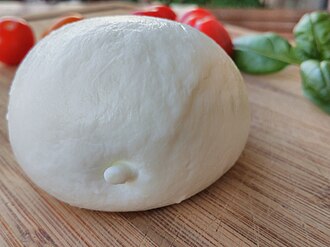
Photo: Wikipedia
Low-moisture, part-skim mozzarella is a firm, white cheese prized for its superior melting and browning properties. It offers a mild, milky flavor and a satisfyingly chewy, elastic texture when heated. Nutritionally, it's a protein powerhouse, packing nearly 24 grams per 100 grams with a moderate fat content.
Calorie split: 32% protein · 8% carbs · 60% fat
↓ Full nutrition💚 Why it's loved
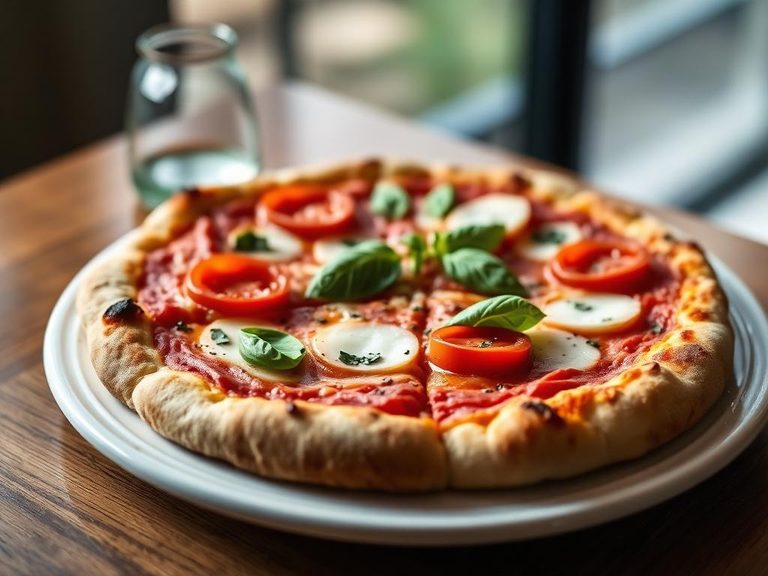
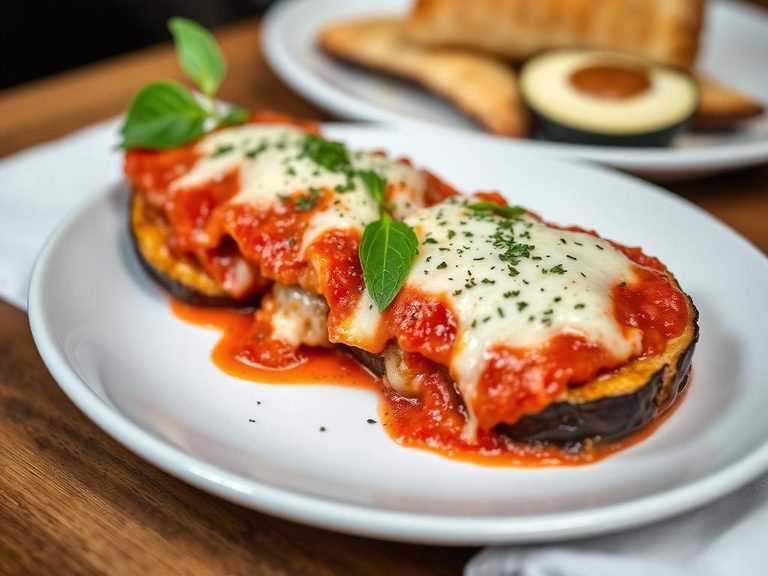
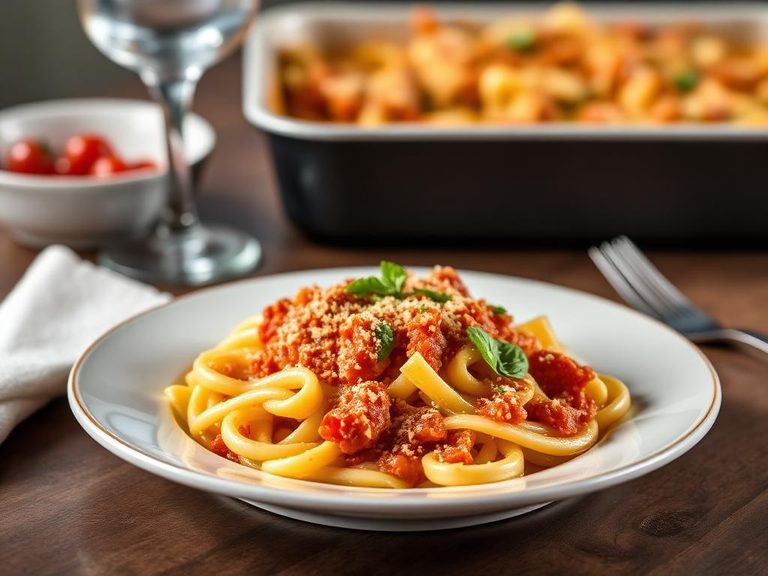
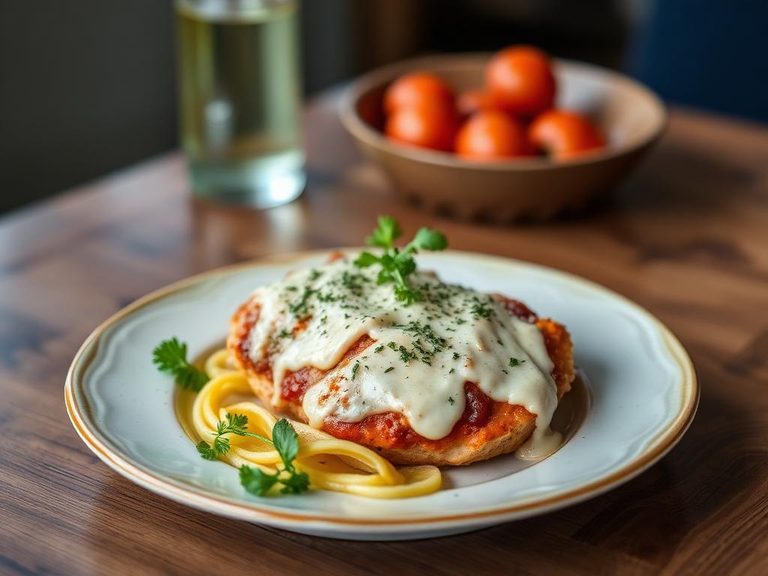
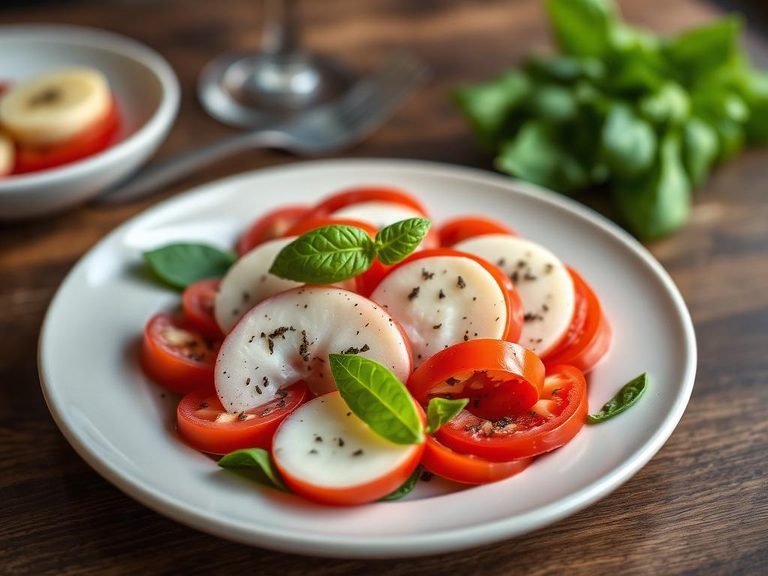
People adore it for its perfect pizza pull and golden-brown blisters, delivering that iconic stretch and savory, slightly salty flavor. Its mild taste and incredible versatility make it a staple for everything from baked pasta to simple caprese salads.
⚠️ Watch-outs & how to enjoy it better
It's a common dairy allergen and contains significant sodium, which can be a concern for some. To counteract, pair it with potassium-rich foods like tomatoes or leafy greens, and practice portion control by using it as a flavorful accent rather than the main event.
Key benefits
- Excellent source of complete protein for muscle maintenance
- Good source of calcium for bone health
- Provides conjugated linoleic acid (CLA) from dairy fat
- Lower in fat than whole-milk mozzarella
- Melts and browns without excessive oil release
🍽️ Popular dishes
🌍 Where it's eaten
💡 Did you know?
The 'low-moisture' designation is key for pizza; it allows the cheese to melt into a cohesive layer and develop those coveted brown spots without making the crust soggy.
Full nutrition (USDA data · scales with serving)
| Water | 47.1 g |
| Energy | 295 kcal |
| Energy | 1236 kj |
| Protein | 23.8 g |
| Total lipid (fat) | 19.8 g |
| Ash | 3.8 g |
| Carbohydrate, by difference | 5.6 g |
| Fiber, total dietary | 0.00 g |
| Total Sugars | 1.9 g |
| Sucrose | 0.00 g |
| Glucose | 0.00 g |
| Fructose | 0.00 g |
| Lactose | 1.1 g |
| Maltose | 0.00 g |
| Galactose | 0.78 g |
| Calcium, Ca | 697 mg |
| Iron, Fe | 0.22 mg |
| Magnesium, Mg | 27.0 mg |
| Phosphorus, P | 548 mg |
| Potassium, K | 188 mg |
| Sodium, Na | 666 mg |
| Zinc, Zn | 3.6 mg |
| Copper, Cu | 0.03 mg |
| Manganese, Mn | 0.04 mg |
| Selenium, Se | 27.6 ug |
| Vitamin C, total ascorbic acid | 0.00 mg |
| Thiamin | 0.02 mg |
| Riboflavin | 0.35 mg |
| Niacin | 0.11 mg |
| Pantothenic acid | 0.43 mg |
| Vitamin B-6 | 0.10 mg |
| Folate, total | 27.0 ug |
| Folic acid | 0.00 ug |
| Folate, food | 27.0 ug |
| Folate, DFE | 27.0 ug |
| Choline, total | 14.2 mg |
| Betaine | 0.70 mg |
| Vitamin B-12 | 1.7 ug |
| Vitamin B-12, added | 0.00 ug |
| Vitamin A, RAE | 227 ug |
| Retinol | 223 ug |
| Carotene, beta | 51.0 ug |
| Carotene, alpha | 0.00 ug |
| Cryptoxanthin, beta | 0.00 ug |
| Vitamin A, IU | 829 iu |
| Lycopene | 0.00 ug |
| Lutein + zeaxanthin | 0.00 ug |
| Vitamin E (alpha-tocopherol) | 0.50 mg |
| Vitamin E, added | 0.00 mg |
| Tocopherol, beta | 0.00 mg |
| Tocopherol, gamma | 0.03 mg |
| Tocopherol, delta | 0.00 mg |
| Tocotrienol, alpha | 0.00 mg |
| Tocotrienol, beta | 0.00 mg |
| Tocotrienol, gamma | 0.00 mg |
| Tocotrienol, delta | 0.00 mg |
| Vitamin D (D2 + D3), International Units | 15.0 iu |
| Vitamin D (D2 + D3) | 0.40 ug |
| Vitamin D3 (cholecalciferol) | 0.40 ug |
| Vitamin K (phylloquinone) | 1.3 ug |
| Vitamin K (Dihydrophylloquinone) | 0.00 ug |
| Vitamin K (Menaquinone-4) | 4.1 ug |
| Alcohol, ethyl | 0.00 g |
| Caffeine | 0.00 mg |
| Theobromine | 0.00 mg |
Fat & fatty acid profile (per 100g)
| Fatty acids, total saturated | 11.3 g |
| SFA 4:0 | 0.39 g |
| SFA 6:0 | 0.33 g |
| SFA 8:0 | 0.20 g |
| SFA 10:0 | 0.50 g |
| SFA 12:0 | 0.57 g |
| SFA 14:0 | 1.8 g |
| SFA 15:0 | 0.19 g |
| SFA 16:0 | 5.1 g |
| SFA 17:0 | 0.12 g |
| SFA 18:0 | 2.0 g |
| SFA 20:0 | 0.03 g |
| SFA 22:0 | 0.01 g |
| SFA 24:0 | 0.01 g |
| Fatty acids, total monounsaturated | 5.7 g |
| MUFA 14:1 | 0.19 g |
| MUFA 15:1 | 0.00 g |
| MUFA 16:1 | 0.31 g |
| MUFA 17:1 | 0.04 g |
| MUFA 18:1 | 4.6 g |
| MUFA 20:1 | 0.04 g |
| MUFA 22:1 | 0.00 g |
| MUFA 24:1 c | 0.00 g |
| Fatty acids, total polyunsaturated | 1.0 g |
| PUFA 18:2 | 0.73 g |
| PUFA 18:3 | 0.07 g |
| PUFA 18:4 | 0.00 g |
| PUFA 20:2 n-6 c,c | 0.00 g |
| PUFA 20:3 | 0.02 g |
| PUFA 20:4 | 0.03 g |
| PUFA 20:5 n-3 (EPA) | 0.01 g |
| PUFA 22:4 | 0.01 g |
| PUFA 22:5 n-3 (DPA) | 0.01 g |
| PUFA 22:6 n-3 (DHA) | 0.00 g |
| Fatty acids, total trans | 0.72 g |
| Fatty acids, total trans-monoenoic | 0.58 g |
| TFA 16:1 t | 0.06 g |
| TFA 18:1 t | 0.52 g |
| TFA 22:1 t | 0.00 g |
| TFA 18:2 t not further defined | 0.14 g |
| Fatty acids, total trans-polyenoic | 0.14 g |
| Cholesterol | 64.0 mg |
Amino acid profile (per 100g)
| Tryptophan | 0.55 g |
| Threonine | 1.1 g |
| Isoleucine | 1.2 g |
| Leucine | 2.0 g |
| Lysine | 1.0 g |
| Methionine | 0.55 g |
| Cystine | 0.12 g |
| Phenylalanine | 1.1 g |
| Tyrosine | 1.1 g |
| Valine | 1.4 g |
| Arginine | 0.55 g |
| Histidine | 0.55 g |
| Alanine | 0.76 g |
| Aspartic acid | 1.7 g |
| Glutamic acid | 4.8 g |
| Glycine | 0.55 g |
| Proline | 2.5 g |
| Serine | 0.79 g |
FAQ
How is low-moisture mozzarella different from fresh mozzarella?
Low-moisture mozzarella is aged longer and pressed to remove whey, resulting in a firmer texture, longer shelf life, and better melting properties. Fresh mozzarella is softer, wetter, and more delicate, ideal for salads.
Can I substitute part-skim for whole-milk mozzarella in recipes?
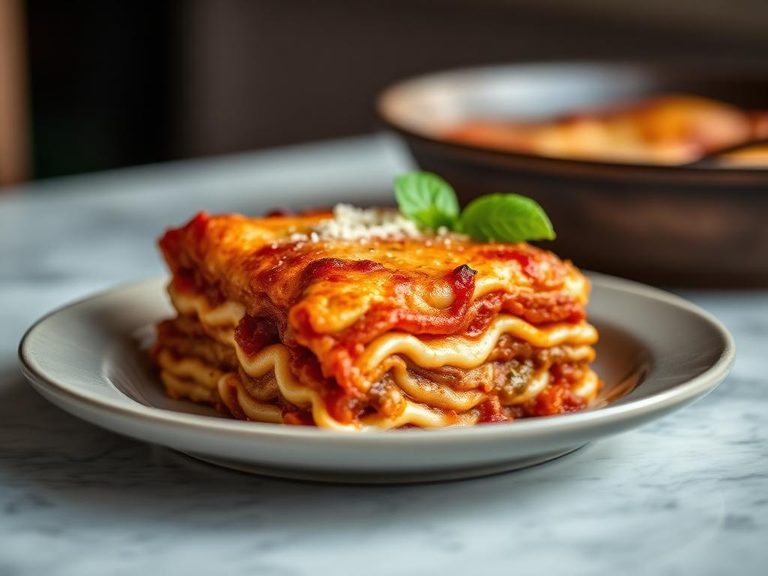
Yes, especially in baked dishes like pizza or lasagna. The part-skim version will be slightly less rich and oily but will still melt well and provide good flavor and texture.
Why does my mozzarella sometimes release a lot of oil when melted?
This can happen if the cheese is overheated or if it's a higher-fat variety. Using part-skim and baking at the recommended temperature (typically 475-500°F for pizza) helps achieve browning without excessive oil separation.
Nutrient density (calculated · NRF9.3)
Nutrient Rich Foods index: beneficial nutrients (protein, fiber, vitamins, minerals) minus saturated fat, added sugar & sodium, per 100 kcal.
NRF9.3 index — Fulgoni, Keast & Drewnowski, 2009. Computed from USDA nutrients.
Weight-loss friendliness (composite index)
Energy density 2.95 kcal/g · 32% calories from protein · 0.0 g fiber · 1.9 g sugar per 100 g.
Composite of energy density (Rolls et al., 1999), protein & fiber satiety, minus sugar. A calculated heuristic — ranks satiety-per-calorie, not a clinical measure.
Dietary load (calculated from USDA values)
Potential renal acid load. Positive = acid-forming, negative = alkaline-forming.
Sodium-to-potassium ratio: 3.54 (lower is better — aim for ≤ 1)
Sodium:potassium per WHO potassium guidance. Computed from USDA nutrients.