

Bread, Italian
Whole food · Baked Products
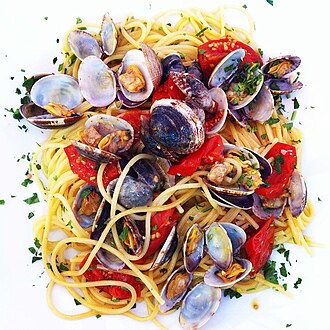
Photo: Wikipedia
Italian bread is a crusty, airy loaf with a chewy, open crumb and a mild, slightly yeasty flavor. Its simple ingredients—flour, water, salt, and yeast—let the texture and fermentation shine. Nutritionally, it's a moderate-energy source of carbs with a modest amount of protein.
Calorie split: 15% protein · 75% carbs · 10% fat
↓ Full nutrition💚 Why it's loved
People adore it for its satisfying crunch, soft interior, and neutral flavor that acts as a perfect canvas for olive oil, balsamic, or hearty toppings. It's a cultural staple that brings a taste of Italy to any meal.
⚠️ Watch-outs & how to enjoy it better
Its high glycemic index can cause rapid blood-sugar spikes, and it's a common wheat allergen. To counteract this, pair slices with protein (like cheese or tuna) and healthy fats (like avocado or olive oil) to slow digestion, or opt for a smaller portion alongside a large salad.
Key benefits
- Provides quick energy from complex carbohydrates
- Contains some plant-based protein
- Low in fat
- Can be part of a balanced diet when portion-controlled
- Often made with minimal, simple ingredients
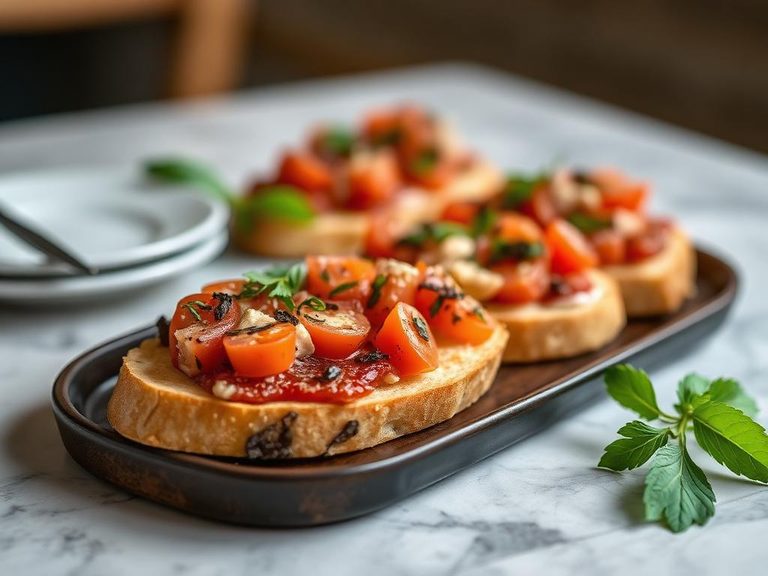
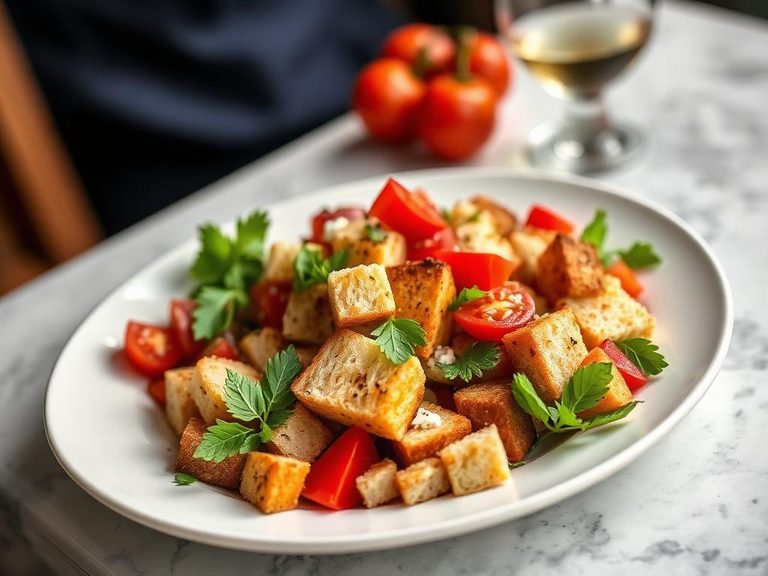
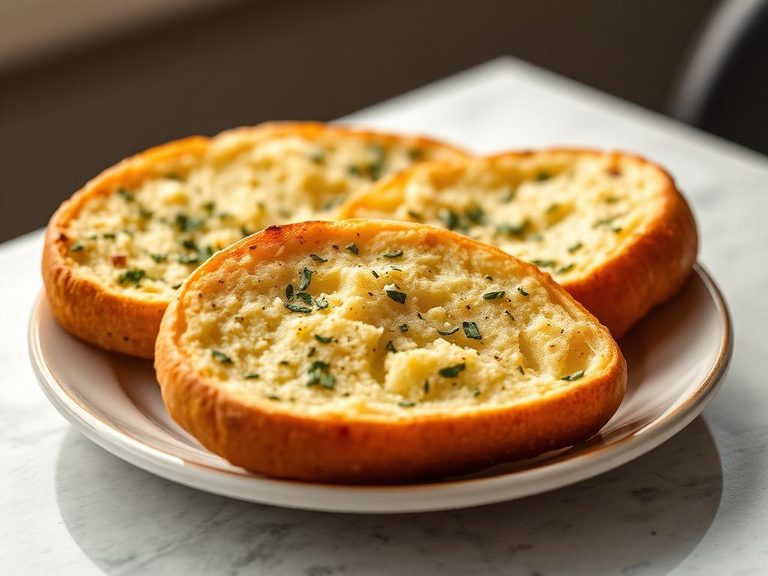
🍽️ Popular dishes
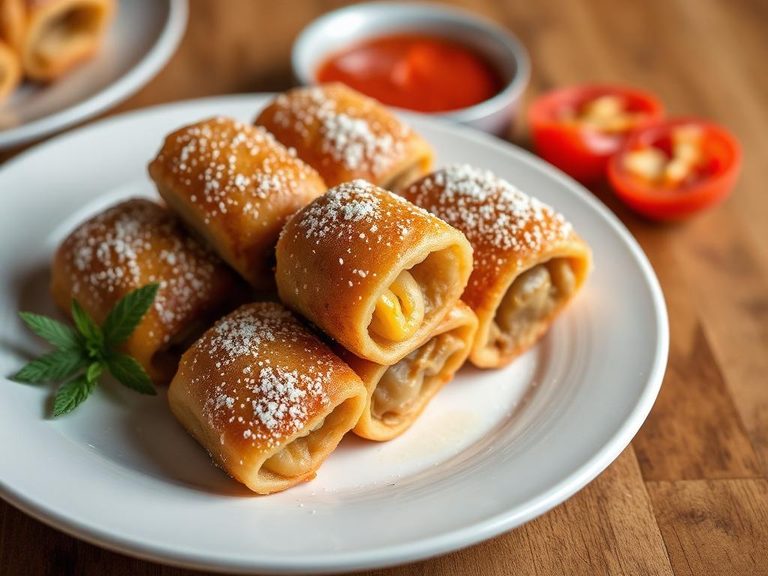
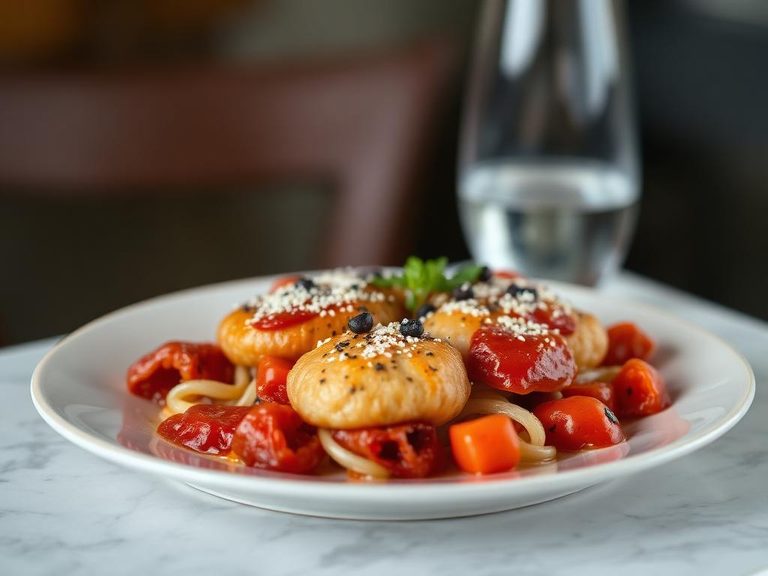
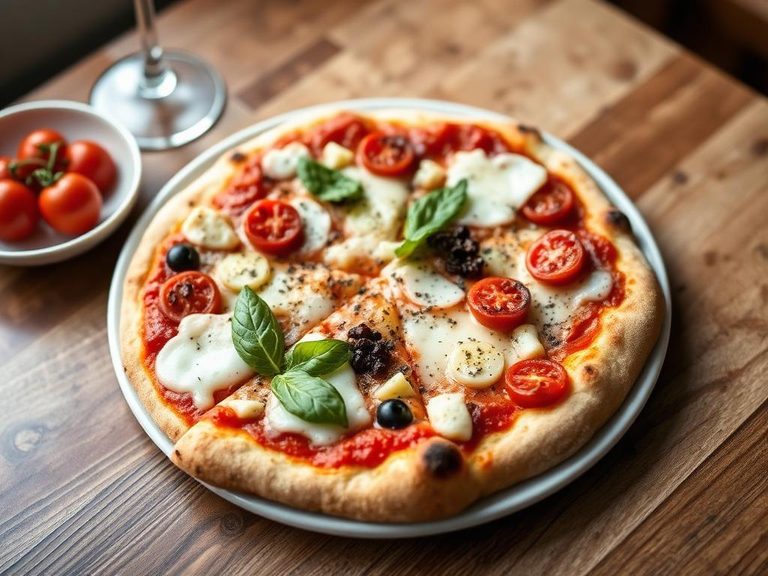
🌍 Where it's eaten
💡 Did you know?
The large, irregular holes in the crumb of traditional Italian bread, like ciabatta, are created by a very wet dough and long fermentation, not by adding fat or eggs.
Full nutrition (USDA data · scales with serving)
| Water | 37.5 g |
| Energy | 259 kcal |
| Energy | 1083 kj |
| Protein | 9.5 g |
| Total lipid (fat) | 2.7 g |
| Ash | 2.1 g |
| Carbohydrate, by difference | 48.1 g |
| Fiber, total dietary | 2.1 g |
| Total Sugars | 4.7 g |
| Sucrose | 0.00 g |
| Glucose | 0.56 g |
| Fructose | 0.93 g |
| Lactose | 0.00 g |
| Maltose | 3.2 g |
| Galactose | 0.00 g |
| Starch | 39.0 g |
| Calcium, Ca | 105 mg |
| Iron, Fe | 3.5 mg |
| Magnesium, Mg | 26.0 mg |
| Phosphorus, P | 95.0 mg |
| Potassium, K | 124 mg |
| Sodium, Na | 618 mg |
| Zinc, Zn | 0.79 mg |
| Copper, Cu | 0.12 mg |
| Manganese, Mn | 0.49 mg |
| Selenium, Se | 17.2 ug |
| Vitamin C, total ascorbic acid | 0.00 mg |
| Thiamin | 0.58 mg |
| Riboflavin | 0.32 mg |
| Niacin | 4.5 mg |
| Pantothenic acid | 0.37 mg |
| Vitamin B-6 | 0.10 mg |
| Folate, total | 102 ug |
| Folic acid | 18.0 ug |
| Folate, food | 102 ug |
| Folate, DFE | 132 ug |
| Choline, total | 14.6 mg |
| Vitamin B-12 | 0.00 ug |
| Vitamin B-12, added | 0.00 ug |
| Vitamin A, RAE | 0.00 ug |
| Retinol | 0.00 ug |
| Carotene, beta | 0.00 ug |
| Carotene, alpha | 0.00 ug |
| Cryptoxanthin, beta | 0.00 ug |
| Vitamin A, IU | 1.0 iu |
| Lycopene | 0.00 ug |
| Lutein + zeaxanthin | 48.0 ug |
| Vitamin E (alpha-tocopherol) | 0.29 mg |
| Vitamin E, added | 0.00 mg |
| Vitamin D (D2 + D3), International Units | 0.00 iu |
| Vitamin D (D2 + D3) | 0.00 ug |
| Vitamin K (phylloquinone) | 3.0 ug |
| Vitamin K (Dihydrophylloquinone) | 0.00 ug |
| Vitamin K (Menaquinone-4) | 0.00 ug |
| Alcohol, ethyl | 0.00 g |
| Caffeine | 0.00 mg |
| Theobromine | 0.00 mg |
Fat & fatty acid profile (per 100g)
| Fatty acids, total saturated | 0.54 g |
| SFA 4:0 | 0.01 g |
| SFA 6:0 | 0.00 g |
| SFA 8:0 | 0.00 g |
| SFA 10:0 | 0.00 g |
| SFA 12:0 | 0.00 g |
| SFA 14:0 | 0.00 g |
| SFA 15:0 | 0.00 g |
| SFA 16:0 | 0.33 g |
| SFA 17:0 | 0.00 g |
| SFA 18:0 | 0.18 g |
| SFA 20:0 | 0.01 g |
| SFA 22:0 | 0.01 g |
| SFA 24:0 | 0.00 g |
| Fatty acids, total monounsaturated | 0.49 g |
| MUFA 14:1 | 0.00 g |
| MUFA 15:1 | 0.00 g |
| MUFA 16:1 | 0.01 g |
| MUFA 16:1 c | 0.01 g |
| MUFA 17:1 | 0.00 g |
| MUFA 18:1 | 0.47 g |
| MUFA 18:1 c | 0.46 g |
| MUFA 20:1 | 0.01 g |
| MUFA 22:1 | 0.00 g |
| MUFA 22:1 c | 0.00 g |
| MUFA 24:1 c | 0.00 g |
| Fatty acids, total polyunsaturated | 1.3 g |
| PUFA 18:2 | 1.2 g |
| PUFA 18:2 n-6 c,c | 1.2 g |
| PUFA 18:2 CLAs | 0.00 g |
| PUFA 18:3 | 0.14 g |
| PUFA 18:3 n-3 c,c,c (ALA) | 0.13 g |
| PUFA 18:3 n-6 c,c,c | 0.00 g |
| PUFA 18:3i | 0.00 g |
| PUFA 18:4 | 0.00 g |
| PUFA 20:2 n-6 c,c | 0.00 g |
| PUFA 20:3 | 0.00 g |
| PUFA 20:3 n-3 | 0.00 g |
| PUFA 20:3 n-6 | 0.00 g |
| PUFA 20:4 | 0.00 g |
| PUFA 20:5 n-3 (EPA) | 0.00 g |
| PUFA 22:4 | 0.00 g |
| PUFA 22:5 n-3 (DPA) | 0.00 g |
| PUFA 22:6 n-3 (DHA) | 0.00 g |
| Fatty acids, total trans | 0.02 g |
| Fatty acids, total trans-monoenoic | 0.01 g |
| TFA 16:1 t | 0.00 g |
| TFA 18:1 t | 0.01 g |
| TFA 22:1 t | 0.00 g |
| TFA 18:2 t not further defined | 0.00 g |
| Fatty acids, total trans-polyenoic | 0.00 g |
| Cholesterol | 0.00 mg |
Amino acid profile (per 100g)
Estimated from Bread, salvadoran sweet cheese (quesadilla salvadorena) — USDA does not publish this profile for Bread.
| Tryptophan | 0.07 g |
| Threonine | 0.21 g |
| Isoleucine | 0.30 g |
| Leucine | 0.65 g |
| Lysine | 0.50 g |
| Methionine | 0.28 g |
| Cystine | 0.06 g |
| Phenylalanine | 0.37 g |
| Tyrosine | 0.23 g |
| Valine | 0.43 g |
| Arginine | 0.25 g |
| Histidine | 0.15 g |
| Alanine | 0.36 g |
| Aspartic acid | 0.59 g |
| Glutamic acid | 1.3 g |
| Glycine | 0.20 g |
| Proline | 0.83 g |
| Serine | 0.45 g |
| Hydroxyproline | 0.00 g |
FAQ
What's the difference between Italian bread and French bread?
Italian bread (like ciabatta or pane toscano) often has a chewier, more open crumb and may include a touch of olive oil. French bread (like baguette) typically has a thinner, crispier crust and a tighter, more uniform crumb, made from just flour, water, salt, and yeast.
Why does Italian bread go stale so quickly?
Without preservatives or added fats, the starch molecules in the bread recrystallize rapidly at room temperature, a process called retrogradation. Storing it cut-side down on a board or in a paper bag can help maintain its texture for a day.
Is Italian bread vegan?
Traditional Italian bread is vegan, made only from flour, water, salt, and yeast. However, some enriched versions or commercial varieties may contain milk, honey, or other additives, so it's best to check the ingredients list.
Nutrient density (calculated · NRF9.3)
Nutrient Rich Foods index: beneficial nutrients (protein, fiber, vitamins, minerals) minus saturated fat, added sugar & sodium, per 100 kcal.
NRF9.3 index — Fulgoni, Keast & Drewnowski, 2009. Computed from USDA nutrients.
Weight-loss friendliness (composite index)
Energy density 2.59 kcal/g · 15% calories from protein · 2.1 g fiber · 4.7 g sugar per 100 g.
Composite of energy density (Rolls et al., 1999), protein & fiber satiety, minus sugar. A calculated heuristic — ranks satiety-per-calorie, not a clinical measure.
Dietary load (calculated from USDA values)
Potential renal acid load. Positive = acid-forming, negative = alkaline-forming.
Sodium-to-potassium ratio: 4.98 (lower is better — aim for ≤ 1)
Sodium:potassium per WHO potassium guidance. Computed from USDA nutrients.