

Turkey, whole, giblets, raw
Whole food · Poultry Products

Photo: Wikipedia
Raw turkey giblets are the edible internal organs—typically the heart, liver, gizzard, and neck—found inside a whole turkey. They offer a rich, mineral-forward flavor and a varied texture, from the firm, chewy gizzard to the creamy, iron-rich liver. Nutritionally, they are a powerhouse of high-quality protein and essential nutrients like iron and B vitamins, with virtually no carbohydrates.
Calorie split: 61% protein · 0% carbs · 39% fat
↓ Full nutrition💚 Why it's loved
People love giblets for their deep, savory flavor that forms the backbone of classic gravy and stuffing, adding an irreplaceable richness to holiday meals. Their versatility allows them to be transformed into luxurious pâtés, rustic sautés, or flavorful stocks.
⚠️ Watch-outs & how to enjoy it better
The strong, mineral taste and chewy texture of some parts (like the gizzard) can be off-putting to some. Those managing gout should be cautious due to the purine content in organ meats. To counteract this, limit portion size and ensure they are part of a balanced diet; for texture, slow-cooking methods like braising can tenderize tougher cuts.
Key benefits
- Excellent source of complete protein for muscle maintenance.
- Rich in heme iron, which is highly absorbable.
- Provides essential B vitamins like B12 and riboflavin.
- Naturally very low in carbohydrates and sugars.
- A traditional, nose-to-tail ingredient that reduces food waste.
🍽️ Popular dishes
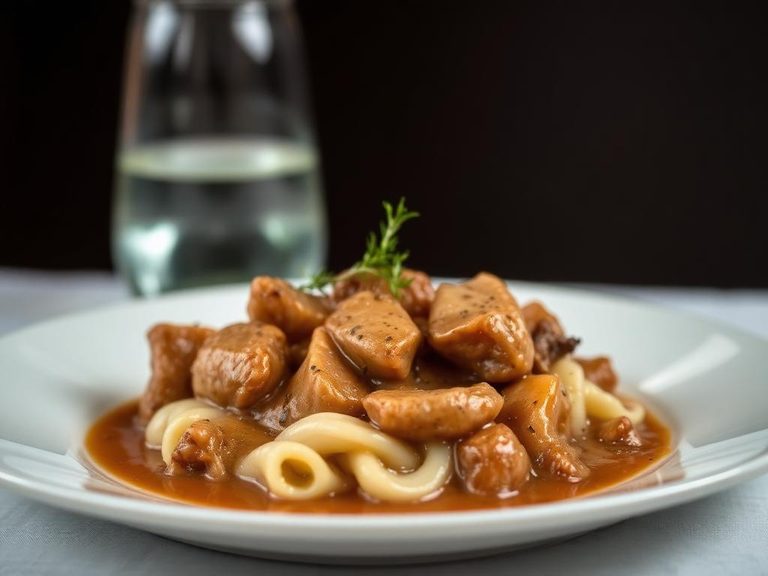
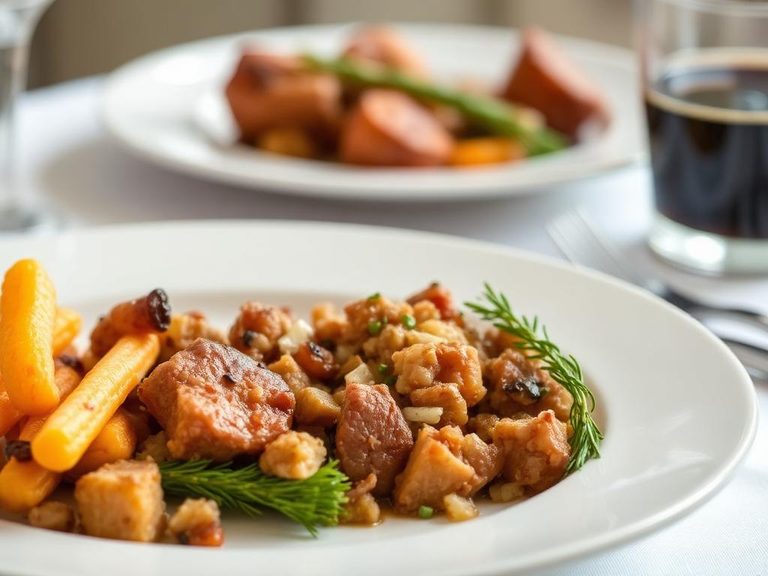
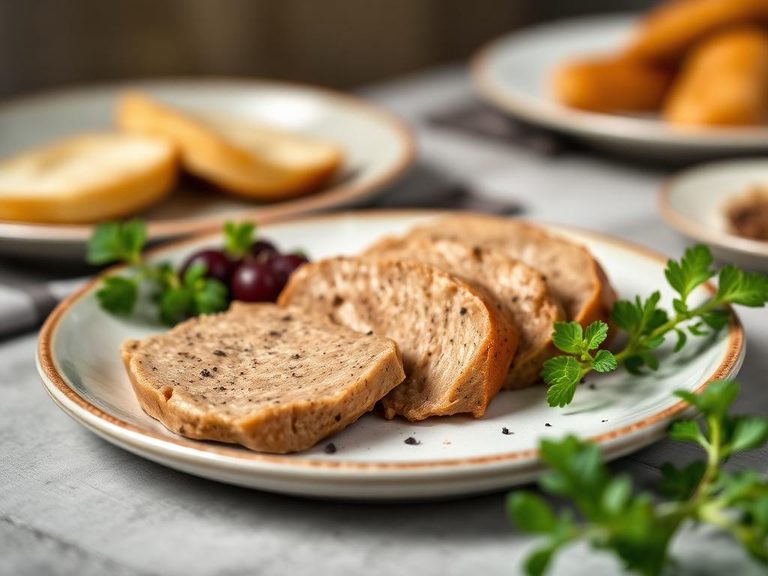
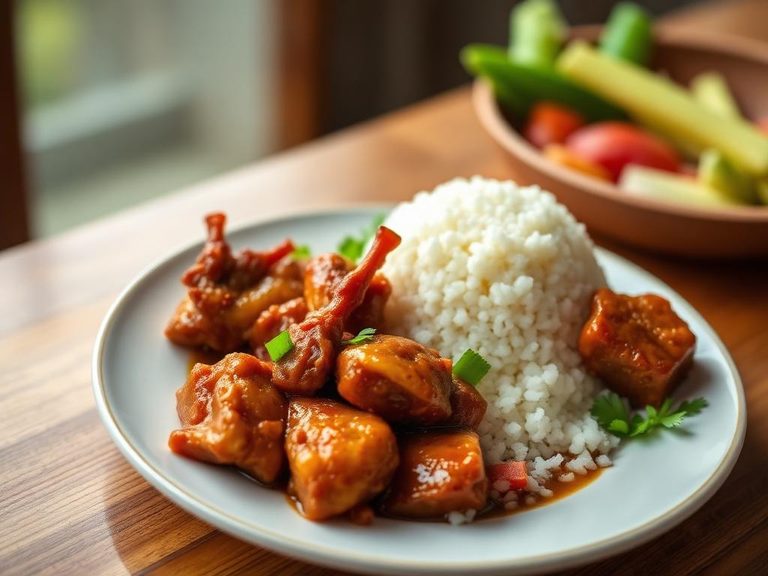
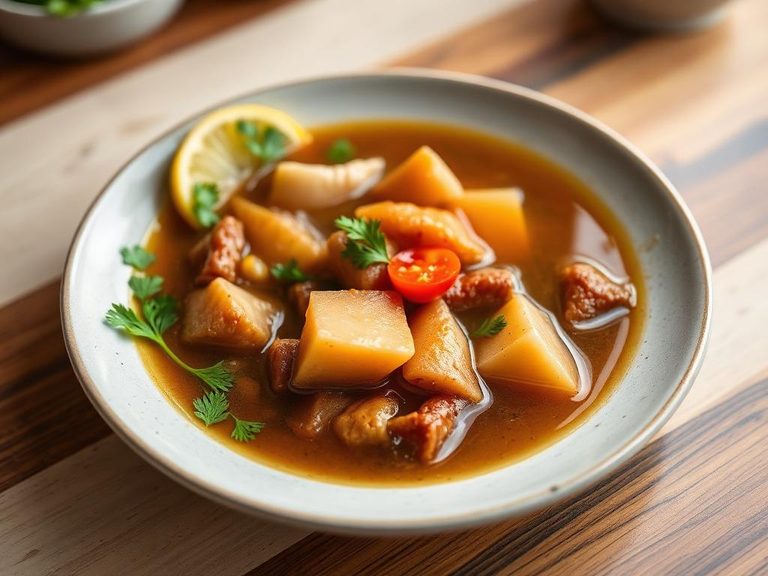
🌍 Where it's eaten
💡 Did you know?
The gizzard is a muscular part of the turkey's stomach that helps grind up food, and it must be carefully cleaned and often simmered for hours to become tender.
Full nutrition (USDA data · scales with serving)
| Water | 76.0 g |
| Energy | 124 kcal |
| Energy | 518 kj |
| Protein | 18.2 g |
| Total lipid (fat) | 5.1 g |
| Ash | 1.1 g |
| Carbohydrate, by difference | 0.07 g |
| Fiber, total dietary | 0.00 g |
| Total Sugars | 0.00 g |
| Calcium, Ca | 18.0 mg |
| Iron, Fe | 5.9 mg |
| Magnesium, Mg | 22.0 mg |
| Phosphorus, P | 223 mg |
| Potassium, K | 198 mg |
| Sodium, Na | 136 mg |
| Zinc, Zn | 3.2 mg |
| Copper, Cu | 0.58 mg |
| Manganese, Mn | 0.19 mg |
| Selenium, Se | 49.3 ug |
| Vitamin C, total ascorbic acid | 0.00 mg |
| Thiamin | 0.15 mg |
| Riboflavin | 1.4 mg |
| Niacin | 8.7 mg |
| Pantothenic acid | 3.9 mg |
| Vitamin B-6 | 0.65 mg |
| Folate, total | 331 ug |
| Folic acid | 0.00 ug |
| Folate, food | 331 ug |
| Folate, DFE | 331 ug |
| Choline, total | 160 mg |
| Betaine | 2.7 mg |
| Vitamin B-12 | 13.1 ug |
| Vitamin B-12, added | 0.00 ug |
| Vitamin A, RAE | 3939 ug |
| Retinol | 3939 ug |
| Carotene, beta | 0.00 ug |
| Carotene, alpha | 0.00 ug |
| Cryptoxanthin, beta | 0.00 ug |
| Vitamin A, IU | 13129 iu |
| Lycopene | 0.00 ug |
| Lutein + zeaxanthin | 0.00 ug |
| Vitamin E (alpha-tocopherol) | 0.25 mg |
| Vitamin E, added | 0.00 mg |
| Tocopherol, beta | 0.00 mg |
| Tocopherol, gamma | 0.15 mg |
| Tocopherol, delta | 0.00 mg |
| Tocotrienol, alpha | 0.01 mg |
| Tocotrienol, beta | 0.00 mg |
| Tocotrienol, gamma | 0.01 mg |
| Tocotrienol, delta | 0.01 mg |
| Vitamin D (D2 + D3), International Units | 34.0 iu |
| Vitamin D (D2 + D3) | 0.80 ug |
| Vitamin D3 (cholecalciferol) | 0.80 ug |
| Vitamin K (phylloquinone) | 0.00 ug |
| Alcohol, ethyl | 0.00 g |
| Caffeine | 0.00 mg |
| Theobromine | 0.00 mg |
Fat & fatty acid profile (per 100g)
| Fatty acids, total saturated | 1.5 g |
| SFA 4:0 | 0.00 g |
| SFA 6:0 | 0.00 g |
| SFA 8:0 | 0.00 g |
| SFA 10:0 | 0.00 g |
| SFA 12:0 | 0.01 g |
| SFA 14:0 | 0.03 g |
| SFA 15:0 | 0.01 g |
| SFA 16:0 | 0.78 g |
| SFA 17:0 | 0.01 g |
| SFA 18:0 | 0.58 g |
| SFA 20:0 | 0.01 g |
| SFA 22:0 | 0.02 g |
| SFA 24:0 | 0.01 g |
| Fatty acids, total monounsaturated | 1.0 g |
| MUFA 14:1 | 0.00 g |
| MUFA 15:1 | 0.00 g |
| MUFA 16:1 | 0.06 g |
| MUFA 16:1 c | 0.06 g |
| MUFA 17:1 | 0.00 g |
| MUFA 18:1 | 0.92 g |
| MUFA 18:1 c | 0.89 g |
| MUFA 20:1 | 0.02 g |
| MUFA 22:1 | 0.00 g |
| MUFA 22:1 c | 0.00 g |
| MUFA 24:1 c | 0.01 g |
| Fatty acids, total polyunsaturated | 1.4 g |
| PUFA 18:2 | 1.0 g |
| PUFA 18:2 n-6 c,c | 1.0 g |
| PUFA 18:2 CLAs | 0.00 g |
| PUFA 18:3 | 0.04 g |
| PUFA 18:3 n-3 c,c,c (ALA) | 0.04 g |
| PUFA 18:3 n-6 c,c,c | 0.00 g |
| PUFA 18:4 | 0.00 g |
| PUFA 20:2 n-6 c,c | 0.01 g |
| PUFA 20:3 | 0.01 g |
| PUFA 20:3 n-3 | 0.00 g |
| PUFA 20:3 n-6 | 0.01 g |
| PUFA 20:4 | 0.25 g |
| PUFA 20:5 n-3 (EPA) | 0.01 g |
| PUFA 22:4 | 0.03 g |
| PUFA 22:5 n-3 (DPA) | 0.01 g |
| PUFA 22:6 n-3 (DHA) | 0.03 g |
| Fatty acids, total trans | 0.05 g |
| Fatty acids, total trans-monoenoic | 0.03 g |
| TFA 16:1 t | 0.00 g |
| TFA 18:1 t | 0.03 g |
| TFA 22:1 t | 0.00 g |
| TFA 18:2 t not further defined | 0.01 g |
| Fatty acids, total trans-polyenoic | 0.01 g |
| Cholesterol | 333 mg |
Amino acid profile (per 100g)
| Tryptophan | 0.20 g |
| Threonine | 0.66 g |
| Isoleucine | 0.52 g |
| Leucine | 1.3 g |
| Lysine | 1.4 g |
| Methionine | 0.46 g |
| Cystine | 0.21 g |
| Phenylalanine | 0.67 g |
| Tyrosine | 0.58 g |
| Valine | 0.64 g |
| Arginine | 1.1 g |
| Histidine | 0.40 g |
| Alanine | 1.0 g |
| Aspartic acid | 1.4 g |
| Glutamic acid | 2.4 g |
| Glycine | 0.99 g |
| Proline | 1.1 g |
| Serine | 0.79 g |
| Hydroxyproline | 0.24 g |
FAQ
What exactly are turkey giblets?
Giblets are the edible internal organs of a turkey, typically including the heart, liver, gizzard, and neck, often found in a bag inside the cavity.
How do I prepare raw turkey giblets?
They must be thoroughly rinsed. The gizzard has a tough silver skin that should be removed. They can be simmered for stock, sautéed, or used in stuffings and gravies after cooking.
Are turkey giblets nutritious?
Yes, they are very nutrient-dense, providing high-quality protein, iron, zinc, and B vitamins, particularly B12, though they are also high in cholesterol.
Nutrient density (calculated · NRF9.3)
Nutrient Rich Foods index: beneficial nutrients (protein, fiber, vitamins, minerals) minus saturated fat, added sugar & sodium, per 100 kcal.
NRF9.3 index — Fulgoni, Keast & Drewnowski, 2009. Computed from USDA nutrients.
Weight-loss friendliness (composite index)
Energy density 1.24 kcal/g · 59% calories from protein · 0.0 g fiber · 0.0 g sugar per 100 g.
Composite of energy density (Rolls et al., 1999), protein & fiber satiety, minus sugar. A calculated heuristic — ranks satiety-per-calorie, not a clinical measure.
Dietary load (calculated from USDA values)
Potential renal acid load. Positive = acid-forming, negative = alkaline-forming.
Sodium-to-potassium ratio: 0.69 (lower is better — aim for ≤ 1)
Sodium:potassium per WHO potassium guidance. Computed from USDA nutrients.