

Snacks, potato chips, plain, salted
Whole food · Snacks
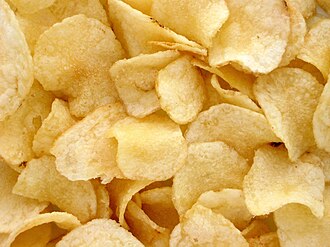
Photo: Wikipedia
A classic, golden-brown potato chip with a satisfyingly crisp snap and a clean, salty finish. Each 100g delivers a substantial 538 kcal, primarily from carbohydrates and fats, making it a dense energy source. The texture is the star—shattering into light, airy flakes that leave a pleasant, savory residue on the fingertips.
Calorie split: 5% protein · 39% carbs · 56% fat
↓ Full nutrition💚 Why it's loved
People adore the irresistible combination of salt, fat, and crunch—a trifecta that triggers deep satisfaction. It's a universal comfort food, equally at home at a movie theater, a picnic, or as a late-night treat, offering a simple, reliable pleasure.
⚠️ Watch-outs & how to enjoy it better
The high sodium content can contribute to water retention and is a concern for those monitoring blood pressure. The refined carbohydrates and low fiber can lead to rapid blood sugar spikes, and the high calorie density makes it easy to overconsume. To counteract, practice strict portion control (e.g., use a small bowl), pair with a protein like hummus or cheese to slow digestion, and choose brands with reduced sodium if available.
Key benefits
- Provides quick energy from carbohydrates
- Contains small amounts of potassium and vitamin B6 from potatoes
- A familiar, comforting snack for many cultures
- Long shelf life due to low moisture content
- Often gluten-free, depending on the brand and processing
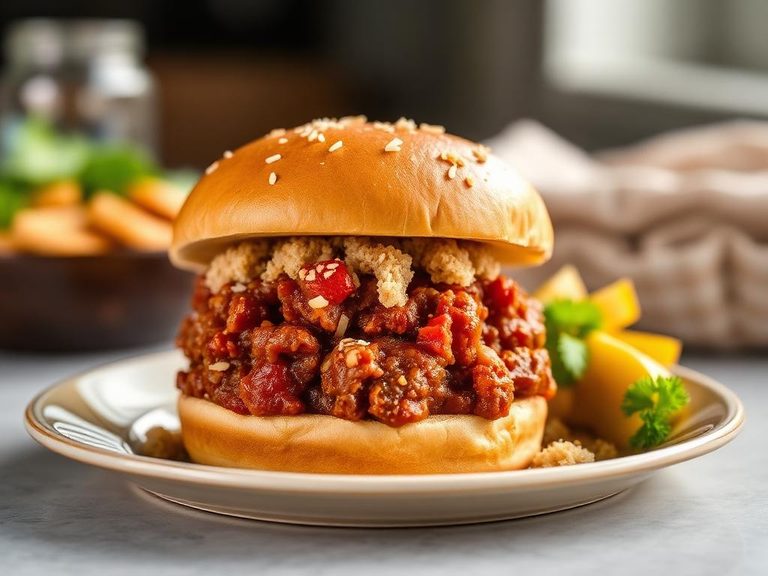
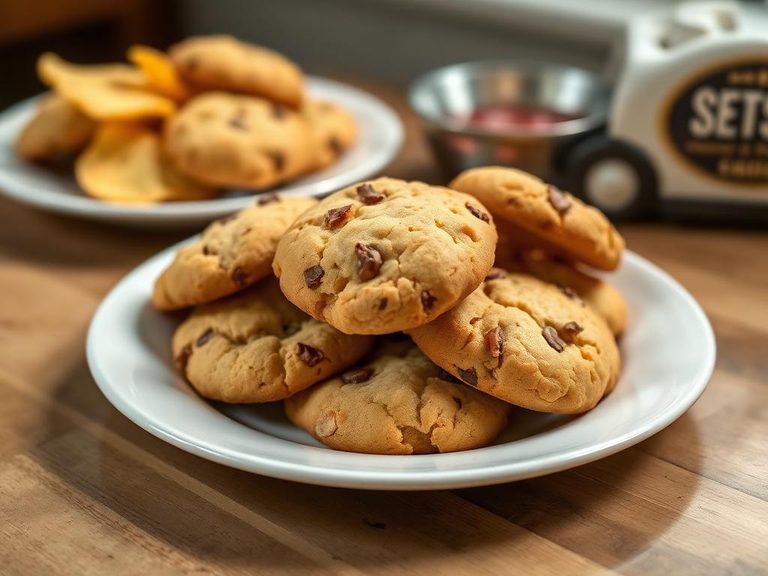
🍽️ Popular dishes
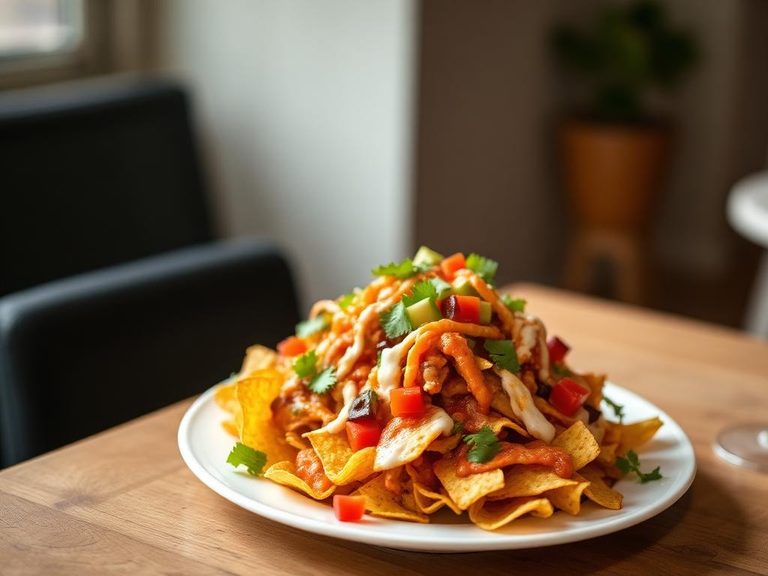
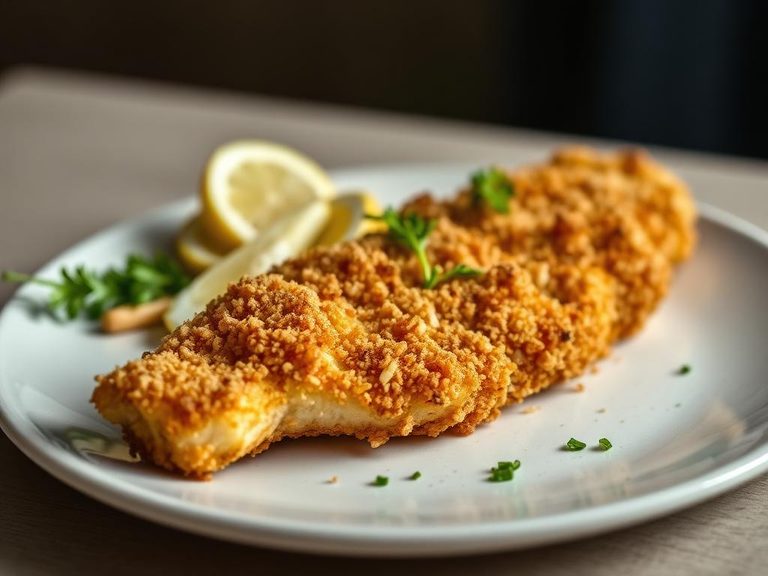
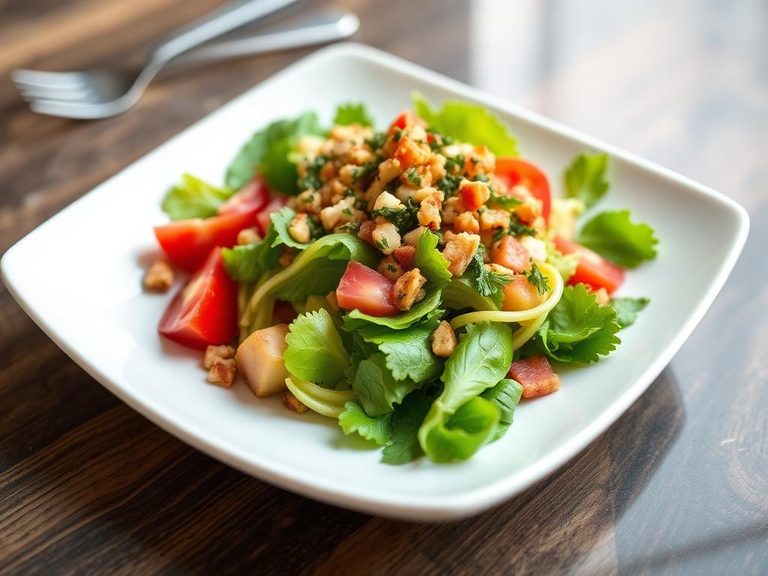

🌍 Where it's eaten
💡 Did you know?
The first known recipe for 'potatoes fried in slices' was published in a 1817 cookbook, but the modern, thin, crispy potato chip is popularly (though debatedly) credited to a New York chef in 1853 who sliced them paper-thin in response to a customer's complaint.
Full nutrition (USDA data · scales with serving)
| Water | 1.9 g |
| Energy | 532 kcal |
| Energy | 2227 kj |
| Protein | 6.4 g |
| Total lipid (fat) | 34.0 g |
| Ash | 3.9 g |
| Carbohydrate, by difference | 53.8 g |
| Fiber, total dietary | 3.1 g |
| Total Sugars | 0.33 g |
| Sucrose | 0.33 g |
| Glucose | 0.00 g |
| Fructose | 0.00 g |
| Lactose | 0.00 g |
| Maltose | 0.00 g |
| Galactose | 0.00 g |
| Calcium, Ca | 21.0 mg |
| Iron, Fe | 1.3 mg |
| Magnesium, Mg | 63.0 mg |
| Phosphorus, P | 153 mg |
| Potassium, K | 1196 mg |
| Sodium, Na | 527 mg |
| Zinc, Zn | 1.1 mg |
| Copper, Cu | 0.23 mg |
| Manganese, Mn | 0.43 mg |
| Selenium, Se | 2.5 ug |
| Fluoride, F | 61.3 ug |
| Vitamin C, total ascorbic acid | 21.6 mg |
| Thiamin | 0.21 mg |
| Riboflavin | 0.09 mg |
| Niacin | 4.8 mg |
| Pantothenic acid | 0.96 mg |
| Vitamin B-6 | 0.53 mg |
| Folate, total | 29.0 ug |
| Folic acid | 0.00 ug |
| Folate, food | 29.0 ug |
| Folate, DFE | 29.0 ug |
| Choline, total | 12.1 mg |
| Betaine | 0.20 mg |
| Vitamin B-12 | 0.00 ug |
| Vitamin B-12, added | 0.00 ug |
| Vitamin A, RAE | 0.00 ug |
| Retinol | 0.00 ug |
| Carotene, beta | 0.00 ug |
| Carotene, alpha | 0.00 ug |
| Cryptoxanthin, beta | 0.00 ug |
| Vitamin A, IU | 0.00 iu |
| Lycopene | 0.00 ug |
| Lutein + zeaxanthin | 0.00 ug |
| Vitamin E (alpha-tocopherol) | 10.4 mg |
| Vitamin E, added | 0.00 mg |
| Tocopherol, beta | 0.24 mg |
| Tocopherol, gamma | 10.8 mg |
| Tocopherol, delta | 0.17 mg |
| Tocotrienol, alpha | 0.09 mg |
| Tocotrienol, beta | 0.01 mg |
| Tocotrienol, gamma | 0.05 mg |
| Tocotrienol, delta | 0.00 mg |
| Vitamin D (D2 + D3), International Units | 0.00 iu |
| Vitamin D (D2 + D3) | 0.00 ug |
| Vitamin K (phylloquinone) | 22.1 ug |
| Alcohol, ethyl | 0.00 g |
| Caffeine | 0.00 mg |
| Theobromine | 0.00 mg |
Fat & fatty acid profile (per 100g)
| Fatty acids, total saturated | 3.4 g |
| SFA 4:0 | 0.00 g |
| SFA 6:0 | 0.00 g |
| SFA 8:0 | 0.00 g |
| SFA 10:0 | 0.00 g |
| SFA 12:0 | 0.00 g |
| SFA 14:0 | 0.04 g |
| SFA 15:0 | 0.01 g |
| SFA 16:0 | 2.2 g |
| SFA 17:0 | 0.02 g |
| SFA 18:0 | 0.80 g |
| SFA 20:0 | 0.15 g |
| SFA 22:0 | 0.15 g |
| SFA 24:0 | 0.07 g |
| Fatty acids, total monounsaturated | 19.0 g |
| MUFA 14:1 | 0.00 g |
| MUFA 15:1 | 0.00 g |
| MUFA 16:1 | 0.07 g |
| MUFA 16:1 c | 0.07 g |
| MUFA 17:1 | 0.02 g |
| MUFA 18:1 | 18.6 g |
| MUFA 18:1 c | 18.6 g |
| MUFA 20:1 | 0.24 g |
| MUFA 22:1 | 0.01 g |
| MUFA 22:1 c | 0.01 g |
| MUFA 24:1 c | 0.02 g |
| Fatty acids, total polyunsaturated | 8.3 g |
| PUFA 18:2 | 7.9 g |
| PUFA 18:2 n-6 c,c | 7.8 g |
| PUFA 18:2 CLAs | 0.02 g |
| PUFA 18:3 | 0.36 g |
| PUFA 18:3 n-3 c,c,c (ALA) | 0.34 g |
| PUFA 18:3 n-6 c,c,c | 0.02 g |
| PUFA 18:3i | 0.00 g |
| PUFA 18:4 | 0.00 g |
| PUFA 20:2 n-6 c,c | 0.01 g |
| PUFA 20:3 | 0.00 g |
| PUFA 20:3 n-3 | 0.00 g |
| PUFA 20:3 n-6 | 0.00 g |
| PUFA 20:4 | 0.01 g |
| PUFA 20:5 n-3 (EPA) | 0.00 g |
| PUFA 22:4 | 0.00 g |
| PUFA 22:5 n-3 (DPA) | 0.00 g |
| PUFA 22:6 n-3 (DHA) | 0.00 g |
| Fatty acids, total trans | 0.08 g |
| Fatty acids, total trans-monoenoic | 0.02 g |
| TFA 16:1 t | 0.00 g |
| TFA 18:1 t | 0.02 g |
| TFA 22:1 t | 0.00 g |
| TFA 18:2 t not further defined | 0.06 g |
| Fatty acids, total trans-polyenoic | 0.06 g |
| Cholesterol | 0.00 mg |
| Phytosterols | 181 mg |
Amino acid profile (per 100g)
| Tryptophan | 0.11 g |
| Threonine | 0.25 g |
| Isoleucine | 0.28 g |
| Leucine | 0.42 g |
| Lysine | 0.42 g |
| Methionine | 0.11 g |
| Cystine | 0.09 g |
| Phenylalanine | 0.31 g |
| Tyrosine | 0.26 g |
| Valine | 0.39 g |
| Arginine | 0.32 g |
| Histidine | 0.15 g |
| Alanine | 0.21 g |
| Aspartic acid | 1.7 g |
| Glutamic acid | 1.2 g |
| Glycine | 0.21 g |
| Proline | 0.25 g |
| Serine | 0.30 g |
FAQ
Are plain potato chips a good source of any vitamins?
They contain small amounts of potassium and vitamin B6 from the potato, but the frying process reduces the nutrient density compared to a whole, baked potato. They are not considered a significant source of vitamins or minerals.
Why do they have so many calories for a small amount?
Potatoes are sliced very thin and then fried, which removes water and replaces it with oil (fat). This process concentrates the calories, as fat provides 9 kcal per gram compared to 4 kcal per gram for carbohydrates.
Is the sugar content a concern?
The naturally occurring sugar is very low (0.33g per 100g). The primary nutritional concerns are the high total calories, high fat (especially if using certain oils), and high sodium, not added sugars.
Nutrient density (calculated · NRF9.3)
Nutrient Rich Foods index: beneficial nutrients (protein, fiber, vitamins, minerals) minus saturated fat, added sugar & sodium, per 100 kcal.
NRF9.3 index — Fulgoni, Keast & Drewnowski, 2009. Computed from USDA nutrients.
Weight-loss friendliness (composite index)
Energy density 5.32 kcal/g · 5% calories from protein · 3.1 g fiber · 0.3 g sugar per 100 g.
Composite of energy density (Rolls et al., 1999), protein & fiber satiety, minus sugar. A calculated heuristic — ranks satiety-per-calorie, not a clinical measure.
Dietary load (calculated from USDA values)
Potential renal acid load. Positive = acid-forming, negative = alkaline-forming.
Sodium-to-potassium ratio: 0.44 (lower is better — aim for ≤ 1)
Sodium:potassium per WHO potassium guidance. Computed from USDA nutrients.