

Restaurant, Latino, pupusas del cerdo (pupusas, pork)
Whole food · Restaurant Foods

Photo: Wikipedia
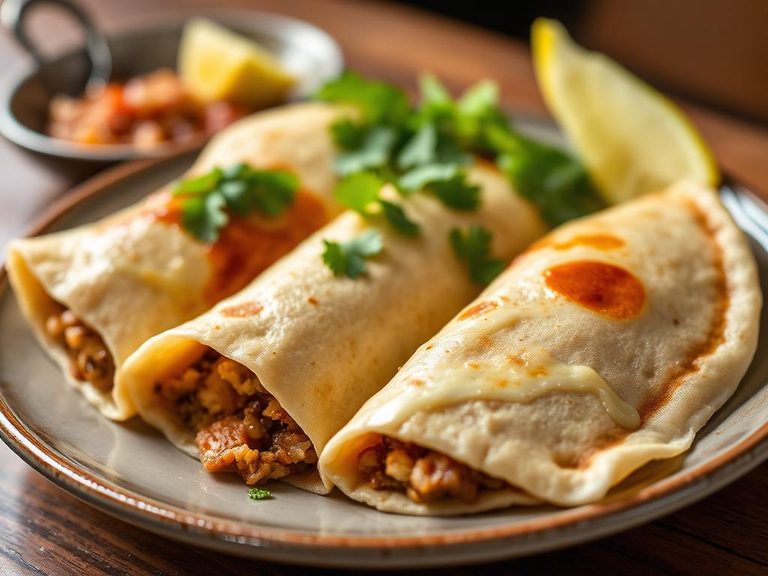
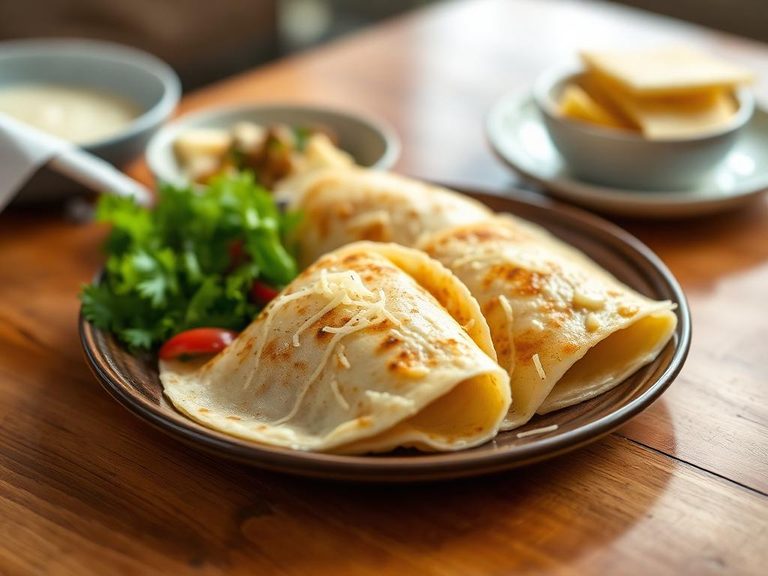
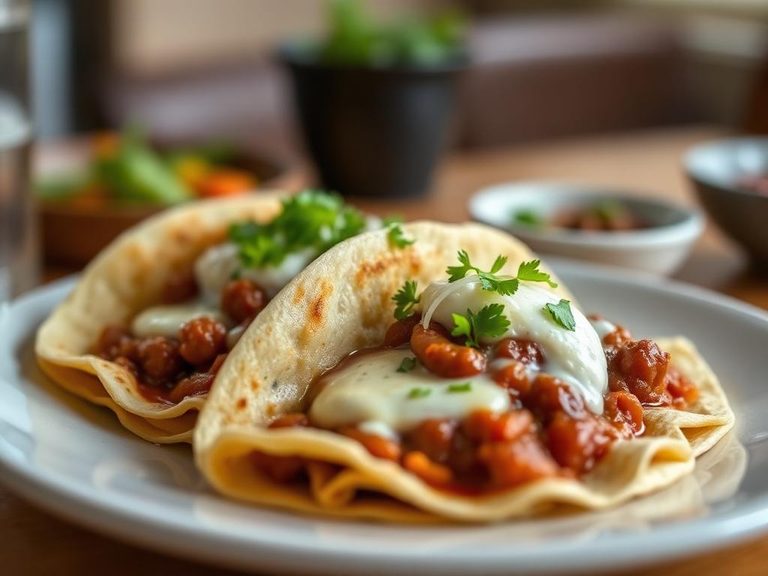
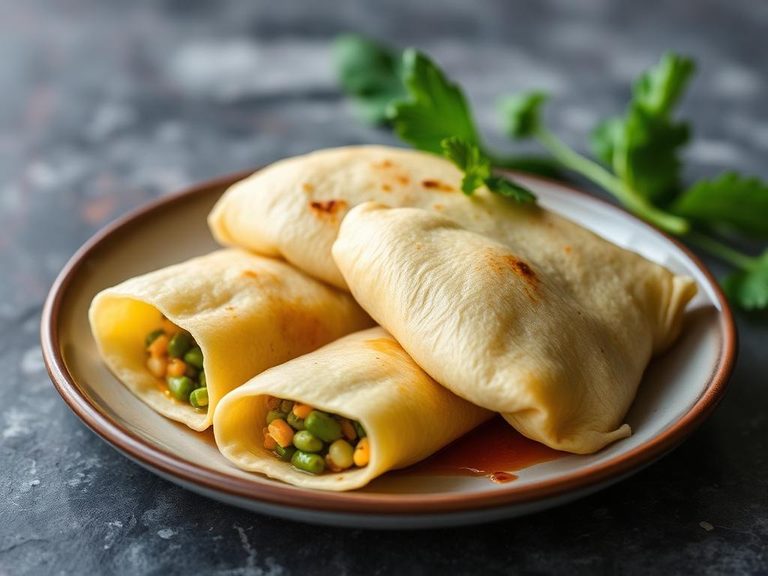
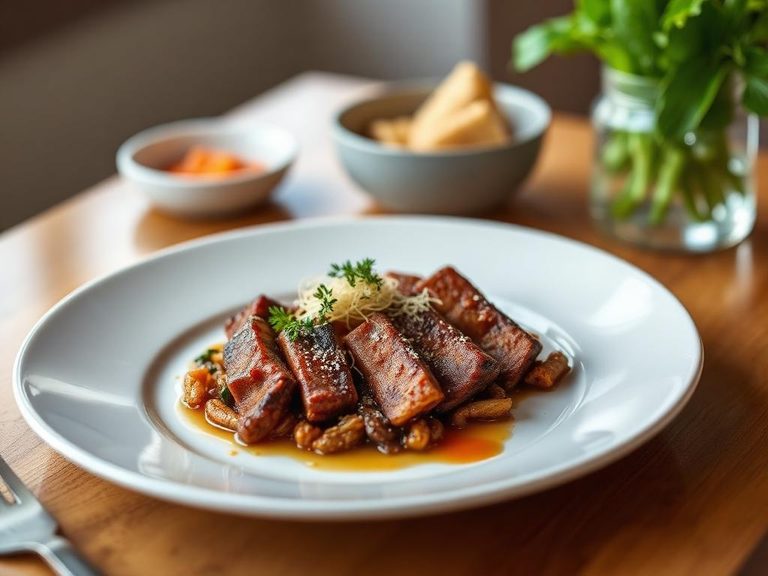
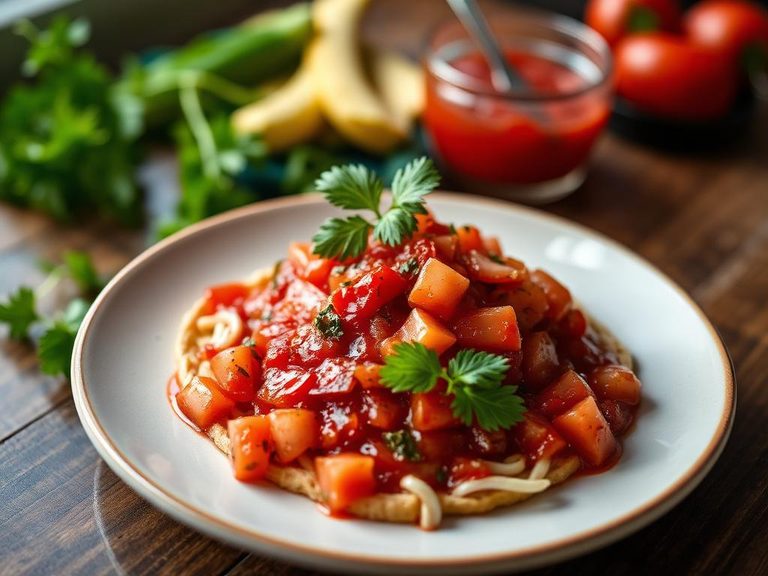
Pupusas del cerdo are thick, handmade corn masa cakes stuffed with seasoned pork, then griddled until the exterior is crispy and golden while the interior remains soft and steamy. Each bite delivers a satisfying crunch followed by a savory, juicy filling, often accompanied by tangy curtido slaw and spicy tomato salsa. Nutritionally, they offer a solid balance of protein and carbs, making them a hearty, energy-dense meal.
Calorie split: 20% protein · 40% carbs · 40% fat
↓ Full nutrition💚 Why it's loved
People adore pupusas for their comforting, rustic simplicity and the way the crispy masa shell gives way to a molten, flavorful pork filling. They are deeply tied to Salvadoran and Central American identity, often enjoyed communally with family-style toppings.
⚠️ Watch-outs & how to enjoy it better
The fried preparation and pork fat can make them high in saturated fat and calories, which may concern those managing heart health or weight. To counteract this, pair with a large portion of fiber-rich curtido and salsa, practice portion control by enjoying one pupusa as part of a larger meal, and consider draining on paper towels after cooking.
Key benefits
- High-quality protein from pork supports muscle maintenance
- Corn masa provides complex carbohydrates for sustained energy
- Contains dietary fiber which aids digestion
- Naturally gluten-free if made with pure corn masa
- Balanced macronutrient profile for a complete meal
🍽️ Popular dishes
🌍 Where it's eaten
💡 Did you know?
The traditional technique for shaping pupusas involves cupping the filled masa in one hand while rhythmically patting it with the other, a skill that takes years to master and is often a point of family pride.
Full nutrition (USDA data · scales with serving)
| Water | 53.1 g |
| Energy | 232 kcal |
| Energy | 971 kj |
| Protein | 11.5 g |
| Total lipid (fat) | 10.4 g |
| Ash | 1.9 g |
| Carbohydrate, by difference | 23.0 g |
| Fiber, total dietary | 2.6 g |
| Total Sugars | 1.4 g |
| Sucrose | 0.38 g |
| Glucose | 0.34 g |
| Fructose | 0.33 g |
| Lactose | 0.00 g |
| Maltose | 0.39 g |
| Galactose | 0.00 g |
| Starch | 19.0 g |
| Calcium, Ca | 49.0 mg |
| Iron, Fe | 1.0 mg |
| Magnesium, Mg | 38.0 mg |
| Phosphorus, P | 162 mg |
| Potassium, K | 255 mg |
| Sodium, Na | 426 mg |
| Zinc, Zn | 1.6 mg |
| Copper, Cu | 0.07 mg |
| Manganese, Mn | 0.16 mg |
| Selenium, Se | 17.8 ug |
| Vitamin C, total ascorbic acid | 0.10 mg |
| Thiamin | 0.08 mg |
| Riboflavin | 0.09 mg |
| Niacin | 2.4 mg |
| Pantothenic acid | 0.64 mg |
| Vitamin B-6 | 0.23 mg |
| Folate, total | 4.0 ug |
| Folic acid | 0.00 ug |
| Folate, food | 4.0 ug |
| Folate, DFE | 4.0 ug |
| Choline, total | 38.4 mg |
| Betaine | 6.1 mg |
| Vitamin B-12 | 0.28 ug |
| Vitamin B-12, added | 0.00 ug |
| Vitamin A, RAE | 10.0 ug |
| Retinol | 8.0 ug |
| Carotene, beta | 35.0 ug |
| Carotene, alpha | 0.00 ug |
| Cryptoxanthin, beta | 0.00 ug |
| Vitamin A, IU | 84.0 iu |
| Lycopene | 752 ug |
| Lutein + zeaxanthin | 26.0 ug |
| Vitamin E (alpha-tocopherol) | 0.35 mg |
| Vitamin E, added | 0.00 mg |
| Tocopherol, beta | 0.02 mg |
| Tocopherol, gamma | 1.3 mg |
| Tocopherol, delta | 0.08 mg |
| Tocotrienol, alpha | 0.08 mg |
| Tocotrienol, beta | 0.01 mg |
| Tocotrienol, gamma | 0.26 mg |
| Tocotrienol, delta | 0.01 mg |
| Vitamin D (D2 + D3), International Units | 28.0 iu |
| Vitamin D (D2 + D3) | 0.70 ug |
| Vitamin K (phylloquinone) | 1.1 ug |
| Vitamin K (Menaquinone-4) | 2.9 ug |
| Alcohol, ethyl | 0.00 g |
| Caffeine | 0.00 mg |
| Theobromine | 0.00 mg |
Fat & fatty acid profile (per 100g)
| Fatty acids, total saturated | 3.2 g |
| SFA 4:0 | 0.01 g |
| SFA 6:0 | 0.01 g |
| SFA 8:0 | 0.01 g |
| SFA 10:0 | 0.02 g |
| SFA 12:0 | 0.02 g |
| SFA 14:0 | 0.13 g |
| SFA 15:0 | 0.01 g |
| SFA 16:0 | 2.0 g |
| SFA 17:0 | 0.03 g |
| SFA 18:0 | 0.92 g |
| SFA 20:0 | 0.02 g |
| SFA 22:0 | 0.01 g |
| SFA 24:0 | 0.00 g |
| Fatty acids, total monounsaturated | 4.0 g |
| MUFA 14:1 | 0.01 g |
| MUFA 15:1 | 0.00 g |
| MUFA 16:1 | 0.20 g |
| MUFA 16:1 c | 0.19 g |
| MUFA 17:1 | 0.03 g |
| MUFA 18:1 | 3.7 g |
| MUFA 18:1 c | 3.6 g |
| MUFA 20:1 | 0.07 g |
| MUFA 22:1 | 0.00 g |
| MUFA 22:1 c | 0.00 g |
| MUFA 24:1 c | 0.00 g |
| Fatty acids, total polyunsaturated | 2.2 g |
| PUFA 18:2 | 2.0 g |
| PUFA 18:2 n-6 c,c | 1.9 g |
| PUFA 18:2 CLAs | 0.02 g |
| PUFA 18:3 | 0.09 g |
| PUFA 18:3 n-3 c,c,c (ALA) | 0.09 g |
| PUFA 18:3 n-6 c,c,c | 0.00 g |
| PUFA 18:4 | 0.00 g |
| PUFA 20:2 n-6 c,c | 0.04 g |
| PUFA 20:3 | 0.02 g |
| PUFA 20:3 n-3 | 0.01 g |
| PUFA 20:3 n-6 | 0.01 g |
| PUFA 20:4 | 0.04 g |
| PUFA 20:5 n-3 (EPA) | 0.00 g |
| PUFA 22:4 | 0.01 g |
| PUFA 22:5 n-3 (DPA) | 0.01 g |
| PUFA 22:6 n-3 (DHA) | 0.00 g |
| Fatty acids, total trans | 0.08 g |
| Fatty acids, total trans-monoenoic | 0.06 g |
| TFA 16:1 t | 0.00 g |
| TFA 18:1 t | 0.06 g |
| TFA 22:1 t | 0.00 g |
| TFA 18:2 t not further defined | 0.02 g |
| Fatty acids, total trans-polyenoic | 0.02 g |
| Cholesterol | 29.0 mg |
Amino acid profile (per 100g)
| Tryptophan | 0.12 g |
| Threonine | 0.46 g |
| Isoleucine | 0.46 g |
| Leucine | 0.98 g |
| Lysine | 0.78 g |
| Methionine | 0.27 g |
| Cystine | 0.13 g |
| Phenylalanine | 0.46 g |
| Tyrosine | 0.30 g |
| Valine | 0.53 g |
| Arginine | 0.67 g |
| Histidine | 0.35 g |
| Alanine | 0.67 g |
| Aspartic acid | 0.99 g |
| Glutamic acid | 1.9 g |
| Glycine | 0.57 g |
| Proline | 0.64 g |
| Serine | 0.46 g |
FAQ
What is the difference between a pupusa and a gordita?
While both are stuffed corn cakes, pupusas are from El Salvador and Honduras, typically stuffed before cooking and served with curtido and salsa. Gorditas are Mexican, often sliced open after cooking and filled, and are generally thicker.
Can pupusas be made ahead and frozen?
Yes, uncooked pupusas can be frozen on a baking sheet then stored in a bag. Cook directly from frozen, adding a few extra minutes to the cooking time.
What is curtido and why is it served with pupusas?
Curtido is a lightly fermented cabbage, carrot, and onion slaw. Its bright acidity and crunch cut through the richness of the pupusa, creating a perfect balance.
Nutrient density (calculated · NRF9.3)
Nutrient Rich Foods index: beneficial nutrients (protein, fiber, vitamins, minerals) minus saturated fat, added sugar & sodium, per 100 kcal.
NRF9.3 index — Fulgoni, Keast & Drewnowski, 2009. Computed from USDA nutrients.
Weight-loss friendliness (composite index)
Energy density 2.32 kcal/g · 20% calories from protein · 2.6 g fiber · 1.4 g sugar per 100 g.
Composite of energy density (Rolls et al., 1999), protein & fiber satiety, minus sugar. A calculated heuristic — ranks satiety-per-calorie, not a clinical measure.
Dietary load (calculated from USDA values)
Potential renal acid load. Positive = acid-forming, negative = alkaline-forming.
Sodium-to-potassium ratio: 1.67 (lower is better — aim for ≤ 1)
Sodium:potassium per WHO potassium guidance. Computed from USDA nutrients.