

Pork, cured, ham, rump, bone-in, separable lean only, unheated
Whole food · Pork Products

Photo: Wikipedia
This is lean, bone-in ham from the rump, cured but served unheated, offering a firm, dense texture with a clean, savory-salt flavor. Its standout feature is an exceptionally high protein-to-calorie ratio, delivering over 24 grams of protein per 100 grams with minimal fat and virtually no carbohydrates.
Calorie split: 78% protein · 1% carbs · 21% fat
↓ Full nutrition💚 Why it's loved
People love its pure, salty-savory ham flavor and firm, satisfying texture that holds up well in dishes. It's a versatile staple for quick meals, from sandwiches to salads, embodying a classic cured meat tradition.
⚠️ Watch-outs & how to enjoy it better
The primary caution is its high sodium content from curing, which can be a concern for blood pressure management. To counteract this, pair it with potassium-rich foods like leafy greens or tomatoes, and practice portion control. Always check labels for nitrates if that is a dietary concern.
Key benefits
- Excellent high-protein, low-calorie food for muscle maintenance.
- Very low in carbohydrates, suitable for low-carb diets.
- Source of B vitamins, particularly thiamine (B1).
- Provides minerals like phosphorus and selenium.
- Convenient, ready-to-eat lean protein source.
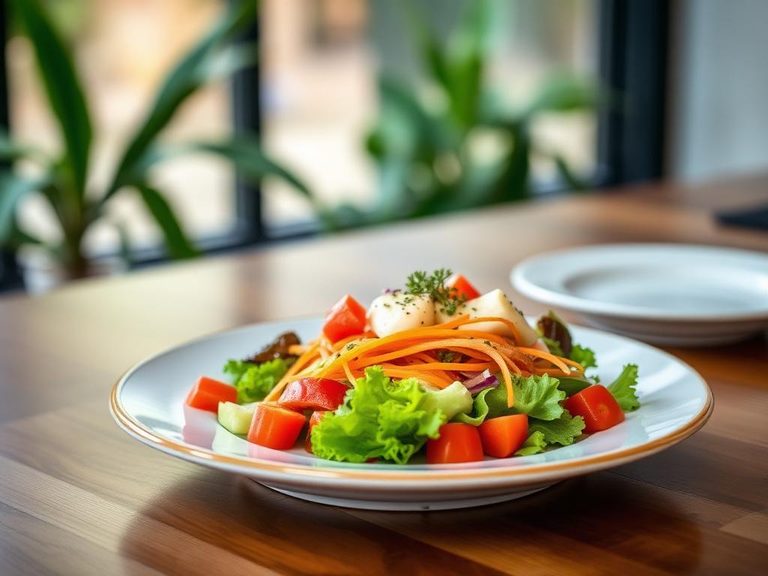
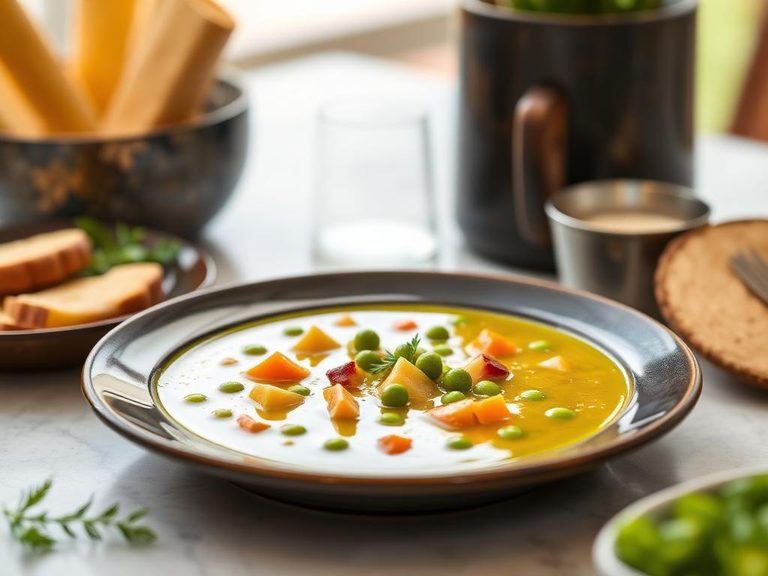
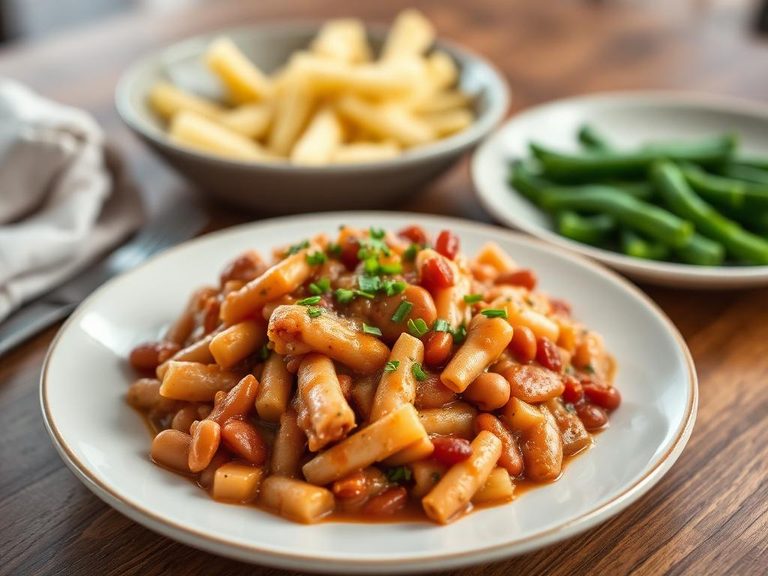
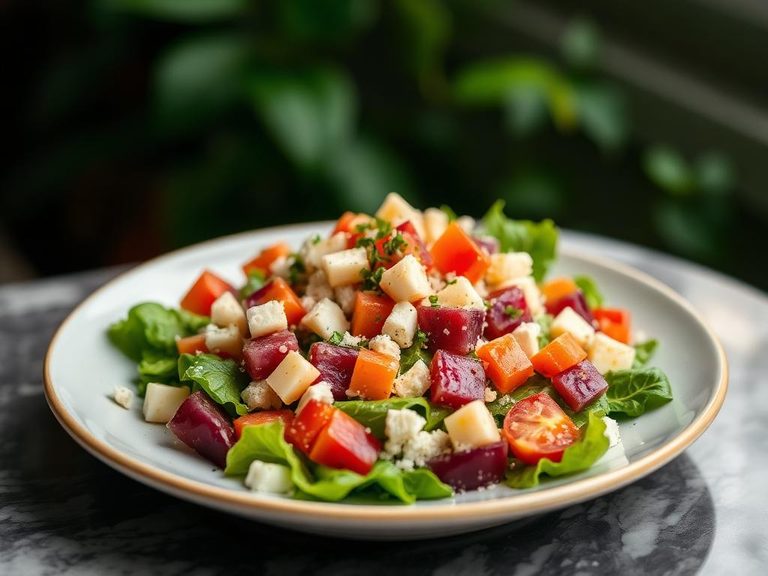
🍽️ Popular dishes


🌍 Where it's eaten
💡 Did you know?
The 'rump' cut comes from the upper back leg of the pig, a well-exercised muscle that gives the ham its characteristic dense, lean texture.
Full nutrition (USDA data · scales with serving)
| Water | 69.6 g |
| Energy | 125 kcal |
| Energy | 525 kj |
| Protein | 24.5 g |
| Total lipid (fat) | 2.9 g |
| Ash | 2.7 g |
| Carbohydrate, by difference | 0.32 g |
| Fiber, total dietary | 0.00 g |
| Total Sugars | 0.00 g |
| Sucrose | 0.00 g |
| Glucose | 0.00 g |
| Fructose | 0.00 g |
| Lactose | 0.00 g |
| Maltose | 0.00 g |
| Galactose | 0.00 g |
| Calcium, Ca | 7.0 mg |
| Iron, Fe | 1.1 mg |
| Magnesium, Mg | 24.0 mg |
| Phosphorus, P | 267 mg |
| Potassium, K | 385 mg |
| Sodium, Na | 737 mg |
| Zinc, Zn | 2.6 mg |
| Copper, Cu | 0.87 mg |
| Manganese, Mn | 0.02 mg |
| Selenium, Se | 21.4 ug |
| Vitamin C, total ascorbic acid | 0.00 mg |
| Thiamin | 0.52 mg |
| Riboflavin | 0.23 mg |
| Niacin | 7.0 mg |
| Pantothenic acid | 0.63 mg |
| Vitamin B-6 | 0.51 mg |
| Folate, total | 1.0 ug |
| Folic acid | 0.00 ug |
| Folate, food | 1.0 ug |
| Folate, DFE | 1.0 ug |
| Choline, total | 91.9 mg |
| Betaine | 6.3 mg |
| Vitamin B-12 | 0.56 ug |
| Vitamin B-12, added | 0.00 ug |
| Vitamin A, RAE | 0.00 ug |
| Retinol | 0.00 ug |
| Carotene, beta | 0.00 ug |
| Carotene, alpha | 0.00 ug |
| Cryptoxanthin, beta | 0.00 ug |
| Vitamin A, IU | 0.00 iu |
| Lycopene | 0.00 ug |
| Lutein + zeaxanthin | 0.00 ug |
| Vitamin E (alpha-tocopherol) | 0.26 mg |
| Vitamin E, added | 0.00 mg |
| Tocopherol, beta | 0.00 mg |
| Tocopherol, gamma | 0.03 mg |
| Tocopherol, delta | 0.00 mg |
| Tocotrienol, alpha | 0.00 mg |
| Tocotrienol, beta | 0.00 mg |
| Tocotrienol, gamma | 0.02 mg |
| Tocotrienol, delta | 0.00 mg |
| Vitamin K (phylloquinone) | 0.00 ug |
| Vitamin K (Dihydrophylloquinone) | 0.00 ug |
| Vitamin K (Menaquinone-4) | 1.4 ug |
| Alcohol, ethyl | 0.00 g |
| Caffeine | 0.00 mg |
| Theobromine | 0.00 mg |
Fat & fatty acid profile (per 100g)
| Fatty acids, total saturated | 0.87 g |
| SFA 4:0 | 0.00 g |
| SFA 6:0 | 0.00 g |
| SFA 8:0 | 0.00 g |
| SFA 10:0 | 0.00 g |
| SFA 12:0 | 0.00 g |
| SFA 14:0 | 0.03 g |
| SFA 15:0 | 0.00 g |
| SFA 16:0 | 0.53 g |
| SFA 17:0 | 0.01 g |
| SFA 18:0 | 0.30 g |
| SFA 20:0 | 0.00 g |
| SFA 22:0 | 0.00 g |
| Fatty acids, total monounsaturated | 1.0 g |
| MUFA 14:1 | 0.00 g |
| MUFA 15:1 | 0.00 g |
| MUFA 16:1 | 0.06 g |
| MUFA 17:1 | 0.00 g |
| MUFA 18:1 | 0.94 g |
| MUFA 18:1 c | 0.93 g |
| MUFA 20:1 | 0.01 g |
| MUFA 22:1 | 0.00 g |
| Fatty acids, total polyunsaturated | 0.54 g |
| PUFA 18:2 | 0.42 g |
| PUFA 18:2 n-6 c,c | 0.41 g |
| PUFA 18:3 | 0.02 g |
| PUFA 18:3 n-3 c,c,c (ALA) | 0.02 g |
| PUFA 18:3 n-6 c,c,c | 0.00 g |
| PUFA 18:4 | 0.00 g |
| PUFA 20:2 n-6 c,c | 0.01 g |
| PUFA 20:3 | 0.00 g |
| PUFA 20:4 | 0.07 g |
| PUFA 20:5 n-3 (EPA) | 0.00 g |
| PUFA 22:5 n-3 (DPA) | 0.00 g |
| PUFA 22:6 n-3 (DHA) | 0.00 g |
| Fatty acids, total trans | 0.02 g |
| Fatty acids, total trans-monoenoic | 0.01 g |
| TFA 18:1 t | 0.01 g |
| TFA 18:2 t,t | 0.01 g |
| Fatty acids, total trans-polyenoic | 0.01 g |
| Cholesterol | 63.0 mg |
Amino acid profile (per 100g)
| Tryptophan | 0.23 g |
| Threonine | 1.1 g |
| Isoleucine | 1.1 g |
| Leucine | 2.0 g |
| Lysine | 2.1 g |
| Methionine | 0.58 g |
| Cystine | 0.28 g |
| Phenylalanine | 0.98 g |
| Tyrosine | 0.79 g |
| Valine | 1.2 g |
| Arginine | 1.6 g |
| Histidine | 1.1 g |
| Alanine | 1.4 g |
| Aspartic acid | 2.1 g |
| Glutamic acid | 3.5 g |
| Glycine | 1.3 g |
| Proline | 1.1 g |
| Serine | 0.96 g |
| Hydroxyproline | 0.16 g |
FAQ
What's the difference between this and cooked ham?
This ham is cured (preserved with salt and often smoke or other agents) but not heated to a fully cooked internal temperature. It is safe to eat unheated but can also be heated. 'Cooked ham' has been heated to a safe temperature, often making it slightly softer.
Is the bone-in aspect important?
Yes, the bone helps retain moisture and flavor during any cooking process. For unheated use, it primarily indicates the cut's origin and can affect how you slice it.
How should I store it after opening?
Wrap tightly in plastic wrap or place in an airtight container and refrigerate. It should be consumed within 3-5 days for best quality and safety.
Nutrient density (calculated · NRF9.3)
Nutrient Rich Foods index: beneficial nutrients (protein, fiber, vitamins, minerals) minus saturated fat, added sugar & sodium, per 100 kcal.
NRF9.3 index — Fulgoni, Keast & Drewnowski, 2009. Computed from USDA nutrients.
Weight-loss friendliness (composite index)
Energy density 1.25 kcal/g · 78% calories from protein · 0.0 g fiber · 0.0 g sugar per 100 g.
Composite of energy density (Rolls et al., 1999), protein & fiber satiety, minus sugar. A calculated heuristic — ranks satiety-per-calorie, not a clinical measure.
Dietary load (calculated from USDA values)
Potential renal acid load. Positive = acid-forming, negative = alkaline-forming.
Sodium-to-potassium ratio: 1.91 (lower is better — aim for ≤ 1)
Sodium:potassium per WHO potassium guidance. Computed from USDA nutrients.