

Nuts, pistachio nuts, dry roasted, without salt added
Whole food · Nut and Seed Products

Photo: Wikipedia
Dry-roasted, unsalted pistachios are a vibrant, emerald-hued nut with a satisfying crunch and a subtly sweet, earthy flavor. Their roasting process intensifies their natural nuttiness, creating a snack that is both savory and rich. Nutritionally, they are a powerhouse, offering a high protein content and a substantial amount of healthy fats and fiber per serving.
Calorie split: 14% protein · 19% carbs · 68% fat
↓ Full nutrition💚 Why it's loved
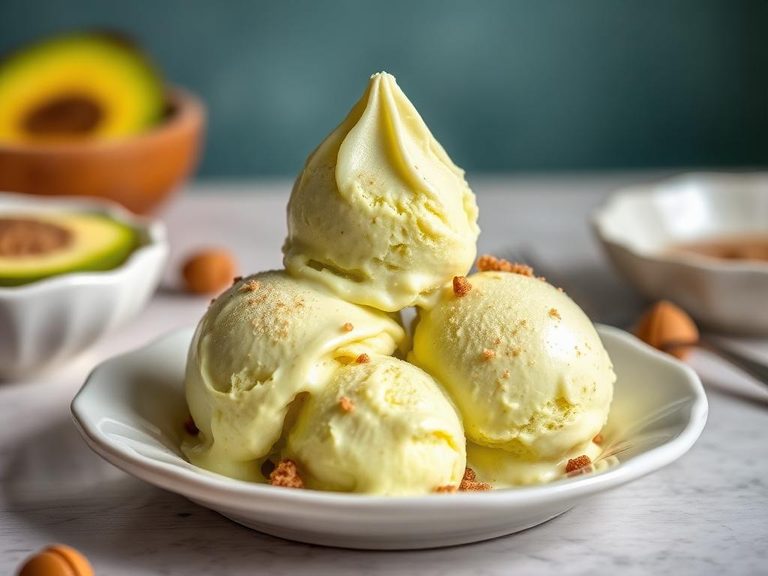
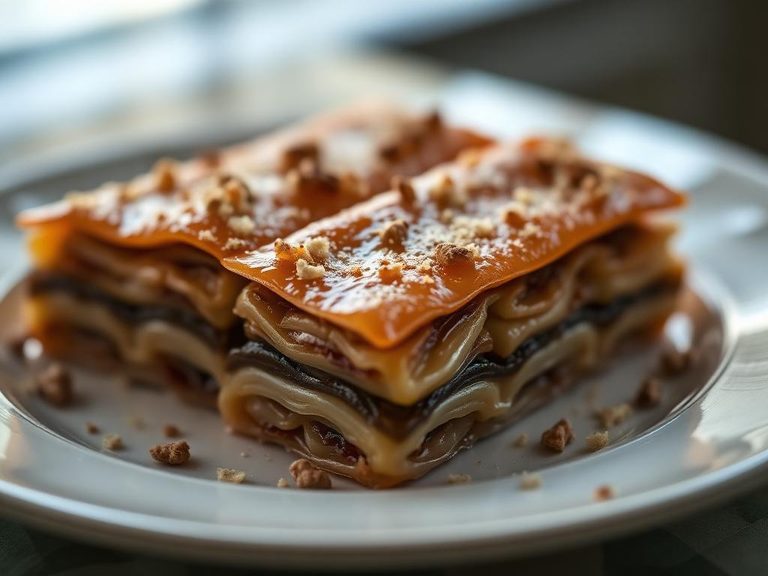
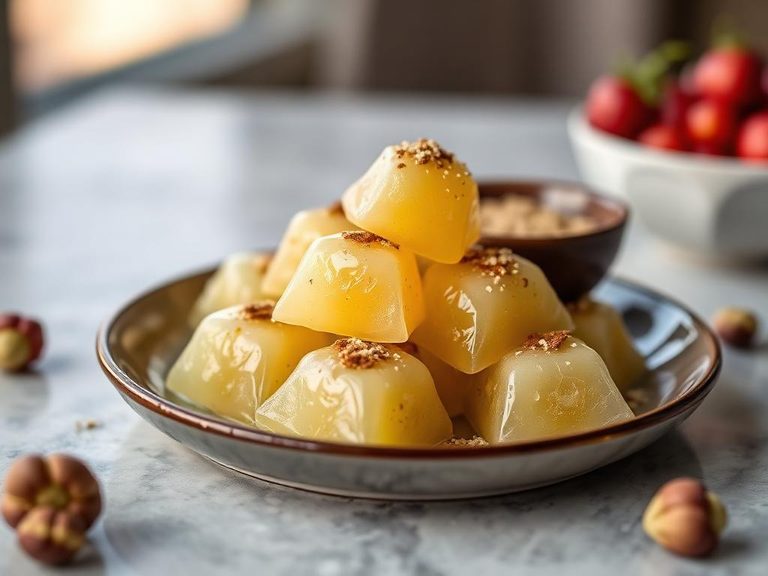
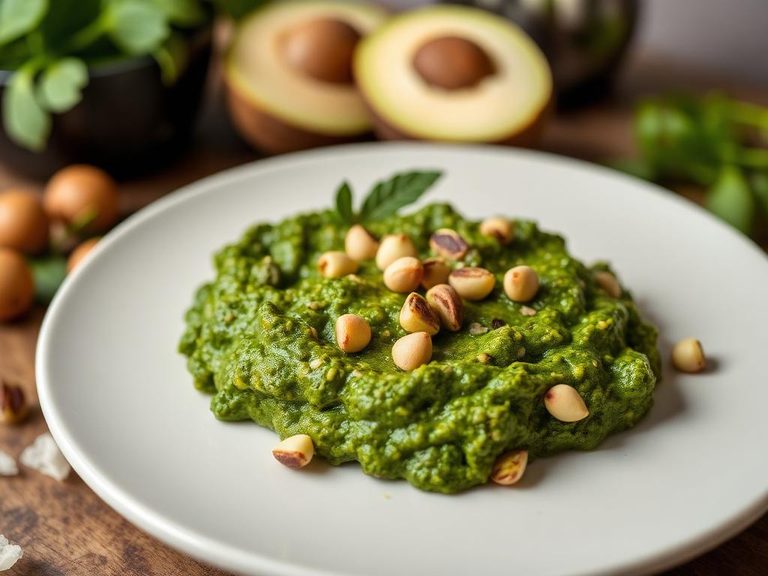
People adore pistachios for their unique, complex flavor that balances sweetness with a savory depth, and for the interactive ritual of cracking open the shell. Their versatility makes them a beloved ingredient in both sweet and savory global cuisines, from ice cream to kebabs.
⚠️ Watch-outs & how to enjoy it better
As a tree nut, they are a common allergen and should be avoided by those with allergies. Their high calorie density (572 kcal per 100g) means portion control is key for weight management. The shells, while part of the experience, create inedible waste. Tip: Pre-portion into small bowls to avoid overeating, and look for bulk bins to reduce packaging.
Key benefits
- Excellent source of plant-based protein (21g per 100g).
- Rich in heart-healthy monounsaturated fats.
- High in dietary fiber (10.3g per 100g) for digestive health.
- Provides a good source of antioxidants, including lutein and zeaxanthin.
- Naturally free of added sodium, supporting healthy blood pressure.
🍽️ Popular dishes
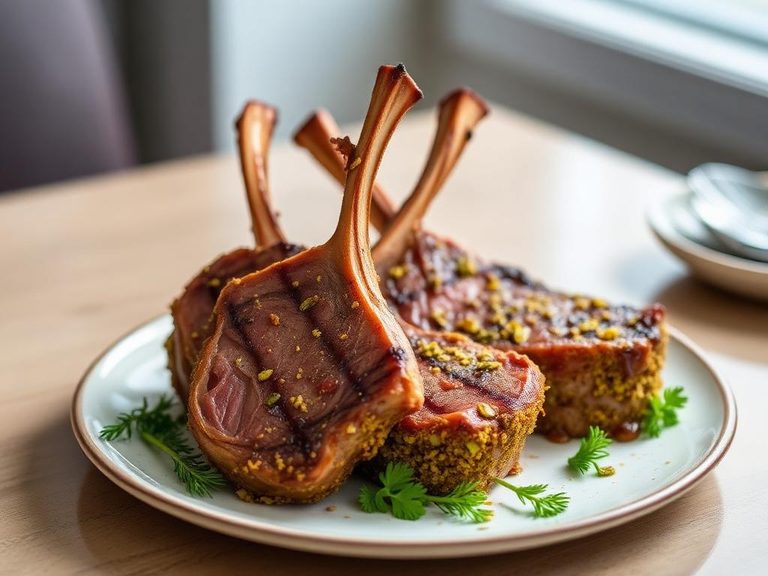
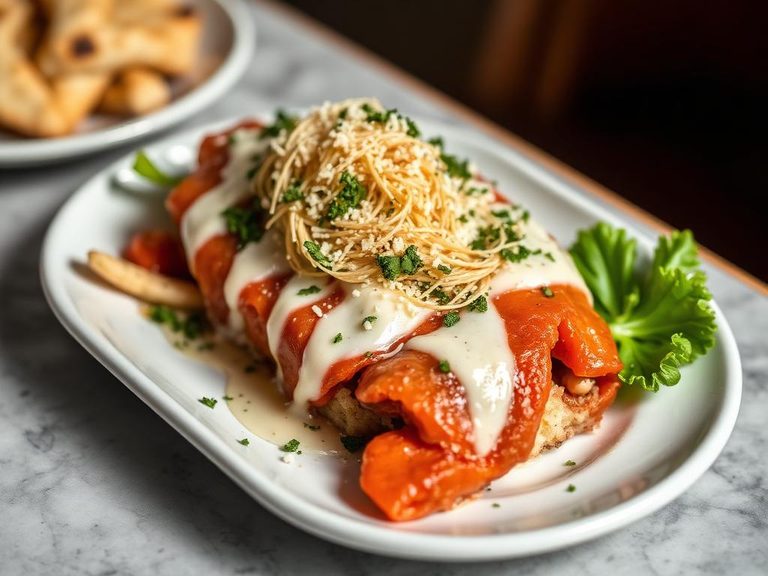
🌍 Where it's eaten
💡 Did you know?
Pistachios are technically a seed, not a nut, and are one of the oldest flowering nut trees, with evidence of human consumption dating back to 6750 BC.
Full nutrition (USDA data · scales with serving)
| Water | 1.9 g |
| Energy | 572 kcal |
| Energy | 2392 kj |
| Protein | 21.1 g |
| Total lipid (fat) | 45.8 g |
| Ash | 3.0 g |
| Carbohydrate, by difference | 28.3 g |
| Fiber, total dietary | 10.3 g |
| Total Sugars | 7.7 g |
| Sucrose | 7.1 g |
| Glucose | 0.25 g |
| Fructose | 0.22 g |
| Lactose | 0.00 g |
| Maltose | 0.13 g |
| Galactose | 0.05 g |
| Starch | 1.4 g |
| Calcium, Ca | 107 mg |
| Iron, Fe | 4.0 mg |
| Magnesium, Mg | 109 mg |
| Phosphorus, P | 469 mg |
| Potassium, K | 1007 mg |
| Sodium, Na | 6.0 mg |
| Zinc, Zn | 2.3 mg |
| Copper, Cu | 1.3 mg |
| Manganese, Mn | 1.2 mg |
| Selenium, Se | 10.0 ug |
| Vitamin C, total ascorbic acid | 3.0 mg |
| Thiamin | 0.69 mg |
| Riboflavin | 0.23 mg |
| Niacin | 1.4 mg |
| Pantothenic acid | 0.51 mg |
| Vitamin B-6 | 1.1 mg |
| Folate, total | 51.0 ug |
| Folic acid | 0.00 ug |
| Folate, food | 51.0 ug |
| Folate, DFE | 51.0 ug |
| Choline, total | 71.4 mg |
| Betaine | 0.80 mg |
| Vitamin B-12 | 0.00 ug |
| Vitamin B-12, added | 0.00 ug |
| Vitamin A, RAE | 13.0 ug |
| Retinol | 0.00 ug |
| Carotene, beta | 159 ug |
| Carotene, alpha | 0.00 ug |
| Cryptoxanthin, beta | 0.00 ug |
| Vitamin A, IU | 266 iu |
| Lycopene | 0.00 ug |
| Lutein + zeaxanthin | 1160 ug |
| Vitamin E (alpha-tocopherol) | 2.2 mg |
| Vitamin E, added | 0.00 mg |
| Tocopherol, beta | 0.13 mg |
| Tocopherol, gamma | 23.4 mg |
| Tocopherol, delta | 0.55 mg |
| Tocotrienol, alpha | 0.29 mg |
| Tocotrienol, beta | 0.00 mg |
| Tocotrienol, gamma | 3.1 mg |
| Tocotrienol, delta | 0.08 mg |
| Vitamin D (D2 + D3), International Units | 0.00 iu |
| Vitamin D (D2 + D3) | 0.00 ug |
| Vitamin K (phylloquinone) | 13.2 ug |
| Vitamin K (Dihydrophylloquinone) | 0.00 ug |
| Alcohol, ethyl | 0.00 g |
| Caffeine | 0.00 mg |
| Theobromine | 0.00 mg |
Fat & fatty acid profile (per 100g)
| Fatty acids, total saturated | 5.6 g |
| SFA 4:0 | 0.00 g |
| SFA 6:0 | 0.00 g |
| SFA 8:0 | 0.00 g |
| SFA 10:0 | 0.00 g |
| SFA 12:0 | 0.00 g |
| SFA 13:0 | 0.00 g |
| SFA 14:0 | 0.01 g |
| SFA 15:0 | 0.00 g |
| SFA 16:0 | 5.0 g |
| SFA 17:0 | 0.01 g |
| SFA 18:0 | 0.56 g |
| SFA 20:0 | 0.03 g |
| SFA 22:0 | 0.03 g |
| SFA 24:0 | 0.01 g |
| Fatty acids, total monounsaturated | 24.5 g |
| MUFA 14:1 | 0.01 g |
| MUFA 15:1 | 0.01 g |
| MUFA 16:1 | 0.46 g |
| MUFA 17:1 | 0.02 g |
| MUFA 18:1 | 23.9 g |
| MUFA 20:1 | 0.11 g |
| MUFA 22:1 | 0.01 g |
| MUFA 24:1 c | 0.00 g |
| Fatty acids, total polyunsaturated | 13.3 g |
| PUFA 18:2 | 13.1 g |
| PUFA 18:2 n-6 c,c | 13.1 g |
| PUFA 18:3 | 0.21 g |
| PUFA 18:3 n-3 c,c,c (ALA) | 0.21 g |
| PUFA 18:3 n-6 c,c,c | 0.00 g |
| PUFA 18:4 | 0.00 g |
| PUFA 20:2 n-6 c,c | 0.00 g |
| PUFA 20:3 | 0.01 g |
| PUFA 20:4 | 0.01 g |
| PUFA 20:5 n-3 (EPA) | 0.00 g |
| PUFA 22:5 n-3 (DPA) | 0.00 g |
| PUFA 22:6 n-3 (DHA) | 0.00 g |
| Fatty acids, total trans | 0.00 g |
| Fatty acids, total trans-monoenoic | 0.00 g |
| TFA 18:1 t | 0.00 g |
| TFA 18:2 t not further defined | 0.00 g |
| Fatty acids, total trans-polyenoic | 0.00 g |
| Cholesterol | 0.00 mg |
| Stigmasterol | 2.0 mg |
| Campesterol | 10.0 mg |
| Beta-sitosterol | 210 mg |
Amino acid profile (per 100g)
| Tryptophan | 0.26 g |
| Threonine | 0.71 g |
| Isoleucine | 0.96 g |
| Leucine | 1.7 g |
| Lysine | 1.2 g |
| Methionine | 0.38 g |
| Cystine | 0.30 g |
| Phenylalanine | 1.1 g |
| Tyrosine | 0.53 g |
| Valine | 1.3 g |
| Arginine | 2.2 g |
| Histidine | 0.54 g |
| Alanine | 1.0 g |
| Aspartic acid | 2.0 g |
| Glutamic acid | 4.5 g |
| Glycine | 1.1 g |
| Proline | 0.98 g |
| Serine | 1.3 g |
| Hydroxyproline | 0.10 g |
FAQ
Why are some pistachio shells partially open?
The shell opens naturally as the nut grows and matures inside. This is a sign of a well-ripened pistachio and makes them easier to crack open.
Are the red-dyed pistachios natural?
No. Historically, pistachios were dyed red to mask shell stains from harvesting. This practice is now rare, and the vibrant green and purple colors you see are natural.
How should I store them to keep them fresh?
For optimal freshness, store them in an airtight container in a cool, dark place. They can also be refrigerated or frozen for longer-term storage to prevent the natural oils from going rancid.
Nutrient density (calculated · NRF9.3)
Nutrient Rich Foods index: beneficial nutrients (protein, fiber, vitamins, minerals) minus saturated fat, added sugar & sodium, per 100 kcal.
NRF9.3 index — Fulgoni, Keast & Drewnowski, 2009. Computed from USDA nutrients.
Weight-loss friendliness (composite index)
Energy density 5.72 kcal/g · 15% calories from protein · 10.3 g fiber · 7.7 g sugar per 100 g.
Composite of energy density (Rolls et al., 1999), protein & fiber satiety, minus sugar. A calculated heuristic — ranks satiety-per-calorie, not a clinical measure.
Dietary load (calculated from USDA values)
Potential renal acid load. Positive = acid-forming, negative = alkaline-forming.
Sodium-to-potassium ratio: 0.01 (lower is better — aim for ≤ 1)
Sodium:potassium per WHO potassium guidance. Computed from USDA nutrients.