

Chicken, broilers or fryers, dark meat, thigh, meat and skin, cooked, braised
Whole food · Poultry Products
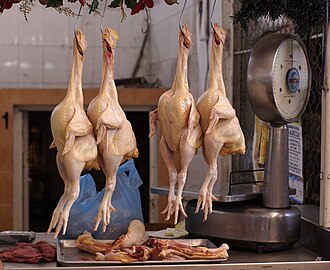
Photo: Wikipedia
Braised chicken thigh (meat and skin) is a succulent, deeply savory cut where the dark meat becomes fork-tender and the skin turns silky and rich. The braising process infuses it with flavor while the collagen breaks down, creating a luscious, melt-in-your-mouth texture. It's a high-protein, zero-carb staple that delivers substantial energy and satiety.
Calorie split: 39% protein · 0% carbs · 61% fat
↓ Full nutrition💚 Why it's loved
People adore it for the unbeatable combination of juicy, flavorful meat and rich, unctuous skin that absorbs braising liquids beautifully. Its versatility makes it a comforting centerpiece in everything from rustic stews to elegant glazed dishes across global cuisines.
⚠️ Watch-outs & how to enjoy it better
The relatively high fat content (15.43g per 100g), especially from the skin, means it's calorie-dense and should be enjoyed in moderation by those monitoring fat intake. To balance, pair it with high-fiber, non-starchy vegetables (like roasted broccoli or a vinegar-based slaw) to create a more balanced meal and slow fat absorption.
Key benefits
- Excellent source of complete protein (22.57g per 100g) for muscle maintenance.
- Rich in heme iron and zinc, important for immune function and energy metabolism.
- Contains B vitamins like niacin (B3) and B6, crucial for nervous system health.
- The skin provides dietary fat, which aids in the absorption of fat-soluble vitamins.
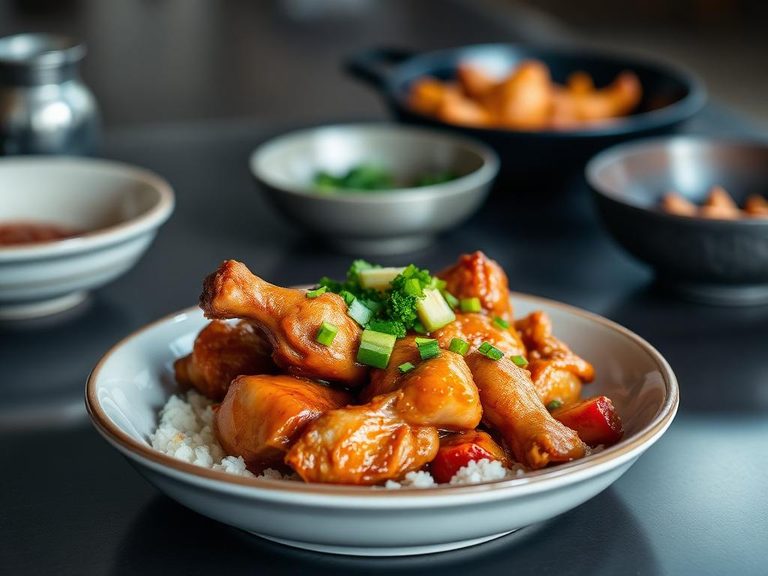
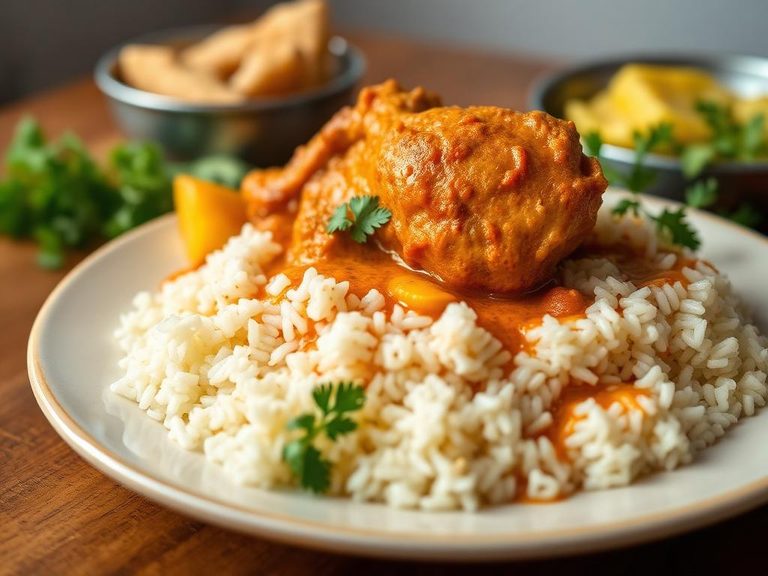
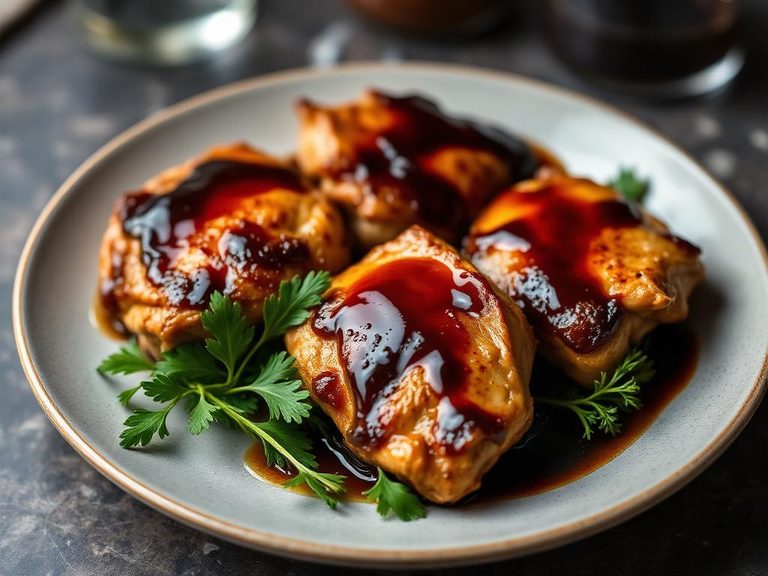
🍽️ Popular dishes
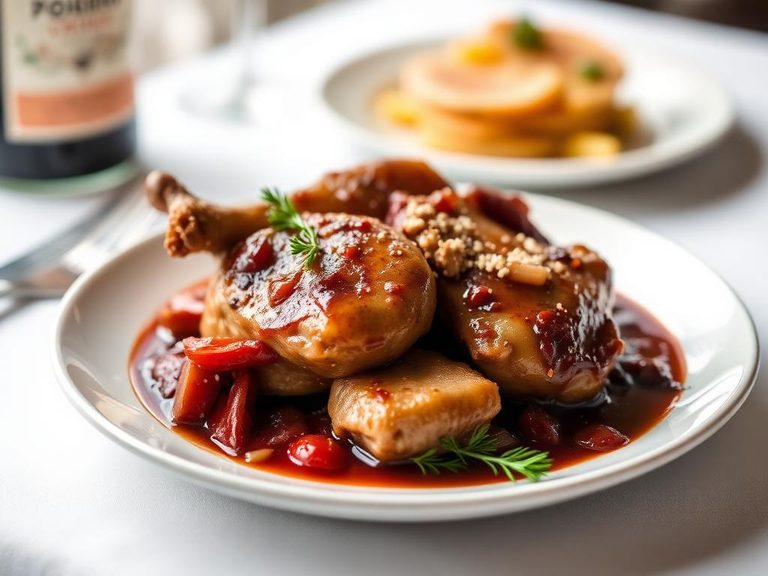
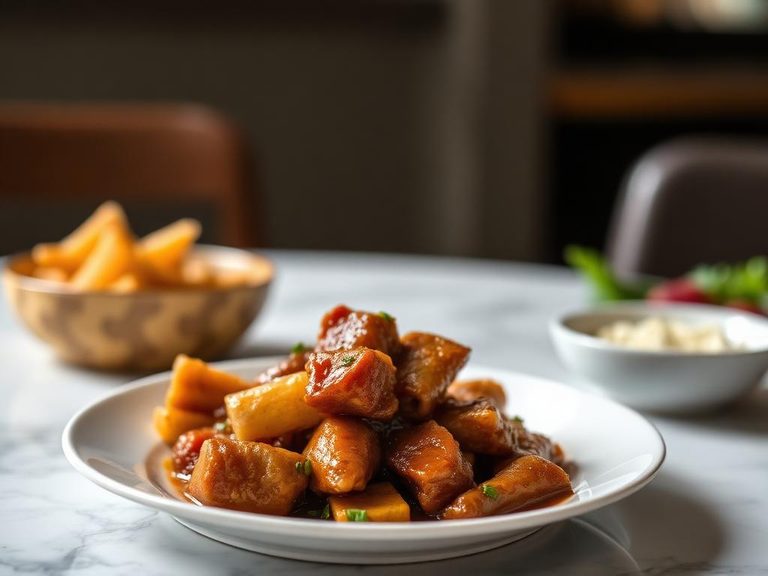
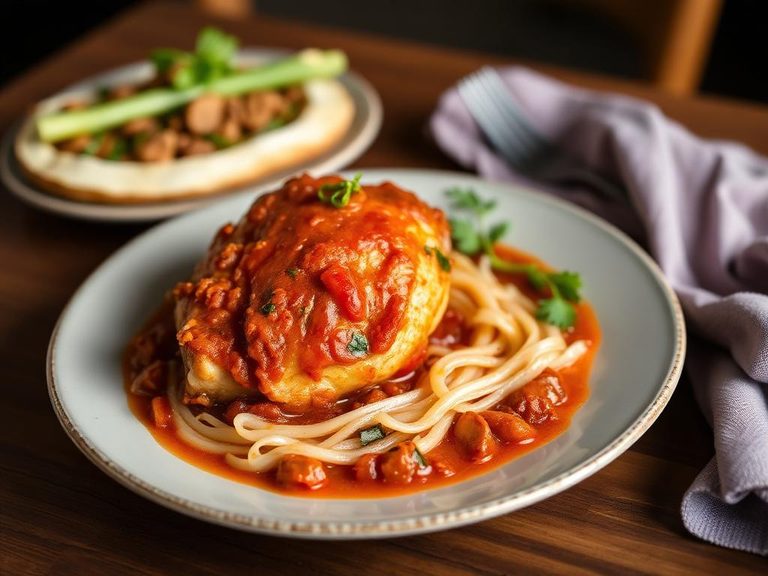
🌍 Where it's eaten
💡 Did you know?
Chicken thighs have about twice the iron and three times the zinc of chicken breast, making them a more nutrient-dense choice per calorie.
Full nutrition (USDA data · scales with serving)
| Water | 61.9 g |
| Energy | 229 kcal |
| Energy | 959 kj |
| Protein | 22.6 g |
| Total lipid (fat) | 15.4 g |
| Ash | 0.91 g |
| Carbohydrate, by difference | 0.00 g |
| Fiber, total dietary | 0.00 g |
| Total Sugars | 0.00 g |
| Calcium, Ca | 11.0 mg |
| Iron, Fe | 1.2 mg |
| Magnesium, Mg | 23.0 mg |
| Phosphorus, P | 187 mg |
| Potassium, K | 245 mg |
| Sodium, Na | 76.0 mg |
| Zinc, Zn | 1.6 mg |
| Copper, Cu | 0.05 mg |
| Manganese, Mn | 0.02 mg |
| Selenium, Se | 26.6 ug |
| Vitamin C, total ascorbic acid | 0.00 mg |
| Thiamin | 0.08 mg |
| Riboflavin | 0.16 mg |
| Niacin | 5.3 mg |
| Pantothenic acid | 1.1 mg |
| Vitamin B-6 | 0.39 mg |
| Folate, total | 4.0 ug |
| Folic acid | 0.00 ug |
| Folate, food | 4.0 ug |
| Folate, DFE | 4.0 ug |
| Choline, total | 63.3 mg |
| Betaine | 13.3 mg |
| Vitamin B-12 | 0.43 ug |
| Vitamin B-12, added | 0.00 ug |
| Vitamin A, RAE | 16.0 ug |
| Retinol | 16.0 ug |
| Carotene, beta | 0.00 ug |
| Carotene, alpha | 0.00 ug |
| Cryptoxanthin, beta | 0.00 ug |
| Vitamin A, IU | 54.0 iu |
| Lycopene | 0.00 ug |
| Lutein + zeaxanthin | 20.0 ug |
| Vitamin E (alpha-tocopherol) | 0.17 mg |
| Vitamin E, added | 0.00 mg |
| Tocopherol, beta | 0.00 mg |
| Tocopherol, gamma | 0.09 mg |
| Tocopherol, delta | 0.00 mg |
| Tocotrienol, alpha | 0.01 mg |
| Tocotrienol, beta | 0.00 mg |
| Tocotrienol, gamma | 0.04 mg |
| Tocotrienol, delta | 0.00 mg |
| Vitamin D (D2 + D3), International Units | 11.0 iu |
| Vitamin D (D2 + D3) | 0.30 ug |
| Vitamin D3 (cholecalciferol) | 0.30 ug |
| Vitamin K (phylloquinone) | 0.30 ug |
| Alcohol, ethyl | 0.00 g |
| Caffeine | 0.00 mg |
| Theobromine | 0.00 mg |
Fat & fatty acid profile (per 100g)
| Fatty acids, total saturated | 4.3 g |
| SFA 4:0 | 0.00 g |
| SFA 6:0 | 0.00 g |
| SFA 8:0 | 0.00 g |
| SFA 10:0 | 0.00 g |
| SFA 12:0 | 0.01 g |
| SFA 14:0 | 0.09 g |
| SFA 15:0 | 0.01 g |
| SFA 16:0 | 3.3 g |
| SFA 17:0 | 0.01 g |
| SFA 18:0 | 0.81 g |
| SFA 20:0 | 0.01 g |
| SFA 22:0 | 0.01 g |
| SFA 24:0 | 0.00 g |
| Fatty acids, total monounsaturated | 6.5 g |
| MUFA 14:1 | 0.03 g |
| MUFA 15:1 | 0.00 g |
| MUFA 16:1 | 0.95 g |
| MUFA 16:1 c | 0.94 g |
| MUFA 17:1 | 0.01 g |
| MUFA 18:1 | 5.4 g |
| MUFA 18:1 c | 5.4 g |
| MUFA 20:1 | 0.07 g |
| MUFA 22:1 | 0.00 g |
| MUFA 22:1 c | 0.00 g |
| MUFA 24:1 c | 0.01 g |
| Fatty acids, total polyunsaturated | 3.0 g |
| PUFA 18:2 | 2.7 g |
| PUFA 18:2 n-6 c,c | 2.6 g |
| PUFA 18:2 CLAs | 0.02 g |
| PUFA 18:3 | 0.13 g |
| PUFA 18:3 n-3 c,c,c (ALA) | 0.12 g |
| PUFA 18:3 n-6 c,c,c | 0.01 g |
| PUFA 18:4 | 0.00 g |
| PUFA 20:2 n-6 c,c | 0.02 g |
| PUFA 20:3 | 0.03 g |
| PUFA 20:3 n-3 | 0.00 g |
| PUFA 20:3 n-6 | 0.03 g |
| PUFA 20:4 | 0.09 g |
| PUFA 20:5 n-3 (EPA) | 0.01 g |
| PUFA 22:4 | 0.02 g |
| PUFA 22:5 n-3 (DPA) | 0.01 g |
| PUFA 22:6 n-3 (DHA) | 0.01 g |
| Fatty acids, total trans | 0.08 g |
| Fatty acids, total trans-monoenoic | 0.06 g |
| TFA 16:1 t | 0.01 g |
| TFA 18:1 t | 0.05 g |
| TFA 22:1 t | 0.00 g |
| TFA 18:2 t not further defined | 0.02 g |
| Fatty acids, total trans-polyenoic | 0.02 g |
| Cholesterol | 139 mg |
Amino acid profile (per 100g)
| Tryptophan | 0.20 g |
| Threonine | 0.92 g |
| Isoleucine | 0.89 g |
| Leucine | 1.6 g |
| Lysine | 1.8 g |
| Methionine | 0.54 g |
| Cystine | 0.23 g |
| Phenylalanine | 0.81 g |
| Tyrosine | 0.72 g |
| Valine | 0.97 g |
| Arginine | 1.6 g |
| Histidine | 0.58 g |
| Alanine | 1.4 g |
| Aspartic acid | 2.0 g |
| Glutamic acid | 3.3 g |
| Glycine | 1.8 g |
| Proline | 1.2 g |
| Serine | 0.89 g |
FAQ
Is braised chicken thigh healthy?
It's a nutritious source of protein, iron, and B vitamins. Its healthiness depends on preparation; braising in a flavorful broth is better than frying. The skin adds fat, so removing it reduces calories and saturated fat if desired.
How do I prevent the skin from getting soggy?
For crispier skin, sear the thighs skin-side down in a hot pan before braising. You can also finish the dish under a broiler for a few minutes after braising to re-crisp the skin.
Can I use boneless thighs for braising?
Yes, boneless thighs work well and cook faster. However, bone-in thighs (like this cut) often yield a richer braising liquid and more flavorful, succulent meat due to the bone and connective tissue.
What's the best way to store leftovers?
Cool leftovers quickly and store in an airtight container in the refrigerator for up to 3-4 days. The braising liquid will solidify when chilled; you can reheat gently in the liquid to keep the meat moist.
Nutrient density (calculated · NRF9.3)
Nutrient Rich Foods index: beneficial nutrients (protein, fiber, vitamins, minerals) minus saturated fat, added sugar & sodium, per 100 kcal.
NRF9.3 index — Fulgoni, Keast & Drewnowski, 2009. Computed from USDA nutrients.
Weight-loss friendliness (composite index)
Energy density 2.29 kcal/g · 39% calories from protein · 0.0 g fiber · 0.0 g sugar per 100 g.
Composite of energy density (Rolls et al., 1999), protein & fiber satiety, minus sugar. A calculated heuristic — ranks satiety-per-calorie, not a clinical measure.
Dietary load (calculated from USDA values)
Potential renal acid load. Positive = acid-forming, negative = alkaline-forming.
Sodium-to-potassium ratio: 0.31 (lower is better — aim for ≤ 1)
Sodium:potassium per WHO potassium guidance. Computed from USDA nutrients.