

Turkey, all classes, gizzard, cooked, simmered
Whole food · Poultry Products

Photo: Wikipedia
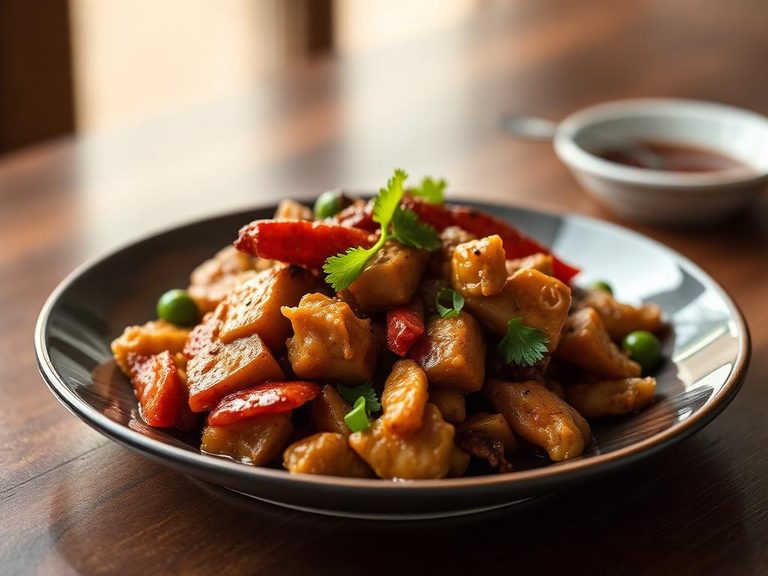
Turkey gizzards are the firm, muscular stomachs of the bird, prized for their dense, chewy texture and deep, savory flavor when properly simmered. Nutritionally, they are a powerhouse of lean protein with virtually no carbohydrates. Their unique, hearty bite makes them a standout in stews and stir-fries.
Calorie split: 72% protein · 0% carbs · 28% fat
↓ Full nutrition💚 Why it's loved
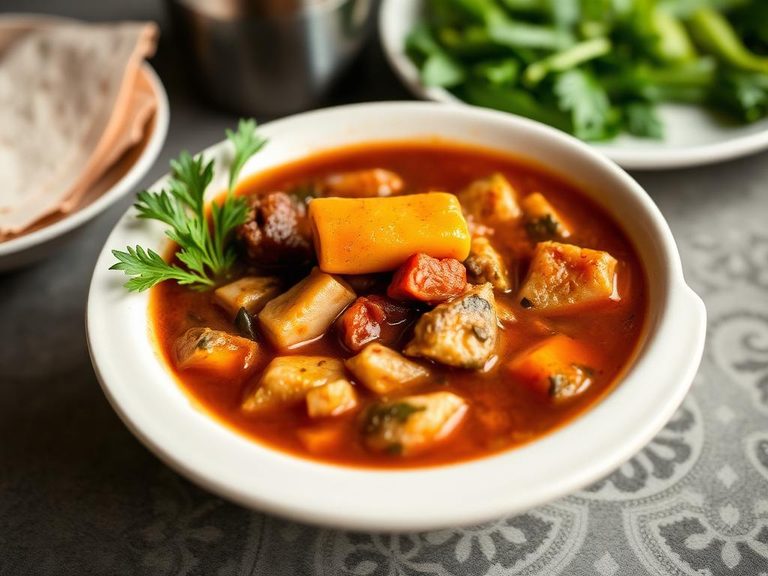
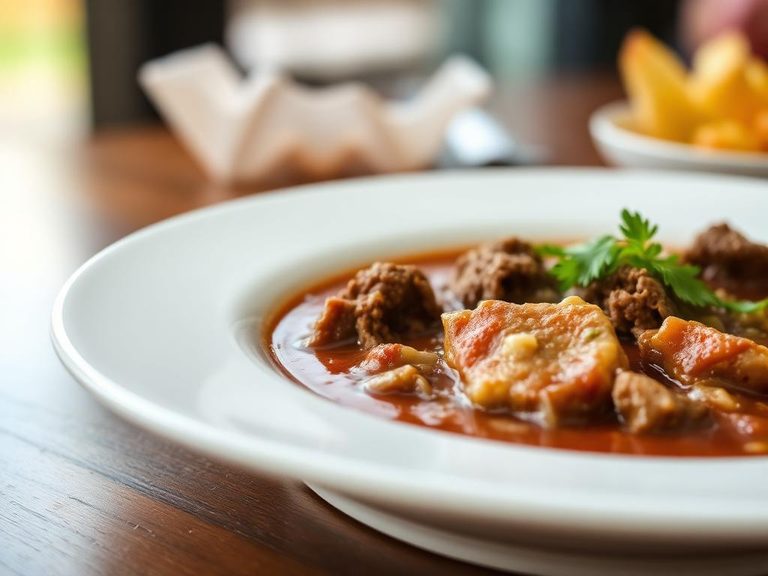
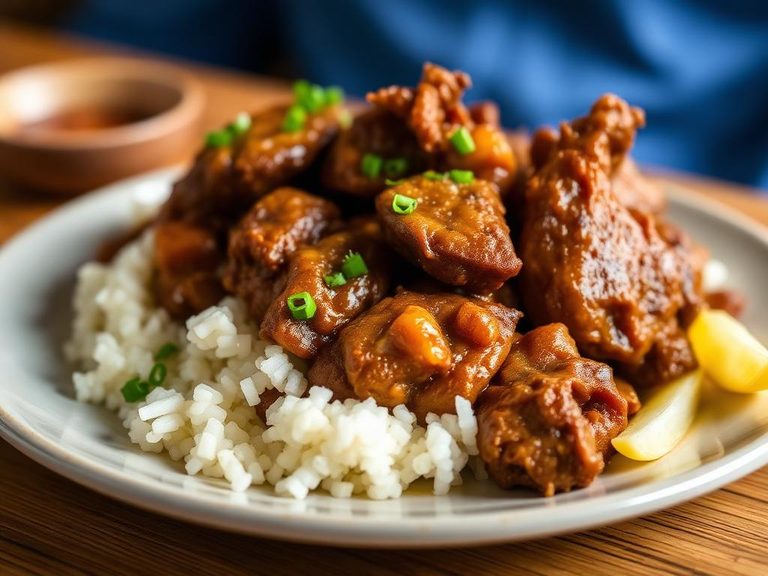
People love turkey gizzards for their satisfyingly firm, meaty chew and ability to absorb rich flavors from broths and seasonings. They are a versatile staple in soul food, Asian, and Latin American cuisines, often featured in comforting, slow-cooked dishes.
⚠️ Watch-outs & how to enjoy it better
Their dense, rubbery texture can be off-putting if overcooked or not prepared with care. To counteract toughness, simmer them slowly in liquid until tender, or slice them thinly against the grain before cooking. They are also high in cholesterol, so individuals monitoring their intake should practice portion control.
Key benefits
- Excellent source of high-quality, lean protein
- Very low in fat and completely carbohydrate-free
- Rich in essential minerals like iron and zinc
- Contains B vitamins, particularly B12 and niacin
- A budget-friendly, nutrient-dense organ meat
🍽️ Popular dishes
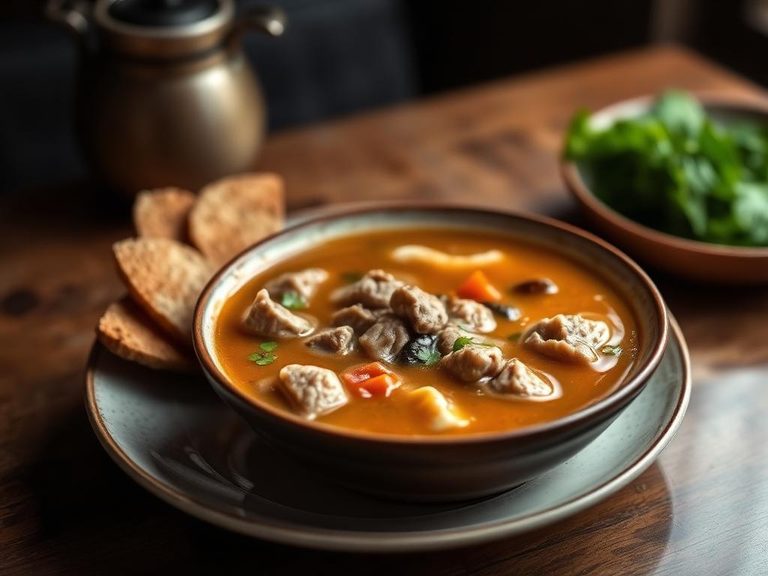
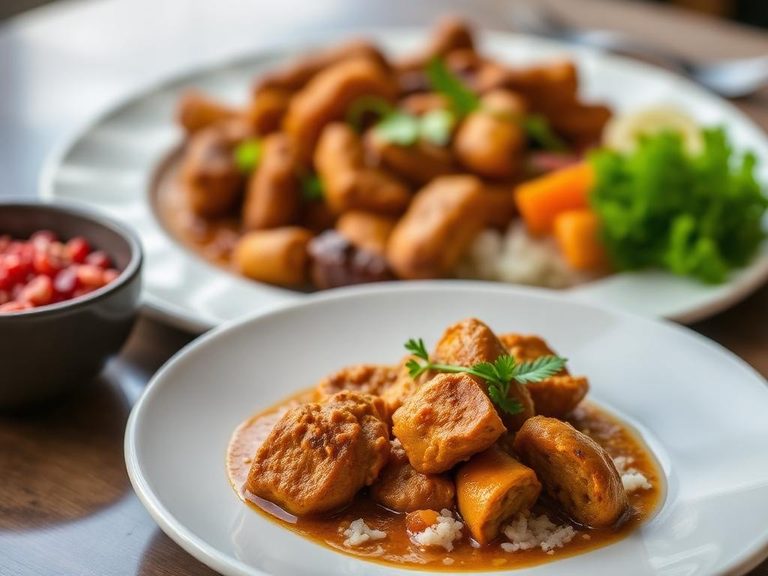
🌍 Where it's eaten
💡 Did you know?
A gizzard doesn't have teeth, but it uses swallowed grit and stones to mechanically grind food, acting as a natural mill.
Full nutrition (USDA data · scales with serving)
| Water | 69.2 g |
| Energy | 155 kcal |
| Energy | 648 kj |
| Protein | 26.4 g |
| Total lipid (fat) | 4.6 g |
| Ash | 0.86 g |
| Carbohydrate, by difference | 0.00 g |
| Fiber, total dietary | 0.00 g |
| Total Sugars | 0.00 g |
| Calcium, Ca | 17.0 mg |
| Iron, Fe | 3.7 mg |
| Magnesium, Mg | 21.0 mg |
| Phosphorus, P | 187 mg |
| Potassium, K | 193 mg |
| Sodium, Na | 127 mg |
| Zinc, Zn | 3.9 mg |
| Copper, Cu | 0.27 mg |
| Manganese, Mn | 0.10 mg |
| Selenium, Se | 44.1 ug |
| Vitamin C, total ascorbic acid | 6.3 mg |
| Thiamin | 0.06 mg |
| Riboflavin | 0.36 mg |
| Niacin | 6.5 mg |
| Pantothenic acid | 0.53 mg |
| Vitamin B-6 | 0.17 mg |
| Folate, total | 13.0 ug |
| Folic acid | 0.00 ug |
| Folate, food | 13.0 ug |
| Folate, DFE | 13.0 ug |
| Choline, total | 82.2 mg |
| Betaine | 1.8 mg |
| Vitamin B-12 | 3.9 ug |
| Vitamin B-12, added | 0.00 ug |
| Vitamin A, RAE | 11.0 ug |
| Retinol | 11.0 ug |
| Carotene, beta | 0.00 ug |
| Carotene, alpha | 0.00 ug |
| Cryptoxanthin, beta | 0.00 ug |
| Vitamin A, IU | 37.0 iu |
| Lycopene | 0.00 ug |
| Lutein + zeaxanthin | 0.00 ug |
| Vitamin E (alpha-tocopherol) | 0.11 mg |
| Vitamin E, added | 0.00 mg |
| Tocopherol, beta | 0.00 mg |
| Tocopherol, gamma | 0.07 mg |
| Tocopherol, delta | 0.00 mg |
| Tocotrienol, alpha | 0.00 mg |
| Tocotrienol, beta | 0.00 mg |
| Tocotrienol, gamma | 0.02 mg |
| Tocotrienol, delta | 0.00 mg |
| Vitamin D (D2 + D3), International Units | 0.00 iu |
| Vitamin D (D2 + D3) | 0.00 ug |
| Vitamin D3 (cholecalciferol) | 0.00 ug |
| Vitamin K (phylloquinone) | 0.00 ug |
| Alcohol, ethyl | 0.00 g |
| Caffeine | 0.00 mg |
| Theobromine | 0.00 mg |
Fat & fatty acid profile (per 100g)
| Fatty acids, total saturated | 1.1 g |
| SFA 4:0 | 0.00 g |
| SFA 6:0 | 0.00 g |
| SFA 8:0 | 0.00 g |
| SFA 10:0 | 0.01 g |
| SFA 12:0 | 0.02 g |
| SFA 14:0 | 0.03 g |
| SFA 15:0 | 0.01 g |
| SFA 16:0 | 0.66 g |
| SFA 17:0 | 0.01 g |
| SFA 18:0 | 0.32 g |
| SFA 20:0 | 0.00 g |
| SFA 22:0 | 0.00 g |
| SFA 24:0 | 0.00 g |
| Fatty acids, total monounsaturated | 1.6 g |
| MUFA 14:1 | 0.00 g |
| MUFA 15:1 | 0.00 g |
| MUFA 16:1 | 0.06 g |
| MUFA 16:1 c | 0.06 g |
| MUFA 17:1 | 0.00 g |
| MUFA 18:1 | 0.73 g |
| MUFA 18:1 c | 0.71 g |
| MUFA 20:1 | 0.01 g |
| MUFA 22:1 | 0.00 g |
| MUFA 22:1 c | 0.00 g |
| MUFA 24:1 c | 0.00 g |
| Fatty acids, total polyunsaturated | 1.4 g |
| PUFA 18:2 | 0.56 g |
| PUFA 18:2 n-6 c,c | 0.56 g |
| PUFA 18:2 CLAs | 0.00 g |
| PUFA 18:3 | 0.02 g |
| PUFA 18:3 n-3 c,c,c (ALA) | 0.02 g |
| PUFA 18:3 n-6 c,c,c | 0.00 g |
| PUFA 18:4 | 0.00 g |
| PUFA 20:2 n-6 c,c | 0.01 g |
| PUFA 20:3 | 0.01 g |
| PUFA 20:3 n-3 | 0.00 g |
| PUFA 20:3 n-6 | 0.01 g |
| PUFA 20:4 | 0.12 g |
| PUFA 20:5 n-3 (EPA) | 0.00 g |
| PUFA 22:4 | 0.03 g |
| PUFA 22:5 n-3 (DPA) | 0.01 g |
| PUFA 22:6 n-3 (DHA) | 0.01 g |
| Fatty acids, total trans | 0.03 g |
| Fatty acids, total trans-monoenoic | 0.02 g |
| TFA 16:1 t | 0.00 g |
| TFA 18:1 t | 0.02 g |
| TFA 22:1 t | 0.00 g |
| TFA 18:2 t not further defined | 0.00 g |
| Fatty acids, total trans-polyenoic | 0.00 g |
| Cholesterol | 452 mg |
Amino acid profile (per 100g)
| Tryptophan | 0.24 g |
| Threonine | 0.79 g |
| Isoleucine | 0.62 g |
| Leucine | 1.6 g |
| Lysine | 1.6 g |
| Methionine | 0.55 g |
| Cystine | 0.25 g |
| Phenylalanine | 0.80 g |
| Tyrosine | 0.69 g |
| Valine | 0.76 g |
| Arginine | 1.3 g |
| Histidine | 0.47 g |
| Alanine | 1.2 g |
| Aspartic acid | 1.7 g |
| Glutamic acid | 2.8 g |
| Glycine | 1.2 g |
| Proline | 1.3 g |
| Serine | 0.93 g |
FAQ
How do you make turkey gizzards tender?
The key is long, slow cooking in liquid. Simmer them in broth, water, or a flavorful sauce for at least 1-1.5 hours until fork-tender. Alternatively, you can use a pressure cooker to reduce the time significantly.
What's the difference between turkey and chicken gizzards?
Turkey gizzards are significantly larger and have a denser, meatier texture than chicken gizzards. Their flavor is also slightly milder, but they require a longer cooking time to become tender.
Are turkey gizzards healthy?
Yes, they are a highly nutritious food. They are an excellent source of protein, low in fat, and rich in iron, zinc, and B vitamins. However, they are also high in cholesterol, so they are best enjoyed as part of a balanced diet.
Nutrient density (calculated · NRF9.3)
Nutrient Rich Foods index: beneficial nutrients (protein, fiber, vitamins, minerals) minus saturated fat, added sugar & sodium, per 100 kcal.
NRF9.3 index — Fulgoni, Keast & Drewnowski, 2009. Computed from USDA nutrients.
Weight-loss friendliness (composite index)
Energy density 1.55 kcal/g · 68% calories from protein · 0.0 g fiber · 0.0 g sugar per 100 g.
Composite of energy density (Rolls et al., 1999), protein & fiber satiety, minus sugar. A calculated heuristic — ranks satiety-per-calorie, not a clinical measure.
Dietary load (calculated from USDA values)
Potential renal acid load. Positive = acid-forming, negative = alkaline-forming.
Sodium-to-potassium ratio: 0.66 (lower is better — aim for ≤ 1)
Sodium:potassium per WHO potassium guidance. Computed from USDA nutrients.