

Onion rings, breaded, par fried, frozen, prepared, heated in oven
Whole food · Vegetables and Vegetable Products
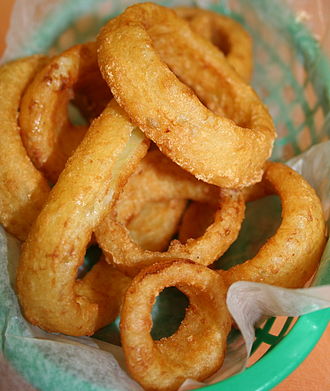
Photo: Wikipedia
These are pre-sliced onions coated in a seasoned batter or breadcrumb mixture, partially fried for structure, then frozen for convenience. When oven-heated, they achieve a satisfying crunch with a sweet, tender onion interior. Nutritionally, they are a carbohydrate and fat-dense snack, providing a moderate energy boost per serving.
Calorie split: 6% protein · 50% carbs · 44% fat
↓ Full nutrition💚 Why it's loved
People love them for their addictive combination of savory, sweet onion flavor and satisfying crunch, often enjoyed as a classic comfort food or side dish. Their versatility makes them a popular pairing with burgers, sandwiches, and dipping sauces.
⚠️ Watch-outs & how to enjoy it better
They can cause blood-sugar spikes due to their high carbohydrate content and low fiber ratio, and the frying process (even par-fried) adds significant fat and calories. To counteract, pair them with a protein-rich food (like grilled chicken or a bean dip) and practice portion control by limiting serving to about 5-6 rings. Choosing a brand with minimal added sodium and ensuring the oven is preheated to a high temperature (425°F/220°C) can help maximize crispness without extra oil.
Key benefits
- Quick and convenient oven-ready snack or side dish
- Provides a source of dietary fiber from the onion
- Offers a satisfying textural contrast of crispy exterior and soft interior
- Can be a palatable way to increase vegetable intake for some individuals
- Consistent portioning and preparation from a frozen state
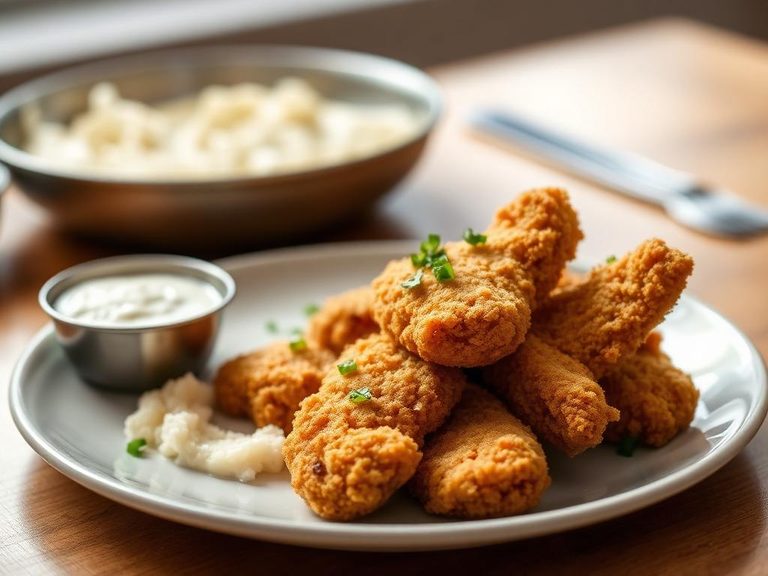
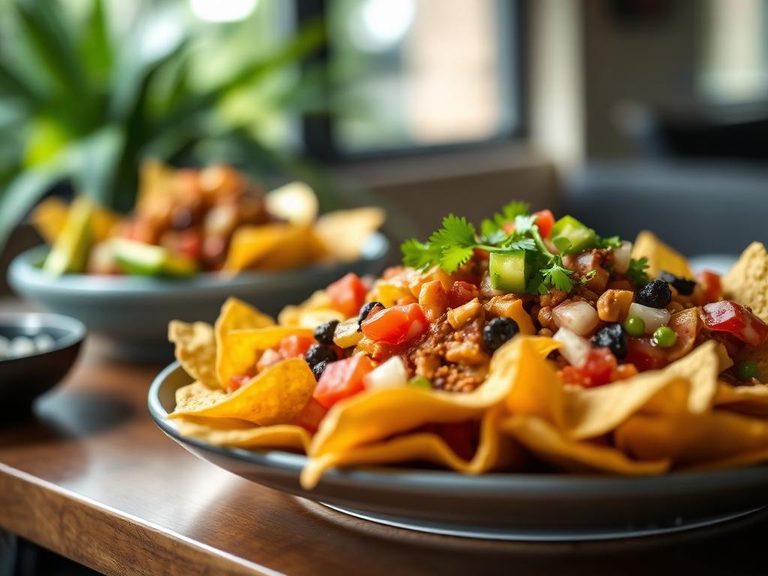
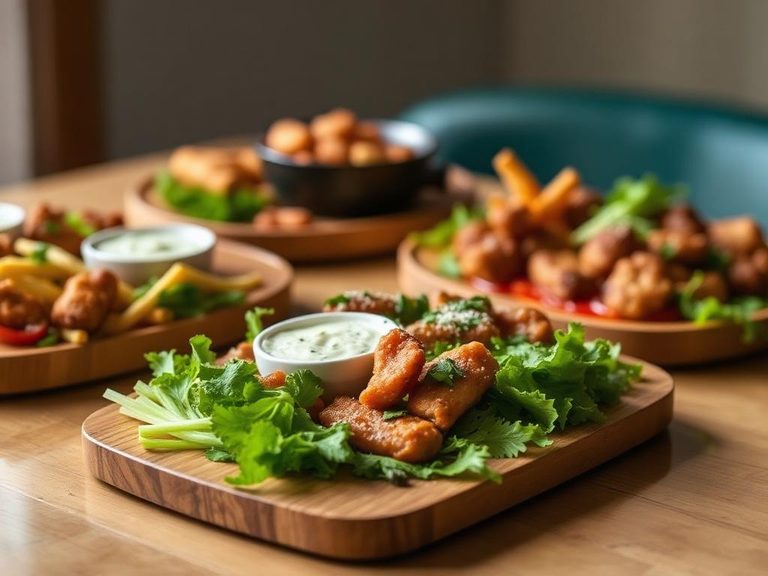
🍽️ Popular dishes
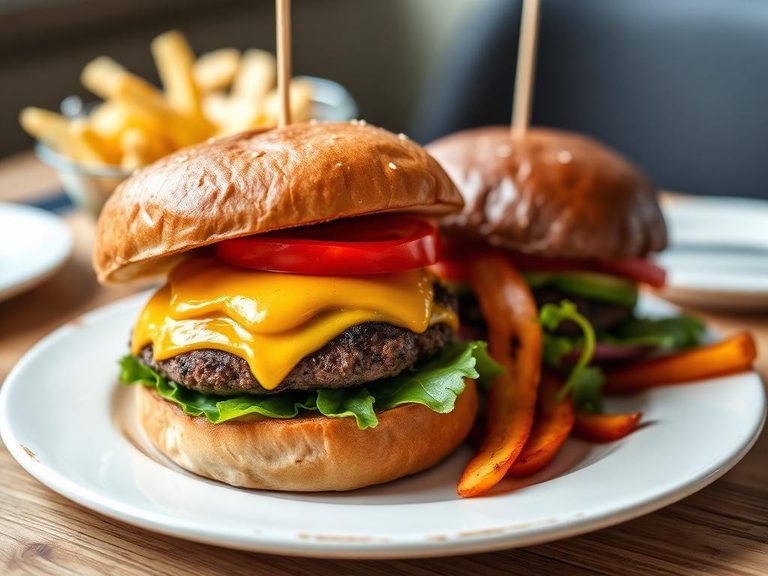
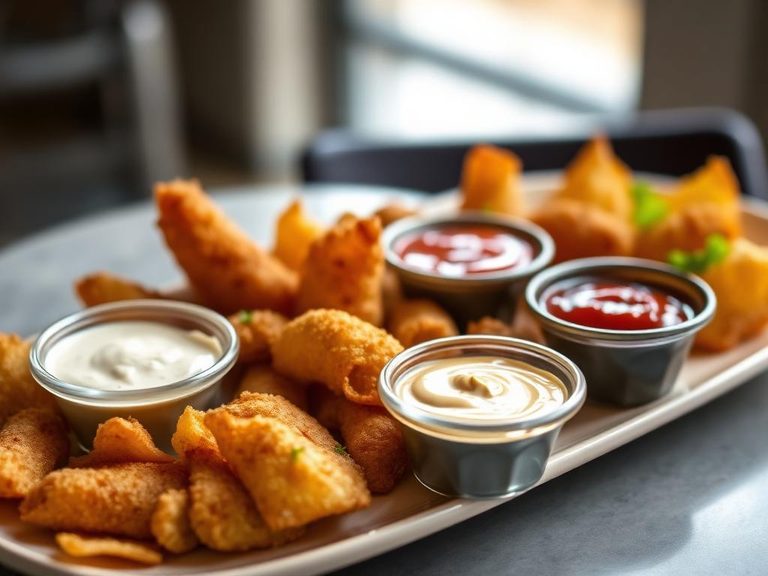
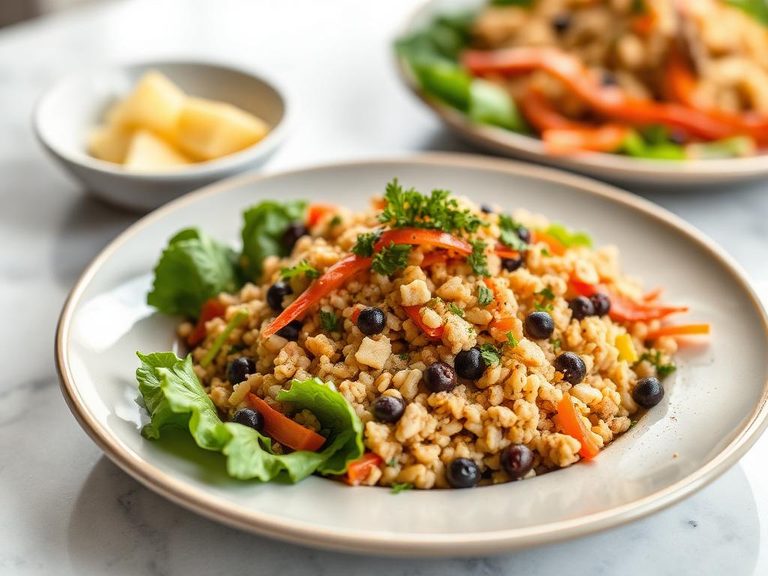
🌍 Where it's eaten
💡 Did you know?
The practice of battering and frying onions is believed to have originated in the United States in the early 20th century, with the first known recipe appearing in a 1910 cookbook.
Full nutrition (USDA data · scales with serving)
| Water | 43.4 g |
| Energy (Atwater General Factors) | 293 kcal |
| Energy (Atwater Specific Factors) | 289 kcal |
| Energy | 288 kcal |
| Energy | 1210 kj |
| Nitrogen | 0.74 g |
| Protein | 4.5 g |
| Total lipid (fat) | 14.4 g |
| Total fat (NLEA) | 12.6 g |
| Ash | 1.4 g |
| Carbohydrate, by difference | 36.3 g |
| Carbohydrate, by summation | 34.0 g |
| Fiber, total dietary | 2.4 g |
| Sugars, Total | 4.5 g |
| Sucrose | 1.3 g |
| Glucose | 1.2 g |
| Fructose | 1.2 g |
| Lactose | 0.03 g |
| Maltose | 0.71 g |
| Galactose | 0.00 g |
| Starch | 27.2 g |
| Calcium, Ca | 28.0 mg |
| Iron, Fe | 1.1 mg |
| Magnesium, Mg | 20.4 mg |
| Phosphorus, P | 75.0 mg |
| Potassium, K | 135 mg |
| Sodium, Na | 374 mg |
| Zinc, Zn | 0.59 mg |
| Copper, Cu | 0.08 mg |
| Manganese, Mn | 0.43 mg |
| Selenium, Se | 5.6 ug |
| Vitamin C, total ascorbic acid | 1.6 mg |
| Thiamin | 0.20 mg |
| Riboflavin | 0.12 mg |
| Niacin | 1.6 mg |
| Pantothenic acid | 0.30 mg |
| Vitamin B-6 | 0.13 mg |
| Folate, total | 31.0 ug |
| Choline, total | 10.7 mg |
| Choline, free | 4.9 mg |
| Choline, from phosphocholine | 0.50 mg |
| Choline, from phosphotidyl choline | 3.3 mg |
| Choline, from glycerophosphocholine | 2.0 mg |
| Choline, from sphingomyelin | 0.00 mg |
| Betaine | 36.4 mg |
| Vitamin E (alpha-tocopherol) | 0.57 mg |
| Tocopherol, beta | 0.98 mg |
| Tocopherol, gamma | 3.5 mg |
| Tocopherol, delta | 2.0 mg |
| Tocotrienol, alpha | 0.00 mg |
| Tocotrienol, beta | 0.20 mg |
| Tocotrienol, gamma | 0.00 mg |
| Tocotrienol, delta | 0.00 mg |
Fat & fatty acid profile (per 100g)
| Fatty acids, total saturated | 2.1 g |
| SFA 4:0 | 0.00 g |
| SFA 6:0 | 0.00 g |
| SFA 8:0 | 0.01 g |
| SFA 10:0 | 0.01 g |
| SFA 11:0 | 0.00 g |
| SFA 12:0 | 0.01 g |
| SFA 14:0 | 0.01 g |
| SFA 15:0 | 0.00 g |
| SFA 16:0 | 1.4 g |
| SFA 17:0 | 0.01 g |
| SFA 18:0 | 0.56 g |
| SFA 20:0 | 0.04 g |
| SFA 22:0 | 0.04 g |
| SFA 24:0 | 0.01 g |
| Fatty acids, total monounsaturated | 2.9 g |
| MUFA 14:1 c | 0.00 g |
| MUFA 15:1 | 0.00 g |
| MUFA 16:1 c | 0.01 g |
| MUFA 17:1 | 0.01 g |
| MUFA 17:1 c | 0.01 g |
| MUFA 18:1 c | 2.8 g |
| MUFA 20:1 | 0.04 g |
| MUFA 20:1 c | 0.04 g |
| MUFA 22:1 c | 0.00 g |
| MUFA 24:1 c | 0.00 g |
| Fatty acids, total polyunsaturated | 7.6 g |
| PUFA 18:2 c | 6.7 g |
| PUFA 18:2 n-6 c,c | 6.7 g |
| PUFA 18:2 CLAs | 0.00 g |
| PUFA 18:3 c | 0.91 g |
| PUFA 18:3 n-3 c,c,c (ALA) | 0.86 g |
| PUFA 18:3 n-6 c,c,c | 0.05 g |
| PUFA 18:3i | 0.00 g |
| PUFA 18:4 | 0.00 g |
| PUFA 20:2 c | 0.00 g |
| PUFA 20:2 n-6 c,c | 0.00 g |
| PUFA 20:3 c | 0.00 g |
| PUFA 20:3 n-3 | 0.00 g |
| PUFA 20:3 n-6 | 0.00 g |
| PUFA 20:3 n-9 | 0.00 g |
| PUFA 20:4 | 0.01 g |
| PUFA 20:4c | 0.01 g |
| PUFA 20:5c | 0.00 g |
| PUFA 20:5 n-3 (EPA) | 0.00 g |
| PUFA 22:2 | 0.00 g |
| PUFA 22:5 c | 0.00 g |
| PUFA 22:4 | 0.00 g |
| PUFA 22:5 n-3 (DPA) | 0.00 g |
| PUFA 22:6 c | 0.00 g |
| PUFA 22:6 n-3 (DHA) | 0.00 g |
| Fatty acids, total trans | 0.04 g |
| Fatty acids, total trans-monoenoic | 0.01 g |
| TFA 16:1 t | 0.00 g |
| TFA 18:1 t | 0.01 g |
| TFA 22:1 t | 0.00 g |
| Fatty acids, total trans-dienoic | 0.03 g |
| TFA 18:2 t not further defined | 0.03 g |
Amino acid profile (per 100g)
Estimated from Onion rings, breaded, par fried, frozen, unprepared — USDA does not publish this profile for Onion rings.
| Tryptophan | 0.04 g |
| Threonine | 0.09 g |
| Isoleucine | 0.13 g |
| Leucine | 0.21 g |
| Lysine | 0.09 g |
| Methionine | 0.05 g |
| Cystine | 0.06 g |
| Phenylalanine | 0.14 g |
| Tyrosine | 0.09 g |
| Valine | 0.13 g |
| Arginine | 0.19 g |
| Histidine | 0.06 g |
| Alanine | 0.10 g |
| Aspartic acid | 0.14 g |
| Glutamic acid | 0.97 g |
| Glycine | 0.12 g |
| Proline | 0.31 g |
| Serine | 0.15 g |
FAQ
Are onion rings a good source of vitamins?
While they contain some vitamin C and B vitamins from the onion, the frying process and breading significantly reduce their nutritional density compared to raw onions. They are more of an energy-dense food than a nutrient-dense one.
How can I make frozen onion rings crispier in the oven?
Preheat the oven to a high temperature (425°F/220°C), spread the rings in a single layer on a baking sheet, and avoid overcrowding. Cooking them on a wire rack over the sheet can also promote air circulation for extra crunch.
Do onion rings contain common allergens?
Yes, they often contain wheat (in the batter or breading) and may be cooked in shared fryers with other allergens like soy or dairy. Always check the product label for specific allergen information.
Nutrient density (calculated · NRF9.3)
Nutrient Rich Foods index: beneficial nutrients (protein, fiber, vitamins, minerals) minus saturated fat, added sugar & sodium, per 100 kcal.
NRF9.3 index — Fulgoni, Keast & Drewnowski, 2009. Computed from USDA nutrients.
Weight-loss friendliness (composite index)
Energy density 2.88 kcal/g · 6% calories from protein · 2.4 g fiber · 0.0 g sugar per 100 g.
Composite of energy density (Rolls et al., 1999), protein & fiber satiety, minus sugar. A calculated heuristic — ranks satiety-per-calorie, not a clinical measure.
Dietary load (calculated from USDA values)
Potential renal acid load. Positive = acid-forming, negative = alkaline-forming.
Sodium-to-potassium ratio: 2.77 (lower is better — aim for ≤ 1)
Sodium:potassium per WHO potassium guidance. Computed from USDA nutrients.