

Beef, composite of trimmed retail cuts, separable lean only, trimmed to 0" fat, select, cooked
Whole food · Beef Products

Photo: Wikipedia
This is pure, lean beef muscle, meticulously trimmed of all visible fat and connective tissue before cooking. The result is a dense, fine-grained texture with a deep, savory beef flavor that is clean and pronounced, without any fatty richness. Nutritionally, it is a powerhouse of complete protein with virtually zero carbohydrates or fat.
Calorie split: 65% protein · 0% carbs · 35% fat
↓ Full nutrition💚 Why it's loved
People love it for its intense, pure beef flavor and firm, satisfying chew, which stands up beautifully to bold marinades and high-heat cooking. Its leanness makes it a versatile canvas for healthy, protein-focused meals across countless cuisines.
⚠️ Watch-outs & how to enjoy it better
Without any fat, it can become dry and tough if overcooked, which is a common pitfall. Those watching their cholesterol or sodium intake should be mindful of preparation methods, as sauces or seasonings can add significant amounts. To counteract dryness, use quick-cooking methods (stir-fry, searing), marinate to add moisture and flavor, and consider slicing against the grain for tenderness.
Key benefits
- Exceptionally high in complete protein for muscle maintenance and growth.
- Very low in total and saturated fat, making it a lean protein source.
- Rich in bioavailable heme iron, crucial for oxygen transport.
- Excellent source of zinc, supporting immune function.
- Contains B vitamins, especially B12, essential for nerve health.
🍽️ Popular dishes
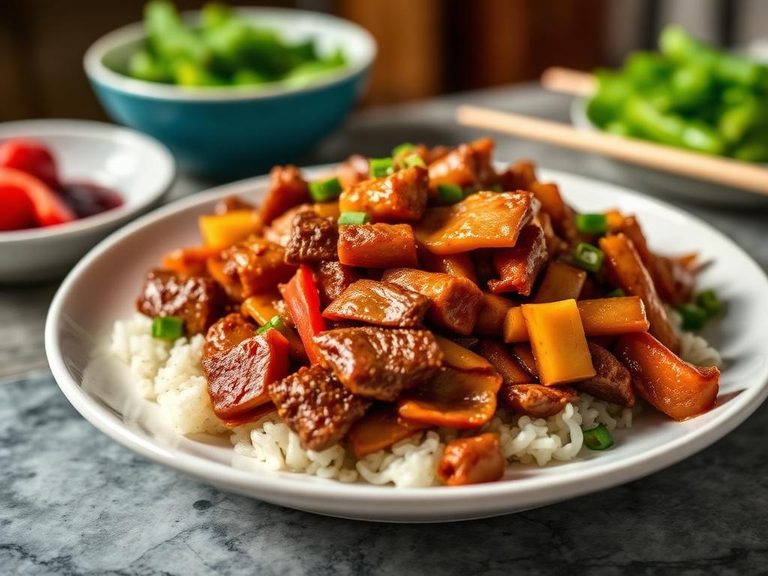
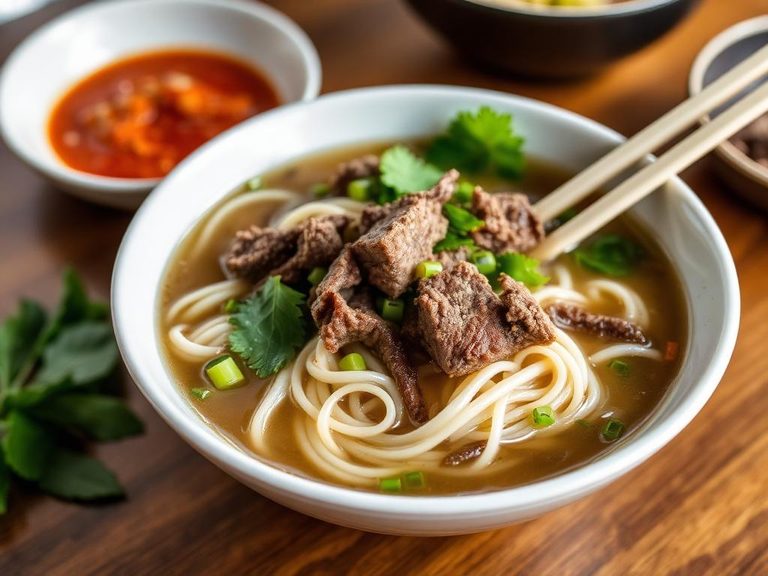
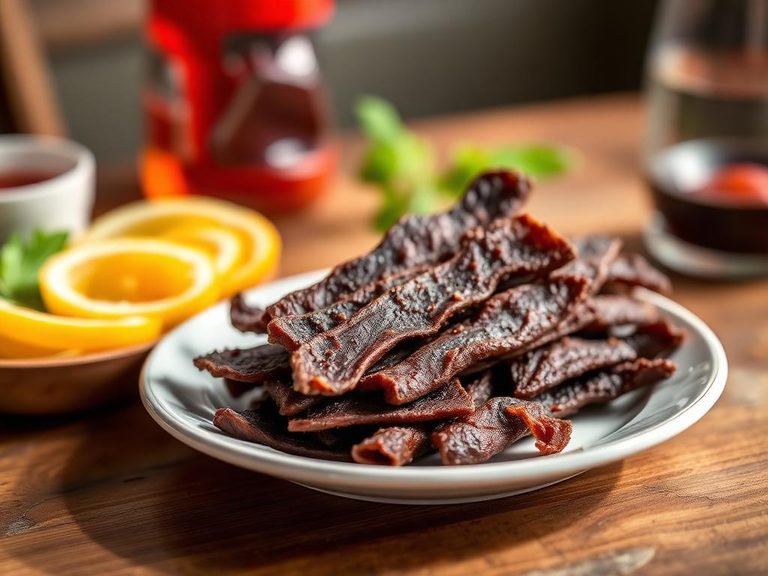
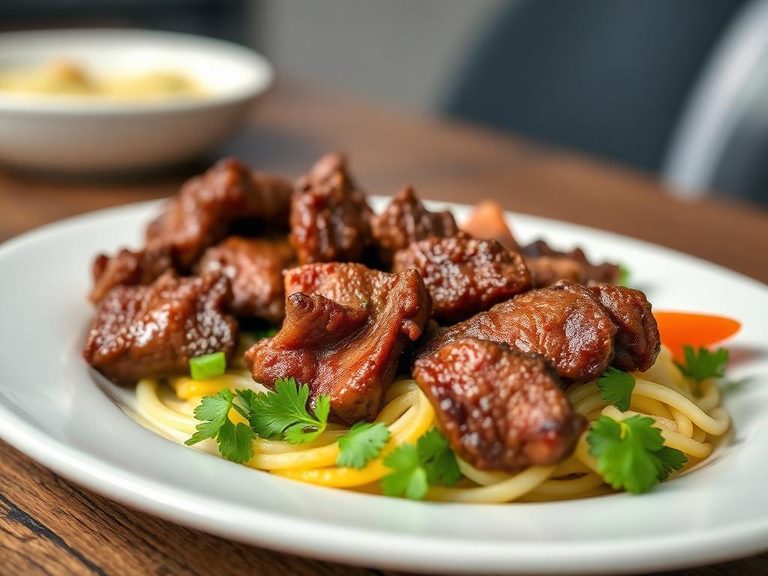
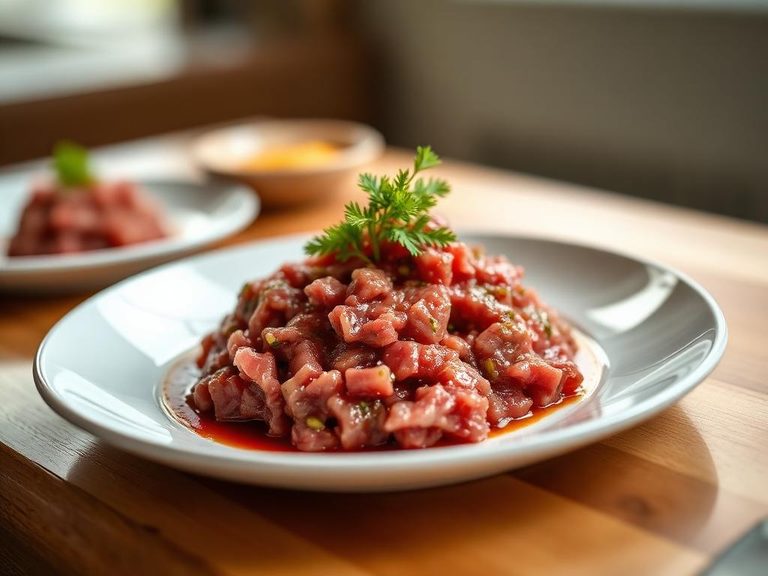
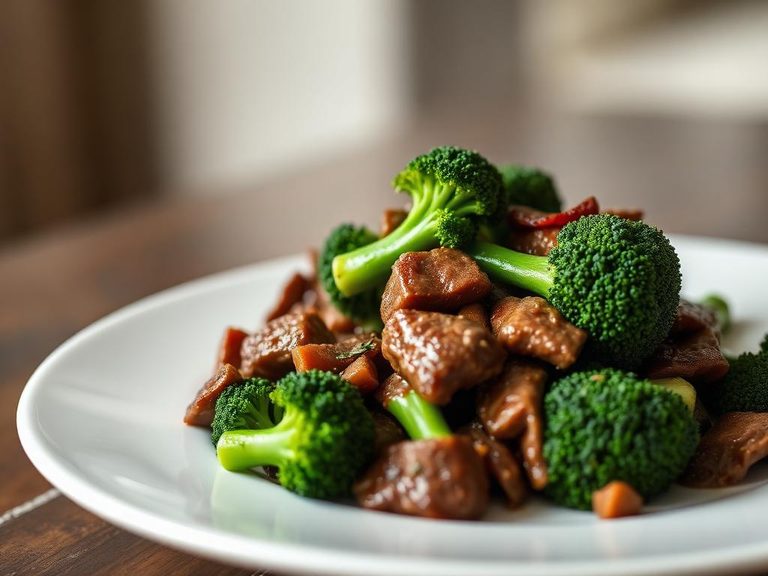
🌍 Where it's eaten
💡 Did you know?
The term 'separable lean only' is a USDA designation meaning the meat has been physically separated from fat and bone, and 'trimmed to 0" fat' indicates all visible fat has been removed, a level of precision rarely achieved in home kitchens.
Full nutrition (USDA data · scales with serving)
| Water | 62.5 g |
| Energy | 188 kcal |
| Energy | 788 kj |
| Protein | 29.9 g |
| Total lipid (fat) | 7.1 g |
| Ash | 1.2 g |
| Carbohydrate, by difference | 0.00 g |
| Fiber, total dietary | 0.00 g |
| Total Sugars | 0.00 g |
| Calcium, Ca | 14.0 mg |
| Iron, Fe | 2.9 mg |
| Magnesium, Mg | 20.0 mg |
| Phosphorus, P | 237 mg |
| Potassium, K | 346 mg |
| Sodium, Na | 64.0 mg |
| Zinc, Zn | 6.8 mg |
| Copper, Cu | 0.10 mg |
| Manganese, Mn | 0.02 mg |
| Selenium, Se | 33.1 ug |
| Vitamin C, total ascorbic acid | 0.00 mg |
| Thiamin | 0.08 mg |
| Riboflavin | 0.30 mg |
| Niacin | 5.9 mg |
| Pantothenic acid | 0.58 mg |
| Vitamin B-6 | 0.57 mg |
| Folate, total | 7.0 ug |
| Folic acid | 0.00 ug |
| Folate, food | 7.0 ug |
| Folate, DFE | 7.0 ug |
| Choline, total | 87.1 mg |
| Betaine | 11.6 mg |
| Vitamin B-12 | 3.0 ug |
| Vitamin B-12, added | 0.00 ug |
| Vitamin A, RAE | 2.0 ug |
| Retinol | 2.0 ug |
| Carotene, beta | 0.00 ug |
| Carotene, alpha | 0.00 ug |
| Cryptoxanthin, beta | 0.00 ug |
| Vitamin A, IU | 6.0 iu |
| Lycopene | 0.00 ug |
| Lutein + zeaxanthin | 0.00 ug |
| Vitamin E (alpha-tocopherol) | 0.20 mg |
| Vitamin E, added | 0.00 mg |
| Tocopherol, beta | 0.00 mg |
| Tocopherol, gamma | 0.00 mg |
| Tocopherol, delta | 0.00 mg |
| Tocotrienol, alpha | 0.00 mg |
| Tocotrienol, beta | 0.00 mg |
| Tocotrienol, gamma | 0.00 mg |
| Tocotrienol, delta | 0.00 mg |
| Vitamin D (D2 + D3), International Units | 2.0 iu |
| Vitamin D (D2 + D3) | 0.10 ug |
| Vitamin D3 (cholecalciferol) | 0.10 ug |
| Vitamin K (phylloquinone) | 1.4 ug |
| Vitamin K (Dihydrophylloquinone) | 0.00 ug |
| Vitamin K (Menaquinone-4) | 0.20 ug |
| Alcohol, ethyl | 0.00 g |
| Caffeine | 0.00 mg |
| Theobromine | 0.00 mg |
Fat & fatty acid profile (per 100g)
| Fatty acids, total saturated | 2.7 g |
| SFA 4:0 | 0.00 g |
| SFA 6:0 | 0.00 g |
| SFA 8:0 | 0.00 g |
| SFA 10:0 | 0.00 g |
| SFA 12:0 | 0.00 g |
| SFA 14:0 | 0.18 g |
| SFA 15:0 | 0.01 g |
| SFA 16:0 | 1.5 g |
| SFA 17:0 | 0.06 g |
| SFA 18:0 | 0.89 g |
| SFA 20:0 | 0.00 g |
| SFA 22:0 | 0.00 g |
| SFA 24:0 | 0.00 g |
| Fatty acids, total monounsaturated | 3.2 g |
| MUFA 14:1 | 0.03 g |
| MUFA 15:1 | 0.00 g |
| MUFA 16:1 | 0.22 g |
| MUFA 17:1 | 0.04 g |
| MUFA 18:1 | 2.9 g |
| MUFA 18:1 c | 1.9 g |
| MUFA 18:1-11 t (18:1t n-7) | 0.07 g |
| MUFA 20:1 | 0.01 g |
| MUFA 22:1 | 0.00 g |
| Fatty acids, total polyunsaturated | 0.40 g |
| PUFA 18:2 | 0.32 g |
| PUFA 18:2 n-6 c,c | 0.23 g |
| PUFA 18:2 CLAs | 0.02 g |
| PUFA 18:3 | 0.01 g |
| PUFA 18:3 n-3 c,c,c (ALA) | 0.01 g |
| PUFA 18:3 n-6 c,c,c | 0.00 g |
| PUFA 18:4 | 0.00 g |
| PUFA 20:2 n-6 c,c | 0.00 g |
| PUFA 20:3 | 0.01 g |
| PUFA 20:3 n-6 | 0.01 g |
| PUFA 20:4 | 0.05 g |
| PUFA 20:5 n-3 (EPA) | 0.00 g |
| PUFA 22:5 n-3 (DPA) | 0.01 g |
| PUFA 22:6 n-3 (DHA) | 0.00 g |
| Fatty acids, total trans | 0.26 g |
| Fatty acids, total trans-monoenoic | 0.25 g |
| TFA 18:1 t | 0.24 g |
| TFA 18:2 t not further defined | 0.01 g |
| TFA 18:2 t,t | 0.01 g |
| Fatty acids, total trans-polyenoic | 0.01 g |
| Cholesterol | 89.0 mg |
Amino acid profile (per 100g)
| Tryptophan | 0.33 g |
| Threonine | 1.4 g |
| Isoleucine | 1.5 g |
| Leucine | 2.7 g |
| Lysine | 3.0 g |
| Methionine | 0.87 g |
| Cystine | 0.35 g |
| Phenylalanine | 1.3 g |
| Tyrosine | 1.2 g |
| Valine | 1.6 g |
| Arginine | 2.1 g |
| Histidine | 1.1 g |
| Alanine | 1.9 g |
| Aspartic acid | 3.0 g |
| Glutamic acid | 5.2 g |
| Glycine | 1.5 g |
| Proline | 1.4 g |
| Serine | 1.3 g |
| Hydroxyproline | 0.19 g |
FAQ
What's the best way to cook this lean beef without it becoming dry?
Use high-heat, quick-cooking methods like stir-frying, searing, or broiling. Marinating beforehand helps tenderize and add moisture. Always avoid overcooking; remove it from heat just before it reaches your desired doneness as it will continue to cook.
Is this the same as 'extra lean' ground beef?
Not exactly. This is whole muscle trim, while ground beef is mechanically processed. However, the fat percentage is comparable. This whole-muscle cut will have a different texture and is better suited for dishes where you want distinct pieces of meat.
Can I use this for slow cooking or braising?
It's not ideal. Slow cooking methods require some fat and connective tissue (collagen) to break down and keep the meat moist. This ultra-lean cut will likely become stringy and dry in a slow cooker. It's best for fast, high-heat applications.
Nutrient density (calculated · NRF9.3)
Nutrient Rich Foods index: beneficial nutrients (protein, fiber, vitamins, minerals) minus saturated fat, added sugar & sodium, per 100 kcal.
NRF9.3 index — Fulgoni, Keast & Drewnowski, 2009. Computed from USDA nutrients.
Weight-loss friendliness (composite index)
Energy density 1.88 kcal/g · 64% calories from protein · 0.0 g fiber · 0.0 g sugar per 100 g.
Composite of energy density (Rolls et al., 1999), protein & fiber satiety, minus sugar. A calculated heuristic — ranks satiety-per-calorie, not a clinical measure.
Dietary load (calculated from USDA values)
Potential renal acid load. Positive = acid-forming, negative = alkaline-forming.
Sodium-to-potassium ratio: 0.18 (lower is better — aim for ≤ 1)
Sodium:potassium per WHO potassium guidance. Computed from USDA nutrients.