

Beef, ground, 80% lean meat / 20% fat, patty, cooked, pan-broiled
Whole food · Beef Products
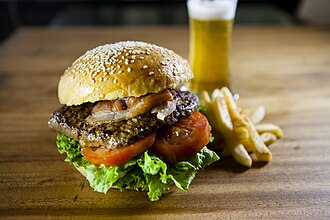
Photo: Wikipedia
This is a classic, juicy beef patty, pan-broiled to a savory, caramelized crust with a tender, meaty interior. Its 80/20 lean-to-fat ratio is the gold standard for flavor and moisture, delivering a rich, beefy taste without being overly greasy. Nutritionally, it's a powerhouse of complete protein with virtually zero carbohydrates.
Calorie split: 40% protein · 0% carbs · 60% fat
↓ Full nutrition💚 Why it's loved
People adore it for the fundamental, satisfying flavor of seared beef and the juicy texture that the fat content ensures. It's the ultimate canvas for culinary creativity, from a simple salt-and-pepper patty to a gourmet creation, and sits at the heart of global comfort food culture.
⚠️ Watch-outs & how to enjoy it better
The high saturated fat content is a consideration for those managing heart health or cholesterol. To mitigate this, enjoy it in moderation as part of a balanced diet, and pair it with fiber-rich vegetables like a side salad or steamed broccoli to aid digestion and nutrient balance. Choose leaner grinds (e.g., 90/10) for more frequent consumption.
Key benefits
- Excellent source of high-quality, complete protein for muscle maintenance.
- Rich in bioavailable heme iron, which is crucial for energy and red blood cells.
- Provides essential minerals like zinc and selenium for immune function.
- Zero carbohydrates, making it suitable for ketogenic and low-carb diets.
🍽️ Popular dishes
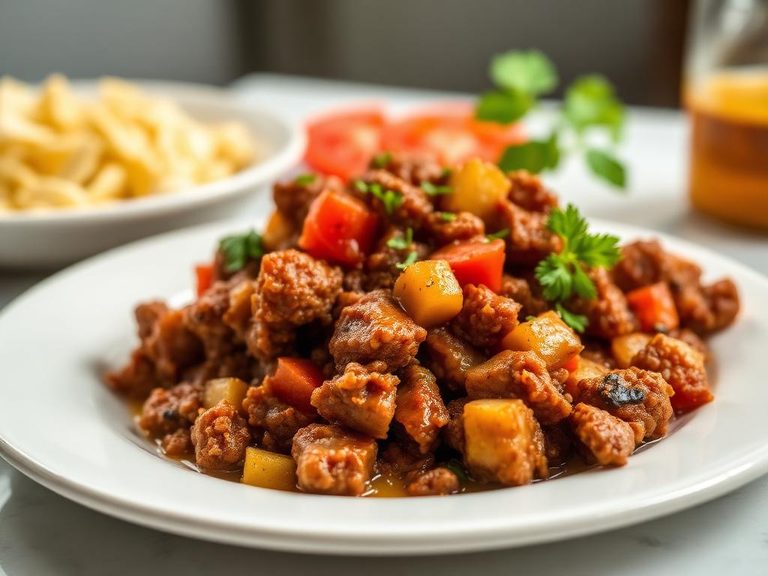
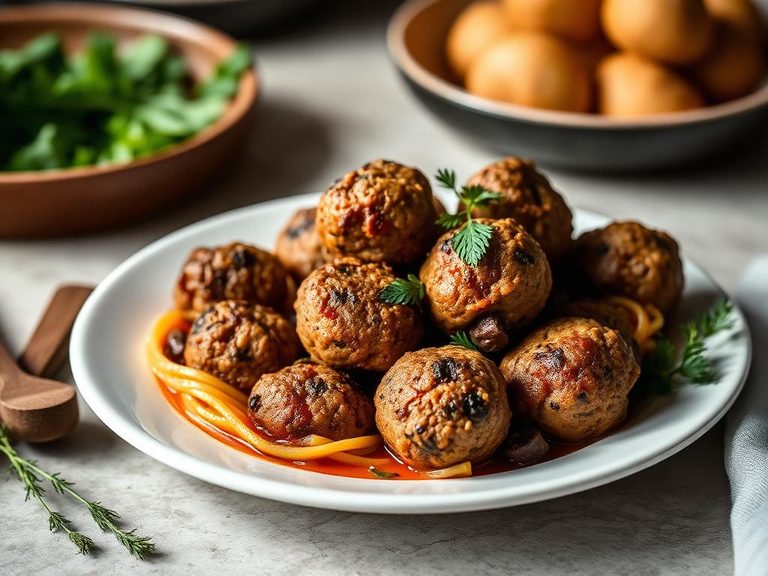
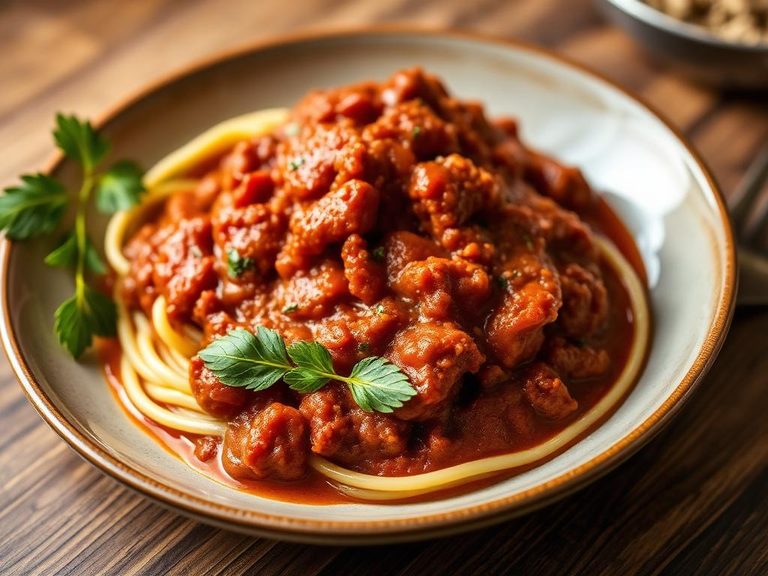
🌍 Where it's eaten
💡 Did you know?
The Maillard reaction, which creates the patty's flavorful brown crust, begins to occur at around 300°F (150°C) and is responsible for the complex, savory notes we associate with grilled or pan-fried meat.
Full nutrition (USDA data · scales with serving)
| Water | 59.1 g |
| Energy | 246 kcal |
| Energy | 1031 kj |
| Protein | 24.0 g |
| Total lipid (fat) | 15.9 g |
| Ash | 1.1 g |
| Carbohydrate, by difference | 0.00 g |
| Fiber, total dietary | 0.00 g |
| Total Sugars | 0.00 g |
| Calcium, Ca | 26.0 mg |
| Iron, Fe | 2.6 mg |
| Magnesium, Mg | 21.0 mg |
| Phosphorus, P | 205 mg |
| Potassium, K | 335 mg |
| Sodium, Na | 83.0 mg |
| Zinc, Zn | 6.1 mg |
| Copper, Cu | 0.08 mg |
| Manganese, Mn | 0.01 mg |
| Selenium, Se | 19.9 ug |
| Vitamin C, total ascorbic acid | 0.00 mg |
| Thiamin | 0.04 mg |
| Riboflavin | 0.18 mg |
| Niacin | 5.5 mg |
| Pantothenic acid | 0.61 mg |
| Vitamin B-6 | 0.36 mg |
| Folate, total | 9.0 ug |
| Folic acid | 0.00 ug |
| Folate, food | 9.0 ug |
| Folate, DFE | 9.0 ug |
| Choline, total | 75.5 mg |
| Betaine | 8.4 mg |
| Vitamin B-12 | 2.8 ug |
| Vitamin B-12, added | 0.00 ug |
| Vitamin A, RAE | 3.0 ug |
| Retinol | 3.0 ug |
| Carotene, beta | 0.00 ug |
| Carotene, alpha | 0.00 ug |
| Cryptoxanthin, beta | 0.00 ug |
| Vitamin A, IU | 10.0 iu |
| Lycopene | 0.00 ug |
| Lutein + zeaxanthin | 0.00 ug |
| Vitamin E (alpha-tocopherol) | 0.13 mg |
| Vitamin E, added | 0.00 mg |
| Vitamin D (D2 + D3), International Units | 2.0 iu |
| Vitamin D (D2 + D3) | 0.00 ug |
| Vitamin D3 (cholecalciferol) | 0.00 ug |
| Vitamin K (phylloquinone) | 1.5 ug |
| Vitamin K (Dihydrophylloquinone) | 0.00 ug |
| Alcohol, ethyl | 0.00 g |
| Caffeine | 0.00 mg |
| Theobromine | 0.00 mg |
Fat & fatty acid profile (per 100g)
| Fatty acids, total saturated | 6.0 g |
| SFA 4:0 | 0.00 g |
| SFA 6:0 | 0.00 g |
| SFA 8:0 | 0.00 g |
| SFA 10:0 | 0.00 g |
| SFA 12:0 | 0.01 g |
| SFA 14:0 | 0.43 g |
| SFA 15:0 | 0.07 g |
| SFA 16:0 | 3.3 g |
| SFA 17:0 | 0.17 g |
| SFA 18:0 | 1.8 g |
| SFA 20:0 | 0.01 g |
| Fatty acids, total monounsaturated | 7.0 g |
| MUFA 14:1 | 0.12 g |
| MUFA 16:1 | 0.53 g |
| MUFA 17:1 | 0.14 g |
| MUFA 18:1 | 5.7 g |
| MUFA 20:1 | 0.05 g |
| MUFA 22:1 | 0.00 g |
| Fatty acids, total polyunsaturated | 0.46 g |
| PUFA 18:2 | 0.36 g |
| PUFA 18:3 | 0.01 g |
| PUFA 18:3 n-6 c,c,c | 0.01 g |
| PUFA 18:4 | 0.00 g |
| PUFA 20:4 | 0.04 g |
| PUFA 20:5 n-3 (EPA) | 0.00 g |
| PUFA 22:5 n-3 (DPA) | 0.00 g |
| PUFA 22:6 n-3 (DHA) | 0.00 g |
| Fatty acids, total trans | 0.83 g |
| Fatty acids, total trans-monoenoic | 0.83 g |
| TFA 18:1 t | 0.83 g |
| Cholesterol | 84.0 mg |
Amino acid profile (per 100g)
| Tryptophan | 0.12 g |
| Threonine | 0.93 g |
| Isoleucine | 1.1 g |
| Leucine | 1.9 g |
| Lysine | 2.0 g |
| Methionine | 0.62 g |
| Cystine | 0.25 g |
| Phenylalanine | 0.94 g |
| Tyrosine | 0.74 g |
| Valine | 1.2 g |
| Arginine | 1.6 g |
| Histidine | 0.78 g |
| Alanine | 1.5 g |
| Aspartic acid | 2.2 g |
| Glutamic acid | 3.6 g |
| Glycine | 1.6 g |
| Proline | 1.2 g |
| Serine | 0.96 g |
FAQ
Why does my 80/20 patty shrink so much when cooked?
The 20% fat renders out during cooking, and the muscle proteins contract, squeezing out moisture. This can cause a patty to lose up to 25% of its weight. To minimize shrinkage, avoid overworking the meat when forming patties and don't press down on them while cooking.
Is it safe to eat a cooked beef patty that's slightly pink in the middle?
According to USDA guidelines, ground beef should be cooked to an internal temperature of 160°F (71°C) to ensure harmful bacteria are destroyed. At this temperature, the center will generally be brown and no longer pink. A slight pink hue can sometimes persist due to myoglobin, but food safety is best ensured with a meat thermometer.
How can I keep my pan-broiled patties from becoming dry and tough?
The key is not to overcook them. Cook over medium-high heat, flip only once, and remove from the pan just before it reaches your desired doneness, as it will continue to cook while resting. Letting the patty rest for 3-5 minutes after cooking allows the juices to redistribute throughout the meat.
Nutrient density (calculated · NRF9.3)
Nutrient Rich Foods index: beneficial nutrients (protein, fiber, vitamins, minerals) minus saturated fat, added sugar & sodium, per 100 kcal.
NRF9.3 index — Fulgoni, Keast & Drewnowski, 2009. Computed from USDA nutrients.
Weight-loss friendliness (composite index)
Energy density 2.46 kcal/g · 39% calories from protein · 0.0 g fiber · 0.0 g sugar per 100 g.
Composite of energy density (Rolls et al., 1999), protein & fiber satiety, minus sugar. A calculated heuristic — ranks satiety-per-calorie, not a clinical measure.
Dietary load (calculated from USDA values)
Potential renal acid load. Positive = acid-forming, negative = alkaline-forming.
Sodium-to-potassium ratio: 0.25 (lower is better — aim for ≤ 1)
Sodium:potassium per WHO potassium guidance. Computed from USDA nutrients.