

Beef, ground, unspecified fat content, cooked
Whole food · Beef Products
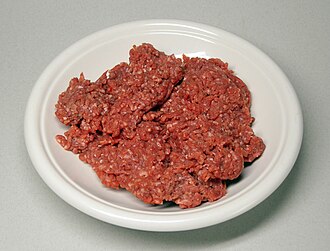
Photo: Wikipedia
Ground beef is the culinary workhorse of kitchens worldwide, offering a rich, savory, and slightly mineral flavor with a texture that ranges from tender to satisfyingly crumbly depending on the cook. Nutritionally, it's a powerhouse of complete protein and provides essential nutrients like iron and B12, though its fat content is a key variable in its profile. This versatility makes it the foundation for countless comfort foods, from sizzling burgers to hearty sauces.
Calorie split: 43% protein · 1% carbs · 56% fat
↓ Full nutrition💚 Why it's loved
People adore ground beef for its deep, umami-rich flavor and unparalleled ability to absorb and meld with a vast array of spices and sauces. Its cultural ubiquity means it's tied to beloved comfort foods across generations, from American cheeseburgers to Italian ragù and Mexican tacos.
⚠️ Watch-outs & how to enjoy it better
Higher-fat ground beef can be calorie-dense and high in saturated fat, which some individuals may need to moderate for heart health. To counteract this, opt for leaner grinds (90/10 or leaner), drain excess fat after cooking, and balance meals with fiber-rich vegetables and whole grains. Additionally, ensure it's cooked thoroughly to a safe internal temperature of 160°F (71°C) to eliminate any foodborne pathogens.
Key benefits
- Excellent source of high-quality, complete protein
- Rich in bioavailable heme iron, crucial for energy
- Provides essential vitamin B12 for nerve function
- Contains zinc, supporting immune health
- A versatile base for countless nutrient-dense meals
🍽️ Popular dishes
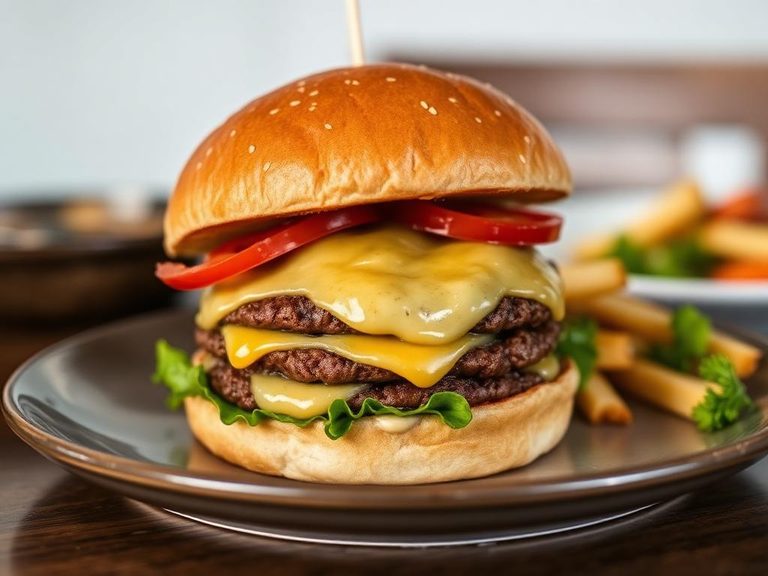
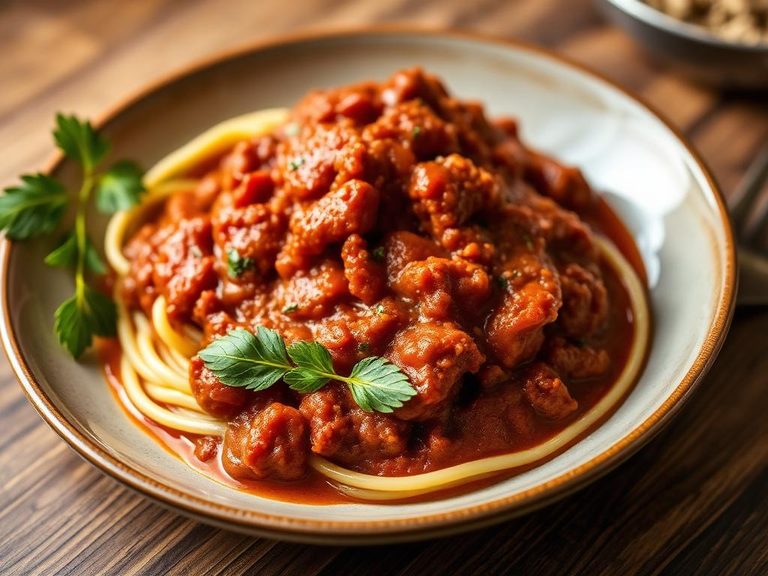
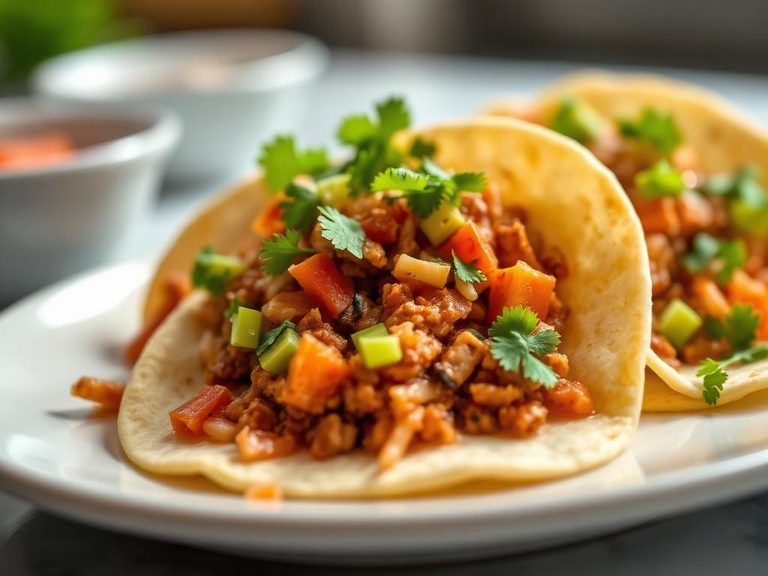
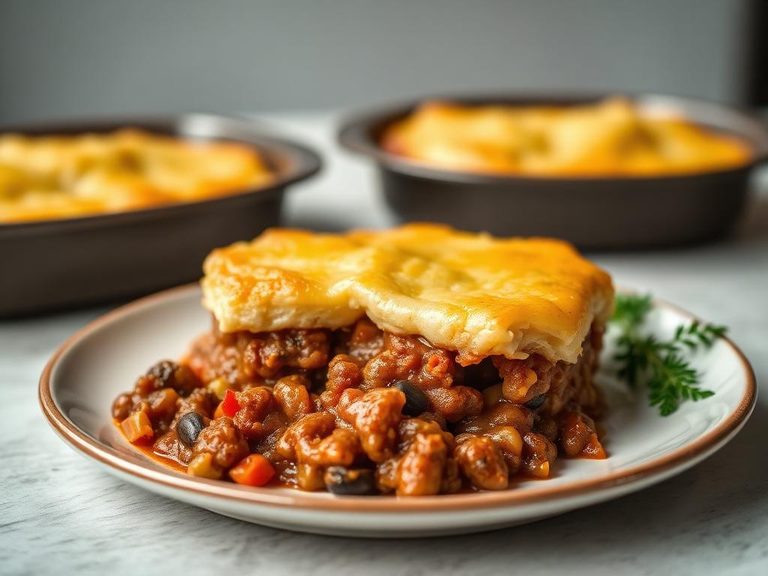
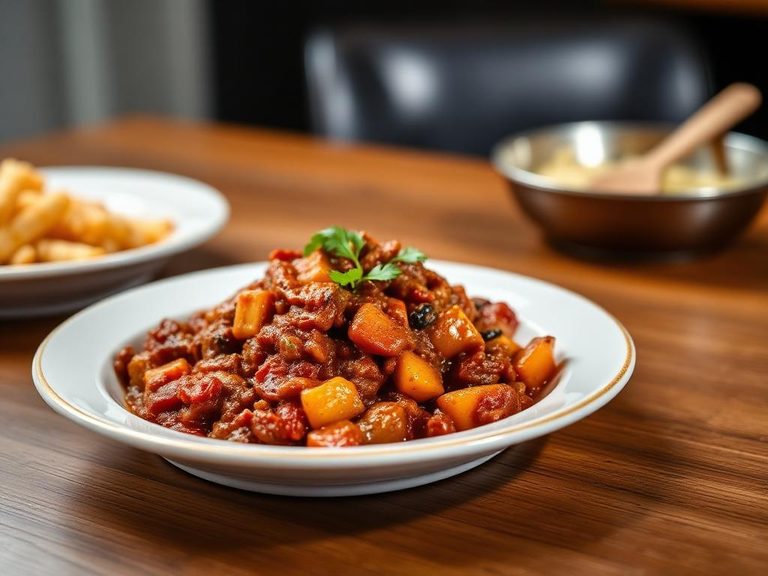
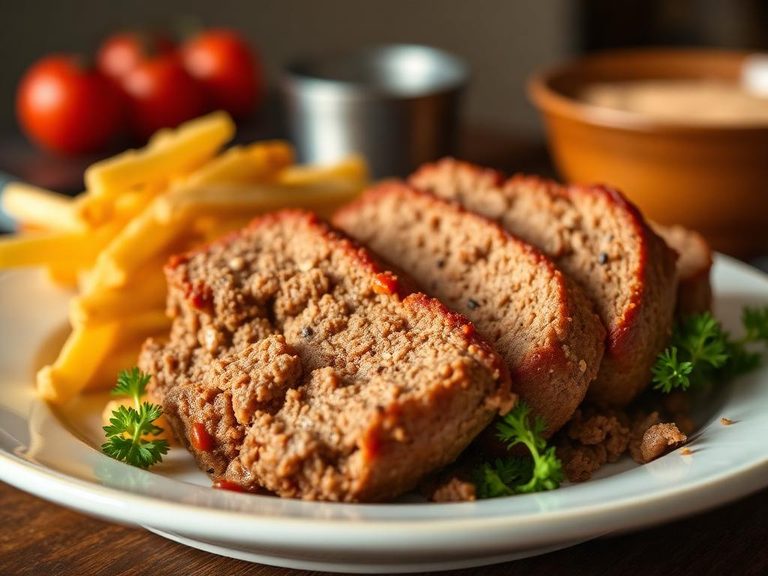
🌍 Where it's eaten
💡 Did you know?
The term 'hamburger' likely derives not from the city of Hamburg, but from 'Hamburg steak,' a dish of minced beef brought to the US by German immigrants in the 19th century.
Full nutrition (USDA data · scales with serving)
| Water | 58.7 g |
| Energy | 240 kcal |
| Energy | 1006 kj |
| Protein | 25.1 g |
| Total lipid (fat) | 14.5 g |
| Ash | 1.1 g |
| Carbohydrate, by difference | 0.62 g |
| Fiber, total dietary | 0.00 g |
| Total Sugars | 0.00 g |
| Calcium, Ca | 25.0 mg |
| Iron, Fe | 2.7 mg |
| Magnesium, Mg | 22.0 mg |
| Phosphorus, P | 213 mg |
| Potassium, K | 353 mg |
| Sodium, Na | 85.0 mg |
| Zinc, Zn | 6.2 mg |
| Copper, Cu | 0.08 mg |
| Manganese, Mn | 0.01 mg |
| Selenium, Se | 20.5 ug |
| Fluoride, F | 22.3 ug |
| Vitamin C, total ascorbic acid | 0.00 mg |
| Thiamin | 0.04 mg |
| Riboflavin | 0.18 mg |
| Niacin | 5.7 mg |
| Pantothenic acid | 0.68 mg |
| Vitamin B-6 | 0.38 mg |
| Folate, total | 9.0 ug |
| Folic acid | 0.00 ug |
| Folate, food | 9.0 ug |
| Folate, DFE | 9.0 ug |
| Choline, total | 81.0 mg |
| Betaine | 8.0 mg |
| Vitamin B-12 | 2.7 ug |
| Vitamin B-12, added | 0.00 ug |
| Vitamin A, RAE | 7.0 ug |
| Retinol | 7.0 ug |
| Carotene, beta | 0.00 ug |
| Carotene, alpha | 0.00 ug |
| Cryptoxanthin, beta | 0.00 ug |
| Vitamin A, IU | 22.0 iu |
| Lycopene | 0.00 ug |
| Lutein + zeaxanthin | 0.00 ug |
| Vitamin E (alpha-tocopherol) | 0.43 mg |
| Vitamin E, added | 0.00 mg |
| Vitamin D (D2 + D3), International Units | 8.0 iu |
| Vitamin D (D2 + D3) | 0.20 ug |
| Vitamin D3 (cholecalciferol) | 0.20 ug |
| Vitamin K (phylloquinone) | 1.7 ug |
| Vitamin K (Dihydrophylloquinone) | 0.00 ug |
| Alcohol, ethyl | 0.00 g |
| Caffeine | 0.00 mg |
| Theobromine | 0.00 mg |
Fat & fatty acid profile (per 100g)
| Fatty acids, total saturated | 5.6 g |
| SFA 4:0 | 0.00 g |
| SFA 6:0 | 0.00 g |
| SFA 8:0 | 0.00 g |
| SFA 10:0 | 0.00 g |
| SFA 12:0 | 0.01 g |
| SFA 14:0 | 0.42 g |
| SFA 15:0 | 0.07 g |
| SFA 16:0 | 3.2 g |
| SFA 17:0 | 0.16 g |
| SFA 18:0 | 1.8 g |
| SFA 20:0 | 0.01 g |
| SFA 22:0 | 0.00 g |
| Fatty acids, total monounsaturated | 6.4 g |
| MUFA 14:1 | 0.11 g |
| MUFA 15:1 | 0.00 g |
| MUFA 16:1 | 0.53 g |
| MUFA 17:1 | 0.10 g |
| MUFA 18:1 | 5.6 g |
| MUFA 20:1 | 0.05 g |
| MUFA 22:1 | 0.00 g |
| Fatty acids, total polyunsaturated | 0.49 g |
| PUFA 18:2 | 0.34 g |
| PUFA 18:3 | 0.05 g |
| PUFA 18:3 n-3 c,c,c (ALA) | 0.04 g |
| PUFA 18:3 n-6 c,c,c | 0.01 g |
| PUFA 18:4 | 0.00 g |
| PUFA 20:2 n-6 c,c | 0.00 g |
| PUFA 20:3 | 0.00 g |
| PUFA 20:4 | 0.04 g |
| PUFA 20:5 n-3 (EPA) | 0.00 g |
| PUFA 22:5 n-3 (DPA) | 0.02 g |
| PUFA 22:6 n-3 (DHA) | 0.00 g |
| Cholesterol | 84.0 mg |
Amino acid profile (per 100g)
| Tryptophan | 0.28 g |
| Threonine | 1.2 g |
| Isoleucine | 1.2 g |
| Leucine | 2.1 g |
| Lysine | 2.4 g |
| Methionine | 0.68 g |
| Cystine | 0.25 g |
| Phenylalanine | 1.0 g |
| Tyrosine | 0.93 g |
| Valine | 1.3 g |
| Arginine | 1.7 g |
| Histidine | 0.92 g |
| Alanine | 1.6 g |
| Aspartic acid | 2.4 g |
| Glutamic acid | 4.1 g |
| Glycine | 1.2 g |
| Proline | 1.1 g |
| Serine | 1.0 g |
| Hydroxyproline | 0.40 g |
FAQ
What's the difference between ground beef, ground chuck, and ground sirloin?
These terms refer to the cut of meat. Ground chuck comes from the shoulder (typically 15-20% fat, great for burgers). Ground sirloin is from the hip (leaner, ~10% fat). 'Ground beef' can be a blend from various cuts, with fat content specified (e.g., 80/20).
How can I reduce the grease when cooking ground beef?
After browning, drain the meat in a colander and rinse briefly with hot water (this also removes some sodium if pre-seasoned). Alternatively, use a leaner grind (90/10 or leaner) or blot the cooked meat with paper towels.
Is ground beef safe to eat pink in the middle?
For safety, ground beef should always be cooked to an internal temperature of 160°F (71°C), as recommended by the USDA. Unlike a whole steak, bacteria are mixed throughout ground meat during processing.
Nutrient density (calculated · NRF9.3)
Nutrient Rich Foods index: beneficial nutrients (protein, fiber, vitamins, minerals) minus saturated fat, added sugar & sodium, per 100 kcal.
NRF9.3 index — Fulgoni, Keast & Drewnowski, 2009. Computed from USDA nutrients.
Weight-loss friendliness (composite index)
Energy density 2.40 kcal/g · 42% calories from protein · 0.0 g fiber · 0.0 g sugar per 100 g.
Composite of energy density (Rolls et al., 1999), protein & fiber satiety, minus sugar. A calculated heuristic — ranks satiety-per-calorie, not a clinical measure.
Dietary load (calculated from USDA values)
Potential renal acid load. Positive = acid-forming, negative = alkaline-forming.
Sodium-to-potassium ratio: 0.24 (lower is better — aim for ≤ 1)
Sodium:potassium per WHO potassium guidance. Computed from USDA nutrients.