

Turkey, all classes, liver, cooked, simmered
Whole food · Poultry Products

Photo: Wikipedia
Turkey liver, when simmered, transforms into a rich, mineral-dense morsel with a smooth, slightly creamy texture and a deep, savory flavor that's more delicate than beef liver. It's a nutritional powerhouse, delivering a massive 27 grams of protein per 100g with virtually no carbohydrates, making it a top-tier choice for low-carb and carnivore diets.
Calorie split: 59% protein · 0% carbs · 41% fat
↓ Full nutrition💚 Why it's loved
People cherish it for its robust, earthy flavor that's milder than other livers, and its ability to absorb sauces and seasonings beautifully. It's a beloved ingredient in comfort food traditions, often featured in quick skillet meals or as a nutrient boost in gravies and stuffings.
⚠️ Watch-outs & how to enjoy it better
The strong, mineral-rich taste can be off-putting to some, and its high cholesterol content warrants caution for individuals managing specific dietary restrictions. To counteract the intense flavor, soak sliced liver in milk or buttermilk for 1-2 hours before cooking, which mellows it significantly. For cholesterol concerns, practice portion control and balance it with fiber-rich vegetables.
Key benefits
- Exceptionally high in complete protein for muscle repair and satiety
- One of the best dietary sources of bioavailable heme iron, crucial for energy
- Rich in vitamin B12, essential for nerve function and red blood cell formation
- Contains significant amounts of selenium and copper for antioxidant defense
- Naturally low in calories while being highly nutrient-dense
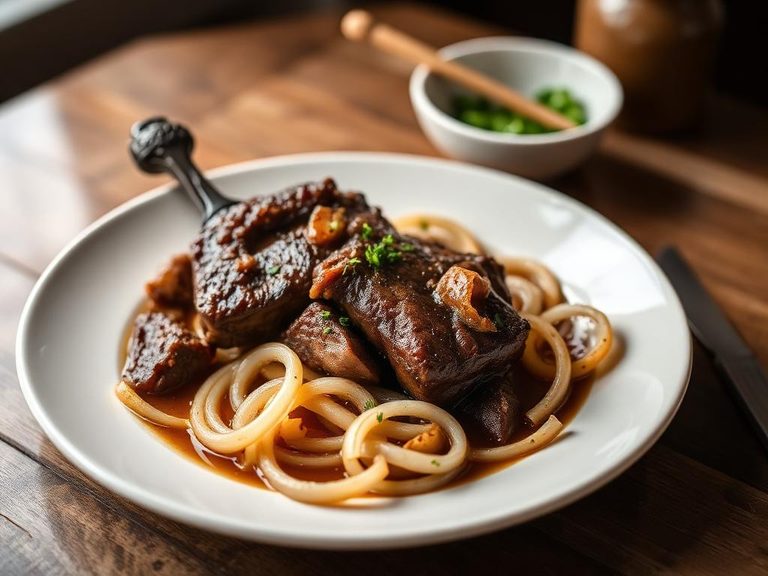
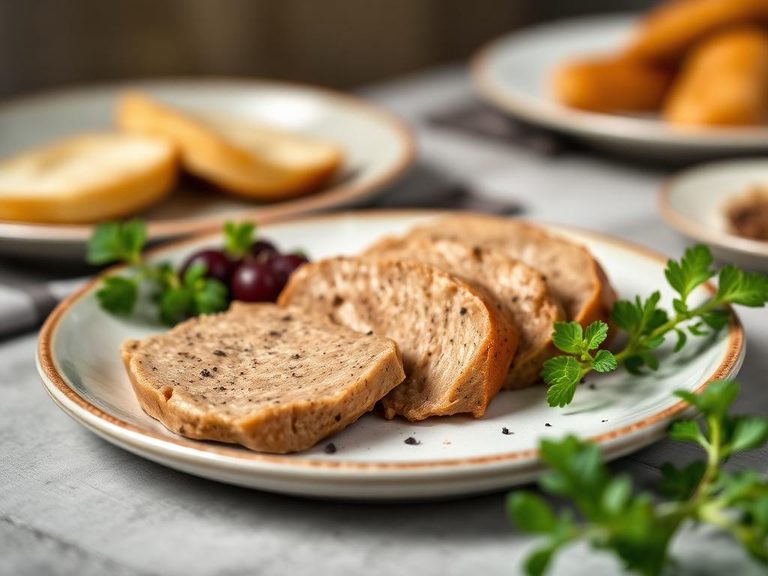
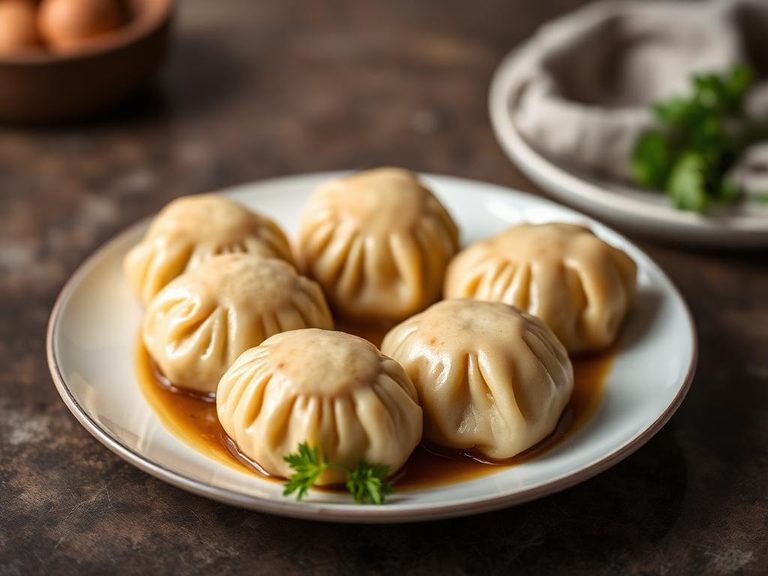
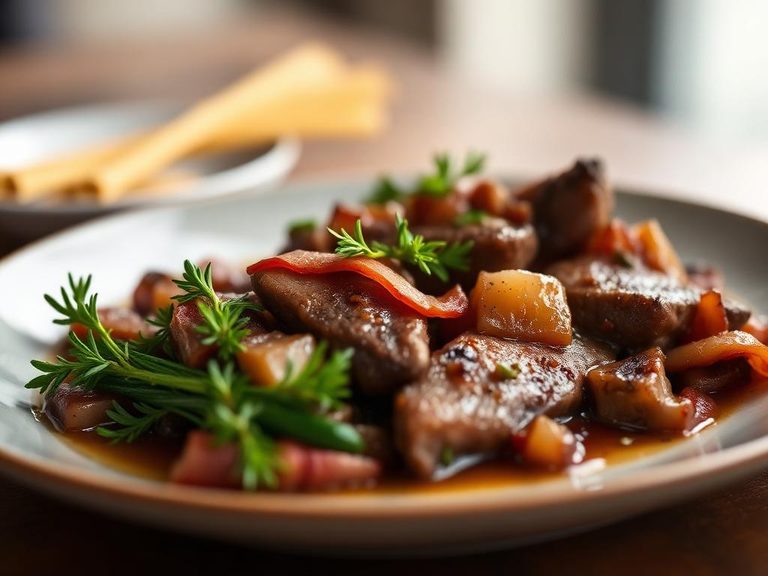
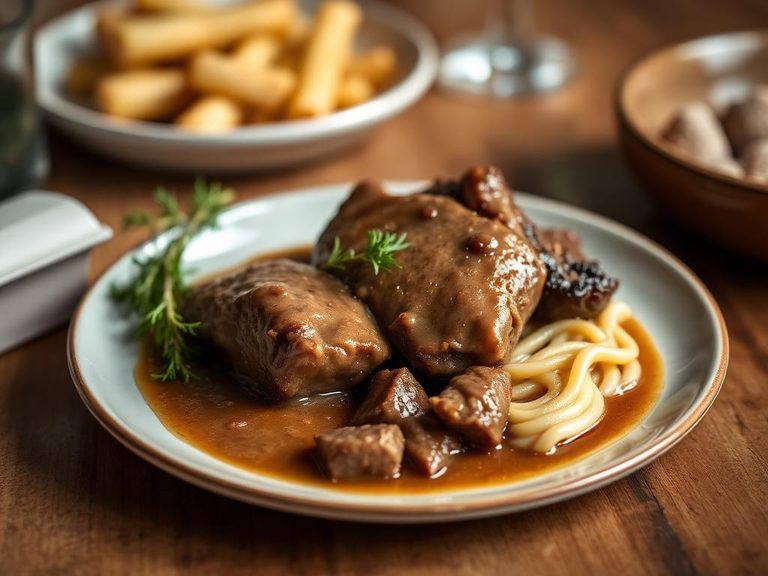
🍽️ Popular dishes
🌍 Where it's eaten
💡 Did you know?
Turkey liver is a more sustainable and often milder-tasting alternative to chicken liver in many recipes, and it's a key ingredient in traditional holiday gravies for using the entire bird.
Full nutrition (USDA data · scales with serving)
| Water | 64.0 g |
| Energy | 189 kcal |
| Energy | 791 kj |
| Protein | 27.0 g |
| Total lipid (fat) | 8.2 g |
| Ash | 1.5 g |
| Carbohydrate, by difference | 0.00 g |
| Fiber, total dietary | 0.00 g |
| Total Sugars | 0.00 g |
| Calcium, Ca | 19.0 mg |
| Iron, Fe | 1.8 mg |
| Magnesium, Mg | 26.0 mg |
| Phosphorus, P | 312 mg |
| Potassium, K | 153 mg |
| Sodium, Na | 98.0 mg |
| Zinc, Zn | 4.5 mg |
| Copper, Cu | 1.0 mg |
| Manganese, Mn | 0.33 mg |
| Selenium, Se | 102 ug |
| Vitamin C, total ascorbic acid | 22.6 mg |
| Thiamin | 0.26 mg |
| Riboflavin | 2.7 mg |
| Niacin | 11.1 mg |
| Pantothenic acid | 4.3 mg |
| Vitamin B-6 | 0.88 mg |
| Folate, total | 691 ug |
| Folic acid | 0.00 ug |
| Folate, food | 691 ug |
| Folate, DFE | 691 ug |
| Choline, total | 220 mg |
| Betaine | 2.4 mg |
| Vitamin B-12 | 28.2 ug |
| Vitamin B-12, added | 0.00 ug |
| Vitamin A, RAE | 10751 ug |
| Retinol | 10751 ug |
| Carotene, beta | 0.00 ug |
| Carotene, alpha | 0.00 ug |
| Cryptoxanthin, beta | 0.00 ug |
| Vitamin A, IU | 35836 iu |
| Lycopene | 0.00 ug |
| Lutein + zeaxanthin | 0.00 ug |
| Vitamin E (alpha-tocopherol) | 0.15 mg |
| Vitamin E, added | 0.00 mg |
| Tocopherol, beta | 0.02 mg |
| Tocopherol, gamma | 0.07 mg |
| Tocopherol, delta | 0.00 mg |
| Tocotrienol, alpha | 0.00 mg |
| Tocotrienol, beta | 0.00 mg |
| Tocotrienol, gamma | 0.03 mg |
| Tocotrienol, delta | 0.00 mg |
| Vitamin K (phylloquinone) | 0.00 ug |
| Alcohol, ethyl | 0.00 g |
| Caffeine | 0.00 mg |
| Theobromine | 0.00 mg |
Fat & fatty acid profile (per 100g)
| Fatty acids, total saturated | 2.3 g |
| SFA 4:0 | 0.00 g |
| SFA 6:0 | 0.00 g |
| SFA 8:0 | 0.00 g |
| SFA 10:0 | 0.01 g |
| SFA 12:0 | 0.01 g |
| SFA 14:0 | 0.02 g |
| SFA 15:0 | 0.01 g |
| SFA 16:0 | 1.0 g |
| SFA 17:0 | 0.02 g |
| SFA 18:0 | 1.2 g |
| SFA 20:0 | 0.01 g |
| SFA 22:0 | 0.00 g |
| SFA 24:0 | 0.00 g |
| Fatty acids, total monounsaturated | 1.0 g |
| MUFA 14:1 | 0.00 g |
| MUFA 15:1 | 0.00 g |
| MUFA 16:1 | 0.05 g |
| MUFA 16:1 c | 0.05 g |
| MUFA 17:1 | 0.00 g |
| MUFA 18:1 | 0.95 g |
| MUFA 18:1 c | 0.91 g |
| MUFA 20:1 | 0.03 g |
| MUFA 22:1 | 0.00 g |
| MUFA 22:1 c | 0.00 g |
| MUFA 24:1 c | 0.00 g |
| Fatty acids, total polyunsaturated | 2.2 g |
| PUFA 18:2 | 1.5 g |
| PUFA 18:2 n-6 c,c | 1.5 g |
| PUFA 18:2 CLAs | 0.00 g |
| PUFA 18:3 | 0.04 g |
| PUFA 18:3 n-3 c,c,c (ALA) | 0.03 g |
| PUFA 18:3 n-6 c,c,c | 0.00 g |
| PUFA 18:4 | 0.01 g |
| PUFA 20:2 n-6 c,c | 0.01 g |
| PUFA 20:3 | 0.02 g |
| PUFA 20:3 n-3 | 0.00 g |
| PUFA 20:3 n-6 | 0.02 g |
| PUFA 20:4 | 0.49 g |
| PUFA 20:5 n-3 (EPA) | 0.02 g |
| PUFA 22:4 | 0.03 g |
| PUFA 22:5 n-3 (DPA) | 0.02 g |
| PUFA 22:6 n-3 (DHA) | 0.05 g |
| Fatty acids, total trans | 0.06 g |
| Fatty acids, total trans-monoenoic | 0.04 g |
| TFA 16:1 t | 0.00 g |
| TFA 18:1 t | 0.04 g |
| TFA 22:1 t | 0.00 g |
| TFA 18:2 t not further defined | 0.01 g |
| Fatty acids, total trans-polyenoic | 0.01 g |
| Cholesterol | 648 mg |
Amino acid profile (per 100g)
| Tryptophan | 0.29 g |
| Threonine | 0.98 g |
| Isoleucine | 0.77 g |
| Leucine | 1.9 g |
| Lysine | 2.0 g |
| Methionine | 0.68 g |
| Cystine | 0.31 g |
| Phenylalanine | 0.99 g |
| Tyrosine | 0.85 g |
| Valine | 0.95 g |
| Arginine | 1.6 g |
| Histidine | 0.59 g |
| Alanine | 1.5 g |
| Aspartic acid | 2.1 g |
| Glutamic acid | 3.5 g |
| Glycine | 1.5 g |
| Proline | 1.6 g |
| Serine | 1.2 g |
FAQ
How does turkey liver taste compared to chicken liver?
Turkey liver generally has a milder, less metallic flavor and a slightly firmer, less crumbly texture than chicken liver, making it a good entry point for those new to organ meats.
Is it safe to eat turkey liver rare?
No, like all poultry, turkey liver should be cooked thoroughly to an internal temperature of 165°F (74°C) to eliminate any risk of foodborne pathogens like Salmonella.
What's the best way to cook it to avoid toughness?
Cook it quickly over high heat. Sauté thin slices for just 2-3 minutes per side until browned but still pink in the very center. Overcooking is the primary cause of a tough, chalky texture.
Nutrient density (calculated · NRF9.3)
Nutrient Rich Foods index: beneficial nutrients (protein, fiber, vitamins, minerals) minus saturated fat, added sugar & sodium, per 100 kcal.
NRF9.3 index — Fulgoni, Keast & Drewnowski, 2009. Computed from USDA nutrients.
Weight-loss friendliness (composite index)
Energy density 1.89 kcal/g · 57% calories from protein · 0.0 g fiber · 0.0 g sugar per 100 g.
Composite of energy density (Rolls et al., 1999), protein & fiber satiety, minus sugar. A calculated heuristic — ranks satiety-per-calorie, not a clinical measure.
Dietary load (calculated from USDA values)
Potential renal acid load. Positive = acid-forming, negative = alkaline-forming.
Sodium-to-potassium ratio: 0.64 (lower is better — aim for ≤ 1)
Sodium:potassium per WHO potassium guidance. Computed from USDA nutrients.