

Turkey, all classes, heart, cooked, simmered
Whole food · Poultry Products

Photo: Wikipedia
Turkey heart is a dense, iron-rich organ meat with a firm, slightly chewy texture and a deep, savory flavor reminiscent of lean dark meat. When simmered, it becomes tender while retaining a satisfying bite, offering a concentrated source of high-quality protein and essential minerals like selenium and B vitamins.
Calorie split: 60% protein · 0% carbs · 40% fat
↓ Full nutrition💚 Why it's loved
People appreciate its robust, meaty flavor that stands up well to bold seasonings and slow-cooking methods, making it a versatile and nutrient-dense addition to stews and broths. It's also valued in various culinary traditions as an affordable, sustainable source of high-quality nutrition.
⚠️ Watch-outs & how to enjoy it better
The strong, mineral-forward taste and firmer texture can be off-putting to those unfamiliar with organ meats. To counteract this, start by incorporating it into strongly flavored dishes like chili or curry, or grind it into meatballs or pâté to mellow its character. Those managing gout may need to moderate intake due to its purine content.
Key benefits
- Excellent source of complete protein for muscle maintenance.
- Rich in heme iron, which is highly bioavailable.
- Provides significant amounts of selenium and B vitamins, especially B12.
- Naturally low in carbohydrates and sugars.
🍽️ Popular dishes
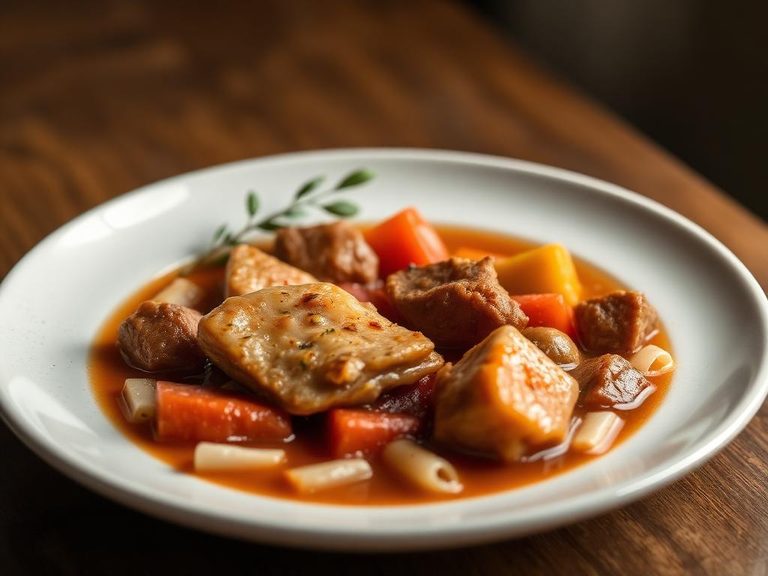
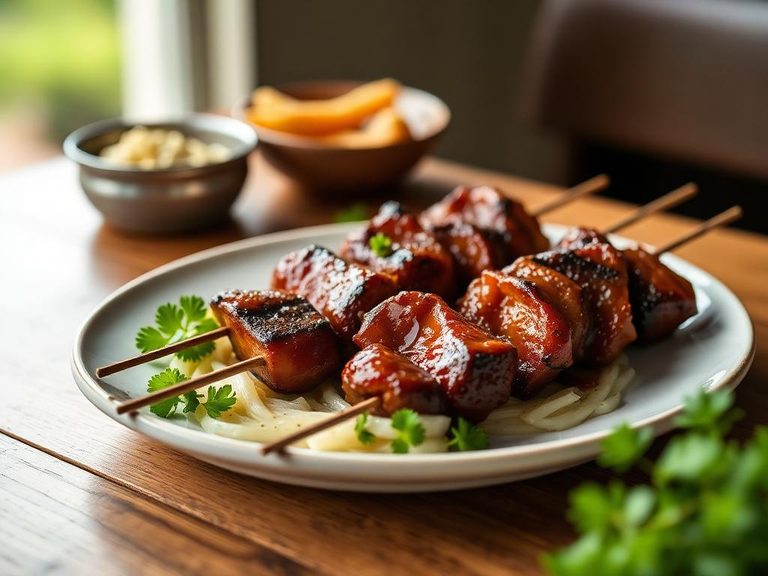
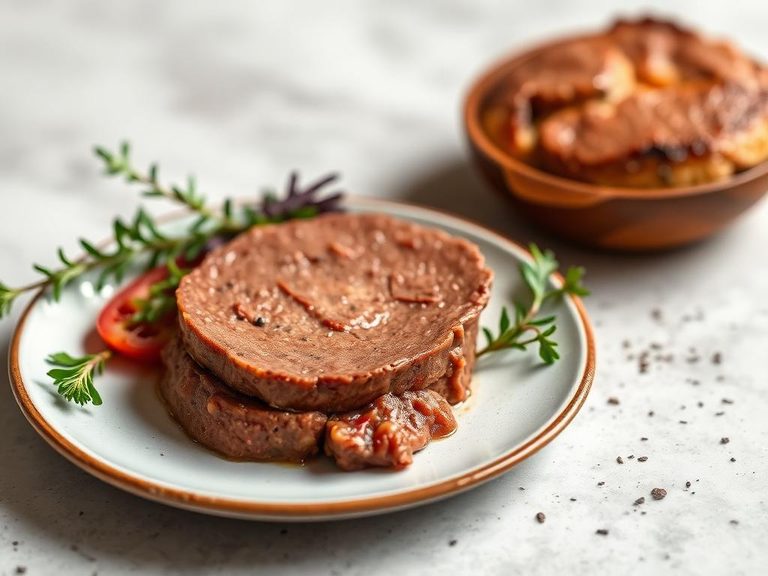
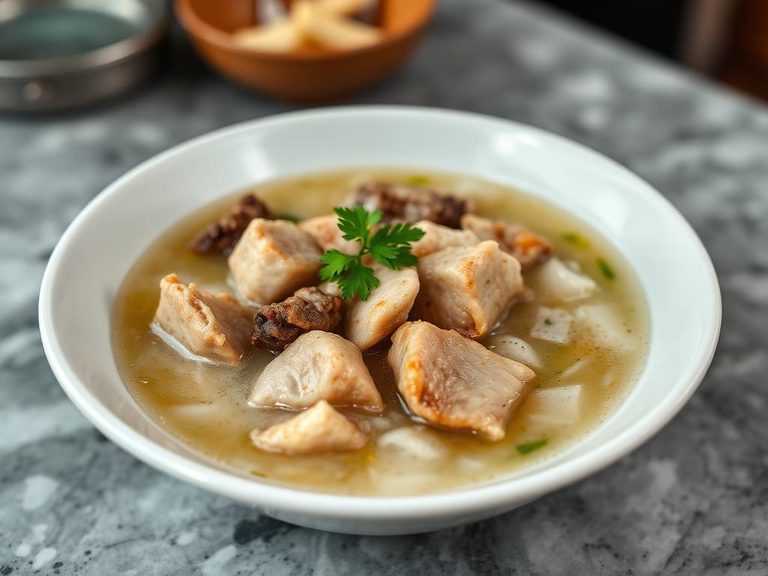
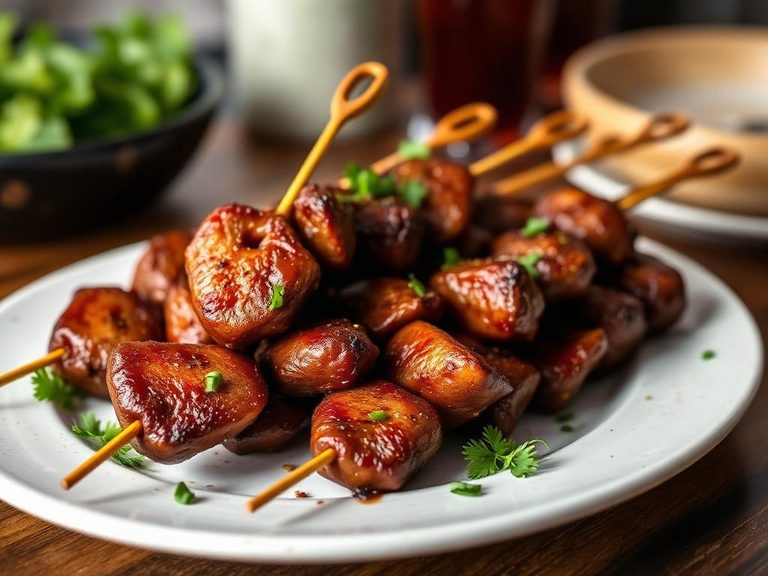
🌍 Where it's eaten
💡 Did you know?
A single turkey heart is roughly the size of a walnut and beats around 400 times per minute, making it one of the fastest-beating hearts among common poultry.
Full nutrition (USDA data · scales with serving)
| Water | 67.2 g |
| Energy | 174 kcal |
| Energy | 728 kj |
| Protein | 24.9 g |
| Total lipid (fat) | 7.5 g |
| Ash | 1.2 g |
| Carbohydrate, by difference | 0.00 g |
| Fiber, total dietary | 0.00 g |
| Total Sugars | 0.00 g |
| Calcium, Ca | 21.0 mg |
| Iron, Fe | 7.0 mg |
| Magnesium, Mg | 28.0 mg |
| Phosphorus, P | 241 mg |
| Potassium, K | 203 mg |
| Sodium, Na | 140 mg |
| Zinc, Zn | 4.6 mg |
| Copper, Cu | 0.82 mg |
| Manganese, Mn | 0.12 mg |
| Selenium, Se | 56.8 ug |
| Vitamin C, total ascorbic acid | 0.00 mg |
| Thiamin | 0.24 mg |
| Riboflavin | 1.5 mg |
| Niacin | 7.8 mg |
| Vitamin B-6 | 0.61 mg |
| Folate, total | 8.0 ug |
| Folic acid | 0.00 ug |
| Folate, food | 8.0 ug |
| Folate, DFE | 8.0 ug |
| Choline, total | 173 mg |
| Betaine | 3.1 mg |
| Vitamin B-12 | 13.9 ug |
| Vitamin B-12, added | 0.00 ug |
| Vitamin A, RAE | 16.0 ug |
| Retinol | 16.0 ug |
| Carotene, beta | 0.00 ug |
| Carotene, alpha | 0.00 ug |
| Cryptoxanthin, beta | 0.00 ug |
| Vitamin A, IU | 54.0 iu |
| Lycopene | 0.00 ug |
| Lutein + zeaxanthin | 0.00 ug |
| Vitamin E (alpha-tocopherol) | 0.13 mg |
| Vitamin E, added | 0.00 mg |
| Tocopherol, beta | 0.00 mg |
| Tocopherol, gamma | 0.16 mg |
| Tocopherol, delta | 0.00 mg |
| Tocotrienol, alpha | 0.00 mg |
| Tocotrienol, beta | 0.00 mg |
| Tocotrienol, gamma | 0.08 mg |
| Tocotrienol, delta | 0.00 mg |
| Vitamin D (D2 + D3), International Units | 0.00 iu |
| Vitamin D (D2 + D3) | 0.00 ug |
| Vitamin D3 (cholecalciferol) | 0.00 ug |
| Vitamin K (phylloquinone) | 0.00 ug |
| Alcohol, ethyl | 0.00 g |
| Caffeine | 0.00 mg |
| Theobromine | 0.00 mg |
Fat & fatty acid profile (per 100g)
| Fatty acids, total saturated | 1.9 g |
| SFA 4:0 | 0.00 g |
| SFA 6:0 | 0.00 g |
| SFA 8:0 | 0.00 g |
| SFA 10:0 | 0.00 g |
| SFA 12:0 | 0.05 g |
| SFA 14:0 | 0.06 g |
| SFA 15:0 | 0.01 g |
| SFA 16:0 | 1.1 g |
| SFA 17:0 | 0.02 g |
| SFA 18:0 | 0.63 g |
| SFA 20:0 | 0.01 g |
| SFA 22:0 | 0.00 g |
| SFA 24:0 | 0.00 g |
| Fatty acids, total monounsaturated | 1.7 g |
| MUFA 14:1 | 0.01 g |
| MUFA 15:1 | 0.00 g |
| MUFA 16:1 | 0.11 g |
| MUFA 16:1 c | 0.11 g |
| MUFA 17:1 | 0.01 g |
| MUFA 18:1 | 1.5 g |
| MUFA 18:1 c | 1.5 g |
| MUFA 20:1 | 0.02 g |
| MUFA 22:1 | 0.00 g |
| MUFA 22:1 c | 0.00 g |
| MUFA 24:1 c | 0.00 g |
| Fatty acids, total polyunsaturated | 1.8 g |
| PUFA 18:2 | 1.4 g |
| PUFA 18:2 n-6 c,c | 1.4 g |
| PUFA 18:2 CLAs | 0.01 g |
| PUFA 18:3 | 0.05 g |
| PUFA 18:3 n-3 c,c,c (ALA) | 0.05 g |
| PUFA 18:3 n-6 c,c,c | 0.00 g |
| PUFA 18:4 | 0.01 g |
| PUFA 20:2 n-6 c,c | 0.01 g |
| PUFA 20:3 | 0.01 g |
| PUFA 20:3 n-3 | 0.00 g |
| PUFA 20:3 n-6 | 0.01 g |
| PUFA 20:4 | 0.30 g |
| PUFA 20:5 n-3 (EPA) | 0.01 g |
| PUFA 22:4 | 0.02 g |
| PUFA 22:5 n-3 (DPA) | 0.01 g |
| PUFA 22:6 n-3 (DHA) | 0.01 g |
| Fatty acids, total trans | 0.06 g |
| Fatty acids, total trans-monoenoic | 0.05 g |
| TFA 16:1 t | 0.00 g |
| TFA 18:1 t | 0.04 g |
| TFA 22:1 t | 0.00 g |
| TFA 18:2 t not further defined | 0.02 g |
| Fatty acids, total trans-polyenoic | 0.02 g |
| Cholesterol | 359 mg |
Amino acid profile (per 100g)
| Tryptophan | 0.27 g |
| Threonine | 0.90 g |
| Isoleucine | 0.71 g |
| Leucine | 1.8 g |
| Lysine | 1.9 g |
| Methionine | 0.63 g |
| Cystine | 0.29 g |
| Phenylalanine | 0.92 g |
| Tyrosine | 0.79 g |
| Valine | 0.88 g |
| Arginine | 1.5 g |
| Histidine | 0.54 g |
| Alanine | 1.4 g |
| Aspartic acid | 1.9 g |
| Glutamic acid | 3.2 g |
| Glycine | 1.3 g |
| Proline | 1.5 g |
| Serine | 1.1 g |
FAQ
How do you prepare turkey hearts before cooking?
Trim away any excess fat or tough connective tissue. For simmering, you can leave them whole or halve them. Soaking in cold water or a mild acid like vinegar for 30 minutes can help mellow the flavor.
What's the best way to cook them to avoid toughness?
Simmering low and slow in a liquid (like broth or wine) for 1.5-2 hours is ideal. Quick, high-heat methods like grilling work best if the hearts are marinated and not overcooked.
Is the nutritional profile similar to muscle meat?
No. Turkey hearts are significantly denser in certain nutrients like iron, zinc, and B12 compared to turkey breast, while being lower in fat than dark meat thigh.
Nutrient density (calculated · NRF9.3)
Nutrient Rich Foods index: beneficial nutrients (protein, fiber, vitamins, minerals) minus saturated fat, added sugar & sodium, per 100 kcal.
NRF9.3 index — Fulgoni, Keast & Drewnowski, 2009. Computed from USDA nutrients.
Weight-loss friendliness (composite index)
Energy density 1.74 kcal/g · 57% calories from protein · 0.0 g fiber · 0.0 g sugar per 100 g.
Composite of energy density (Rolls et al., 1999), protein & fiber satiety, minus sugar. A calculated heuristic — ranks satiety-per-calorie, not a clinical measure.
Dietary load (calculated from USDA values)
Potential renal acid load. Positive = acid-forming, negative = alkaline-forming.
Sodium-to-potassium ratio: 0.69 (lower is better — aim for ≤ 1)
Sodium:potassium per WHO potassium guidance. Computed from USDA nutrients.